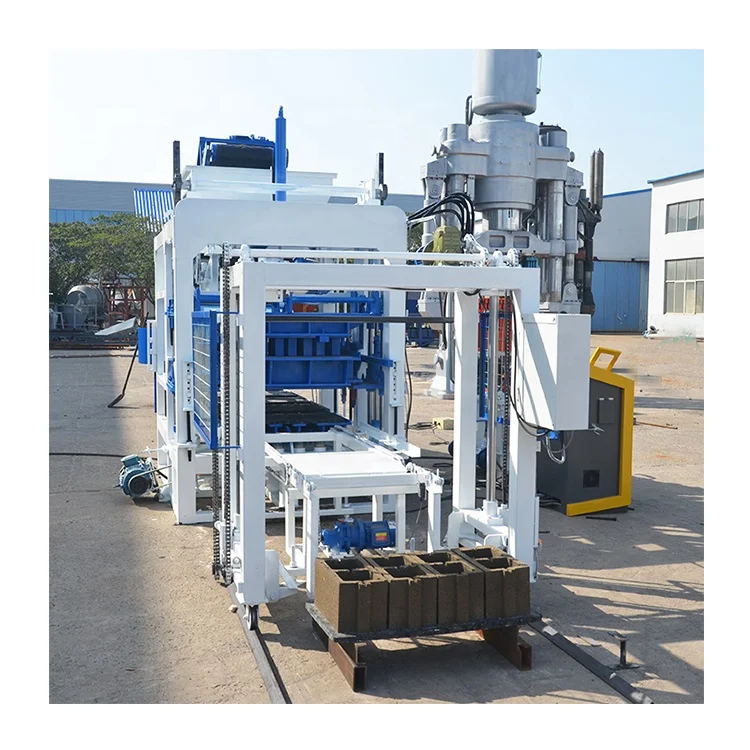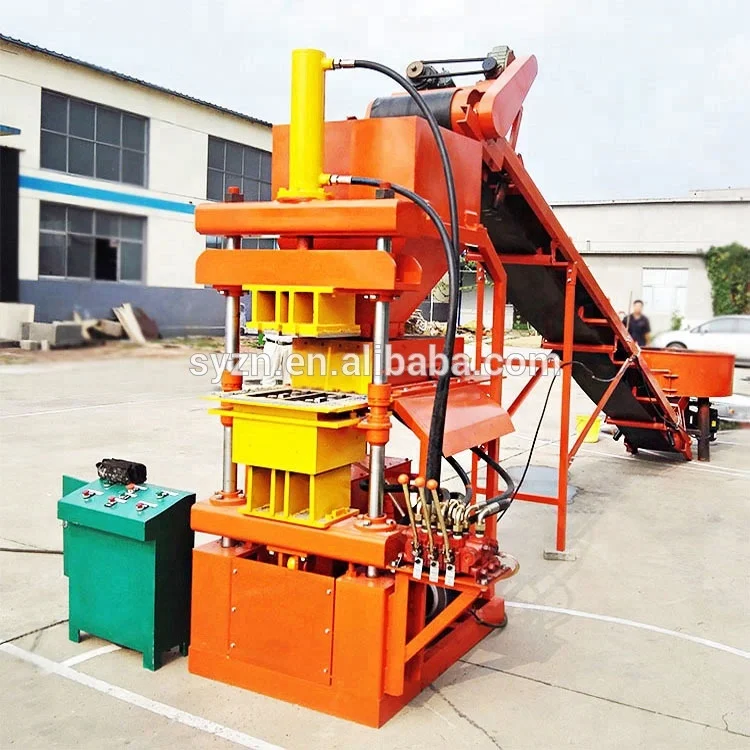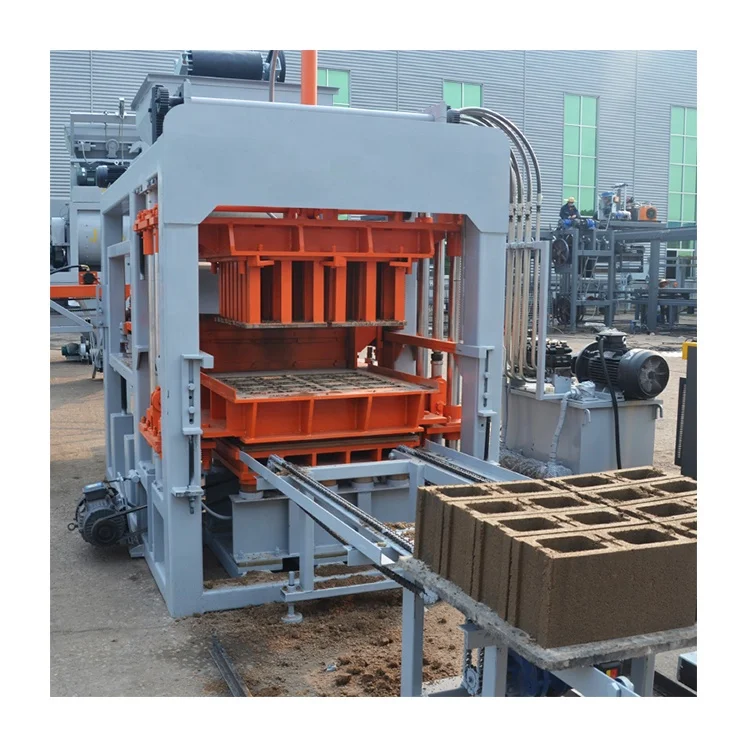


Description
Stocked for Fast Dispatch — QT6-15 automatic block machine models and standard moulds are held ready so your project deadline is not lost to production queues.
Technical Specifications
| Parameter | Value |
|---|---|
| Model | QT6-15 |
| Product Type | Automatic Concrete Block Making Machine |
| Molding Method | Vibration and hydraulic pressing |
| Rated Pressure | 21 MPa |
| Molding Cycle | 15s–20s |
| Pallet Size | 900×700 mm |
| Main Machine Weight | 6000 kg |
| Hollow Block Output (400×200×200 mm) | 1440 pcs/h, 11520 pcs/8h |
| Paving Brick Output (200×100×60 mm) | 5040 pcs/h, 40320 pcs/8h |
| Solid Brick Output (240×115×53 mm) | 7680 pcs/h, 61440 pcs/8h |
| Control System | PLC (brand and language options basis to be confirmed) |
| Voltage & Frequency | Customizable to local standard (exact values basis to be confirmed) |
| Raw Materials | Cement, sand, fly ash, stone powder, slag |
| Automation Level | Automatic |
| Key Features | Simple or full automatic line options, moulds interchangeable across hollow block, paving brick, solid brick, interlocking brick, kerbstone formats, automatic stacker included in simple line |
Application Suitability
| Application | Material or Output |
|---|---|
| Hollow block production plants | Crushed stone, sand, cement, fly ash mixes for 400×200×200 mm blocks |
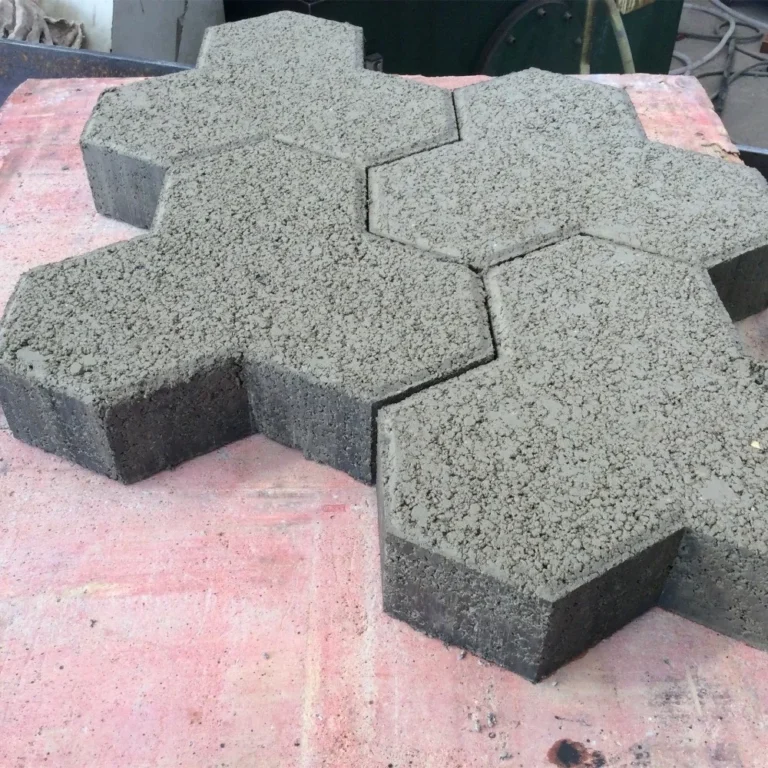
| Paving brick manufacturing | Stone powder and cement blends for 200×100×60 mm interlocking pavers |
| Solid brick production for masonry | Sand, slag, and cement for 240×115×53 mm solid bricks |
| On-site block production for construction projects | Local aggregate and cement adapted to project-specific formats |
| Kerbstone and interlocking brick runs | Cement and stone powder with format-specific moulds |
What "In Stock" Actually Means for Your Timeline
Stocked QT6-15 units and standard moulds leave the workshop on a schedule measured in days, not months.
When a contractor is mid-project and the block supply falls behind, every week of machine lead time compounds into lost wall area and idle crews. I have watched site managers absorb two extra weeks of delay simply because the supplier began production only after the deposit cleared. The QT6-15 automatic block machine in stock approach flips that sequence: standard configurations are built ahead, so the clock starts at dispatch rather than at order confirmation. [NEED_CITE: typical lead time impact on construction project schedules]
This matters most when the buyer is a contractor producing blocks on their own site or an entrepreneur racing to open a first plant before the rainy season shuts down earthworks. The difference between a machine that ships next week and one that ships in eight weeks is often the difference between meeting a handover date and paying liquidated damages.
Dispatch Readiness and What Ships With the Press
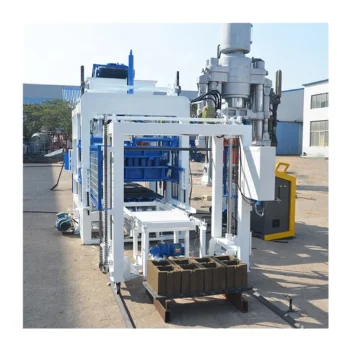
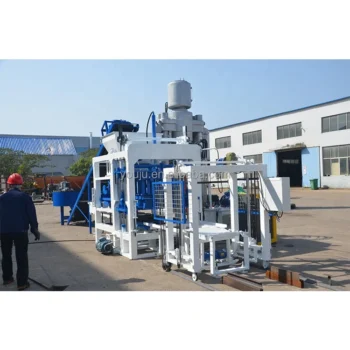
A stocked QT6-15 automatic block machine in stock is not just the main press sitting in a yard. The package includes the automatic stacker for the simple line configuration or the full set of batching, pallet loading, and separation equipment for the complete line, depending on the buyer’s selection. Standard moulds for hollow block, paving brick, and solid brick formats are matched and tested together before crating. This means the buyer receives a coordinated line rather than a press that waits weeks for its supporting stations to arrive from different suppliers.
Container Loading Planned Before You Pay
The QT6-15 main machine requires top cylinder removal to fit inside a standard shipping container, and this procedure is documented with photographs before the crate closes. Buyers working to a project deadline need to know the exact container count and the reassembly steps at destination before they commit. I once saw a buyer receive a machine with the hydraulic hoses disconnected but unlabelled, turning a half-day reassembly into a three-day troubleshooting session. [NEED_CITE: container loading best practices for heavy industrial machinery] Every QT6-15 shipment from this workshop leaves with labelled connections, a reassembly drawing, and packing photographs sent to the buyer before the container doors close.
Reading the Numbers Behind the Cycle Time
The 15s–20s molding cycle is the heartbeat of the line, but what matters on the ground is how that cycle translates into blocks per shift for the format the buyer actually sells. At 400×200×200 mm hollow blocks, the rated output sits at 1440 pieces per hour, which scales to 11520 pieces across an eight-hour shift. Switch the mould to 200×100×60 mm paving bricks and the same cycle yields 5040 pieces per hour because the pallet area fits more units per press stroke. The 21 MPa rated hydraulic pressure works together with the vibration system to compact the mix into a dense, consistent block, but the actual block strength still depends on the buyer’s mix design and local aggregate gradation. The 900×700 mm pallet size is fixed, which means the buyer must confirm that their existing curing racks and forklifts are dimensionally compatible before the line ships. Choosing a pallet size without checking the curing area layout is one of the most common mismatches I encounter when reviewing installations after the fact.
The Cost of Skipping the Pre-Shipment Checklist
Voltage and frequency confirmation sounds like paperwork, but it is the single most expensive oversight I have witnessed on international shipments. A machine built for 380V/50Hz that arrives at a 480V/60Hz job site does not run; it sits while a variable-frequency cabinet is sourced locally, and three weeks of production vanish. [NEED_CITE: voltage mismatch incidents in exported industrial equipment] The same applies to PLC display language: an operator who cannot read the fault codes on the screen calls the technician for every minor alarm, turning a five-minute reset into a half-day work stoppage. These are not engineering failures; they are communication failures that happen when the confirmation checklist is rushed or skipped.
Why Buyers Source This Line Here
Block machinery is the sole focus of this operation, which means the QT6-15 press, its moulds, pallets, and handling equipment are specified as one matched system rather than assembled from unrelated suppliers. Dispatch lead time and arrival estimates are quoted at the inquiry stage, so the buyer can plan site preparation against a real calendar date rather than a guess. The line is configured against the buyer’s local aggregate and target block format, not a catalogue default that assumes materials the buyer cannot source. Standard moulds for the formats the buyer’s market actually sells are kept in stock alongside the machines, so a mould order does not become the bottleneck after the press arrives. Installation support includes operator training on the specific PLC and hydraulic system fitted to the shipped unit, not a generic manual left in the crate. [NEED_CITE: importance of matched block production line components]
Documentation & Verification
- Line layout drawing with capacity stated per block format for the QT6-15 configuration
- Voltage, frequency, and PLC language confirmation sheet signed before production
- Factory test record showing cycle time and block output on the buyer’s chosen format
- Packing photographs and container loading plan shared before the crate closes
- Mould drawing and format list for every mould included in the shipment
- Operation and maintenance manual with wear parts list for the QT6-15 line
Installation, Commissioning & Support
- Foundation plan matched to the 6000 kg main machine weight and vibration load
- Power supply circuit sized to the confirmed motor voltage before the QT6-15 ships
- Top cylinder reassembly procedure with labelled hoses after container unloading
- PLC parameter setting and first-run test on the buyer’s chosen block format
- Operator training covering mould change, pallet loading, and stacker operation
- Wear parts and hydraulic seal list supplied with recommended reorder intervals
What We Need to Quote Your Arrival Date
Send the block format you plan to produce, your target daily output, and the dimensions of your curing area so the pallet and handling equipment can be matched. Confirm the local voltage and frequency at the job site, along with the preferred language for the PLC display. If you already have a mixer, conveyor, or forklift on site, share the model details so the line layout avoids duplication and connects cleanly.
Frequently Asked Questions
Q: What is the dispatch lead time for stocked QT6-15 models and standard moulds?
A: Stocked QT6-15 automatic block machine in stock configurations with standard hollow block, paving brick, or solid brick moulds are prepared for dispatch within a short window after order confirmation. The exact date depends on the line configuration selected and the voltage confirmation status. Buyers receive a firm dispatch date and estimated arrival at the inquiry stage, before any deposit is required.
Q: How is the machine dismantled for container loading and what container size is needed?
A: The QT6-15 main machine requires removal of the top hydraulic cylinder to fit inside a standard high-cube shipping container. Hoses and electrical connectors are labelled during dismantling, and a reassembly drawing is included. The supporting equipment — mixer, conveyor, stacker — loads separately. A complete simple line typically fills one to two containers depending on the configuration chosen.
Q: Can the arrival estimate be quoted before I place the order?
A: Yes. Dispatch lead time and estimated port-to-port transit are provided at the inquiry stage so buyers can align site preparation and foundation work to a realistic calendar date. The estimate accounts for the chosen configuration, destination port, and current shipping schedules. This allows project contractors to plan block production start dates against construction milestones.
Q: Are pallets, stacking equipment, and curing rack handling included in the quotation?
A: The simple line configuration includes an automatic stacker alongside the JS500 mixer and conveyor belt. The full automatic line adds a pallet loader and block-and-pallet separator. Pallets themselves are specified at 900×700 mm to match the press, and the quotation states exactly which handling stations are included so the buyer knows what still needs to be sourced locally.
Q: What voltage and frequency options are available and how is this confirmed before shipment?
A: Motor voltage and control system voltage are customizable to the buyer’s local standard. The exact voltage and frequency are confirmed in writing before production begins, along with the PLC display language. This mandatory confirmation step prevents the situation where a machine arrives at site and cannot be powered until a transformer or variable-frequency drive is installed locally.