Description
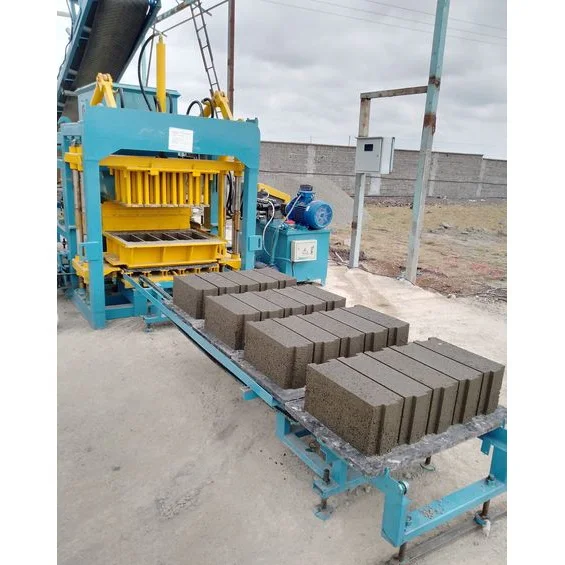
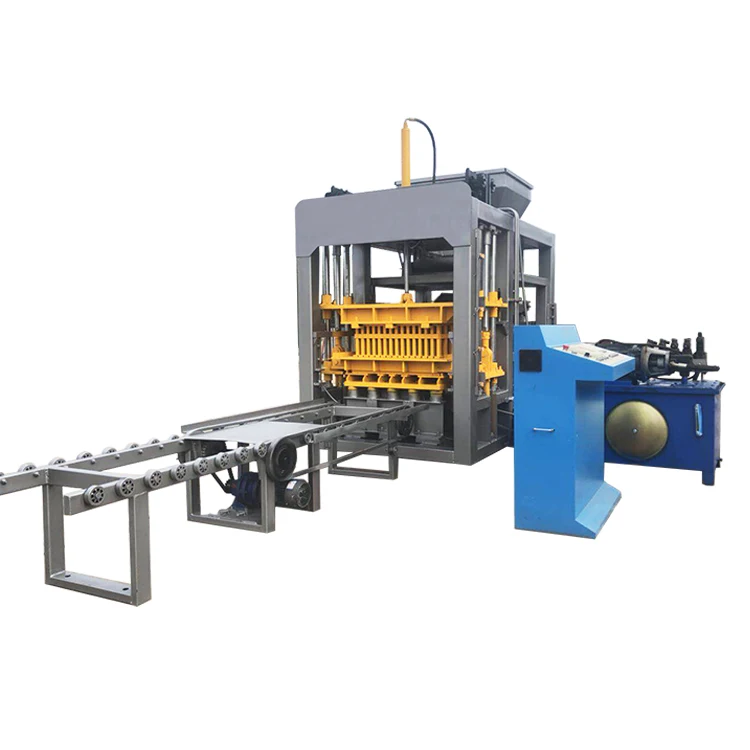
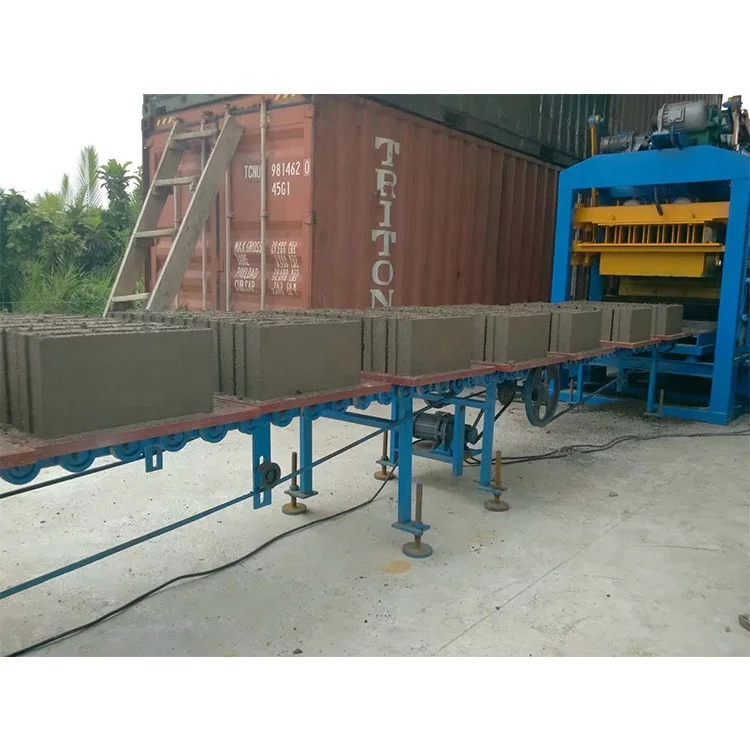
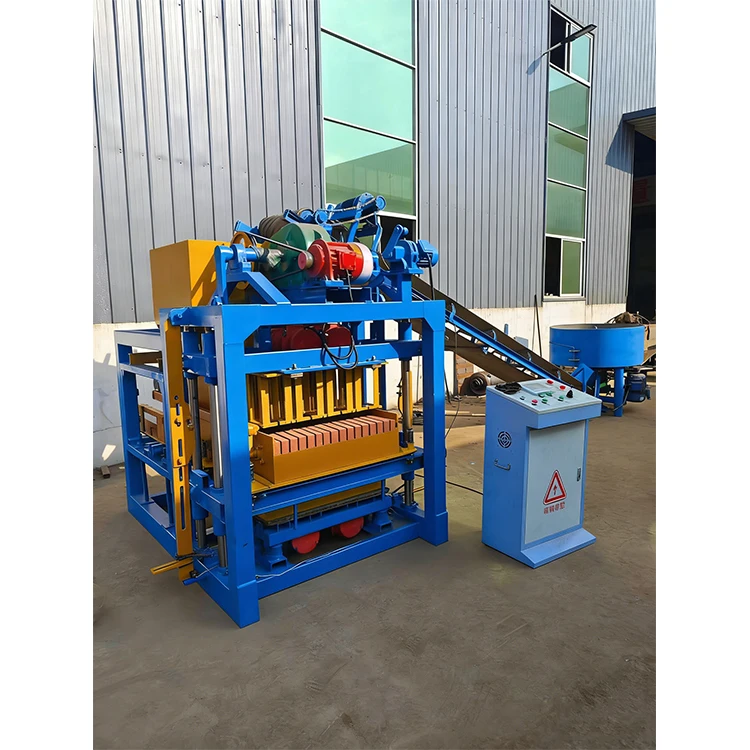
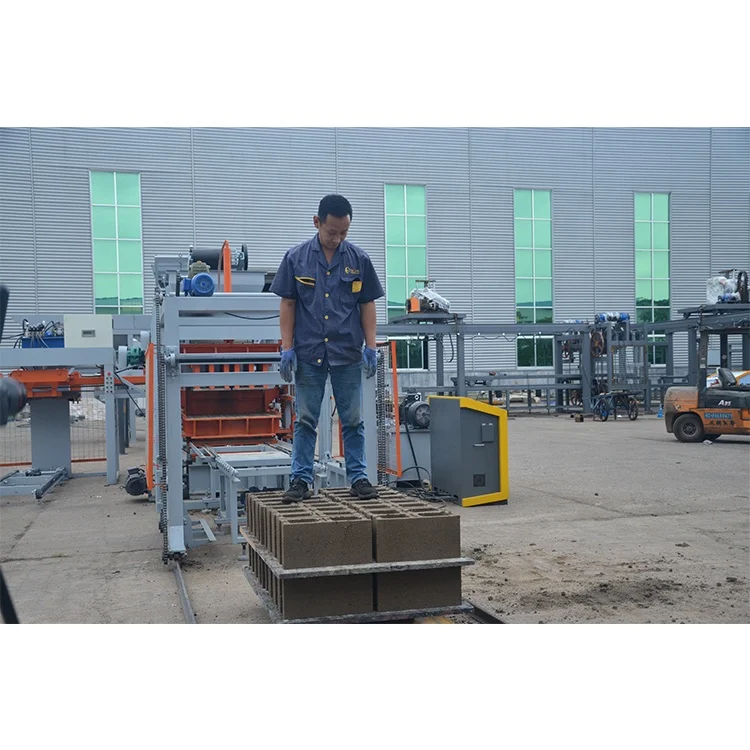
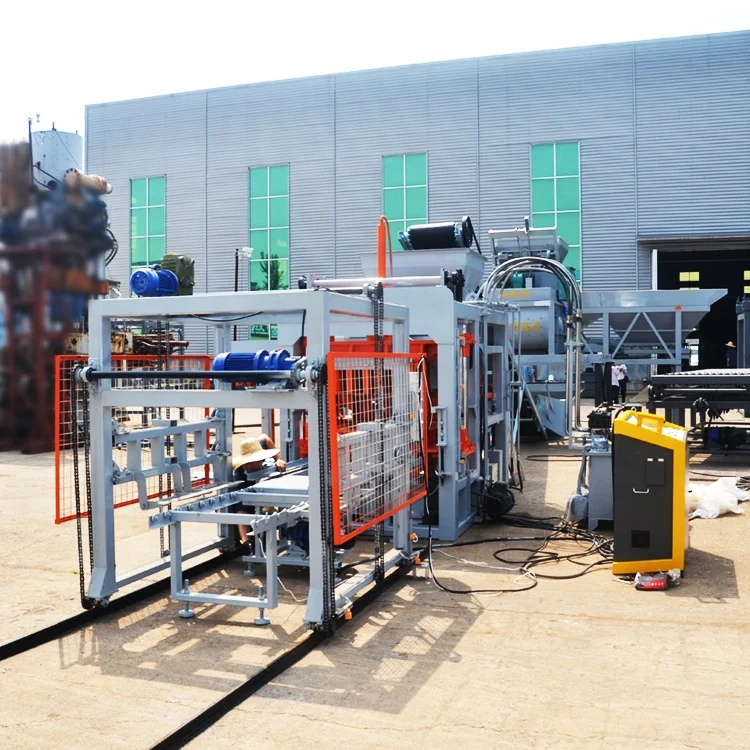
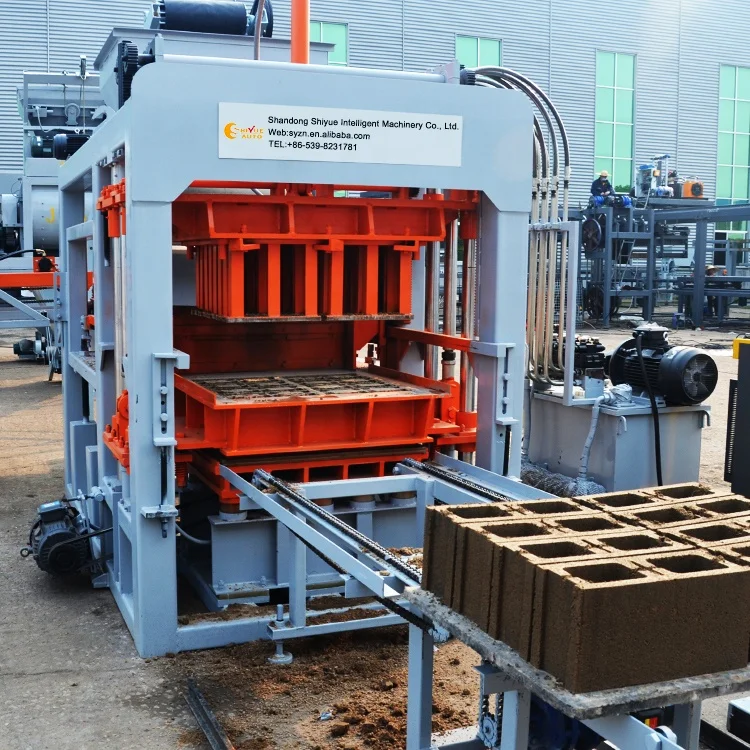
Dispatch-Ready Configuration — QT6-15 block machine in stock means the hydraulic press, standard moulds, and 880×850 mm pallets are configured as a matched set and staged for container loading, not assembled from separate suppliers after payment.
Technical Specifications
| Parameter | Value |
|---|---|
| Model | QT6-15 |
| Product Type | Hydraulic Block Making Machine |
| Overall Dimensions (L×W×H) | 8200×1700×2950 mm |
| Vibration Frequency | 0-60 Hz |
| Vibration Form | Platform Vibration |
| Moulding Mode | Load automatically, vibration moulding |
| Pallet Size | 880×850 mm |
| Molding Cycle | 15-20 s |
| Overall Power | 37 kW |
| Vibration Force | 45 kN |
| Total Mass | 7 T |
| Demolding Method | Hydraulic |
| Control System | PLC (Programmable Controller) with touch screen |
| Output Capacity (Hollow block 400×200×200 mm) | 1080-1440 pcs/hour, 8640-11520 pcs/8hr |
| Output Capacity (Hollow block 400×150×200 mm) | 1440-1920 pcs/hour, 11520-15360 pcs/8hr |
| Output Capacity (Solid brick 240×115×53 mm) | 5760-7680 pcs/hour, 46080-61440 pcs/8hr |
| Output Capacity (Rectangular brick 200×100×60 mm) | 2160-2880 pcs/hour (cycle 20-25s), 17280-23040 pcs/8hr |
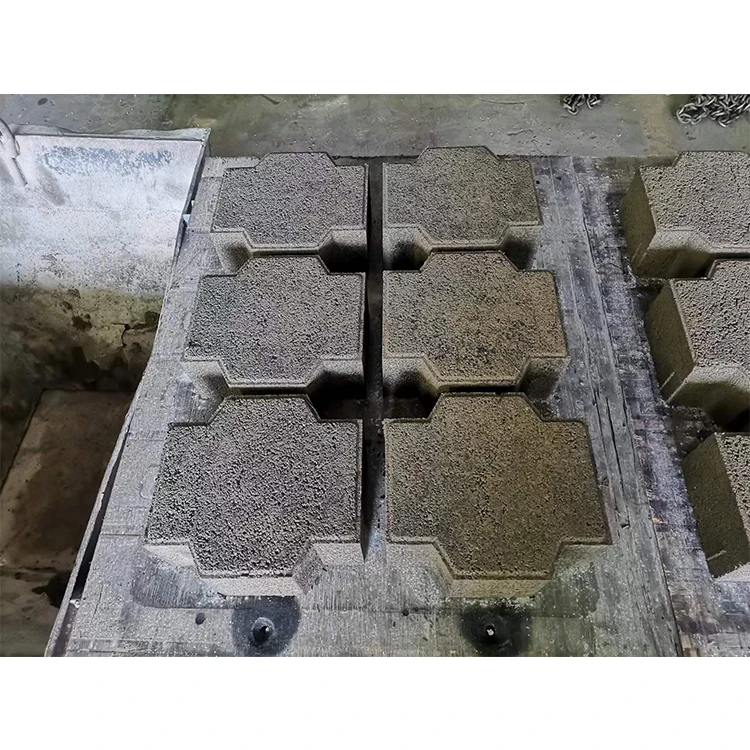
| Output Capacity (Zigzag brick 225×112.5×60 mm) | 2160-2880 pcs/hour (cycle 20-25s), 17280-23040 pcs/8hr |
| Hydraulic System | Independent integrated type hydraulic station |
| Block Compressive Strength | More than 15 MPa |
| Raw Material Adaptability | Waste ash, slag, and various aggregates; reduced cement dosage |
| Assembly State | Fully assembled main machine |
| Warranty | 1 year for the whole machine (excluding spare parts) |
Application Suitability
| Application | Material or Output |
|---|---|
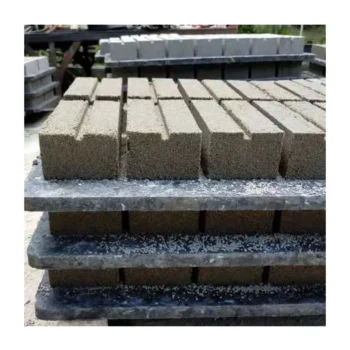
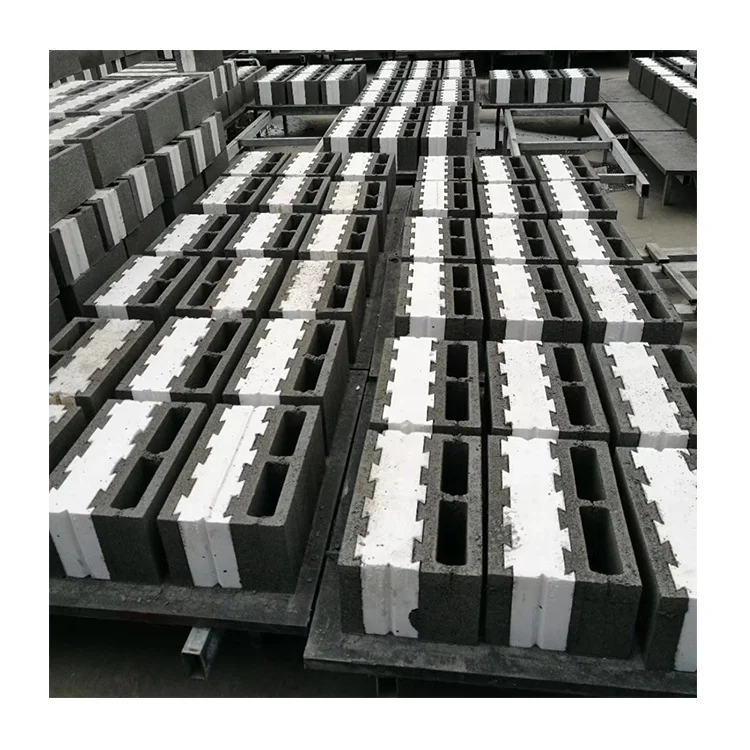
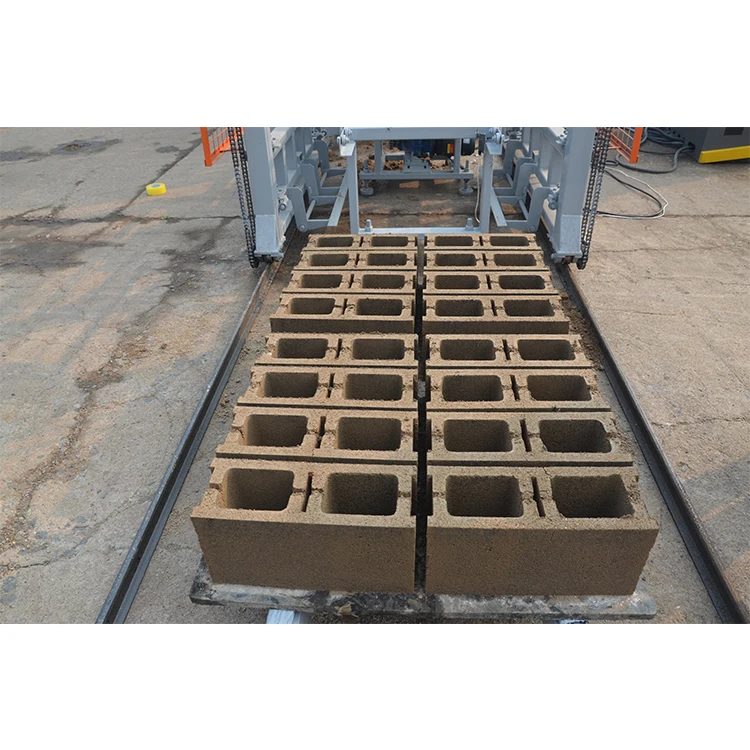
| Hollow block production plants | 400×200×200 mm and 400×150×200 mm hollow blocks from crushed stone, sand, and cement |
| Solid brick manufacturing | 240×115×53 mm solid bricks using fly ash, slag, and aggregate blends |
| Paving block and interlocking brick production | 200×100×60 mm rectangular and 225×112.5×60 mm zigzag pavers from granite chips and cement |
| Construction contractors producing blocks on-site | On-site hollow and solid block production using locally sourced aggregate |
| Building material distributors | Multi-format production across hollow, solid, and paving formats on one press |
| Entrepreneurs setting up a first block plant | Starter configuration with PLC control and standard mould package |
Why the Arrival Date Matters More Than the Quoted Cycle Time
A machine that sits in a factory for eight weeks while your project deadline passes is a machine that never existed for your site.
I have watched contractors in Latin America lose entire curing cycles because the block machine they ordered was quoted with a fast molding cycle but a slow assembly and shipping timeline. The QT6-15 block machine in stock status changes that equation entirely. When a housing project has a concrete delivery scheduled and masons on payroll, the dispatch lead time becomes the specification that actually counts [NEED_CITE:]. A machine rated at 15-20 seconds per cycle produces nothing if it is still being crated when your foundation crew finishes.
Stocked Press and Standard Mould Availability
The QT6-15 block machine in stock configuration includes the fully assembled main press with its independent integrated hydraulic station and PLC touch screen control. Standard hollow block moulds for the 400×200×200 mm and 400×150×200 mm formats are held alongside the machine, so a buyer targeting residential hollow block can ship both the press and the primary production mould together. Rectangular paving and zigzag brick moulds follow a separate stock rotation and availability is confirmed at inquiry.
Container Loading and Machine Dismantling for Shipment
At 7 tonnes total mass and 8200 mm in length, the main machine requires a specific dismantling and loading sequence to fit standard container dimensions. The hydraulic station, mould assembly, and pallet magazine are separated from the main frame, secured against transit vibration, and photographed before the container doors close. This dismantling plan is quoted at the order stage so the buyer knows exactly what arrives and what reassembly is required on site. Dispatch lead time is counted from order confirmation, not from some undefined production start date [NEED_CITE:].
Reading the Specs That Affect Your Site
The 880×850 mm pallet size is the single dimension that connects the press to everything downstream. If your curing racks, forklift tines, and stacking area were designed around a different pallet footprint, blocks will need to be rehandled manually before they even reach the curing zone. The 45 kN vibration force working with the hydraulic demolding system determines the green strength of blocks as they leave the press — a force mismatched to your local aggregate gradation produces blocks that chip on the pallet transfer. The 37 kW overall power demand requires confirmation that your site transformer and dedicated circuit can sustain continuous draw without voltage drop during peak vibration cycles. Vibration frequency adjustable from 0-60 Hz allows the operator to tune the platform vibration to the specific mix design, which is essential when switching between a lean hollow block mix and a richer paving block formulation.
The Cost of Ordering Without Confirming Dispatch Timing
When a buyer focuses on cycle time and ignores the supply chain, the machine arrives to find the project has moved on. Masons have been reassigned, concrete orders cancelled, and the curing area repurposed for material storage. I have seen this pattern repeat across multiple job sites in Colombia and Ecuador where the block machine was technically correct but chronologically useless [NEED_CITE:]. The pallets specified may not match the forklift already on site, or the voltage at the panel may differ from what the control cabinet was wired for, adding weeks of electrical rework to an already delayed startup.
Why Buyers Working to Deadlines Source Here
The machine, mould, pallet, and handling components are specified as one matched system before dispatch, so nothing arrives incompatible with the rest of the line. Stock status for the QT6-15 block machine in stock is confirmed against actual warehouse inventory rather than a production forecast. Container loading plans with dismantling details are provided before payment so there are no surprises at the port. Voltage, frequency, and PLC display language are confirmed during the order process, not discovered after the container opens. Factory test records on the buyer’s target block format are included in the dispatch documentation package.
Documentation & Verification
- Line layout with capacity calculation stating the block format assumed for the quoted output
- Pallet specification sheet confirming 880×850 mm dimensions and material grade
- Hydraulic and electrical schematic matching the as-built configuration
- Factory test record on buyer’s target hollow or paving block format before dispatch
- Packing photographs documenting dismantling state and container loading sequence
- Customs documentation support including HS code and certificate of origin where required
Installation, Commissioning & Support
- Foundation plan based on 8200×1700 mm footprint and 7 T operating mass for level concrete pad
- Dedicated 37 kW circuit with voltage and frequency confirmed before control panel wiring
- Main machine arrives fully assembled; hydraulic station and pallet system reconnected on site
- PLC touch screen commissioning with cycle parameters set to buyer’s target block format
- Mould change procedure training covering guide post alignment and hydraulic clamp sequence
- Wear parts list for hydraulic seals, mould guide posts, and vibration motor bearings included at dispatch
What to Include in Your Inquiry
To confirm stock status and quote a realistic arrival date, share your destination port, the block formats your market requires, and the voltage and frequency at your site panel. If you have an existing curing area or forklift, note the pallet dimensions those systems accommodate so the 880×850 mm pallet can be evaluated for compatibility before the order is placed.
Frequently Asked Questions
Q: Which QT6-15 configurations and mould formats are currently in stock?
A: The main press with PLC touch screen control and standard hollow block moulds for 400×200×200 mm and 400×150×200 mm formats are held in stock. Rectangular paving and zigzag brick moulds are checked at inquiry. Voltage and frequency are confirmed per order to match the destination market, and pallet stock is allocated at order confirmation.
Q: What is the dispatch lead time from order to container loading?
A: Dispatch lead time is counted from order confirmation once voltage, frequency, and PLC language are finalized. Stocked machines move to the dismantling and packing stage immediately, with packing photographs shared before the container is sealed. Exact timing depends on current stock allocation and destination port documentation requirements.
Q: How is the machine dismantled and packed for container shipment?
A: The 7-tonne main frame, hydraulic station, mould assembly, and pallet system are separated to fit standard container dimensions. Each component is secured against transit movement, and the full dismantling state is photographed for the buyer’s records. Reassembly guidance is included in the dispatch documentation package.
Q: Can arrival estimate be quoted upfront based on destination port?
A: Yes. Once the destination port is confirmed, transit time from the loading port is combined with the dispatch lead time to provide an estimated arrival window. This allows buyers working to project deadlines to plan site preparation, electrical work, and raw material procurement around a known date.