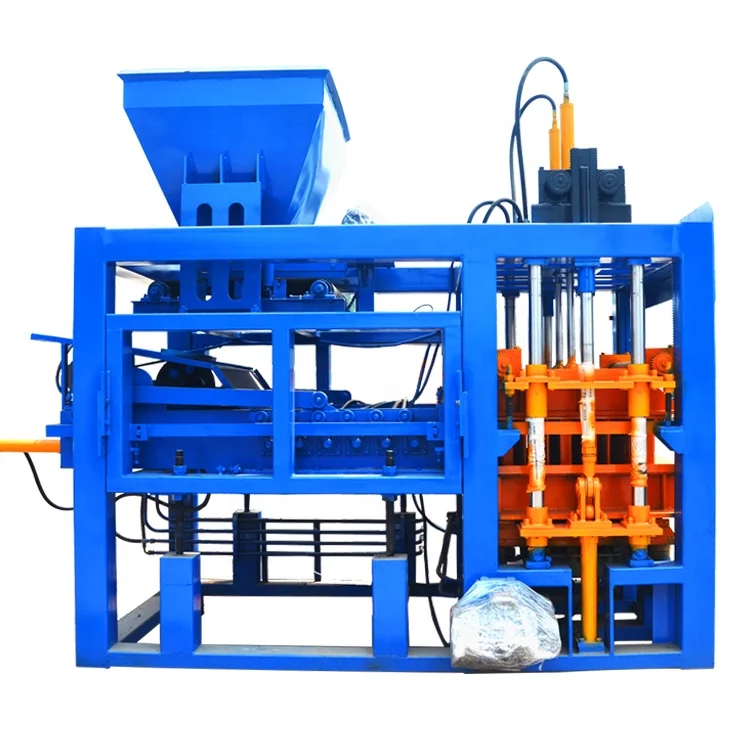
Description
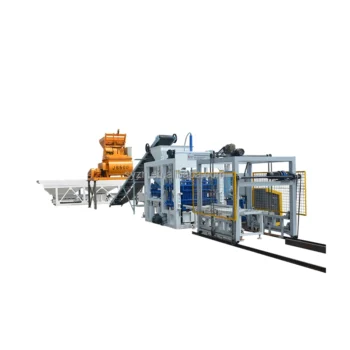
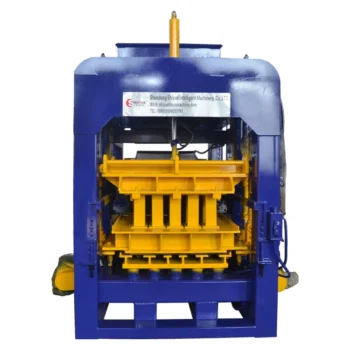
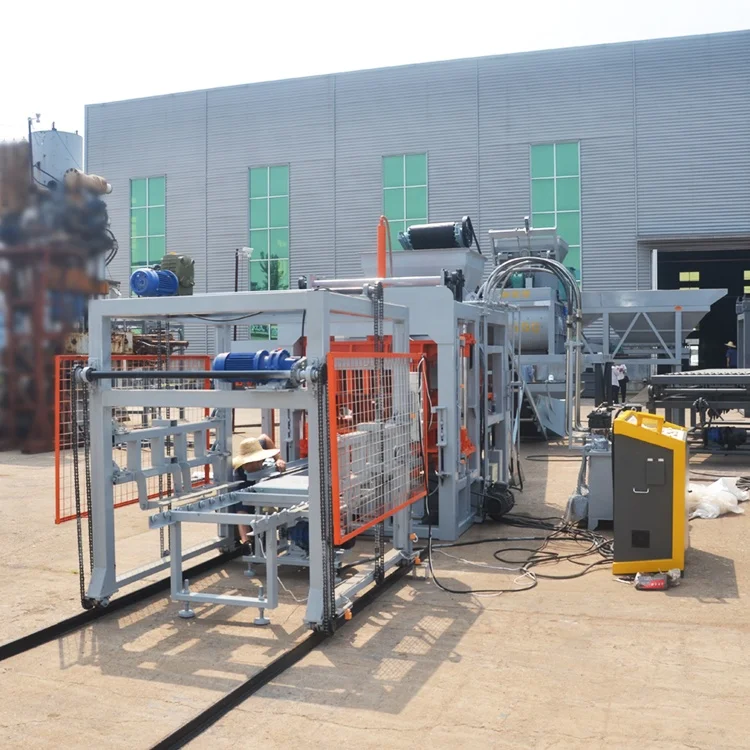
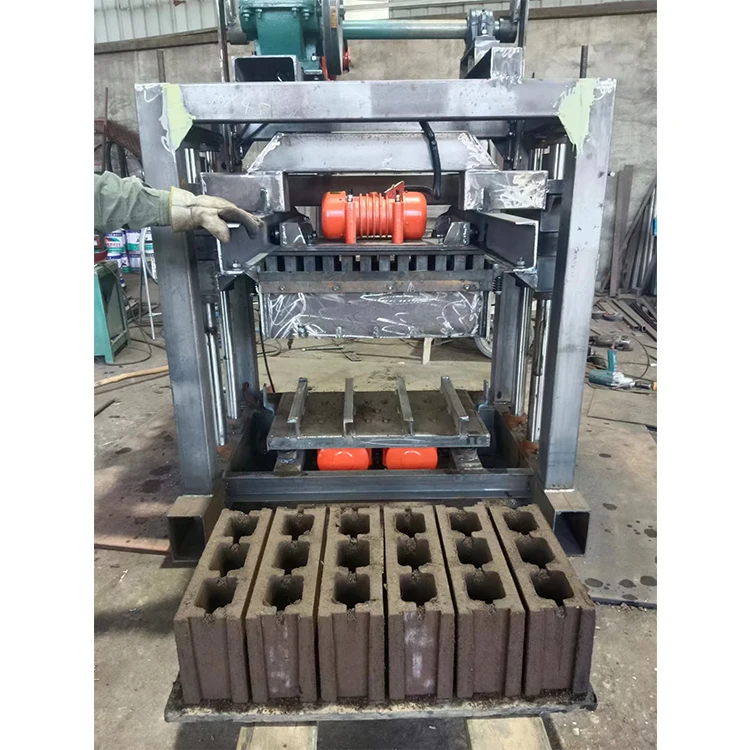
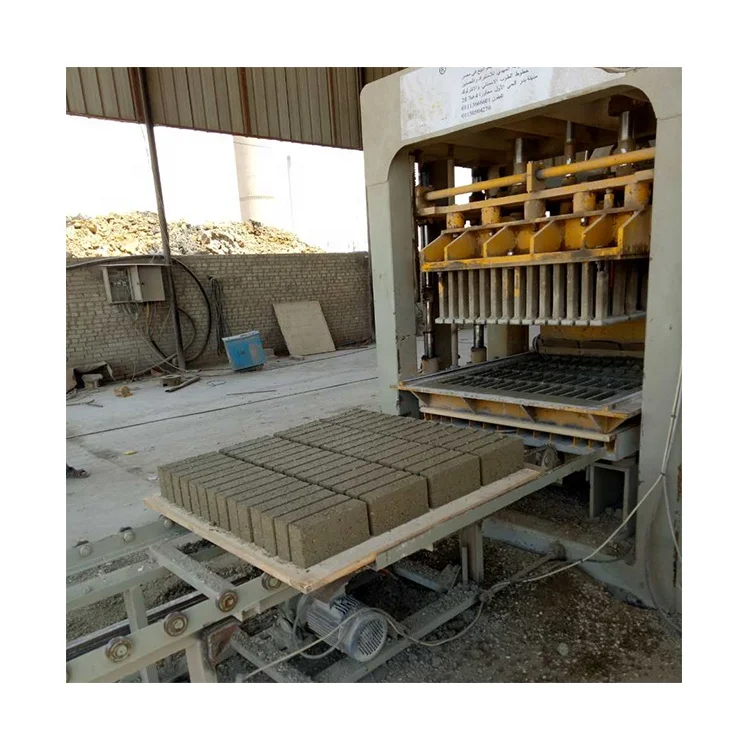
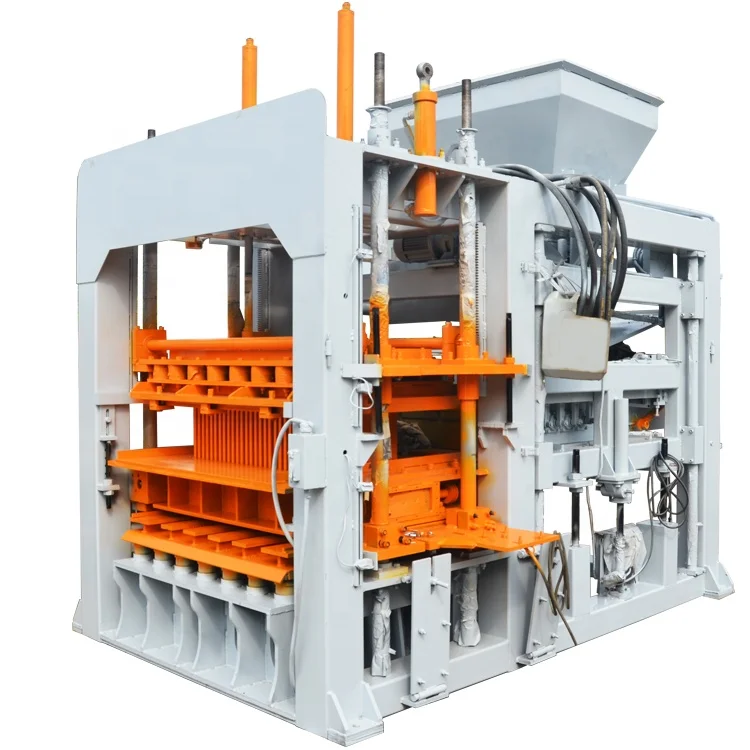
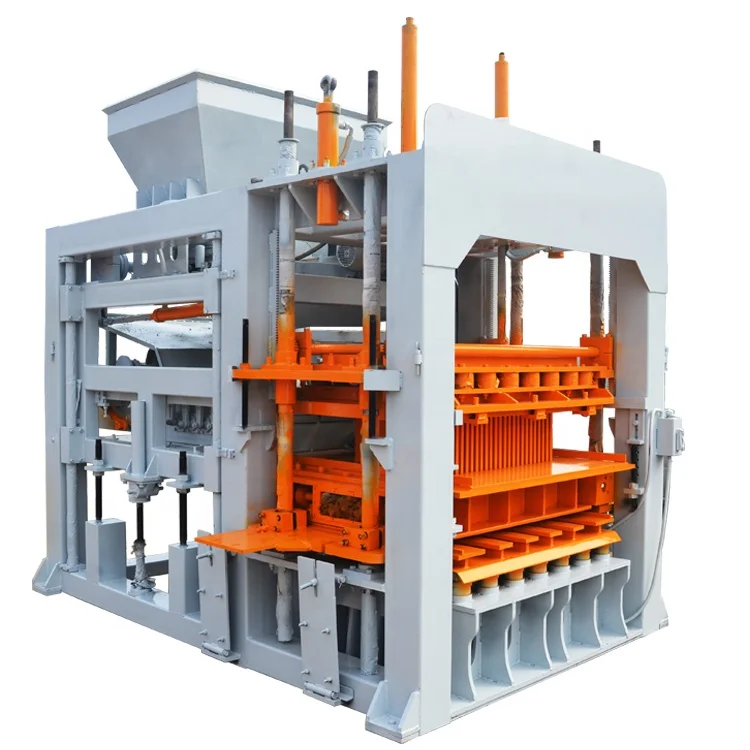
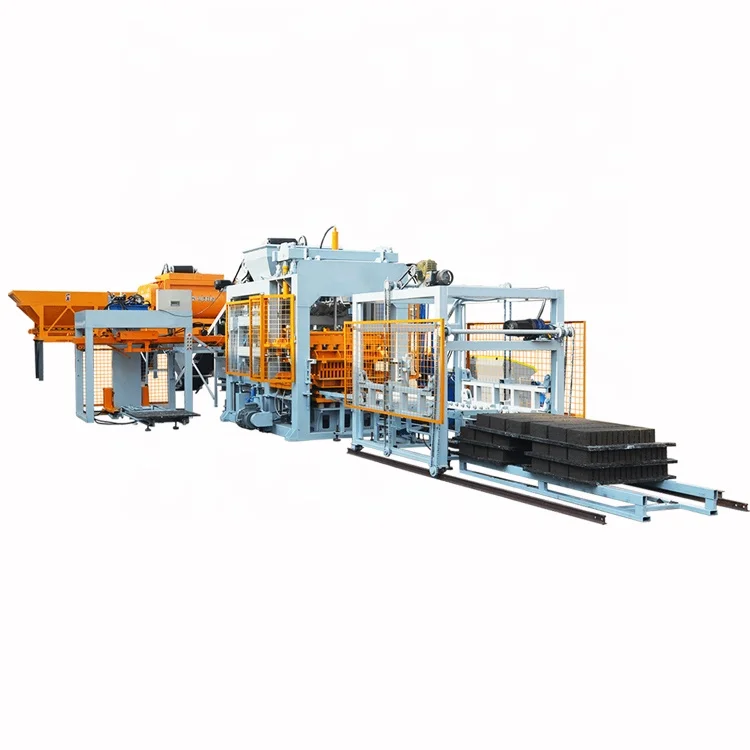
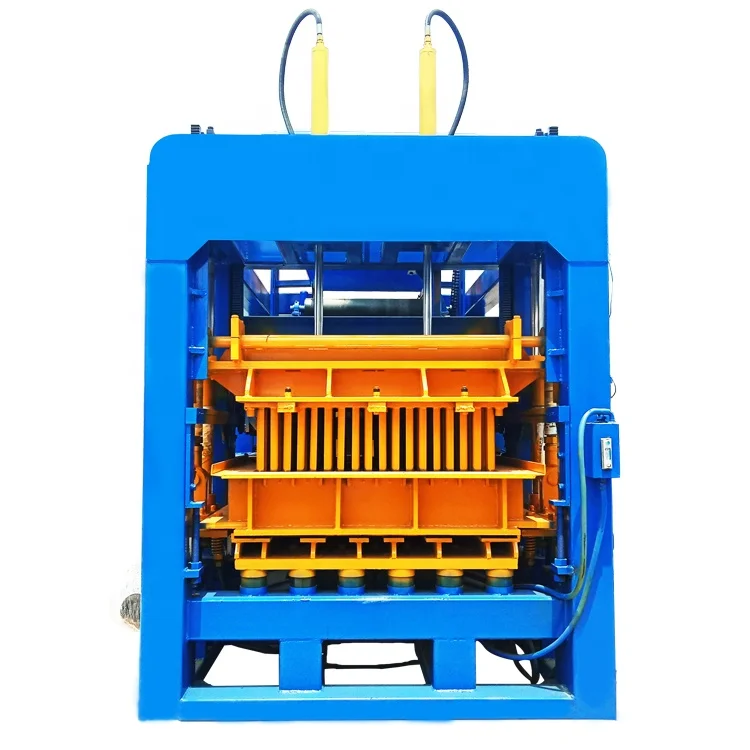
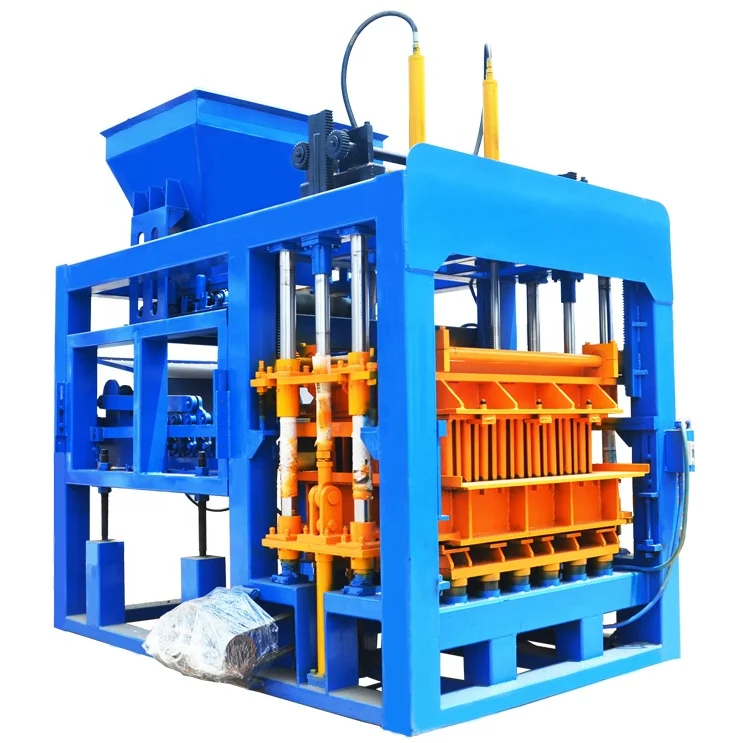
QT8-15 Block Moulding Machine for Concrete Block – In Stock
Single-Source Block Line Supply — the QT8-15 automatic block machine is kept in stock with matched moulds and pallets so dispatch lead time stays measured in days, not production slots.
Technical Specifications
| Parameter | Value |
|---|---|
| Model | QT8-15 |
| Product Type | Automatic Concrete Block Making Machine |
| Overall Dimensions (L×W×H) | 8300 × 1860 × 3000 mm |
| Rated Pressure | 21 MPa |
| Vibration Force | 45 kN |
| Vibration Frequency | 2800–4500 r/min |
| Main Vibration Form | Platform Vibration |
| Pallet Size | 950 × 900 mm |
| Molding Cycle | 15–20 s |
| Demolding Method | Hydraulic |
| Overall Power | 55.5 kW |
| Total Mass | 8 T |
| Factory Area | 300 m² |
| Loading | 1 × 40HQ container (basic equipment) |
| Output Capacity | (basis to be confirmed — depends on block format, mix design and material thickness) |
| Voltage & Frequency | Configurable to destination grid (confirm before dispatch) |
| Control System | Automatic control with language options (confirm before dispatch) |
| Warranty | 1 year for the whole machine (excluding spare parts) |
Application Suitability
| Application | Material or Output |
|---|---|
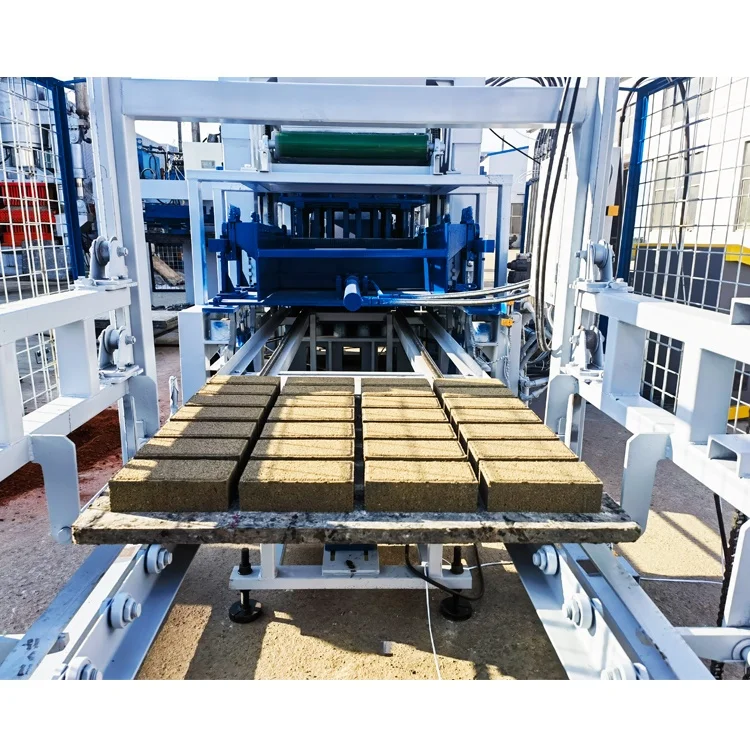
| Hollow block production for structural walls | Crushed stone, sand, cement, fly ash |
| Solid block manufacturing for load-bearing use | Sand, gravel, cement blends |
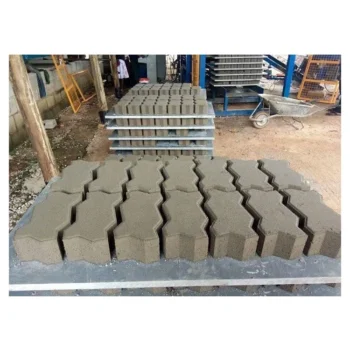
| Paving block and colored paver runs | Fine aggregate, cement, pigment additives |
| Interlocking brick for landscape and retaining walls | Crushed stone, dust, cement |
| Kerbstone production for road edging | Coarse gravel, sand, cement |
| On-site block production for housing projects | Locally sourced aggregate and cement |
Why Lead Time Matters More Than Quoted Output
A capacity figure on a brochure means little when the block format behind that number is never disclosed and the machine itself is six weeks from completion. The QT8-15 block machine in stock is only useful if it actually ships while your project timeline still holds. I have watched contractors lose an entire dry season waiting for a block press that was quoted as "ready" but still needed voltage rewinding and mould fabrication. The real cost is not the machine — it is the crew standing on an empty slab [NEED_CITE: project delay penalties in construction contracts]. When a buyer works against a fixed milestone, the dispatch date and the container booking confirmation carry more weight than any cycle-time claim. That is why the QT8-15 block machine in stock conversation always starts with the destination port and works backward to the factory gate.
Stock Availability and Dispatch Sequencing
The QT8-15 is held as a complete press unit with hydraulic station, vibration platform and control cabinet assembled and factory-tested before crating. Standard moulds for hollow block, solid block and paver formats are stocked alongside the machine, so a QT8-15 block machine in stock order does not stall waiting for tooling fabrication. Once the destination voltage and control language are confirmed, the dispatch sequence moves to dismantling for container loading, packing photography and customs documentation. This keeps the gap between order confirmation and container gate-in measured in working days rather than production weeks.
Container Loading and Shipment Integrity
An 8-tonne machine traveling inside a 40HQ container must be broken down into secured sub-assemblies that survive weeks of ocean transit without shifting. The QT8-15 block machine in stock is dismantled following a documented sequence: vibration platform, hydraulic frame, control cabinet and mould set are each bolted to the container floor or braced against the walls with timber dunnage [NEED_CITE: container lashing standards for heavy machinery]. Packing photographs are taken at each stage so the buyer can verify loading condition before the container seal is closed. This level of shipment preparation matters because a mould that arrives misaligned or a hydraulic line that bursts on first start-up turns a fast delivery into a slow commissioning.
Reading the Specifications Against Real Production
The 21 MPa rated pressure combined with 45 kN vibration force determines how densely the concrete mix is compacted inside the mould cavity — higher compaction yields stronger blocks but demands a well-graded aggregate to fill voids. The adjustable vibration frequency range of 2800–4500 r/min lets the operator tune the platform to different mix consistencies; a wetter fly-ash blend needs a lower frequency to avoid segregation, while a drier crushed-stone mix responds to higher frequency for better surface finish. The 950 × 900 mm pallet size sets the maximum block area per cycle and must match the curing racks and forklift tines already on site. The 15–20 second molding cycle is achievable across standard hollow and solid block formats, though thicker paver formats and interlocking profiles push toward the upper end of that range. Overall power draw of 55.5 kW means the site electrical supply needs a dedicated circuit with adequate breaker capacity before the machine is energized.
The Hidden Cost of Skipping Pre-Shipment Checks
Sending a QT8-15 across borders without confirming local voltage and frequency is a recurring mistake that surfaces only when the electrician connects the mains and the breaker trips immediately. Rewinding a motor or replacing a transformer on a foreign job site takes weeks and costs far more than a factory-side configuration change would have. Similarly, choosing a pallet size without measuring the curing yard means blocks are stacked by hand in the sun while workers wait for racks that do not fit. These are not engineering failures — they are procurement oversights that a fast-delivery mindset tends to skip [NEED_CITE: common causes of commissioning delays in exported machinery]. Every shortcut taken to save a week before shipment borrows two weeks from the installation phase.
Why This Supply Point Works for Deadline Buyers
The QT8-15 is treated as one matched system — press, mould, pallet and handling — rather than assembled from separate quotations, so the container load arrives complete. Machine and mould configuration is set against the buyer’s target block format and local aggregate, not a catalogue default, which avoids the mismatch between quoted output and actual daily production. Standard moulds ship from stock, and custom mould drawings are supported when the buyer’s market demands formats outside the standard range. Voltage, frequency and PLC display language are confirmed before the machine leaves the factory, eliminating the most common cause of commissioning delay on arrival. The 300 m² factory footprint requirement means the QT8-15 fits into a compact production shed without demanding a greenfield civil works program.
Documentation & Verification
- Dispatch schedule with container booking confirmation and estimated port arrival date
- Factory test record covering vibration frequency, hydraulic pressure and molding cycle on your block format
- Packing photographs documenting dismantling sequence and container lashing before seal closure
- Voltage and control language confirmation sheet signed before production release
- Hydraulic and electrical schematic matching the as-built configuration shipped
- Operation and maintenance manual with wear parts list for first replacement cycle
Installation, Commissioning & Support
- 300 m² factory area with level concrete slab required before QT8-15 positioning
- Dedicated 55.5 kW power circuit with correct breaker rating for the confirmed voltage supply
- Dismantled sub-assemblies reassembled on site following the documented loading sequence
- First-run vibration frequency and hydraulic pressure tuned to the buyer’s mix design
- Operator training covering mould change procedure and daily maintenance checkpoints
- Wear parts list supplied with recommended reorder quantities for hydraulic seals and vibration components
What to Share With Your Inquiry
Provide the target block format and dimensions so the correct mould and pallet combination is allocated from stock. State the destination country and local voltage and frequency so electrical configuration is locked before dispatch. Confirm the daily output target and the raw materials available on site so the capacity calculation reflects your actual mix rather than a generic assumption.
Frequently Asked Questions
Q: What is the dispatch lead time for a stocked QT8-15 and standard moulds?
A: When the QT8-15 and the required standard mould are both in stock, the dispatch window covers pre-shipment electrical confirmation, dismantling, container loading and customs documentation. The exact lead time depends on the confirmation speed for voltage and control language. Once those are locked, the container booking typically follows within a short working-day window, and the arrival estimate is quoted based on the destination port at the quotation stage.
Q: How is the QT8-15 dismantled and loaded into a 40HQ container?
A: The machine is broken into sub-assemblies — vibration platform, hydraulic frame, control cabinet and mould set — each secured inside the container with bolted restraints and timber bracing. Packing photographs are taken at every stage of the loading process so the buyer receives visual proof of container condition before the seal is applied. This documented sequence ensures nothing shifts during ocean transit and reassembly on site follows the reverse order without guesswork.
Q: Can voltage and frequency be matched to my country’s grid before shipment?
A: Yes. The QT8-15 electrical system is configured to the buyer’s confirmed voltage and frequency before the machine leaves the factory. This confirmation is completed during the quotation stage and documented on a signed specification sheet. Matching the grid supply at the factory eliminates the most frequent cause of commissioning failure on arrival and avoids costly motor rewinding or transformer replacement on a foreign job site.
Q: What is the estimated arrival time at my destination port after dispatch?
A: The arrival estimate depends on the shipping route, carrier schedule and destination port. Once the container is booked and the vessel departure date is confirmed, an estimated arrival date is provided to the buyer. This estimate accounts for the transit duration and typical port handling time, giving the buyer a working timeline to plan foundation preparation, crew mobilization and raw material procurement before the machine reaches the site.