
Description
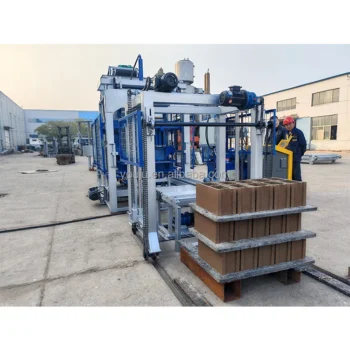
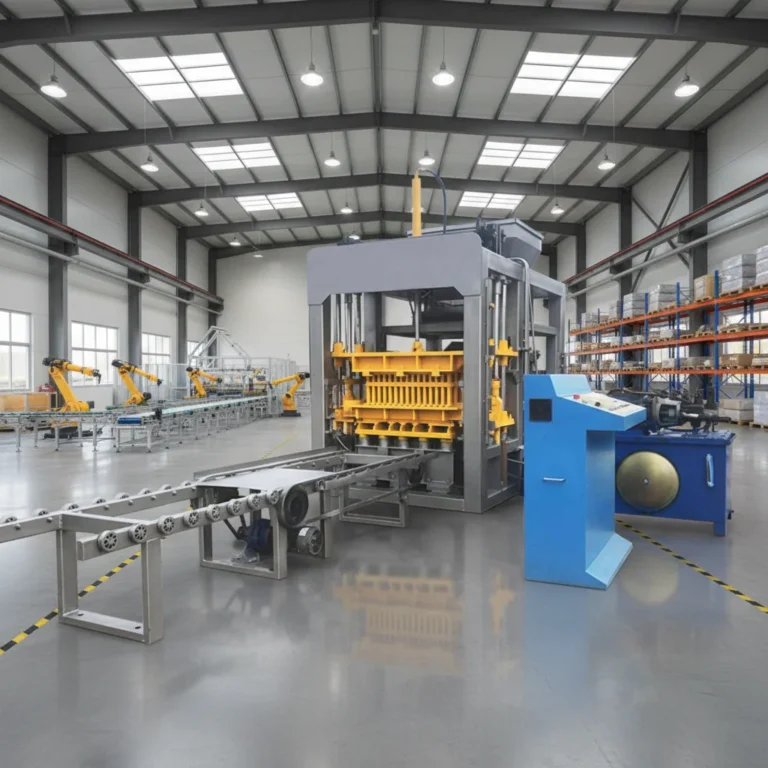
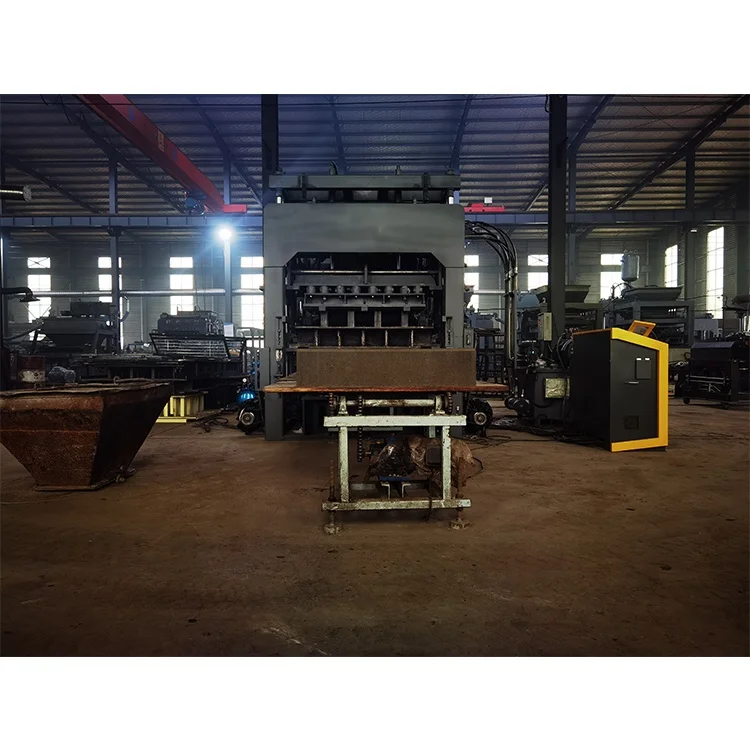
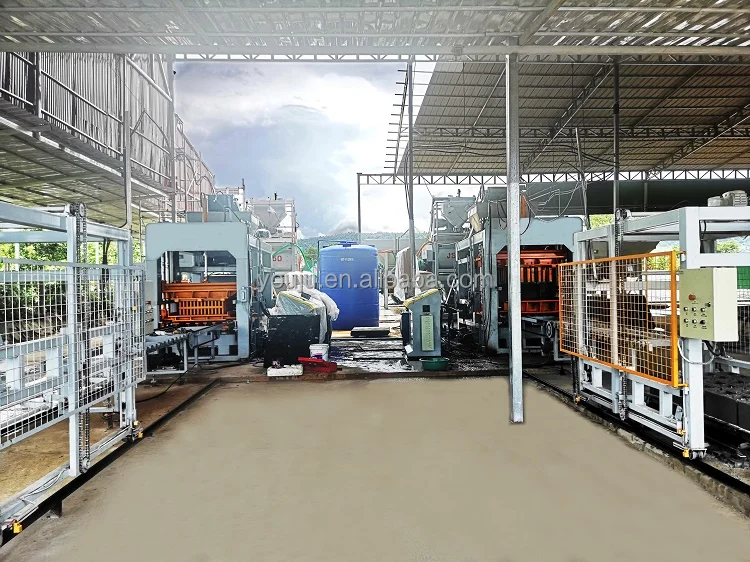
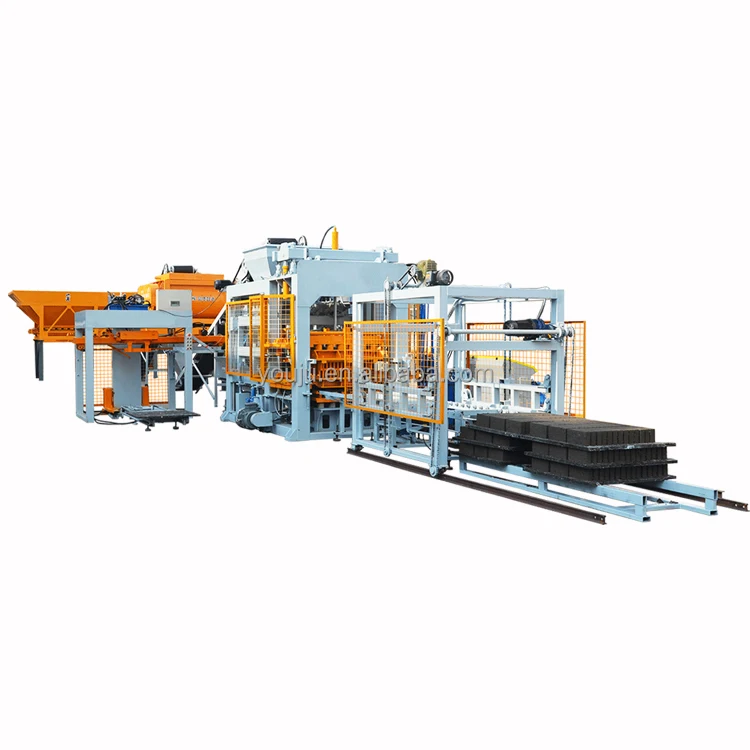
Rapid Dispatch Readiness — QT8-15 units prepared for container loading with standard mould sets and verified hydraulic circuits, reducing port-to-site downtime for deadline-driven projects.
Technical Specifications
| Parameter | Value |
|---|---|
| Model | QT8-15 |
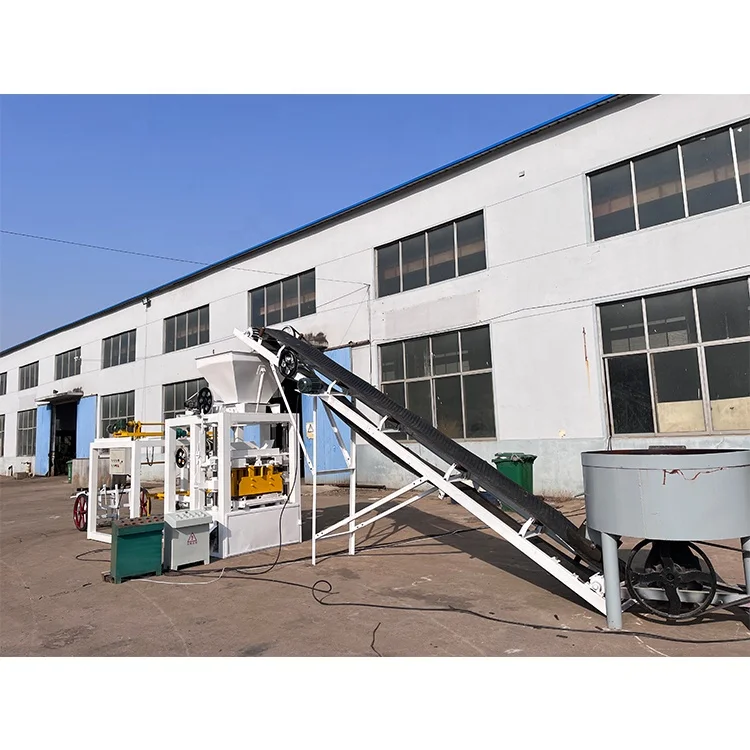
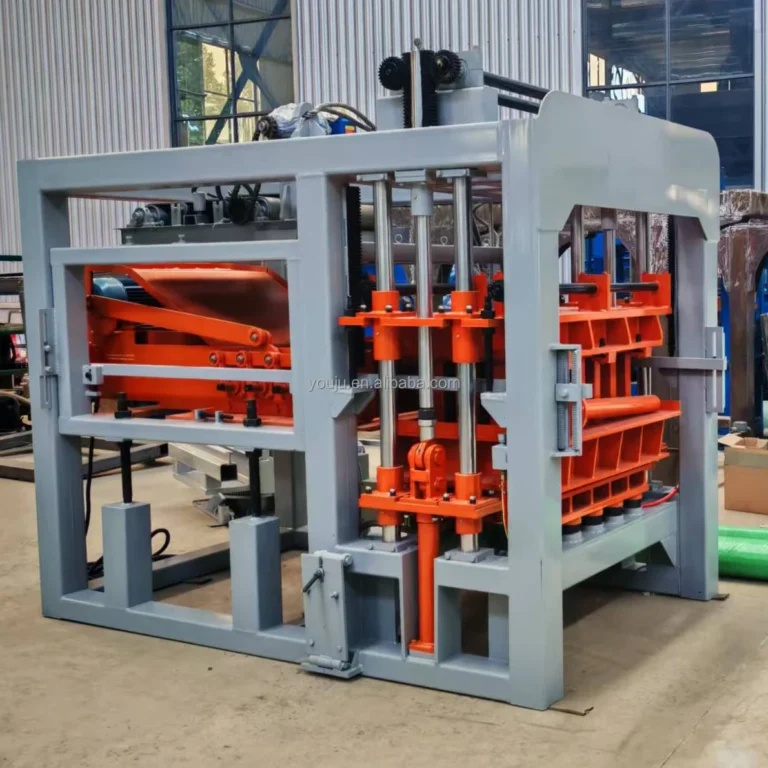
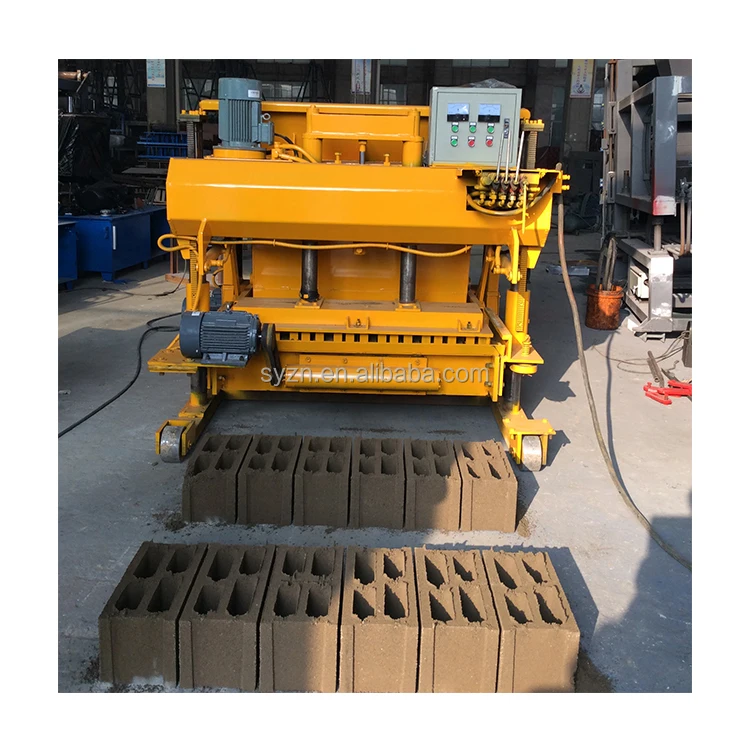
| Product Type | Automatic Hydraulic Concrete Block Making Machine |
| Overall Dimensions (L×W×H) | 8300×1860×3000 mm |
| Rated Pressure | 21 MPa |
| Main Vibration Form | Platform Vibration |
| Vibration Frequency | 2800~4500 r/min |
| Vibration Force | 60 kN |
| Pallet Size | 950×900 mm |
| Molding Cycle | 15–25 s (basis not stated in source — confirm block format) |
| Overall Power | 55.5 kW |
| Total Mass | 9 T |
| Demolding Method | Hydraulic |
| Control System | PLC with human-machine interface |
| Automation Level | Fully automatic (automatic raw material feeding and block stacking) |
| General Water Consumption | 12 T/Day |
| Factory Area | 600 m² |
Application Suitability
| Application | Material or Output |
|---|---|
| Hollow Block Production | Crushed stone, sand, cement, fly ash |
| Solid Block Manufacturing | Gravel, slag, cement blends |
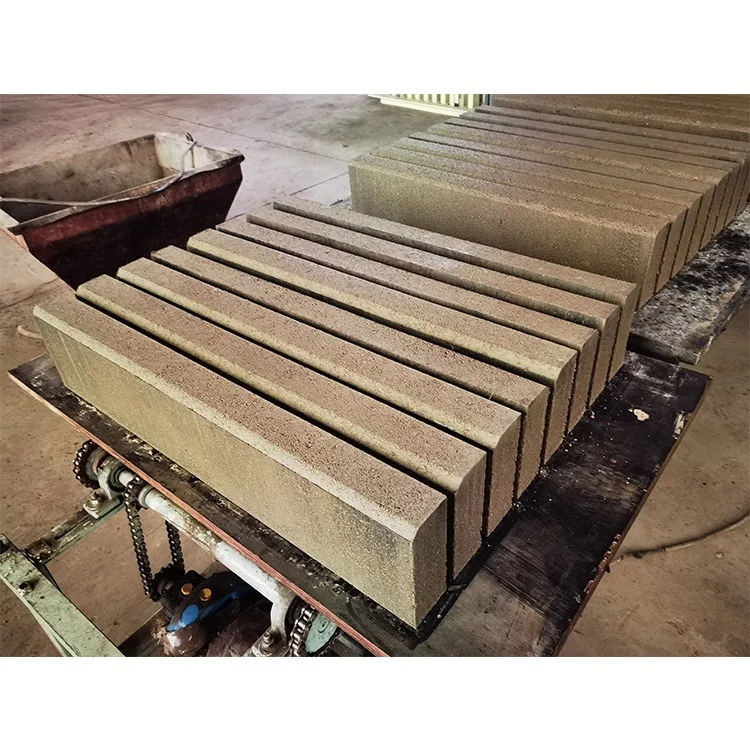
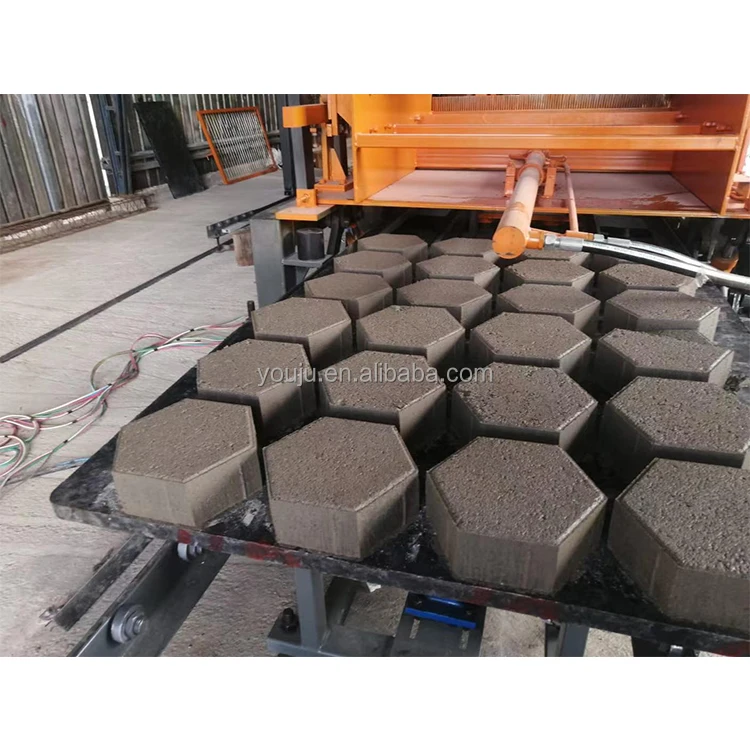
| Paving Block & Colored Paver | Fine aggregates with pigment additives |
| Interlocking Brick & Curbstone | Coarse aggregate mixes with hydraulic compaction |
| On-Site Contractor Production | Local raw material sourcing for project-specific formats |
Why the Dispatch Clock Starts Before the Machine Ships
A stocked QT8-15 block machine in stock only matters if the moulds, pallets, and electrical configuration are ready the same day.
Project timelines in construction do not wait for factory lead times. When a contractor commits to a housing milestone or a distributor promises regional buyers a fast delivery window, the gap between order confirmation and container departure becomes the real bottleneck. I have watched entire crews stand idle because a machine arrived with the wrong voltage configuration or without the mould set the buyer actually needed [NEED_CITE: typical construction project penalty clauses for equipment delays]. The QT8-15 block machine in stock conversation must include which standard moulds are on the shelf and whether the PLC language matches the operators who will run it.
Container Loading and Dismantling for Transit
The QT8-15 automatic block machine ships with the main frame and hydraulic station separated for container loading, a process that requires matching the dismantling plan to the destination port’s handling equipment. Fast delivery means nothing if the receiver cannot unload and reassemble within the first week. Each major assembly is photographed before crating, and the packing list aligns with customs documentation so clearance does not add unexpected days at the port of entry.
Arrival Timing and Port-to-Site Logistics
When buyers ask about a QT8-15 block machine in stock, the honest answer includes transit time, not just dispatch date [NEED_CITE: average ocean freight durations by destination region]. A machine leaving the factory floor in three days still crosses an ocean or continent before it reaches the plant site. Arrival estimates are quoted upfront with the container booking reference, so the buyer can align foundation work, electrical hookup, and raw material stockpiling to a realistic calendar rather than a hopeful one.
Matching Stock to the Buyer’s Actual Block Format
Stock availability means little if the standard moulds on the shelf do not match what the buyer’s market actually sells. The QT8-15 fast delivery advantage holds only when the hollow block, paver, or interlocking brick format is confirmed against inventory before the order is placed. Mould swaps after arrival cost weeks, not hours, and defeat the purpose of choosing a stocked unit in the first place.
What 15–25 Seconds Per Cycle Actually Means on Site
The molding cycle of 15–25 seconds is a range, not a guarantee, and the real number depends entirely on block format, wall thickness, and the mix design running through the hopper. A thin-walled hollow block may hit the lower end of that range, while a dense interlocking paver with high cement content pushes toward the upper limit. Platform vibration at 2800–4500 r/min combined with 21 MPa hydraulic pressure determines how quickly the mix consolidates — and whether the block holds its edge when the mould lifts. Buyers who skip the per-format capacity calculation often find their daily output falls noticeably short of what a single cycle time implied [NEED_CITE: block density standards by format and market].
Voltage, Frequency, and the Language on the Screen
The QT8-15 runs on a 55.5 kW total power draw, but the voltage and frequency must be confirmed against the buyer’s local grid before the machine leaves the factory. A 380V/50Hz machine plugged into a 440V/60Hz supply will not simply run slower — it will burn out motors and trip breakers within the first shift. The PLC human-machine interface also needs to display in a language the operators can read, because troubleshooting a fault code in an unfamiliar script adds hours of downtime to every minor alarm. These are not optional details; they are the difference between commissioning in days and commissioning in weeks.
The Cost of Skipping the Pallet and Curing Area Check
A 950×900 mm pallet seems like a minor specification until the machine arrives and the buyer discovers their existing curing racks and forklift are built for a different size. Pallets that do not match the curing area force a complete reorganization of the plant floor or a costly reorder of the entire pallet inventory. I have seen buyers in West Africa wait weeks for replacement pallets because the original order was placed without measuring the forklift fork width or the curing chamber depth [NEED_CITE: pallet handling compatibility in block plant layout]. The QT8-15 automatic stacking system is designed around this specific pallet dimension, and changing it after delivery is not a simple adjustment.
Why Sourcing from a Single-Focus Supplier Matters Here
Block machinery is the only product line here, which means the QT8-15 is specified as a matched system — machine, mould, pallet, and handling equipment — rather than assembled from separate vendors who do not communicate. The dispatch lead time quoted includes every component needed to run, because nothing is outsourced to a third party whose schedule might slip. Standard moulds are inventoried alongside the machines they fit, and the packing photograph set covers every crate before the container doors close. Factory test records are run on the buyer’s target block format, not a generic demonstration cycle, so the machine that ships is the machine that was proven to produce. Documentation arrives with the shipment, including hydraulic and electrical schematics, operation manuals, and the wear parts list that keeps the line running through the first replacement cycle.
Documentation & Verification
- Factory test record run on buyer’s confirmed block format before dispatch
- Hydraulic and electrical schematic matching the shipped QT8-15 configuration
- Pallet specification sheet cross-referenced with curing area dimensions
- Mould drawing and format list for every standard mould included in the order
- Packing photographs of each crate before container doors close
Installation, Commissioning & Support
- Foundation plan aligned to the 8300×1860 mm footprint and 9 T total mass
- Electrical hookup verified against confirmed voltage, frequency, and 55.5 kW draw
- Dismantled assembly state with reassembly sequence for on-site crews
- First-run parameter setting on the PLC for the buyer’s specific mix design
- Operator training on mould change procedure and hydraulic demolding cycle
- Random spare parts list verified against the wear parts inventory before crating
What to Include in Your Inquiry
Send the block format your market sells most, the daily output target, and the dimensions of your existing curing area and forklift. Confirm your local voltage, frequency, and the language your operators read on a control screen. If you have raw material samples or a current mix design, include those so the capacity calculation reflects what will actually run through the hopper — not a laboratory assumption.
Frequently Asked Questions
Q: Which QT8-15 models and standard moulds are currently in stock?
A: Stock availability changes with orders already in the pipeline. Before confirming, we check which QT8-15 units are on the floor and cross-reference the standard mould inventory against your target block format. A unit is only considered ready for fast delivery when both the press and the matching mould set are available simultaneously.
Q: What is the dispatch lead time and estimated arrival at my port?
A: Dispatch lead time depends on whether the QT8-15 block machine in stock requires voltage reconfiguration or language setup on the PLC. Once the container is booked, transit duration to your destination port is quoted alongside the booking reference so you can plan site preparation and customs clearance accordingly.
Q: How is the machine dismantled and loaded for shipment?
A: The QT8-15 is separated into major assemblies — main frame, hydraulic station, and stacking system — to fit standard container dimensions. Each component is crated and photographed before loading. The dismantling plan is shared with the buyer so the receiving team knows what handling equipment is needed at the port of entry.
Q: Are voltage, frequency, and PLC language confirmed before dispatch?
A: Yes. The 55.5 kW power system must match your local grid specification, and the PLC display must be set to a language your operators can read. These are confirmed in writing before the QT8-15 leaves the factory, because correcting either after arrival causes significant commissioning delays.
Q: What customs and shipping documentation comes with the machine?
A: The shipment includes a commercial invoice, packing list, bill of lading, and factory test record. Customs documentation support is provided to match the import requirements of your destination country, and all documents are reviewed against the container packing photographs before departure.