
Description
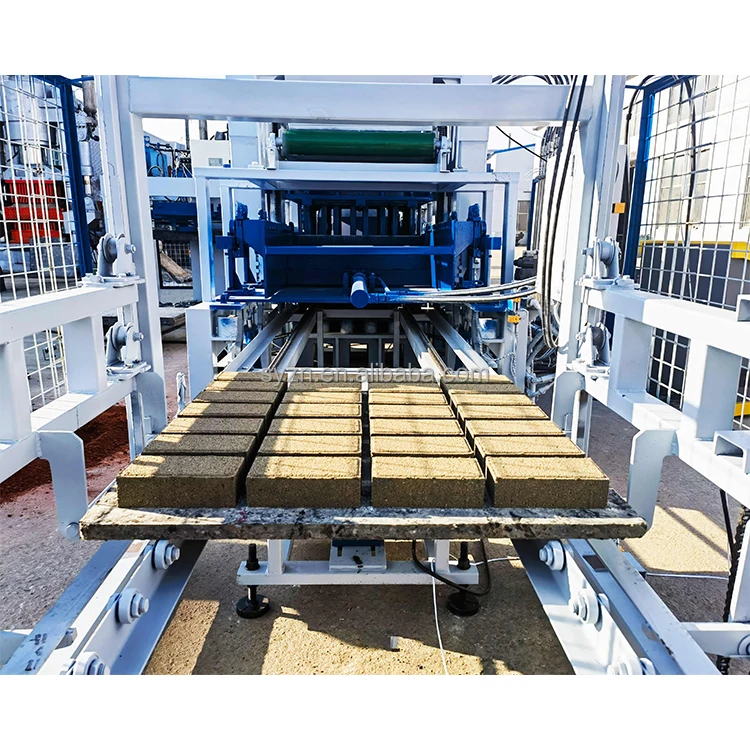
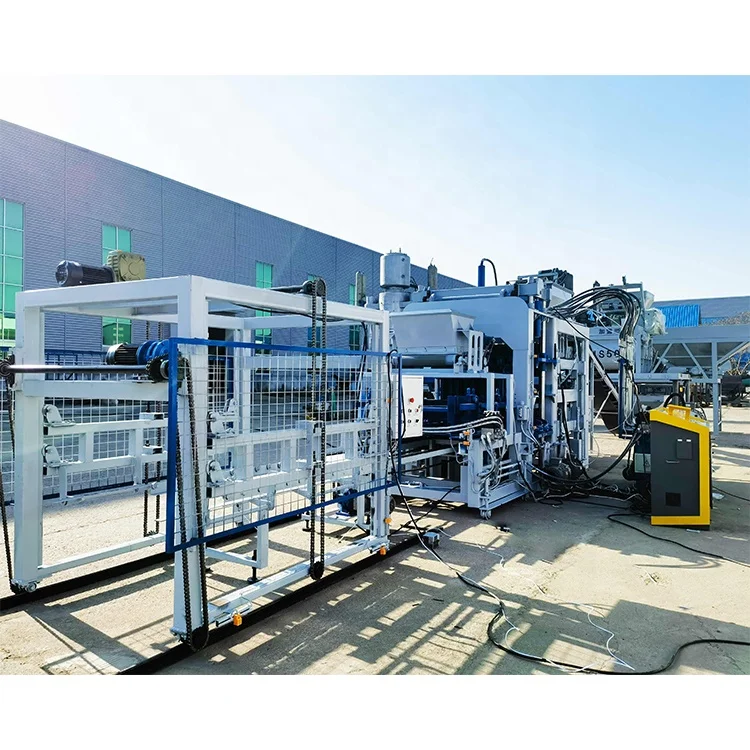
Stocked for Dispatch — QT8-15 units held in Linyi yard ready for container loading, with standard moulds and dismantling plans confirmed at order to match your project deadline.
Technical Specifications
| Parameter | Value |
|---|---|
| Product Type | Hydraulic Concrete Block Making Machine |
| Model | QT8-15 |
| Overall Dimensions (L×W×H) | 8300×1860×3000 mm |
| Rated Pressure | 21 MPa |
| Main Vibration Form | Platform Vibration |
| Vibration Frequency | 2800–4500 r/min |
| Vibration Force | 45 kN |
| Pallet Size | 950×900 mm |
| Molding Cycle | 15–20 s (basis not stated in source — confirm block format / material / thickness) |
| Overall Power | 55.5 kW |
| Total Mass | 8 T |
| Demolding Method | Hydraulic |
| Recommended Factory Area | 300 m² |
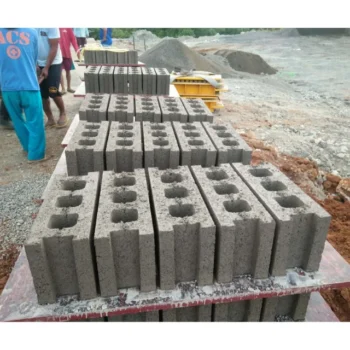
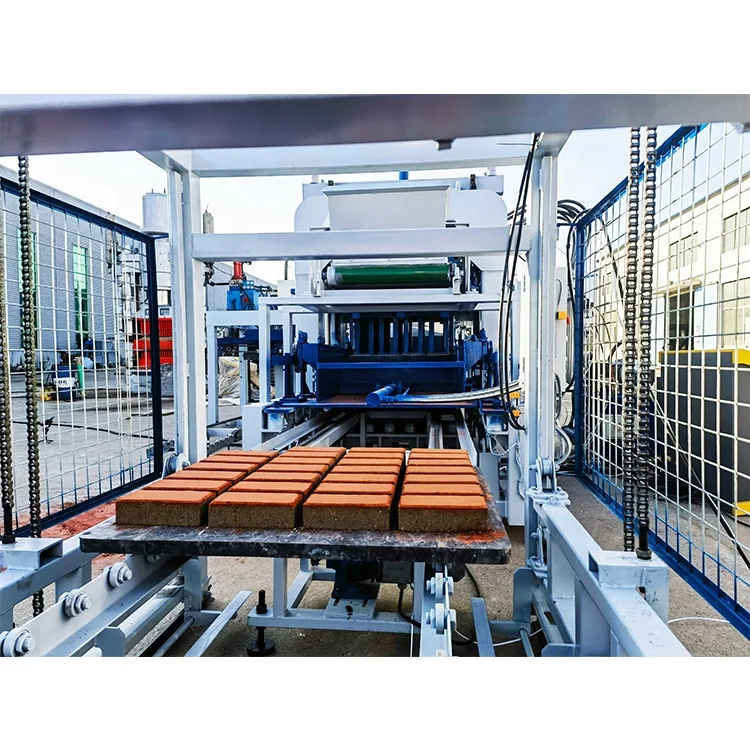
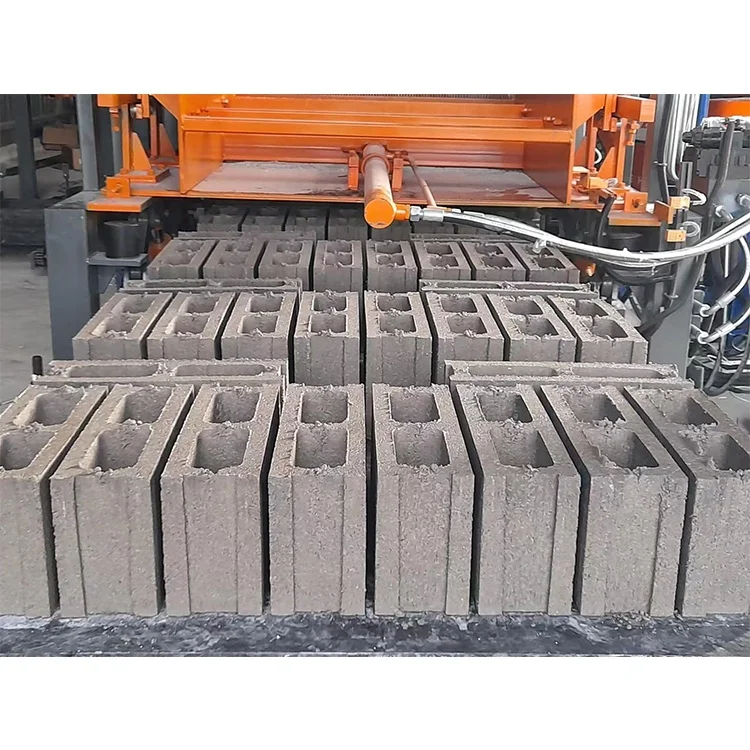
| Applied Products | Concrete hollow blocks, solid blocks, pavers, interlocking blocks, curbstone, colored pavers |
| Raw Materials | Crushed stone, sand, cement, dust, fly ash, gravel, slag |
| Warranty | 1 year (excluding spare parts) |
Application Suitability
| Application | Material or Output |
|---|---|
| Hollow block production for wall construction | Crushed stone, sand, cement, fly ash |
| Solid block manufacturing for load-bearing structures | Gravel, sand, cement blends |
| Paving block and colored paver runs | Fine aggregates with pigment additives |
| Interlocking brick and curbstone forming | Slag, dust, and local aggregate mixes |
Why "Ready to Ship" Matters More Than Cycle Time Claims
A stocked QT8-15 concrete block making machine in stock shortens the gap between order and first production run — but only if the container plan is locked before the balance payment.
I once watched a contractor in Central America lose three weeks because the moulds and pallets were loaded into a second container that sailed on a later vessel. The press arrived, sat on the dock, and the crew had nothing to press. When a buyer is working against a project deadline, the QT8-15 concrete block making machine in stock must ship as one coordinated load, not a collection of line items that get split across sailings [NEED_CITE: container loading coordination for heavy industrial machinery]. Dispatch lead time and arrival estimate should be written into the proforma, not guessed after the machine leaves the yard.
Container Loading and Dismantling Arrangements
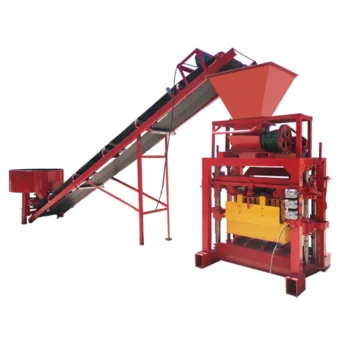
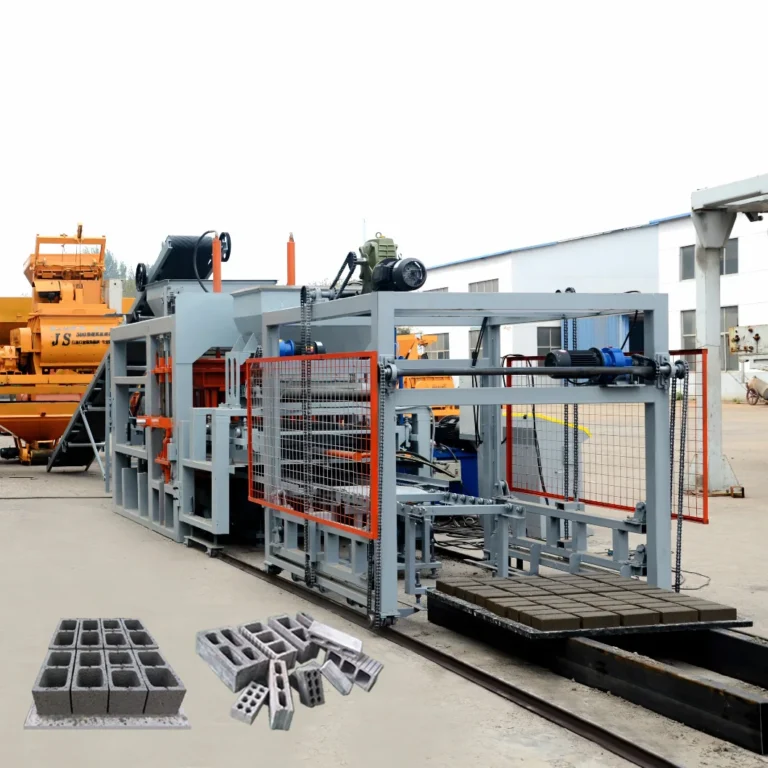
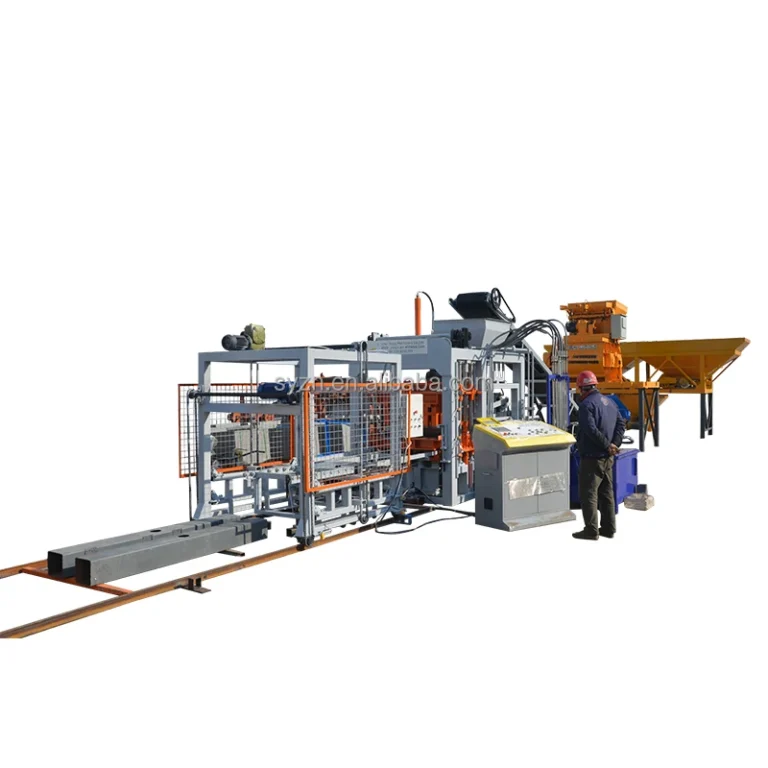
The QT8-15 weighs 8 T and measures over 8 meters in length, which means the main frame cannot simply be rolled into a standard container. The press is dismantled at the yard into a base frame, vibration platform, and hydraulic head assembly so it fits flat against the container floor. Moulds, pallets, and the hydraulic power unit are crated and positioned to distribute weight across the axle limits. When you request a QT8-15 concrete block making machine in stock, the loading plan should be reviewed before dispatch to confirm nothing critical is left behind.
Dispatch Timing and Arrival Estimates
Stocked units shorten the production wait, but ocean transit still governs the final arrival. A typical sailing from Qingdao to a West African port takes several weeks, while Latin American routes can stretch longer depending on transshipment. We quote an estimated arrival date against your destination port at the time of order, so you can plan foundation work and raw material procurement without guessing. Any vessel change by the port agent is tracked, and the container loading plan is reworked if needed to keep the shipment intact [NEED_CITE: ocean freight transit variability by destination region].
What the Vibration and Pressure Figures Mean on the Block Yard
The platform vibration system runs between 2800 and 4500 r/min, delivering up to 45 kN of vibration force. That force compacts the aggregate mix into the mould cavity, while the 21 MPa rated hydraulic pressure pushes the head down to lock the shape before demolding. Together, these two parameters determine block density and edge definition. A mix with coarse crushed stone needs the upper end of the frequency range to settle properly, whereas a fly-ash-heavy blend may require a lower frequency to avoid segregation. The 950×900 mm pallet size defines how many blocks fit per cycle, but the actual count depends on the mould layout chosen — a hollow block mould fills fewer cavities than a paver mould on the same pallet. Buyers should confirm the pallet dimensions against their existing curing racks and forklift fork width before the machine ships.
The Cost of Skipping the Pallet and Voltage Check
I have seen pallets arrive in a width that did not match the curing racks already welded on site, forcing the buyer to rebuild the entire rack system before production could start. Voltage and frequency are equally easy to overlook — a machine wired for 380 V / 50 Hz will not run on a 440 V / 60 Hz supply without transformer intervention, and the PLC display language must match the operators who will run it [NEED_CITE: industrial voltage and frequency standards by export market]. These oversights do not show up in the brochure, but they stall commissioning and burn through project float.
Why Buyers Source This Model from Our Yard
Block machinery is the single product focus, so the press, mould, pallet, and handling equipment are specified as one matched set rather than assembled from separate suppliers. The configuration is checked against the buyer’s local aggregate and target block format before crating. Standard moulds for hollow blocks and pavers are held alongside the stocked machines, reducing the wait for the most common formats. The automation level is selectable, allowing a buyer to start with manual pallet handling and add stacking later. Packing photographs and customs documentation are provided before the balance payment so there are no surprises at the port.
Documentation & Verification
- Factory test record on the buyer’s target block format before dispatch
- Container loading plan showing mould and pallet placement confirmed at order
- Voltage, frequency, and PLC language confirmation sheet signed before crating
- Hydraulic and electrical schematic matching the shipped configuration
- Packing photographs and customs documentation support provided pre-shipment
Installation, Commissioning & Support
- Foundation must support the 8 T mass and 8.3 m length across the vibration platform footprint
- Dedicated power circuit sized for 55.5 kW total draw with confirmed voltage and frequency
- Machine reassembled from dismantled base frame, vibration platform, and hydraulic head on site
- First-run parameter setting covers vibration frequency, hydraulic pressure, and cycle timing per block format
- Operator training on mould change procedure and daily maintenance of hydraulic and vibration components
- Wear parts list and first replacement schedule provided with the shipped mould set
Before You Send the Inquiry
To confirm availability and match the machine to your project, share the block formats you need to produce, the local aggregate sources you plan to use, and the daily output target tied to a specific block size. Let us know your destination port so we can quote a realistic arrival estimate, and confirm the voltage, frequency, and PLC display language your site requires.
Frequently Asked Questions
Q: Which QT8-15 configurations and moulds are currently in stock versus made-to-order?
A: Stocked units include the standard QT8-15 press with platform vibration and hydraulic demolding. Common hollow block and paver moulds matching the 950×900 mm pallet are typically available from the yard. Custom mould formats or non-standard automation additions require a production lead time that we confirm at inquiry.
Q: What is the realistic dispatch lead time and estimated arrival at my port?
A: Stocked machines can be crated and dispatched within a short window after order confirmation. Ocean transit to your destination port depends on the shipping route and any transshipment stops. We quote an estimated arrival date against your port at the time of order so you can plan accordingly.
Q: How is the machine dismantled and loaded into the container?
A: The QT8-15 is broken down into the base frame, vibration platform, and hydraulic head to fit within container dimensions. Moulds, pallets, and the hydraulic power unit are crated separately and positioned to balance weight. Reassembly on site requires lifting equipment and follows the provided schematic.
Q: What voltage, frequency, and PLC language options can be confirmed before shipment?
A: These are confirmed at order and documented before crating. The buyer provides the site voltage, frequency, and preferred PLC display language. We wire and configure accordingly, then issue a confirmation sheet that matches the shipped machine so there are no commissioning delays on arrival.
Q: Which spare parts and moulds ship with the machine, and what is the lead time for first replacements?
A: A wear parts list and the mould set specified at order ship inside the same container. Replacement moulds and hydraulic wear items are produced on request, with lead time quoted at inquiry. We recommend confirming the first replacement schedule during commissioning to avoid unplanned downtime.