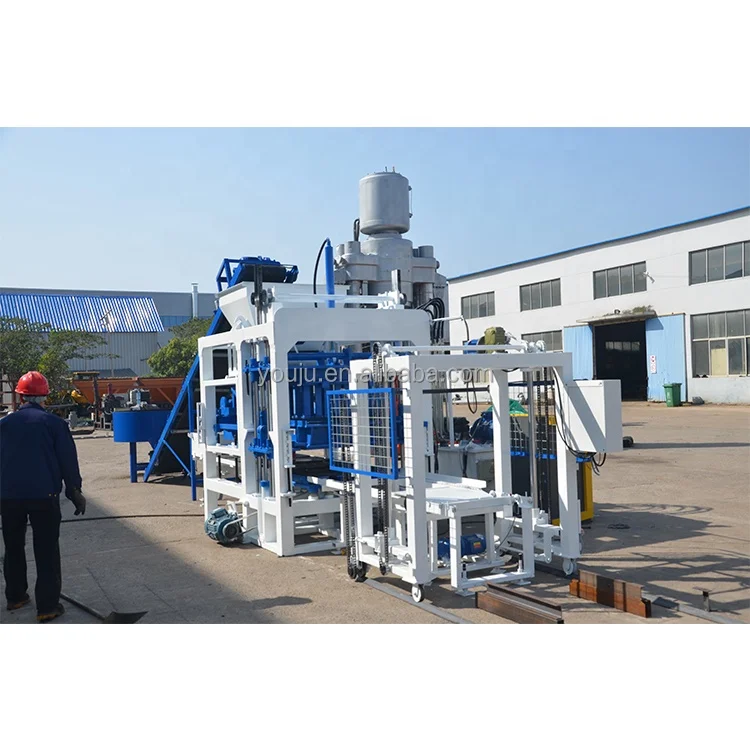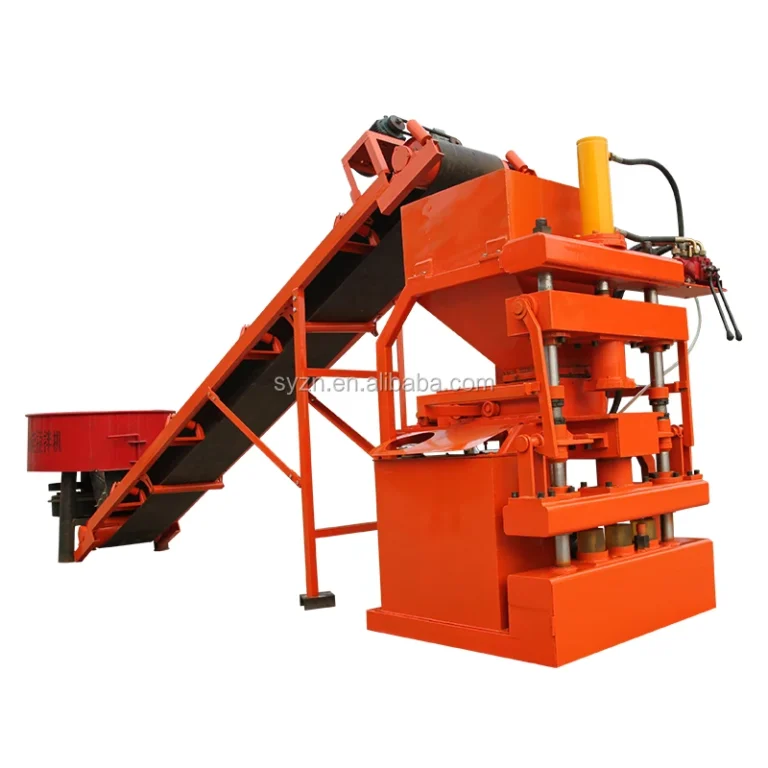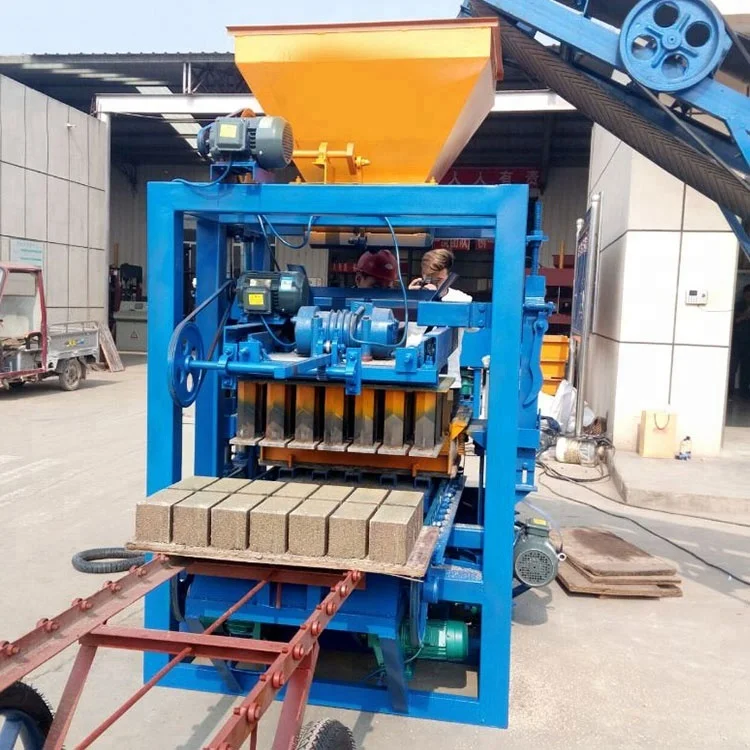
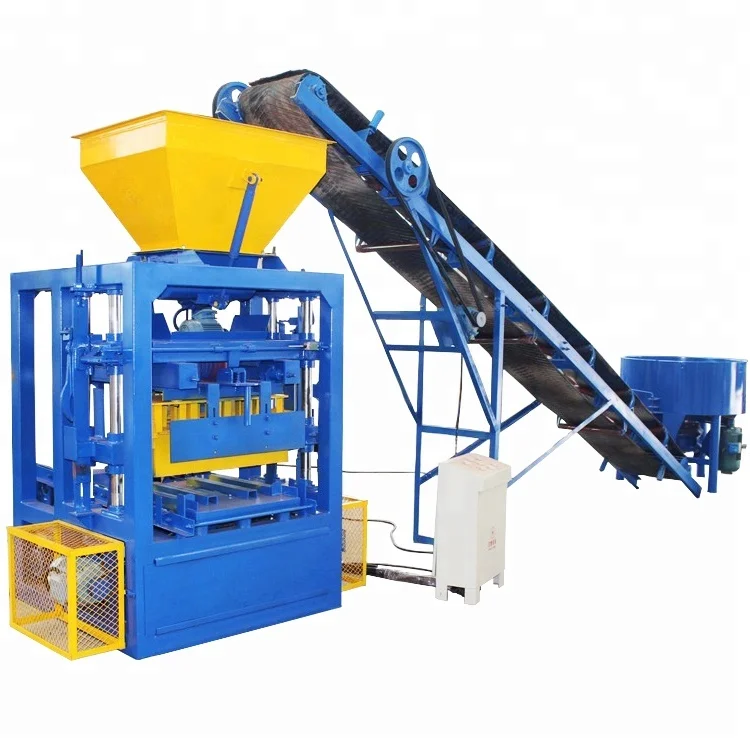



Description
Dispatch-Ready Inventory — every QTJ4-24 unit ships with pallet size, voltage, and mould format confirmed in writing before the balance payment clears.
Technical Specifications
| Parameter | Value |
|---|---|
| Model | QTJ4-24 |
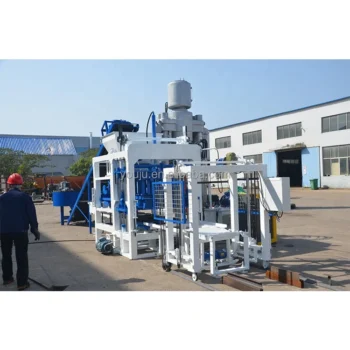
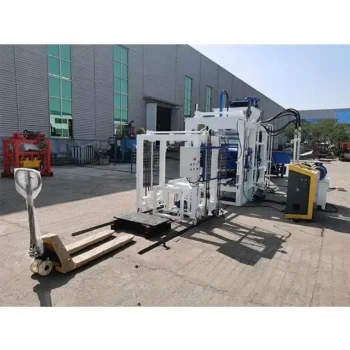
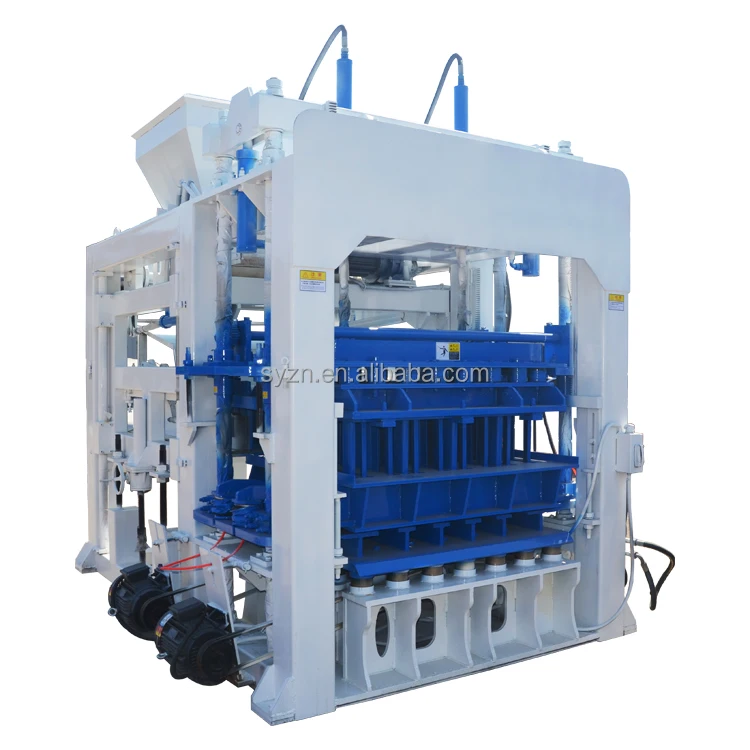
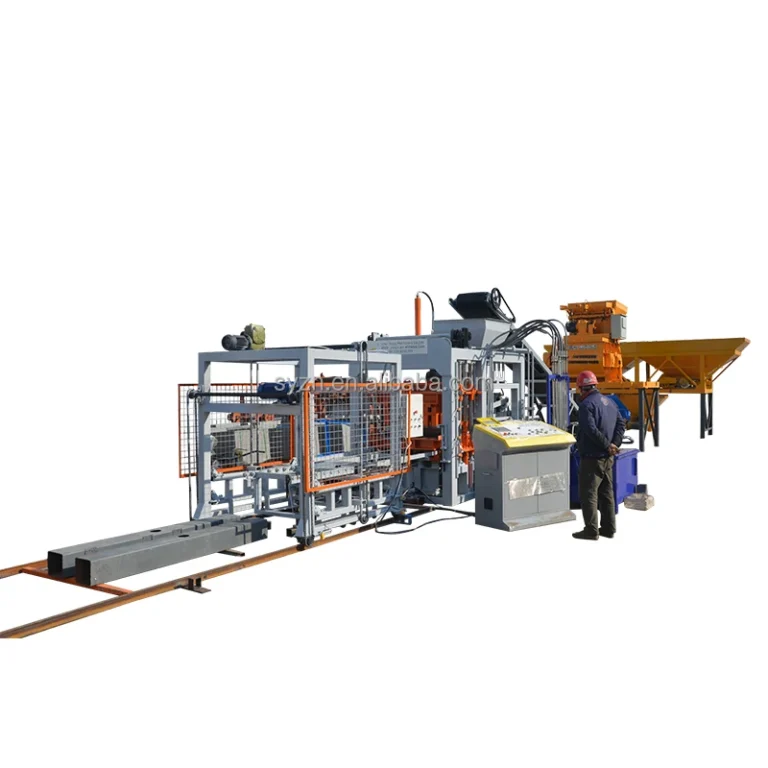
| Product Type | Semi-Automatic Concrete Block Making Machine |
| Overall Dimensions (L×W×H) | 2060×1730×2580 mm |
| Main Vibration Form | Platform vibration |
| Vibration Frequency | 4200 r/min |
| Exciting Force | 35.5 kN |
| Rated Pressure | 15 MPa |
| Pallet Size | 880×480×38 mm |
| Molding Cycle | 26 s (basis not stated in source — confirm block format, material, and thickness) |
| Total Power | 14.25 kW |
| Voltage & Frequency | 380V, 3-phase, 50Hz (customizable to local supply) |
| Automation Level | Semi-automatic |
| Mould System | Exchangeable moulds |
| Control Technology | Frequency converting control |
| Warranty | 1 year (excluding wearing parts) |
Application Suitability
| Application | Material or Output |
|---|---|
| Hollow block production for residential walls | Crushed stone, river sand, and cement mix |
| Solid block manufacturing for load-bearing structures | Local aggregate with Portland cement binder |
| Paving block and road block production | High-density concrete mix with fine aggregate |
| On-site contractor block making | Project-sourced aggregate and cement at construction locations |
| Small-to-medium plant daily production | Multiple block formats through exchangeable mould changes |
What "In Stock" Actually Means When You Need a QTJ4-24 Semi-Automatic Block Machine Fast
A stocked machine only saves your timeline if every peripheral component and electrical specification is confirmed before it leaves the factory floor.
I have watched containers arrive at port with the right press inside but the wrong voltage wiring, pallets that do not fit the buyer’s existing curing racks, or moulds that produce a format the local market does not purchase. The machine itself was available immediately. The delay came from everything around it — the details that should have been locked down at inquiry stage. When a contractor is working against a construction season deadline, those oversights cost weeks of idle labor and missed delivery windows [NEED_CITE: common commissioning delays caused by unconfirmed voltage and pallet specifications in exported block machinery].
Dispatch Timeline From Inquiry to Container Loading
The typical path from first inquiry to container loading for a QTJ4-24 semi-automatic block machine in stock fast delivery scenarios starts with confirming your local aggregate type, target block format, and site electrical supply. Once those three items are locked, the warehouse allocation and container loading plan follow within days rather than weeks. Standard moulds for hollow and solid blocks ship from inventory, while custom format moulds carry their own production lead time that must be factored into the overall schedule.
Container Loading and Machine Dismantling for Transit
Every QTJ4-24 semi-automatic block machine in stock fast delivery is photographed during packing, and the loading plan specifies how the main frame, hydraulic station, and control panel are secured inside the container. The machine ships partially dismantled to maximize container space and protect vibration-sensitive components during ocean freight. Buyers receive packing photographs and a reassembly sequence so that on-site crews know exactly which bolts to tighten first and which hydraulic lines to connect before powering up [NEED_CITE: standard container loading procedures for semi-automatic block making equipment].
Why Vibration Frequency and Pallet Size Matter Before Shipment
The QTJ4-24 runs platform vibration at 4200 r/min with an exciting force of 35.5 kN, which determines how densely the concrete mix is compacted into each mould cavity. This vibration profile must match the buyer’s actual mix design — a high-clay local aggregate absorbs vibration differently than clean crushed stone, and mismatched settings produce weak blocks that crumble during curing. The 880×480×38 mm pallet size is another specification that must align with the buyer’s existing curing area dimensions and forklift capacity. Shipping a machine with pallets that do not match the curing racks already installed on site creates a bottleneck that no amount of on-site adjustment can solve quickly. The frequency converting control system reduces starting current draw, which matters when the buyer’s site transformer has limited headroom for motor startup surges across the full production line.
The Cost of Skipping Pre-Shipment Configuration Checks
When voltage and frequency are assumed rather than confirmed in writing before production, the machine arrives with motors wound for 380V/50Hz into a market running 440V/60Hz, and commissioning stalls until replacement motors are sourced locally or shipped from the factory. Pallet size mismatches mean the buyer either replaces their curing racks or orders new pallets — both options add cost and delay to a project that was already behind schedule. Moulds that produce a block format the local market does not demand sit unused while the buyer waits weeks for a replacement mould to be manufactured and shipped [NEED_CITE: financial impact of specification mismatches in imported construction machinery].
Why Buyers Working to a Deadline Choose This Supply Chain
Single-focus block machinery sourcing means the press, mould, pallet, and handling equipment are specified as one matched system rather than assembled from separate suppliers who each ship on their own timeline. Dispatch lead time is quoted at inquiry stage, not discovered after the deposit is paid. Container loading plans and machine dismantling methods are provided with the quotation so buyers know the exact arrival condition. Voltage, frequency, and control language are confirmed in writing before the machine leaves the factory, eliminating the most common commissioning delays. Factory test records and packing photographs ship with the documentation package so customs clearance at the destination port proceeds without requests for additional certificates.
Documentation & Verification
- Factory test record run on your specified block format before dispatch
- Voltage and frequency confirmation sheet signed prior to assembly
- Container loading plan with pallet count and securing method detailed
- Packing photographs taken at each loading stage for your records
- Customs documentation package prepared for destination port clearance
- Operation manual with mould change and daily maintenance procedures
Installation, Commissioning & Support
- Foundation slab must support 2060×1730 mm footprint with level tolerance for vibration stability
- Dedicated 3-phase circuit rated for 14.25 kW total power draw confirmed before arrival
- Partially dismantled frame reassembled on site following included bolt-torque sequence
- Vibration frequency and feed timing calibrated to your local aggregate during first production run
- Exchangeable mould system trained on site so format changes take minutes rather than hours
- Wearing parts list and reorder procedure provided for vibration platform and hydraulic seals
What to Prepare Before You Request a Quote
Send your target block format, the local aggregate type available on your project site, and your existing electrical supply specifications including voltage and frequency. If you already have curing racks and forklifts on site, share the pallet dimensions those systems accept so the QTJ4-24 ships with compatible pallets from day one. Confirm your preferred control panel language and whether any upstream mixing or downstream stacking equipment is already installed and needs to interface with the new press.
Frequently Asked Questions
Q: Which QTJ4-24 configurations are currently in stock and what is the dispatch lead time?
A: Standard configurations with 880×480×38 mm pallets and exchangeable hollow and solid block moulds ship from inventory. Dispatch lead time is quoted at inquiry based on your voltage and frequency requirements, since custom electrical configurations require motor replacement before loading. We confirm the exact ship date in writing once your specifications are finalized.
Q: How is the machine prepared for container loading and what condition does it arrive in?
A: The main frame, hydraulic station, and control panel are partially dismantled and secured to protect vibration-sensitive components during ocean transit. You receive a container loading plan and packing photographs before the container seals. On-site reassembly follows a documented sequence with bolt-torque values and hydraulic line connections specified.
Q: Can voltage and frequency be customized and how does that affect delivery?
A: The default 380V/50Hz configuration can be changed to match your local supply standard. Voltage customization requires sourcing motors wound to your specification, which adds to the preparation timeline. We confirm the adjusted delivery date before you commit, so there are no surprises after the deposit is paid.
Q: What standard moulds are included and are additional formats available from stock?
A: Standard hollow and solid block moulds ship with stocked units. Additional formats such as paving blocks or interlocking bricks may be available from mould inventory or require a production run with its own lead time. We confirm mould availability alongside the machine dispatch date at inquiry stage.
Q: What documentation accompanies the shipment for customs clearance?
A: Each shipment includes a factory test record, voltage confirmation sheet, operation manual, packing list, and commercial invoice formatted for your destination port requirements. We prepare customs documentation support based on your import regulations and confirm the document package before the container departs.