

Sand Screening Machine for Sale: Shiyue Factory Direct Price & Bulk Supplier
Most plant managers assume the steel frame holds the most scrap value; in reality, the vibration exciters and hydraulic pumps often yield three times the return if handled correctly.
Proper end-of-life disposal of a Sand Screening Machine for Sale is not merely a waste management task but a final opportunity to recover hidden asset value and ensure environmental compliance for future project bids. The core strategy involves a systematic dismantling sequence that prioritizes high-value components like motors and hydraulics before addressing structural steel, while strictly adhering to local regulations for hazardous materials like hydraulic oil and worn rubber screens. This approach transforms a potential cost center into a partial funding source for new equipment upgrades.
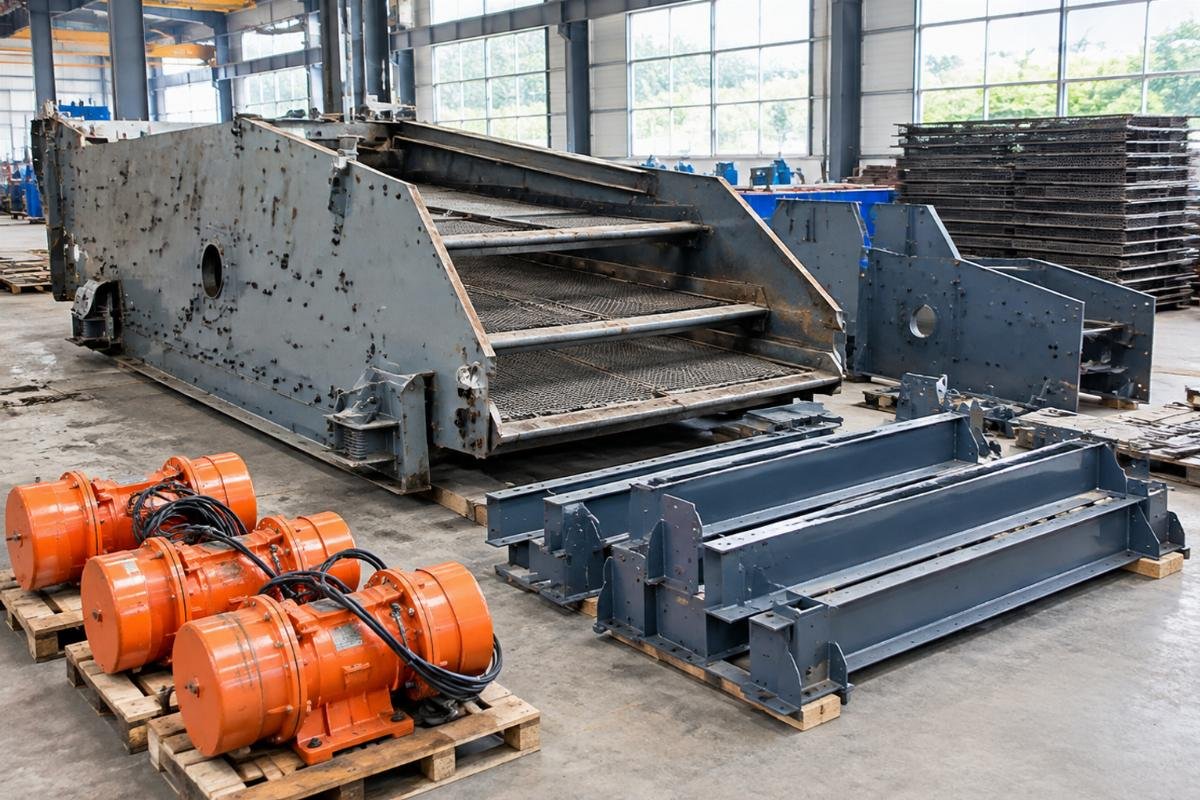
Having spent years on installation sites from Lagos to Lima, I have seen too many contractors treat old equipment as simple junk. The difference between a loss and a break-even scenario often lies in the order of operations during teardown. When we replaced an older QT-series line in West Africa, the initial quote for bulk scrap metal was disappointing. It was only after we isolated the vibration motors and tested them for resale as used spare parts that the recovery value jumped significantly. This experience highlights why understanding the component hierarchy is critical when managing the lifecycle of any Sand Screening Machine for Sale.
Why Proper Disposal Matters for Your Bottom Line?
The decision to dispose of screening equipment is usually driven by the need for higher capacity or newer technology, but the financial impact extends beyond the purchase price of the new unit. Many buyers view disposal as a pure expense, yet a structured decommissioning process can offset a noticeable portion of the new machine’s installation cost. [NEED_CITE: industrial equipment residual value recovery methods]
In emerging markets, where capital efficiency is paramount, every dollar recovered from old assets improves the ROI of the new investment. For instance, when upgrading to automated lines, the funds recovered from selling functional components of the old manual or semi-auto units can directly contribute to the down payment or auxiliary systems of the new plant. This is not just about recycling; it is about asset liquidity.
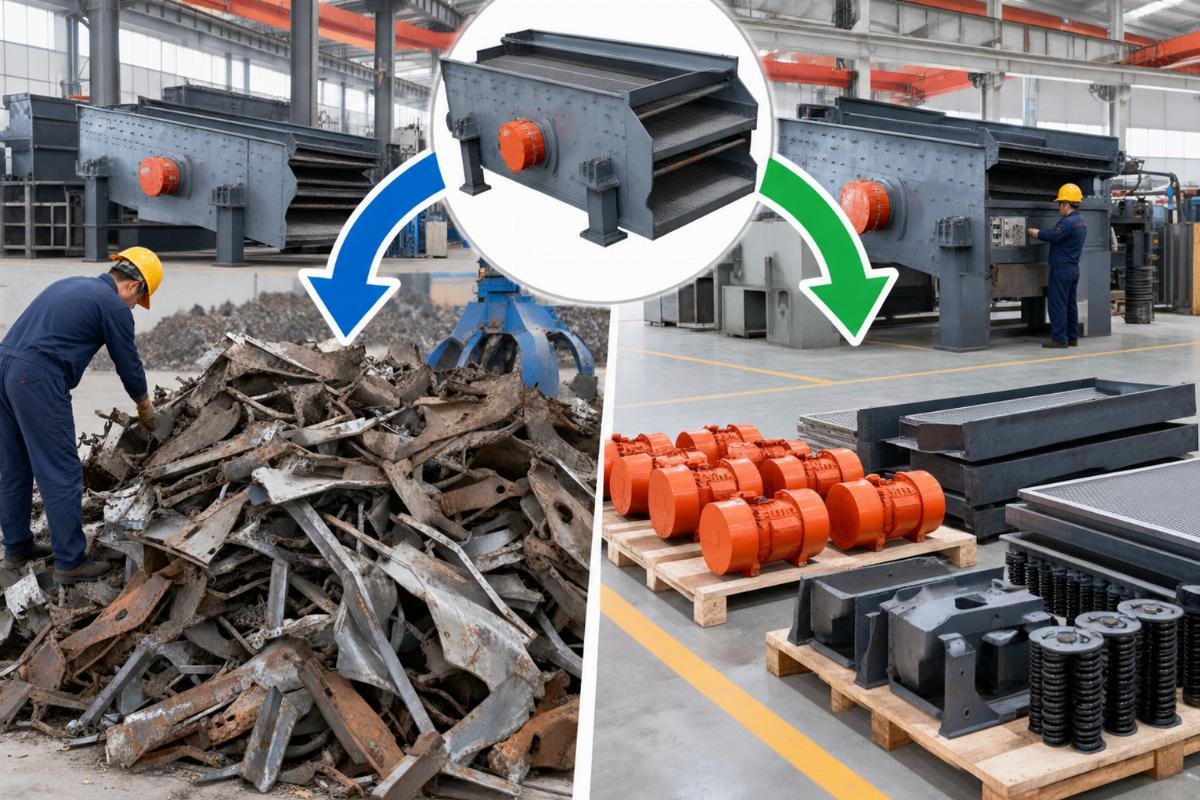
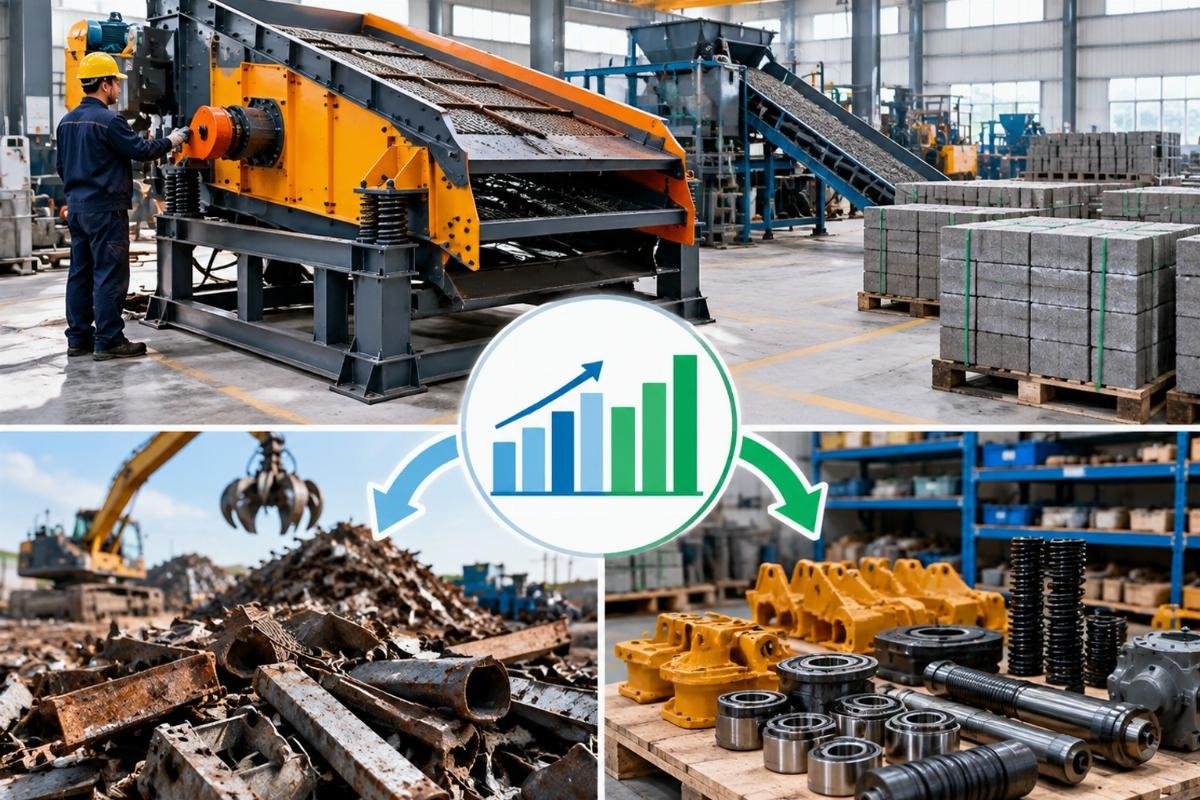
Consider the case of a precast factory renovation in Latin America. The team initially planned to drag the old mobile screening units to a local scrapyard by weight. However, after assessing the hydraulic systems and sieve decks, they realized that selling specific wear parts to smaller operators yielded a much higher return than bulk metal prices. This shift in perspective turned a logistical burden into a revenue stream. When evaluating a Sand Screening Machine for Sale, smart investors already factor in this end-of-life value recovery potential.
Step-by-Step Dismantling for Maximum Recovery?
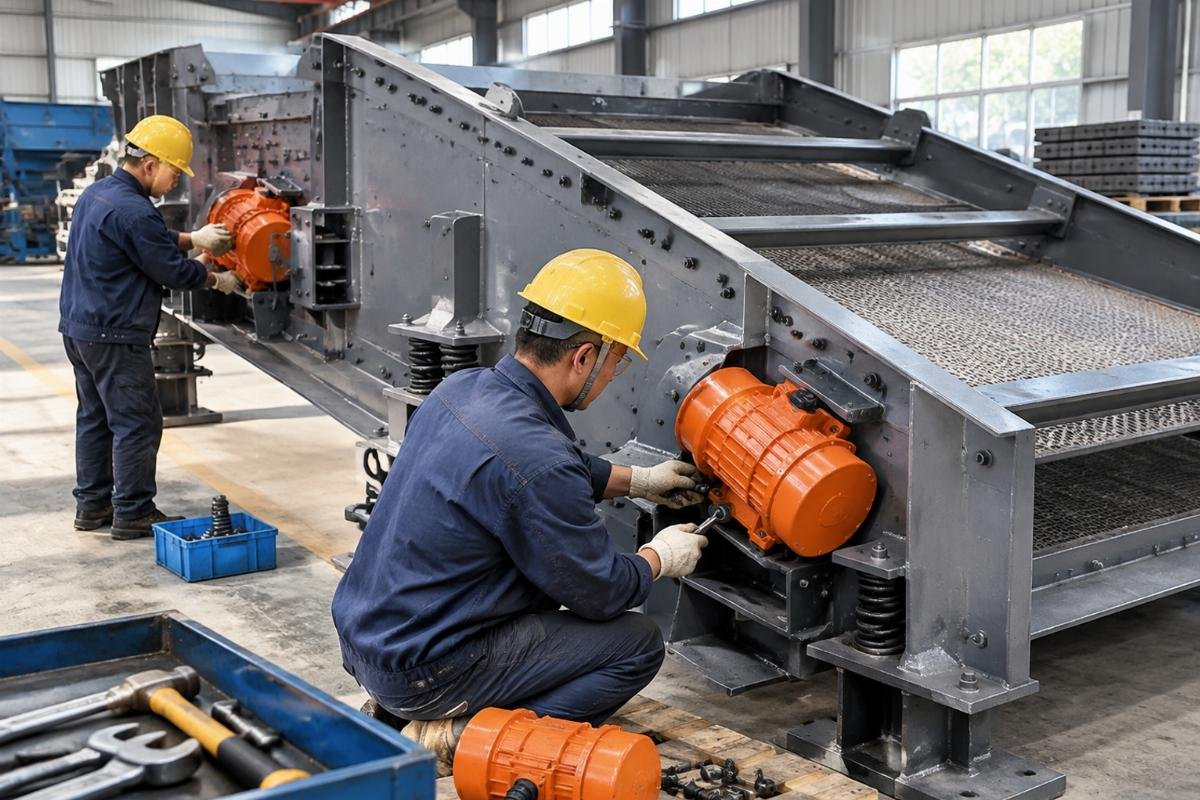
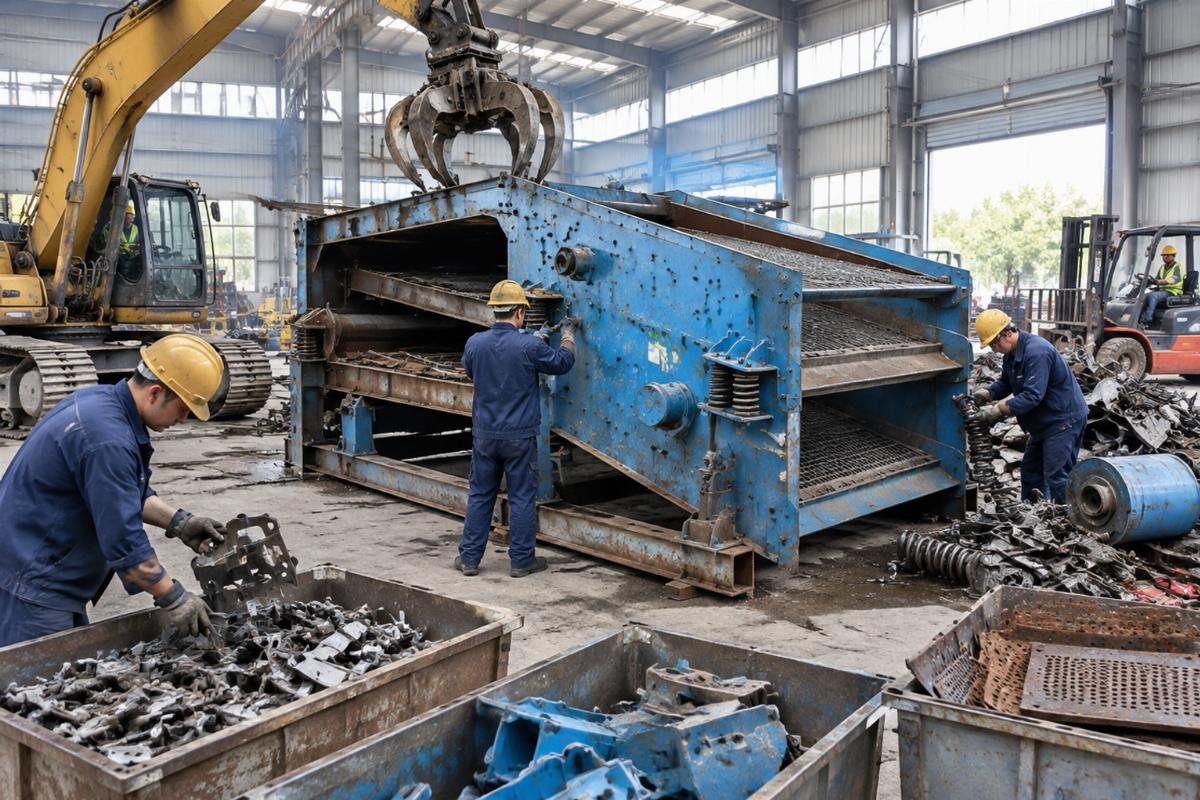
Dismantling a vibrating screen is not a random act of demolition; it is a reverse-engineering process that must follow a specific sequence to preserve component integrity. The goal is to extract high-value items without damaging them, which requires a methodical approach rather than brute force. [NEED_CITE: safe dismantling procedures for heavy industrial machinery]
- Electrical System Isolation: Begin by disconnecting all power sources and removing control panels, sensors, and wiring harnesses. These components often contain copper and specialized electronics that have distinct recycling values separate from steel.
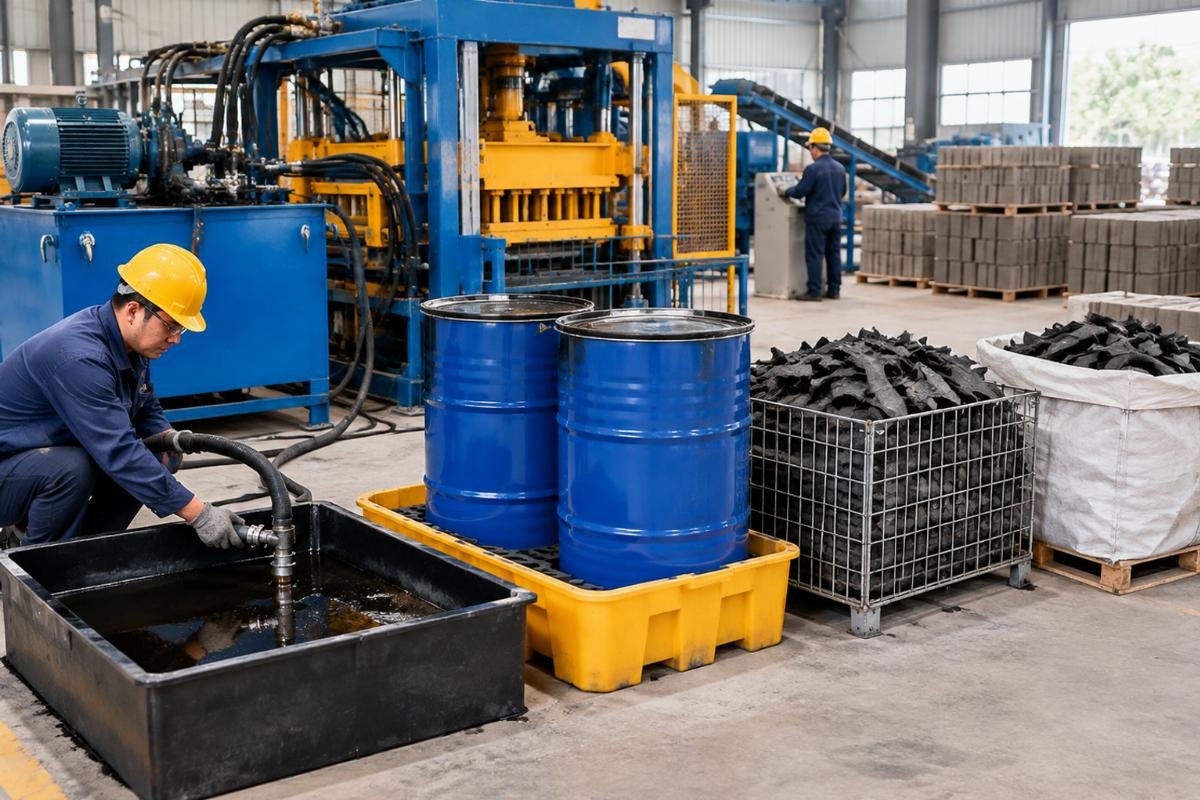
- Hydraulic System Drainage: Before moving any mechanical parts, drain all hydraulic fluids into approved containers. This step is critical for environmental compliance and prevents contamination of other components. The pumps and valves should then be carefully unbolted and cleaned.
- Vibration System Extraction: Remove the vibration exciters or motors. These are the heart of the machine and hold the highest resale value if they are still functional. Test them for bearing noise and electrical continuity before labeling them for sale.
- Structural Frame Segmentation: Once the high-value components are removed, the remaining steel frame can be cut into manageable sizes for scrap metal recycling. Ensure that any rubber mounts or dampers are removed first, as they are considered non-metallic waste.
A common mistake observed in Southeast Asia involved a road project closure where mobile units were left on site. The logistics cost of transporting the entire intact unit to a recycling center exceeded the scrap value. By dismantling the high-value parts locally and only shipping the dense steel frames, the net recovery improved dramatically. This logic applies universally when handling any Sand Screening Machine for Sale that has reached its operational limit.
How to Handle Hazardous Materials Responsibly?
Environmental compliance is no longer optional; it is a prerequisite for maintaining good standing with local authorities and securing future contracts. Improper disposal of hazardous materials found in screening machines can lead to fines that far exceed the residual value of the equipment. [NEED_CITE: ISO 14001 environmental management standards for industrial waste]
The primary hazards in a sand screening machine are hydraulic oils, greases, and worn rubber screens. Hydraulic fluid, if dumped into soil or water sources, causes long-term ecological damage and triggers severe regulatory penalties. In one instance, a facility faced a mid-six-figure penalty because old hydraulic oil was simply drained onto the ground during equipment removal. This cost could have been avoided by using certified waste disposal services.
Rubber screens, while not toxic in the same way as oils, are difficult to degrade and often banned from standard landfills. They should be sent to specialized rubber recycling facilities that can process them into crumb rubber for other industrial applications. Grease and lubricants from bearings also require careful collection and disposal through licensed handlers.
By documenting the proper disposal of these materials, companies demonstrate their commitment to sustainable practices. This documentation can be a valuable asset when bidding for government infrastructure projects that prioritize environmental responsibility. When sourcing a new Sand Screening Machine for Sale, buyers should also inquire about the manufacturer’s guidance on end-of-life material handling to ensure a seamless transition.
Selling Scrap vs. Selling Spare Parts: Which Yields More?
The decision between selling the entire machine as scrap metal or breaking it down for spare parts depends on the condition of the components and the local market demand. While scrap metal prices are transparent and easy to access, the niche market for used spare parts can offer substantially higher returns. [NEED_CITE: secondary market pricing for industrial vibration equipment parts]
Scrap metal is valued by weight, typically offering a low margin per kilogram. In contrast, functional vibration motors, hydraulic pumps, and even unworn sieve decks can be sold to operators of older models who struggle to find new replacements. These parts often command a premium because they provide a quick fix for downtime without the lead time of ordering new components.
For example, in a West African cement plant upgrade, the old QT-series line was replaced. The structural steel was sold as scrap, but the vibration motors were tested and resold to a smaller quarry operator. The revenue from the motors alone accounted for a significant percentage of the total recovery value, far outstripping what the steel would have fetched. This strategy requires a bit more effort in testing and marketing but pays off in higher net returns.
Buyers should assess the condition of their equipment before deciding. If the motors and hydraulics are still in good working order, parting out is the superior choice. If the machine is heavily worn or damaged, bulk scrap may be the only viable option. Understanding this distinction helps maximize the value retrieved from any Sand Screening Machine for Sale that is being retired.
When to Choose Professional Recycling Services?
Deciding whether to handle dismantling in-house or hire professional recycling services involves balancing labor costs, safety risks, and logistical complexity. For large-scale operations or those lacking specialized tools, professional services often provide a safer and more efficient solution. [NEED_CITE: occupational safety guidelines for heavy equipment dismantling]
Professional recyclers bring expertise in handling hazardous materials and have established networks for selling both scrap metal and reusable components. They can manage the entire process from draining fluids to transporting materials, reducing the burden on your internal team. This is particularly important when dealing with complex hydraulic systems or large structural frames that require heavy lifting equipment.
However, for smaller units or facilities with skilled maintenance teams, in-house dismantling might be more cost-effective. The key is to evaluate the internal capability against the potential risks. If your team lacks experience in handling high-pressure hydraulic systems or heavy vibration motors, the risk of injury or component damage may outweigh the savings.
In many cases, a hybrid approach works best. Internal teams can remove easily accessible high-value parts like motors and control panels, while professionals handle the heavy lifting and hazardous waste disposal. This strategy leverages internal knowledge while mitigating external risks. When planning the retirement of a Sand Screening Machine for Sale, consider this balanced approach to optimize both safety and value recovery.
Conclusion
Effective disposal of old screening equipment is a strategic financial move, not just a cleanup task. By prioritizing component recovery, adhering to environmental standards, and choosing the right sales channel for parts versus scrap, plant managers can turn end-of-life assets into valuable resources. This disciplined approach ensures compliance and maximizes return on investment, paving the way for smoother upgrades and sustained operational efficiency.
Leave a Reply