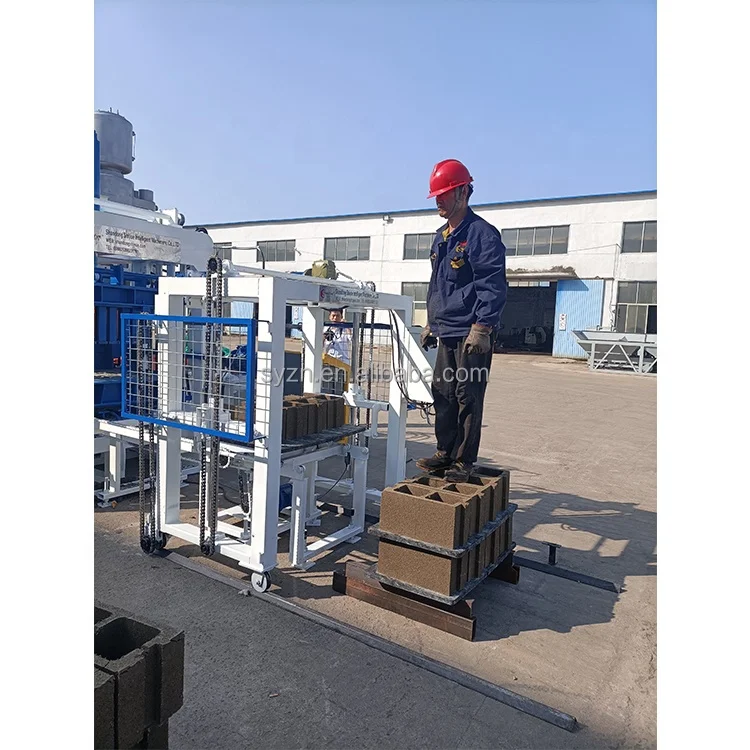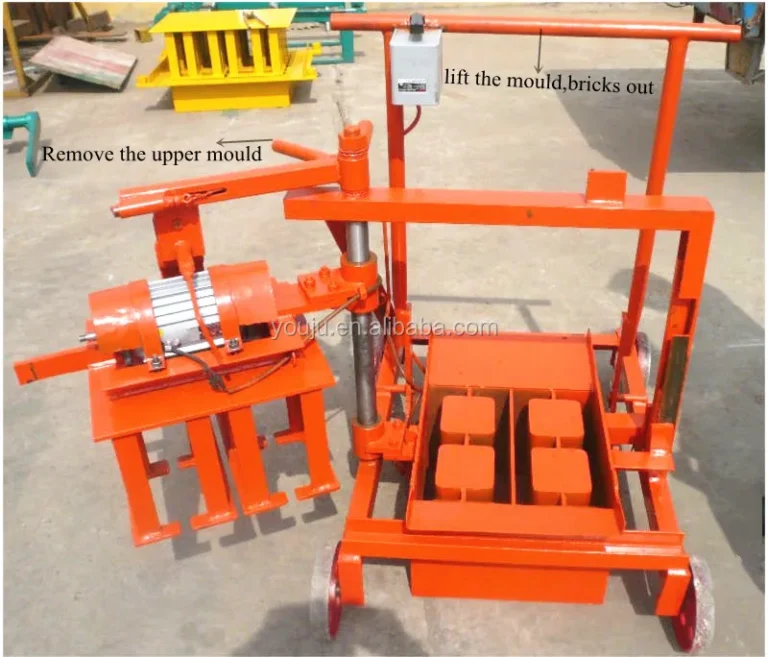
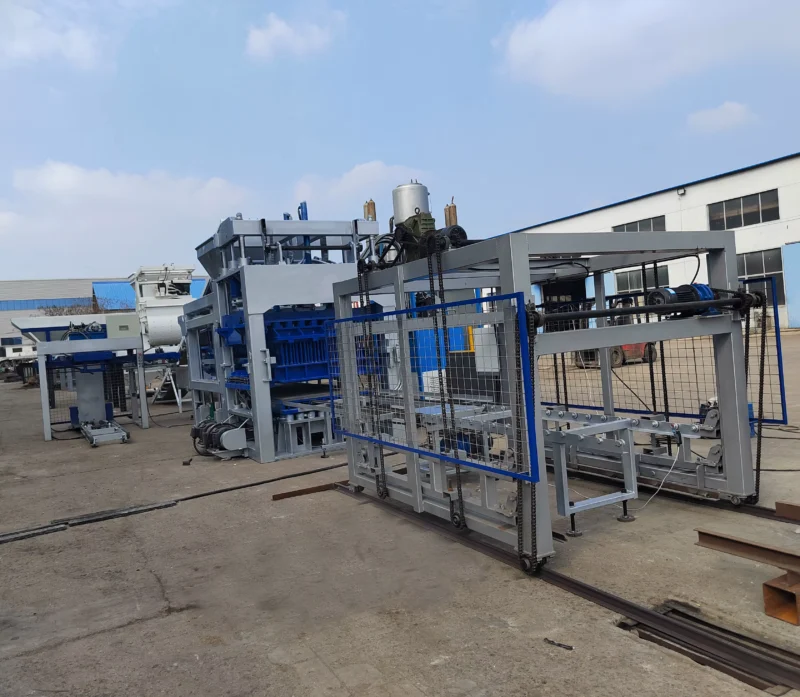
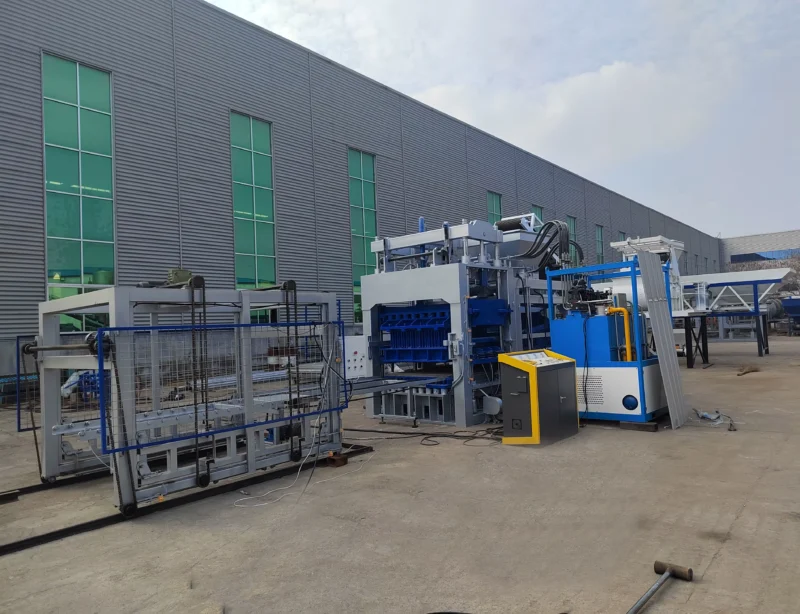
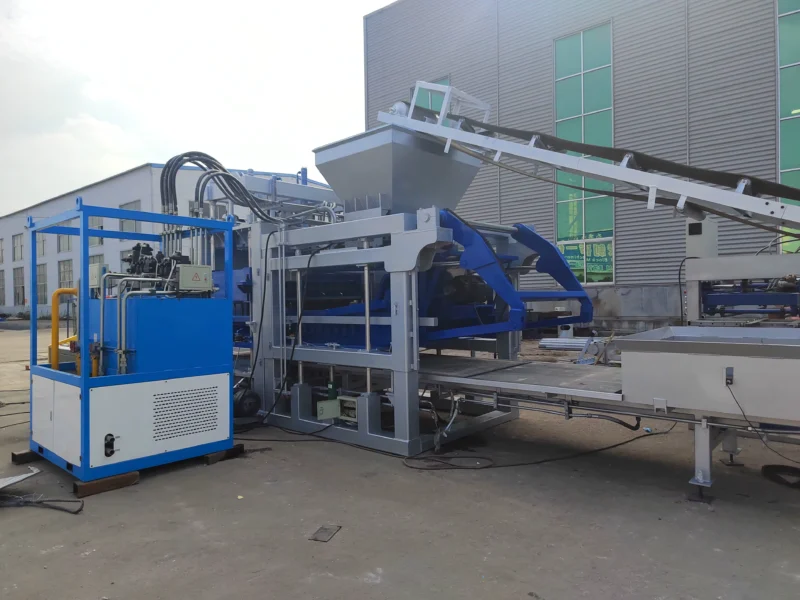
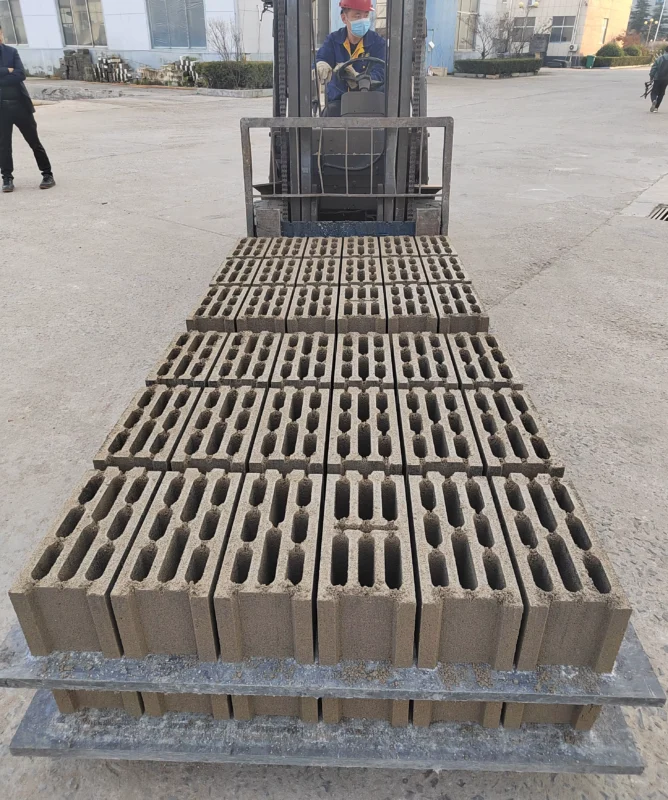
Description
Rapid Dispatch Readiness — Stocked configurations allow immediate container loading without waiting for custom builds, keeping your project timeline intact.
Technical Specifications
| Parameter | Value |
|---|---|
| Model | QT18-15 |
| Product Type | Fully Automatic Block Production Line |
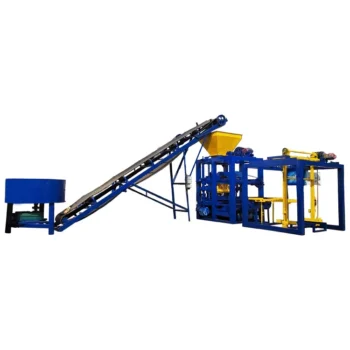
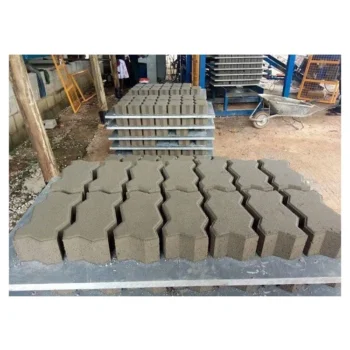
| Machine Type | Hollow Block, Paving Block, Interlock Block, Curbstone Block Making Machine |
| Processing Method | Hydraulic pressure |
| Automation Level | Automatic |
| Core Components | PLC, Pressure Vessel |
| Rated Pressure | 26 MPa |
| Molding Cycle | 15s |
| Overall Dimensions (L×W×H) | 9350×2520×2950 mm |
| Net Weight | 12000 kg (source value — verify against manufacturer catalog) |
| Voltage | Local Voltage (to be confirmed before dispatch) |
| Brick Raw Material | Concrete, Cement |
| Supported Brick Sizes | 400×100×200 mm, 400×120×200 mm, 200×100×60 mm, 400×150×200 mm, 240×115×90 mm, 200×200×60 mm, 400×200×200 mm, 230×220×115 mm, Other |
| Machinery Test Report | Provided |
| Video Outgoing-inspection | Provided |
| Warranty | 2 Years |
| After-sales Service | Engineers available to service machinery overseas |
Application Suitability
| Application | Material or Output |
|---|---|
| Development and housing projects | Concrete and cement for immediate on-site hollow brick production |
| Construction contractor sites | Paving and interlock blocks for strict local infrastructure deadlines |
| Building material distribution | Curbstone and standard blocks for fast regional inventory replenishment |
Why the Voltage Question Must Precede the Dispatch Date
Confirming local power standards before loading prevents costly on-site idle time.
Rushing a dispatch without verifying the destination grid is a mistake I learned the hard way. Years ago, we shipped a QT18-15 to Ghana, but because the local voltage and frequency were not cross-checked against the motor and control cabinet specs, the machine sat dead on the site for three weeks while the client waited for a transformer. That delayed their entire housing project. Now, regardless of how urgent the order is, my team physically verifies the motor nameplate and PLC power supply against the buyer’s confirmed grid data before the forklift moves the crate. [NEED_CITE: voltage and frequency standards by export market]
Ready-to-Ship Inventory and Loading Plans
When a project deadline is looming, waiting for a standard manufacturing cycle is not an option. Having the QT18-15 block making machine in stock means we can bypass the initial assembly phase and move straight to the pre-shipment inspection and crating. We provide a clear dispatch lead time and an upfront arrival estimate so you can schedule your site preparation and foundation curing in parallel with the ocean transit.
Dismantling Strategies for Container Transit
Shipping a machine with a 9350 mm footprint requires a precise dismantling strategy to fit standard containers without damaging the hydraulic lines or the main frame. We break down the supporting structures and secure the heavy press components to prevent shifting during rough sea conditions. This careful loading plan ensures that when the equipment arrives at your port, the reassembly process is straightforward, allowing your team to resume the setup immediately. [NEED_CITE: standard container loading dimensions for heavy industrial machinery]
Interpreting the Press and Cycle Parameters
The 26 MPa rated hydraulic pressure is the core metric that determines the structural density of the concrete products, ensuring the hollow blocks can withstand structural loads without crumbling. Combined with the 15s molding cycle, the press completes its compaction phase rapidly, though the actual daily output depends entirely on the specific block format and the efficiency of your material feeding system. The supported brick sizes range from standard 400×200×200 mm hollow blocks to 200×100×60 mm paving formats, meaning the physical press is capable of handling diverse mould changes as your market demands shift. Because the main unit weighs heavily and spans over nine meters in length, your facility must have a reinforced concrete foundation prepared before the equipment arrives to handle the dynamic forces during operation.
The Hidden Cost of Skipping Pre-Dispatch Verification
Assuming a machine is ready to run just because it is loaded onto a truck often leads to severe delays at the destination. If the PLC display language or the control voltage is overlooked during the final factory check, your operators will face a locked system upon arrival. This forces you to source local electricians to rewire the control cabinet or wait for replacement components, turning a fast delivery into a prolonged commissioning headache. [NEED_CITE: common commissioning delays in exported industrial equipment]
Why Procure Through This Dispatch Channel
We treat the dispatch process as a critical phase of the project, not just a logistics afterthought. Every QT18-15 unit is verified against your specific site conditions, ensuring the voltage and control parameters match your local grid before it leaves our facility. We provide transparent container loading plans and dismantling details so you know exactly how the machine will arrive and how much space is needed for unloading. Our focus remains strictly on getting the equipment to your site on time and in working condition, eliminating the guesswork from international machinery procurement.
Documentation & Verification
- Factory test record confirming hydraulic pressure and cycle times before dispatch
- Video outgoing-inspection showing the dismantling and container loading process
- Electrical schematic matching the confirmed local voltage and frequency
- Packing photographs documenting the securement of heavy press components
Installation, Commissioning & Support
- Reinforced concrete foundation required to support the 9350×2520×2950 mm main frame footprint
- Dedicated power circuit necessary to handle the specific confirmed local voltage and frequency
- Hydraulic lines and PLC cabinets reconnected based on the pre-dispatch dismantling plan
- Engineers available overseas to assist with initial power-on and parameter setting
- Operation training focused on the PLC interface and daily maintenance routines
Preparing Your Site for Immediate Commissioning
To ensure the equipment runs the moment it clears customs, we need to finalize a few logistical details before loading. Please confirm your local voltage, phase, and frequency, along with the preferred PLC display language for your operators. We also need to know the dimensions of your curing area and the type of forklift you have on-site to ensure the pallet handling and unloading process goes smoothly upon arrival.
Frequently Asked Questions
Q: What is the dispatch lead time and estimated arrival for the QT18-15?
A: Because this model is kept in ready-to-ship inventory, the dispatch lead time is significantly shorter than a built-to-order machine. Once the pre-shipment voltage verification and container loading plan are finalized, we provide an upfront arrival estimate based on the ocean transit schedule to your specific destination port.
Q: How is the machine dismantled and loaded into containers for fast shipment?
A: The 9350 mm main frame and supporting structures are carefully dismantled to maximize container space without compromising structural integrity. Hydraulic lines are capped, and heavy components are secured to prevent transit damage, ensuring a straightforward reassembly process when the equipment reaches your site.
Q: Is the QT18-15 currently stocked or built to order?
A: The QT18-15 block making machine in stock is maintained in our inventory specifically for buyers facing tight project deadlines. This availability allows us to bypass the initial manufacturing phase and move directly into the final verification, dismantling, and shipping stages.
Q: How do we confirm voltage and PLC language before the machine ships?
A: During the inquiry stage, we require your local grid specifications and operator language preference. Before the machine is loaded, my team physically checks the motor nameplates and the PLC control cabinet to ensure they perfectly match your confirmed requirements, preventing on-site power failures.
Q: What documentation is provided at the time of dispatch?
A: We provide a comprehensive documentation package including the machinery test report, video outgoing-inspection of the loading process, electrical schematics matching your local voltage, and detailed packing photographs to assist with customs clearance and on-site reassembly.