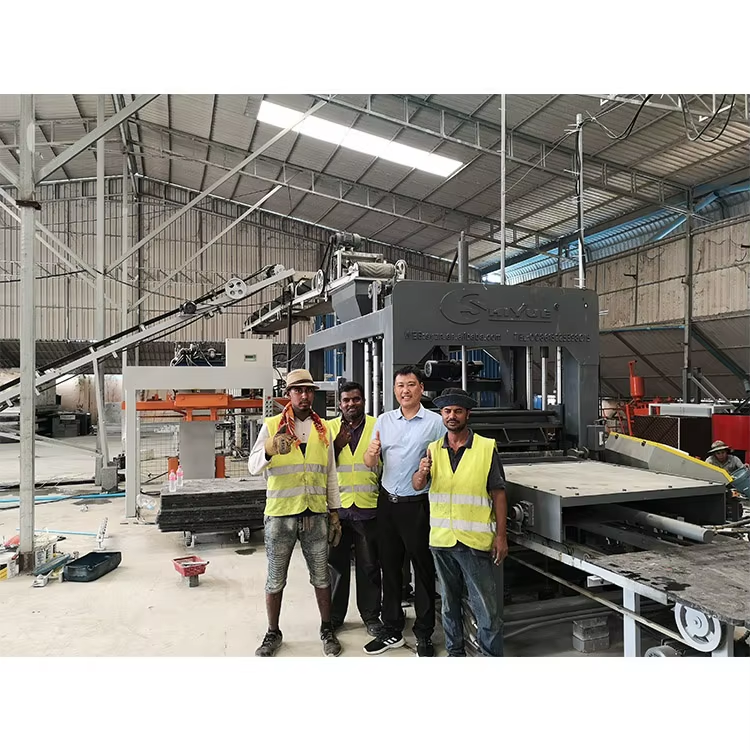
Description
Dispatch Readiness — Standard moulds and multi-voltage configurations are pre-verified before container loading to prevent arrival delays.
Technical Specifications
| Parameter | Value |
|---|---|
| Model | QT10-15 |
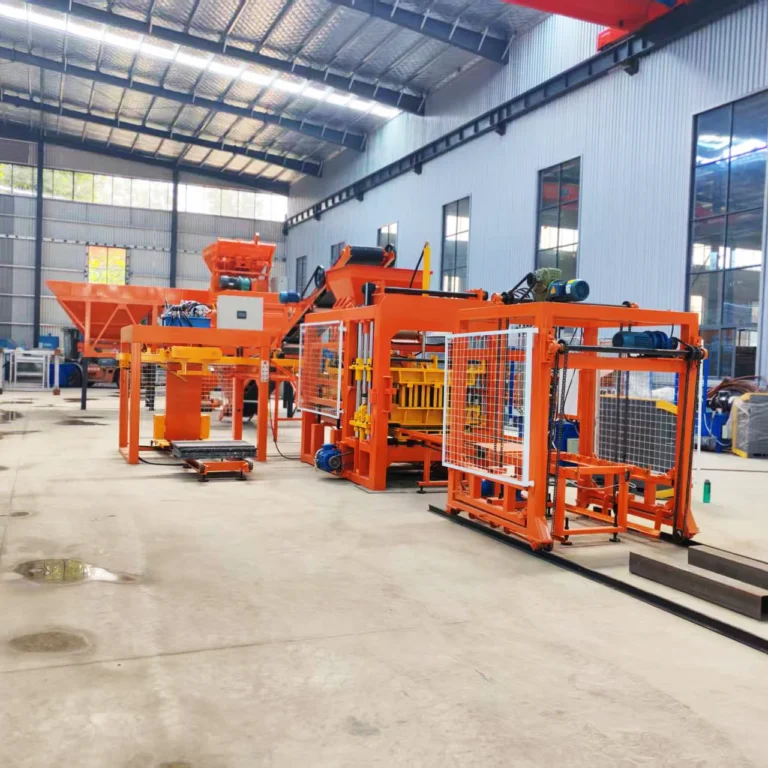
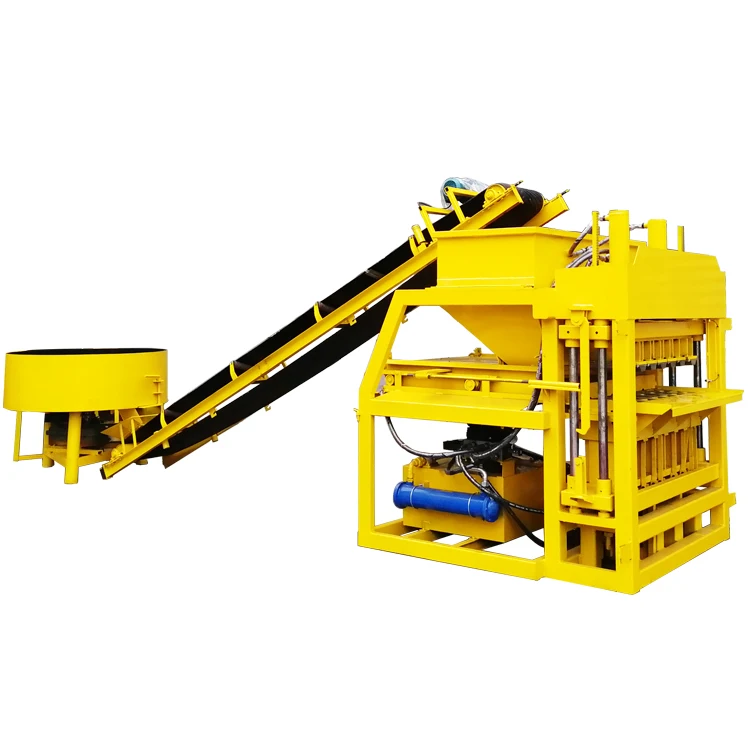
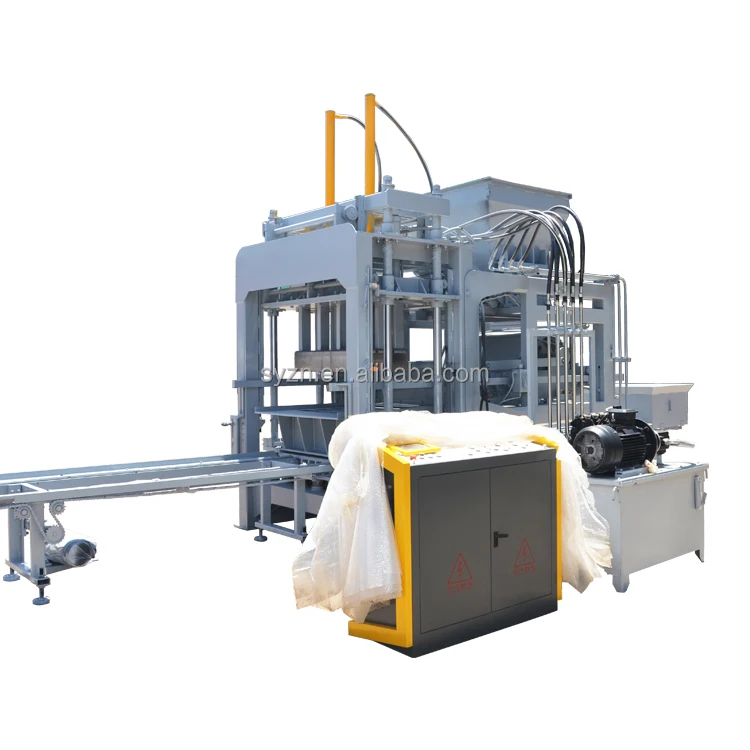
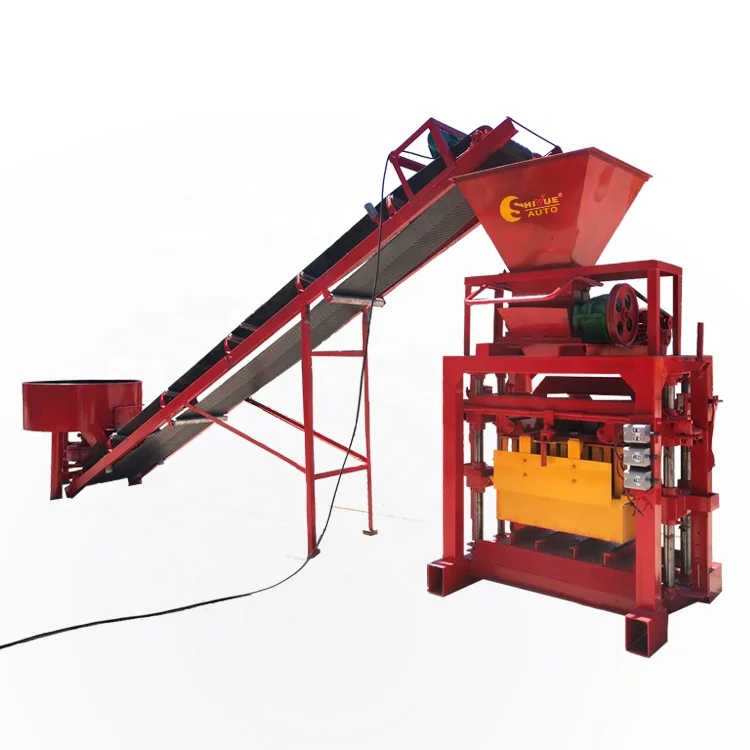
| Product Type | Fully Automatic Cement Block Machine |
| Forming Method | Hydraulic pressure with vibration molding |
| Automation Level | Fully Automatic |
| Control System | PLC |
| Voltage Options | 110 V, 240 V, 330 V, 380 V, 400 V, 415 V, 440 V |
| Overall Dimensions (L×W×H) | 5870 × 2220 × 2850 mm |
| Net Weight | 10000 kg |
| Core Components | Pressure Vessel, PLC, Engine, Gear |
| Mould Format | 400 × 200 × 200 mm, 400 × 100 × 200 mm |
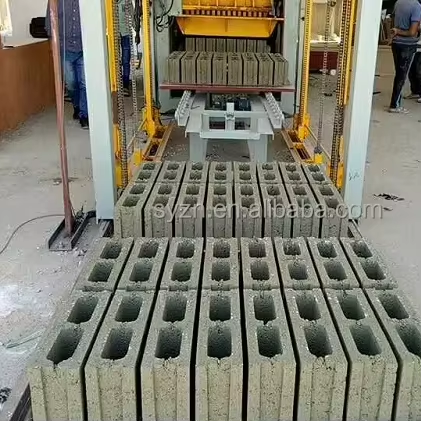
| Block Type | Hollow, Solid, Paver Block, Curbstone |
| Raw Material | Concrete, Cement |
| Color Options | Blue, Black, Green, Yellow, White, Customer’s Demand |
| Machinery Test Report | Provided |
| Video Outgoing-inspection | Provided |
| After-sales Service | Service Machinery Overseas |
| Warranty | 1 Year |
| Cycle Time per Format | (basis to be confirmed) |
Application Suitability
| Application | Material or Output |
|---|---|
| Housing project wall construction | Hollow blocks from concrete and cement |
| Load-bearing structural masonry | Solid blocks from concrete and cement |
| Pedestrian and roadway paving | Paver blocks from concrete and cement |
| Street and highway bordering | Curbstones from concrete and cement |
Why the Voltage Question Must Precede the Dispatch Date
Confirming local electrical specs before loading prevents a stalled project site.
When a QT10-15 automatic block machine in stock arrives with a PLC Engine mismatched to the local grid, the entire installation halts. I once routed a shipment to a Latin American site without double-checking their specific voltage requirements, and the control system refused to power up. The client waited three weeks for transformer modifications while their construction deadlines slipped away [NEED_CITE: voltage and frequency standards by export market]. Securing the exact electrical configuration early ensures the equipment runs the moment it clears customs.
Container Loading and Dismantling Protocols
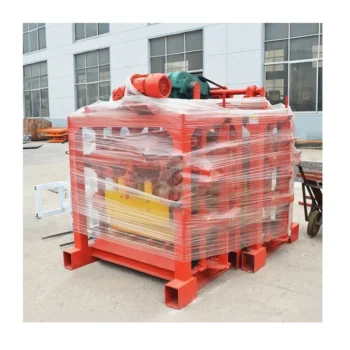
Preparing a 10000 kg unit for international transit requires precise dismantling to maximize container space and protect critical assemblies. The 5870 × 2220 × 2850 mm frame is broken down into manageable sections, securing the pressure vessel and gear components against ocean freight vibration. This systematic approach to container loading ensures the QT10-15 automatic block machine in stock reaches your port without structural damage or missing parts.
Upfront Arrival Estimates for Tight Schedules
Project contractors cannot afford vague shipping windows when foundation work is already underway. We provide a clear arrival estimate quoted upfront, mapping out the transit timeline from our facility to your destination port. By selecting a QT10-15 automatic block machine in stock, you bypass the typical multi-week lead times associated with custom builds, allowing your site preparation and equipment arrival to align perfectly [NEED_CITE: standard ocean freight transit times for heavy machinery].
Matching Standard Moulds to Immediate Needs
Stocked units are equipped with standard 400 × 200 × 200 mm and 400 × 100 × 200 mm mould formats, covering the most common requirements for hollow and solid block production. This immediate availability means you can start producing concrete and cement masonry units without waiting for specialized tooling fabrication. The hydraulic pressure with vibration molding method is pre-configured for these formats, ensuring consistent output from the first production run.
The Hidden Cost of Rushed Electrical Verification
Skipping a thorough electrical review to save a few days on dispatch often results in severe on-site penalties. If the PLC control system is wired for 380 V but the site only supplies 440 V, the engine and core components risk immediate failure. Rectifying these issues locally requires sourcing specialized transformers and hiring certified electricians, draining the budget and pushing back the entire construction schedule [NEED_CITE: CE machinery directive requirements for industrial equipment].
Why Procurement Speed Matters Here
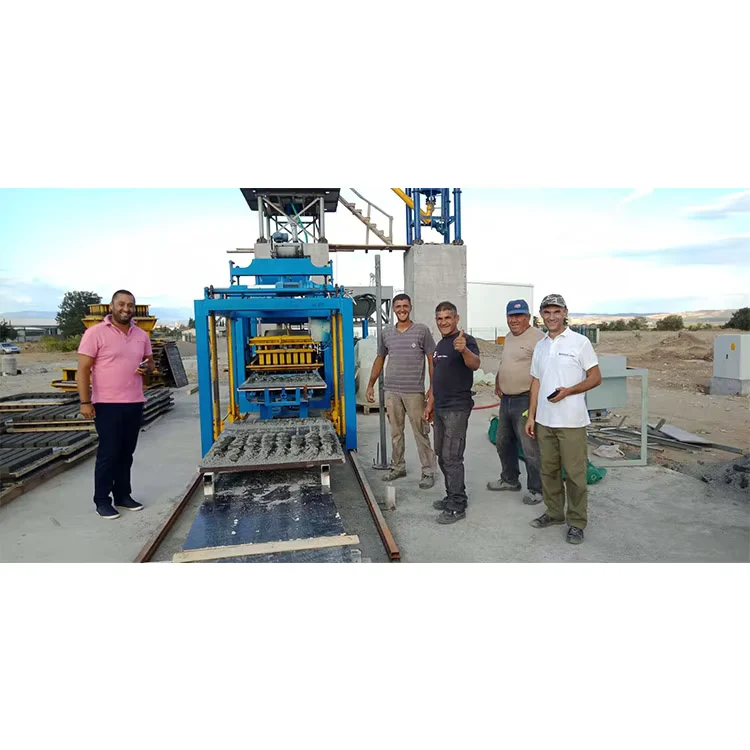
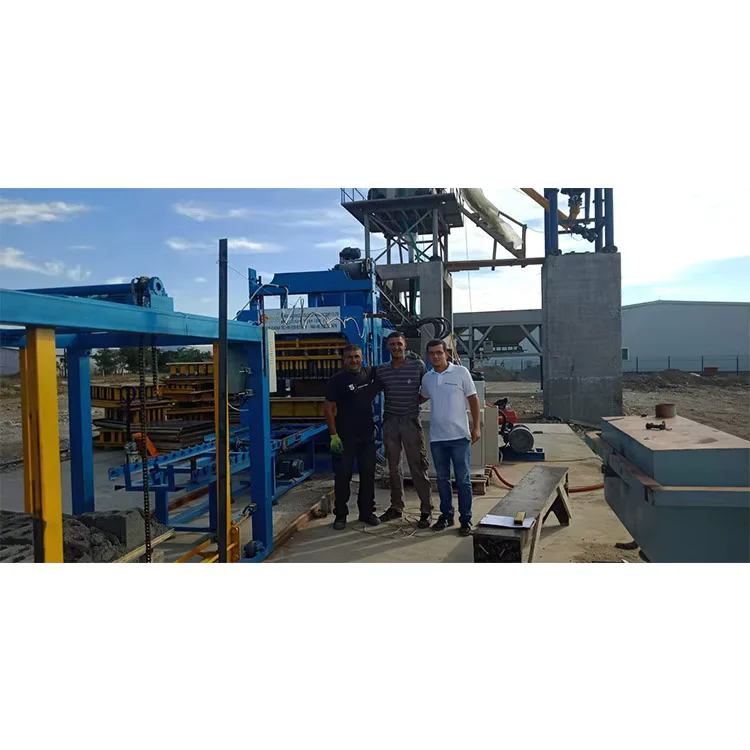
Our focus on stock and delivery means the QT10-15 automatic block machine in stock is physically ready for inspection and loading, not just listed on a spreadsheet. We provide comprehensive video outgoing-inspection and machinery test reports before the container doors close, giving you absolute certainty about the equipment’s condition. Furthermore, our customs documentation support smooths the border clearance process, preventing administrative hold-ups that typically delay heavy machinery imports.
Documentation & Verification
- Factory test record verifying hydraulic pressure and vibration molding before dispatch
- Video outgoing-inspection showing the PLC control system in active operation
- Machinery test report confirming core component functionality under load
- Customs documentation support tailored to your specific import regulations
- Voltage and control language confirmation sheet signed prior to loading
Installation, Commissioning & Support
- Foundation planning based on the 5870 × 2220 × 2850 mm overall dimensions
- Dedicated power circuit setup matching your selected 110 V to 440 V configuration
- Reassembly of dismantled frame sections and pressure vessel upon site arrival
- Initial PLC control system calibration for 400 × 200 × 200 mm mould formats
- Overseas service machinery support for first-week operation troubleshooting
- Wear parts list for the gear and engine components to plan future inventory
Project Details Required for Dispatch
To finalize the loading schedule, please confirm your required voltage option from our available range and the specific PLC display language for your operators. We also need your destination port details to calculate the precise arrival estimate and prepare the correct customs documentation. Providing these details ensures the QT10-15 automatic block machine in stock is dispatched without administrative delays.
Frequently Asked Questions
Q: Which standard mould formats are currently available for immediate loading?
A: The stocked units are equipped with 400 × 200 × 200 mm and 400 × 100 × 200 mm moulds. These standard formats cover hollow and solid block production using concrete and cement, allowing you to bypass the lead times associated with custom tooling fabrication and start your project immediately.
Q: How is the dispatch lead time and arrival estimate calculated?
A: Since the equipment is already built and tested, the lead time only covers container loading and inland transit to the port. We provide an upfront arrival estimate based on your destination port, factoring in standard ocean freight schedules so you can align your site preparation accurately.
Q: How is the machine dismantled for container shipment?
A: The 10000 kg unit is systematically dismantled to fit standard shipping containers while protecting the pressure vessel and gear components. This process ensures safe transit and straightforward reassembly at your site, with all structural and electrical connections clearly marked for the installation team.
Q: Are voltage and PLC display language pre-configured before dispatch?
A: Yes, we confirm your local voltage requirement from our 110 V to 440 V options and your preferred PLC display language before the machine is loaded. This prevents the commissioning delays and transformer modifications that often stall international machinery installations.
Q: What customs documentation is provided to speed up import clearance?
A: We supply a complete set of export documents, including the machinery test report, commercial invoice, and packing list, formatted to meet your country’s specific import regulations. This documentation support minimizes administrative hold-ups at the border, ensuring faster release of the equipment.