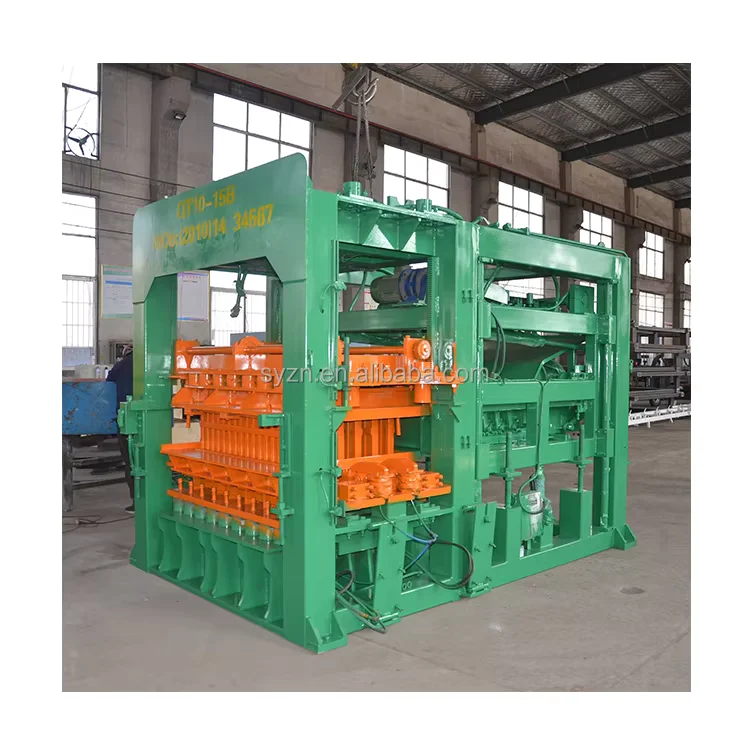
Description
Rapid Dispatch Readiness — Fully automatic block production lines are dismantled, tested, and staged for immediate container loading to keep your project schedule intact.
Technical Specifications
| Parameter | Value |
|---|---|
| Model | QT10-15 |
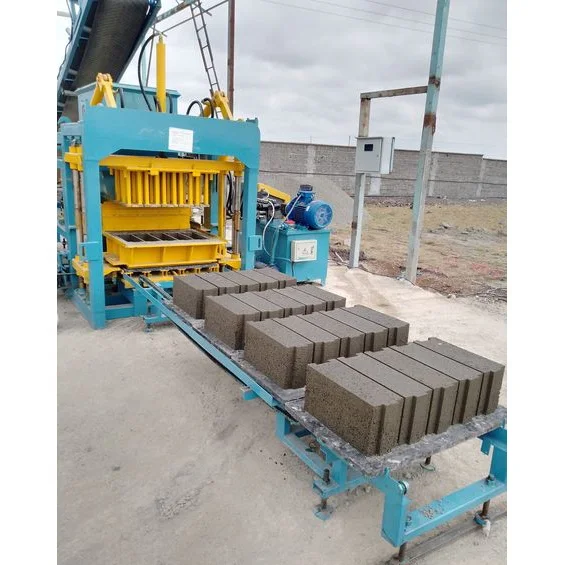
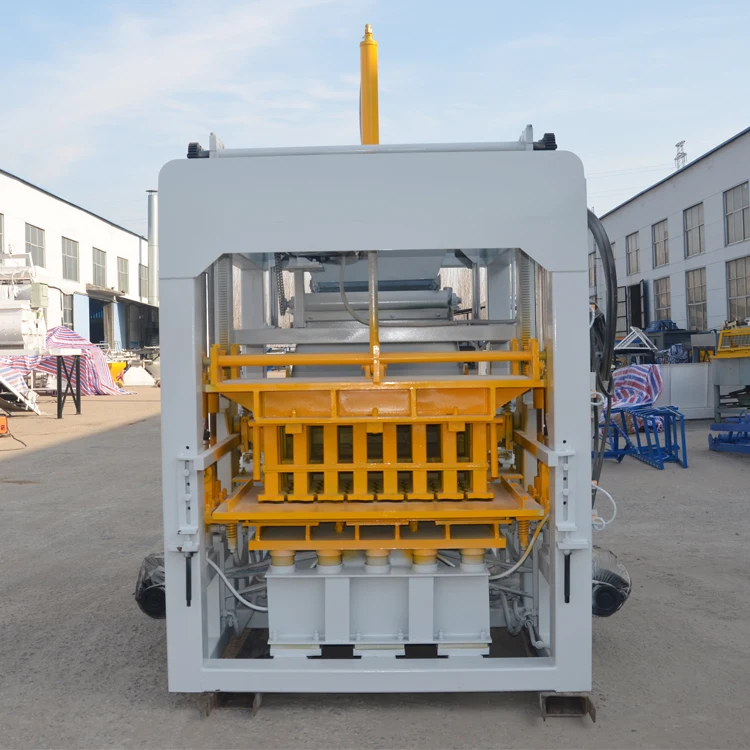
| Product Type | Automatic Cement Block Machine |
| Forming Method | Hydraulic pressure and vibration molding |
| Automation Level | Automatic |
| Voltage Options | 400 V, 330 V, 380 V, 110 V, 415 V, 240 V, 440 V, 220 V |
| Overall Dimensions (L×W×H) | 5870 × 2220 × 2850 mm |
| Net Weight | 10000 kg |
| Standard Mould Formats | 400 × 200 × 200 mm, 400 × 100 × 200 mm |
| Core Components | Pressure Vessel, PLC, Engine, Gear |
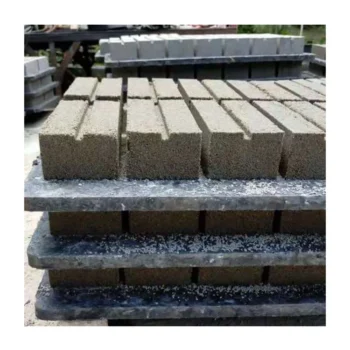
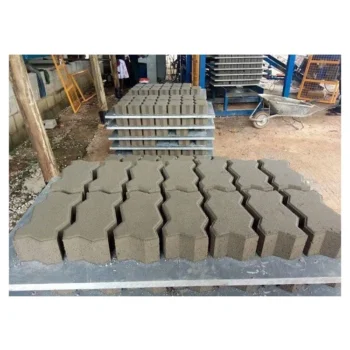
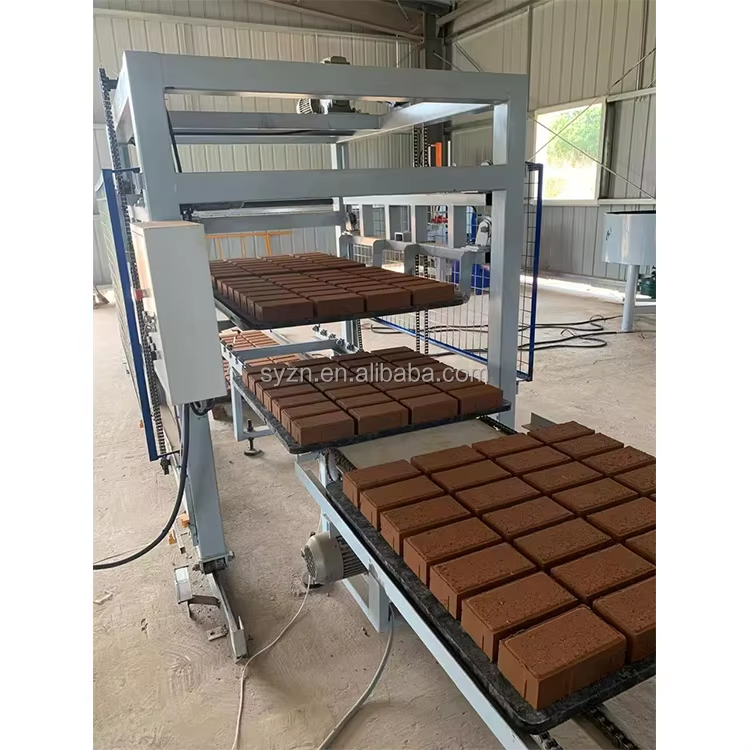
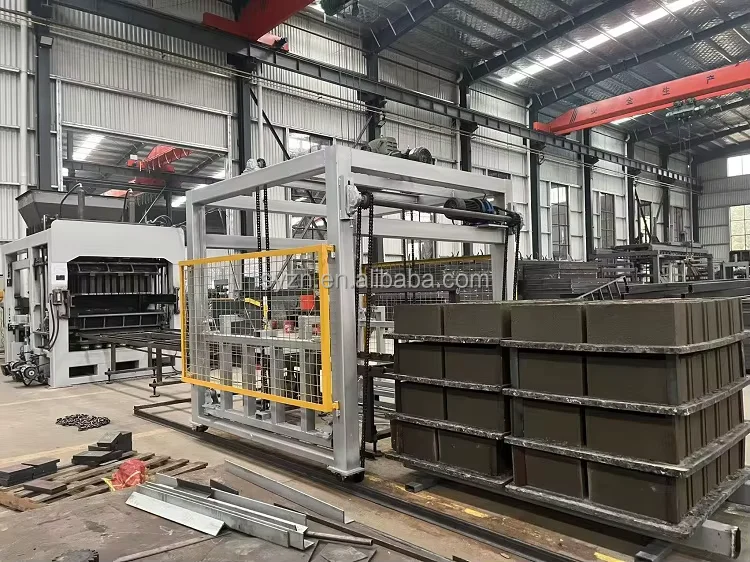
| Block Types | Hollow, Solid, Paver Block, Curbstone |
| Color Options | Blue, Black, Green, Yellow, White, Customer’s Demand |
| Output Capacity | (basis to be confirmed by block format) |
| Certification | CE |
| Warranty | 1 Year |
Application Suitability
| Application Scenario | Material and Output Focus |
|---|---|
| High-volume housing projects | Hollow and solid blocks from standard cement and aggregate mixes |
| Municipal infrastructure paving | Paver blocks and curbstones for roads and walkways |
| Rapid site replenishment | Immediate replacement for broken down plant equipment |
| Distributor inventory stocking | Standardized formats for quick regional resale and deployment |
Why the Voltage Question Must Precede the Dispatch Date
Confirming the exact site voltage prevents a fully automatic line from sitting idle on the foundation.
When a machine arrives at a foreign port, the buyer expects to plug it in and start producing. I recall a fully automatic block machine of this class shipped to Kenya years ago; we missed their specific local voltage standard during the ordering phase. The equipment could not power up on site, delaying the entire housing project by three weeks while transformers were sourced locally. That delay is exactly why verifying the electrical configuration is the very first step before we load the QT10-15 automatic cement block machine in stock into a shipping container [NEED_CITE: voltage and frequency standards by export market]. Rushing the dispatch without locking in these details only shifts the bottleneck from the factory floor to the buyer’s construction site.
Container Loading and Dismantling Logistics
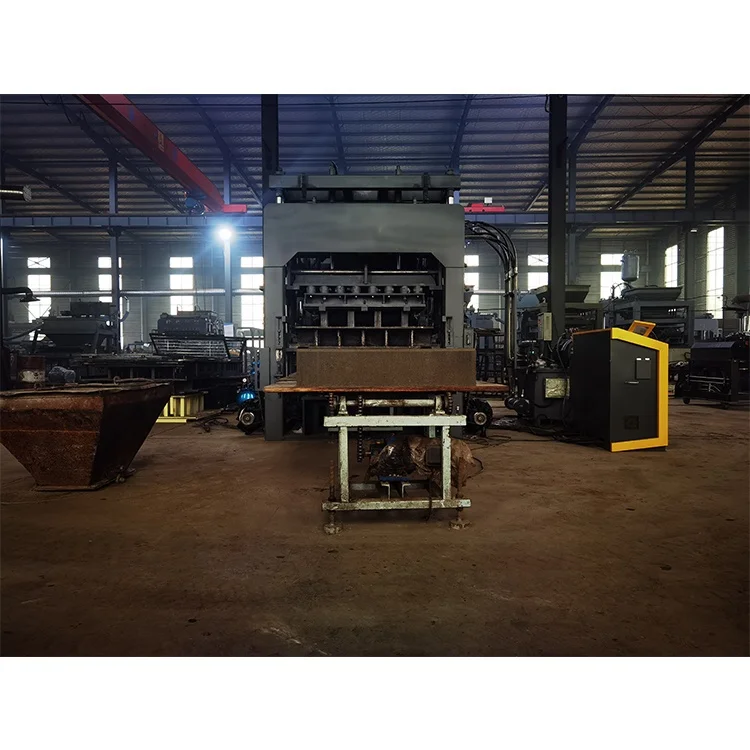
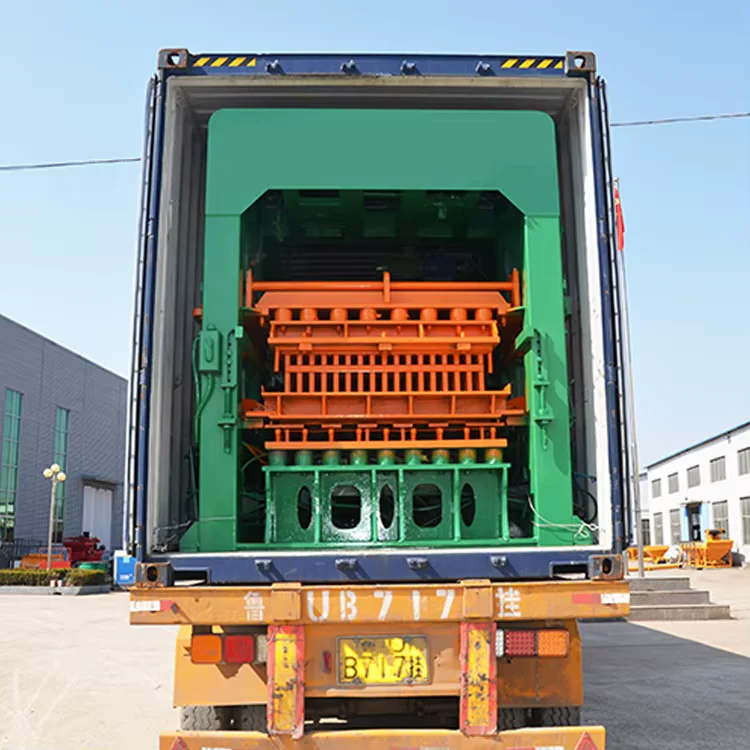
Moving a 10,000 kg machine across oceans requires precise dismantling to maximize container space and protect critical hydraulic components. The mainframe, hydraulic station, and PLC control cabinet are separated and secured with heavy-duty steel bracing. This systematic breakdown ensures the QT10-15 automatic cement block machine in stock fits cleanly into standard shipping containers without compromising structural integrity. Every major component is photographed and logged before the container doors are sealed, giving the buyer complete visibility into the loading process.
Arrival Timing and Port Clearance Preparation
Project deadlines do not pause for customs delays. We prepare all export documentation, including CE declarations and commercial invoices, in parallel with the physical loading process. By having the paperwork ready before the vessel departs, the buyer can initiate port clearance procedures immediately upon arrival. This parallel processing shaves days off the final delivery timeline, ensuring the equipment reaches the plant foundation exactly when the civil works are completed [NEED_CITE: CE machinery directive requirements for industrial equipment].
Matching Physical Footprint to Site Readiness
The overall dimensions of 5870 × 2220 × 2850 mm dictate the exact foundation curing time and workshop clearance required before arrival. Buyers must verify their site footprint against these physical boundaries to ensure forklifts have adequate maneuvering room during the unloading phase. The 10,000 kg net weight also requires a reinforced concrete slab to prevent settling under continuous vibration. Confirming these site parameters early ensures the machine can be reassembled and leveled the moment it is unpacked.
The Hidden Costs of Rushed Dispatch Configurations
Failing to verify the destination site’s electrical grid before shipping leads to severe operational bottlenecks. If a machine configured for 380 V arrives at a site operating on 415 V, the buyer faces expensive motor replacements or prolonged downtime while sourcing step-down transformers. Furthermore, ignoring the physical dismantling sequence can result in damaged hydraulic hoses or crushed PLC wiring during transit. These oversights turn a fast-tracked delivery into a prolonged commissioning nightmare, eroding the time saved during the manufacturing phase [NEED_CITE: industrial equipment commissioning delays due to transit damage].
Why Procure This Ready-to-Ship Equipment Here
Our single focus on block machinery means every stocked unit is configured as a complete, matched system rather than a collection of disparate parts. We verify the electrical and control specifications against your actual site conditions before the machine leaves our facility. The standard mould formats are pre-tested to ensure they align with common market demands, eliminating initial setup guesswork. Our logistics team manages the entire dismantling and container loading process, providing photographic proof at every stage. This disciplined approach ensures the equipment you receive is exactly what was quoted, ready for immediate reassembly.
Documentation & Verification
- Factory test record confirming hydraulic pressure vessel integrity before dismantling.
- CE declaration matching the specific serial number of your dispatched unit.
- Container loading photographs documenting the bracing of the 10,000 kg mainframe.
- Electrical schematic verifying the selected voltage configuration for your site.
- Packing list detailing the exact placement of core gears and PLC components.
Installation, Commissioning & Support
- Foundation blueprints specifying load-bearing requirements for the 5870 mm mainframe length.
- Electrical diagrams detailing dedicated circuit requirements for the selected voltage configuration.
- Dismantling guides mapping the reassembly sequence for the hydraulic pressure station.
- Initial power-up protocols verifying PLC communication and engine rotation direction.
- Wear parts inventory list covering high-friction gears and vibration molding components.
Preparing Your Site for Immediate Integration
To ensure the equipment integrates smoothly into your operation upon arrival, please provide the exact local voltage and frequency standards for your facility. We also need the confirmed dimensions of your prepared foundation slab and the available overhead clearance for reassembly. Finally, specify your preferred language for the PLC interface so the control system is programmed correctly before the container is sealed. Supplying these details upfront guarantees the machine is fully compliant with your site conditions the moment it is unloaded.
Frequently Asked Questions
Q: What is the exact dispatch lead time for this machine?
A: Because this unit is already manufactured and staged, the primary lead time involves finalizing the site-specific voltage configuration, dismantling the mainframe for container loading, and completing export documentation. Once these details are confirmed, the machine can typically be dispatched within a matter of days, significantly reducing the wait compared to custom manufacturing cycles.
Q: Is the equipment currently ready for container loading?
A: Yes, the mainframe and core components are fully assembled, factory-tested, and staged in our dispatch area. We simply need to verify your destination site parameters, dismantle the unit according to our ocean freight protocols, and secure it inside the shipping container with heavy-duty steel bracing before it leaves our facility.
Q: How is the machine dismantled to ensure safe shipping?
A: The 10,000 kg unit is systematically broken down into its mainframe, hydraulic station, and PLC control cabinet. Each section is secured with custom steel bracing to prevent shifting during ocean transit. We photograph every stage of the dismantling and loading process, providing you with a complete visual record before the container doors are sealed.
Q: Can you provide the necessary customs documentation for quick port clearance?
A: We prepare all required export paperwork, including the CE declaration, commercial invoices, and detailed packing lists, in parallel with the physical loading process. Having these documents ready before the vessel departs allows your clearing agent to initiate port procedures immediately, minimizing delays and ensuring the equipment reaches your site as fast as possible.
Q: Are the standard moulds tested before dispatch?
A: Yes, the included standard mould formats are mounted and tested during the factory run to verify hydraulic pressure and vibration molding alignment. They are then carefully cleaned, coated for rust prevention, and securely packed alongside the mainframe to ensure they arrive in perfect condition for immediate production.