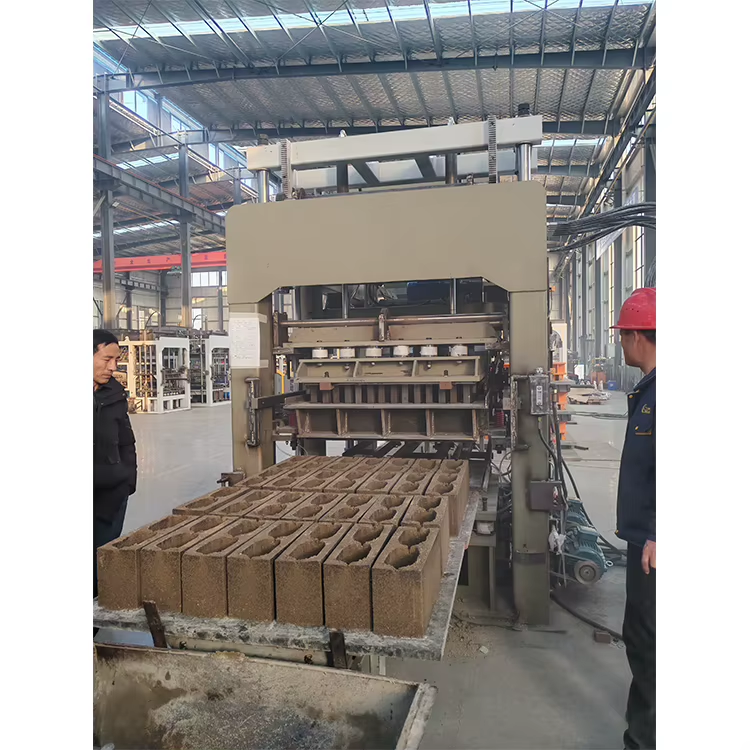


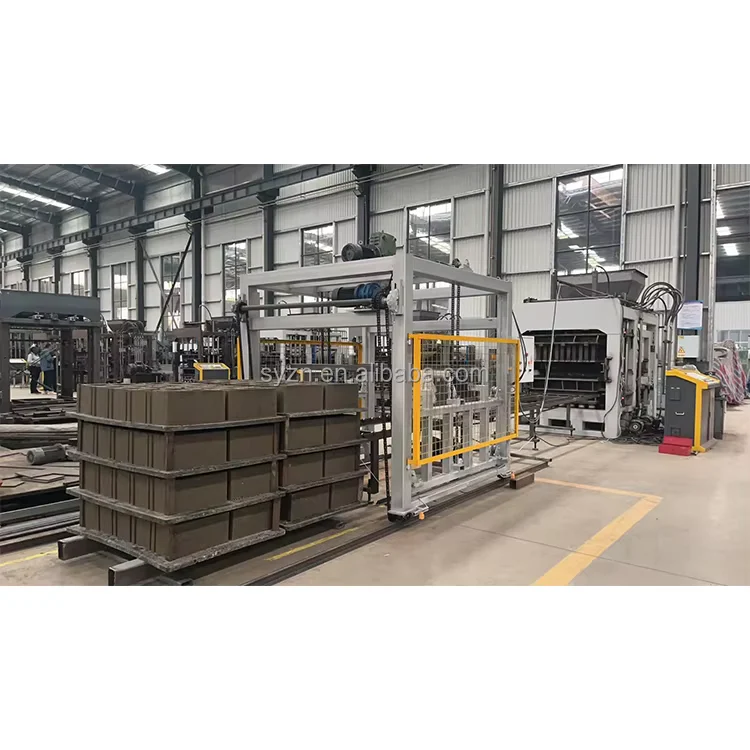

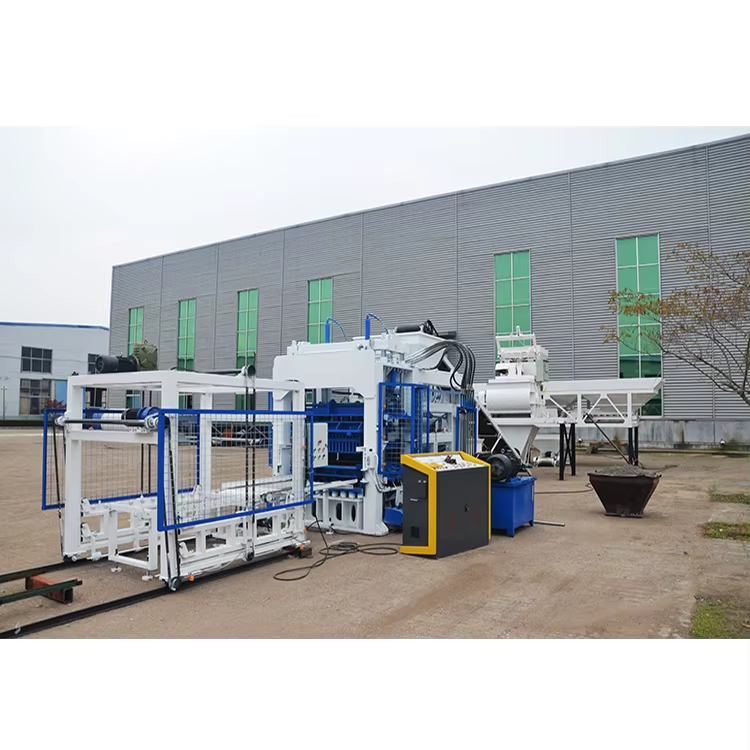

Description
Rapid Dispatch Configuration — Securing a QT10-15 block making machine in stock means your control voltage and PLC language are verified against your site specs before the crate is sealed, ensuring immediate operation upon arrival.
Technical Specifications
| Parameter | Value |
|---|---|
| Model | QT10-15 |
| Product Type | Fully Automatic Block Making Machine |
| Rated Power | 44 kW |
| Voltage & Frequency | Customer local voltage |
| Control System | PLC |
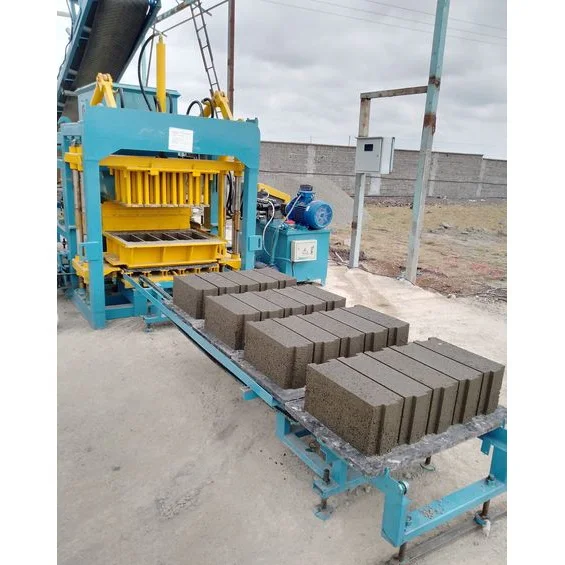
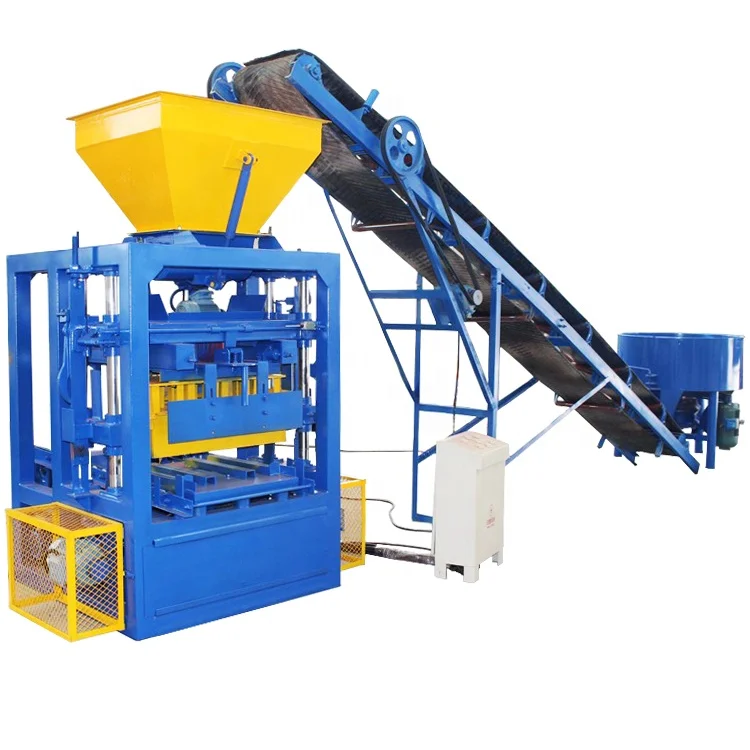
| Overall Dimensions (L×W×H) | 9350 × 2320 × 2950 mm |
| Net Weight | 10000 kg |
| Hydraulic Pressure | 21 MPa |
| Vibration Form | Platform Vibration |
| Vibration Frequency | 2800-4500 r/min |
| Molding Cycle | 15-25 seconds (basis to be confirmed) |
| Pallet Size | 1100 × 900 mm |
| Brick Size Compatibility | 400×100×200 mm, 400×120×200 mm, 200×100×60 mm, 300×150×100 mm, 400×150×200 mm, 240×115×90 mm, 200×200×60 mm, 150×150×100 mm, 400×200×200 mm, 230×220×115 mm |
| Raw Material | Cement, Concrete |
| Warranty | 1 Year |
| Color | Customizable |
Application Suitability
| Application | Material or Output |
|---|---|
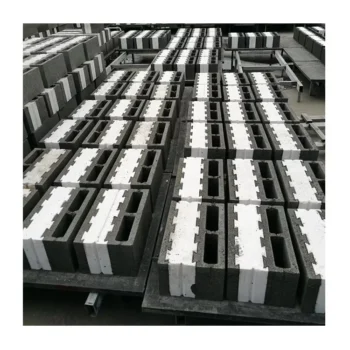
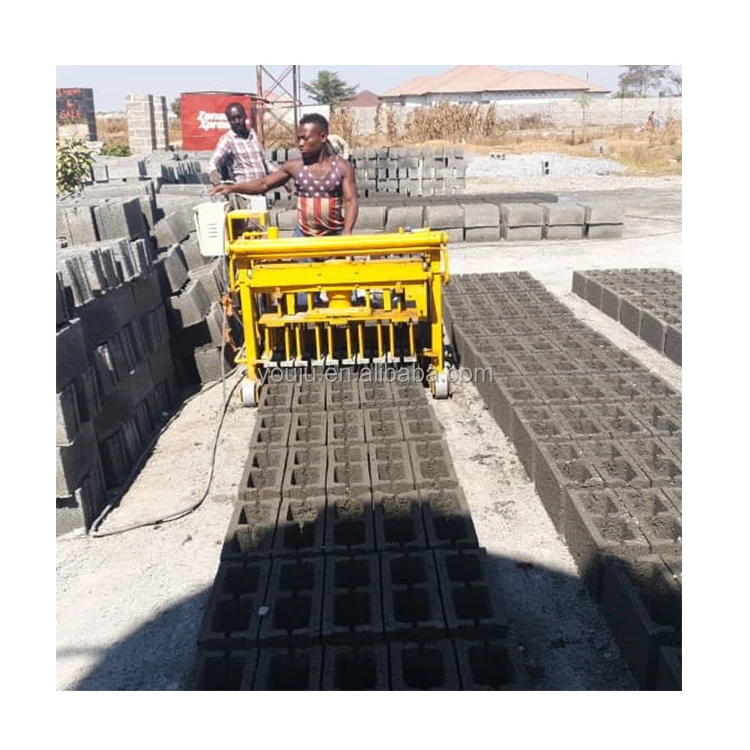
| Housing project masonry | Hollow blocks from crushed stone and cement |
| Municipal infrastructure | Paving blocks and kerbstones from concrete |
| Commercial landscaping | Interlocking blocks from standard aggregates |
| Site retaining walls | Solid blocks and curbstone formats |
Why Electrical Verification Must Precede the Dispatch of Your QT10-15 Block Making Machine in Stock
Confirming local voltage and PLC display language before loading prevents costly on-site rewiring and operational blindness.
I have seen fully automatic lines sit idle for weeks because the control panel was wired for a 50Hz grid while the local site ran on 60Hz, or the PLC interface defaulted to a language the local operators could not read. When you are working against a strict construction deadline, discovering an electrical mismatch after the container is opened turns a rapid deployment into a prolonged troubleshooting exercise. Verifying these parameters during the factory test ensures the machine is truly ready the moment it hits your floor [NEED_CITE: industrial voltage and frequency standards by export market].
Immediate Readiness for Project Deadlines
When a housing development falls behind schedule, waiting months for a custom manufacturing run is not an option. Having a QT10-15 block making machine in stock allows contractors to bridge the gap between project approval and actual masonry production. The focus here is purely on transit speed and dispatch simplicity, moving standard configurations from our facility directly to your port without the delays associated with bespoke engineering modifications.
Container Loading and Transit Dimensions
The physical footprint of this press dictates how it travels. At 9350 mm in length and nearly 3 meters high, loading requires precise planning to maximize container space and ensure safe transit. We map the dismantling sequence to match your destination’s unloading equipment, ensuring that heavy components like the main frame and hydraulic station are positioned for immediate extraction by your local forklifts upon arrival.
Interpreting the Press Mechanics and Footprint
The 21 MPa hydraulic pressure works in tandem with the platform vibration frequency of 2800-4500 r/min to consolidate the concrete mix within the mould cavity. This dual-action compaction is what gives the blocks their structural integrity before curing. Furthermore, the 1100 × 900 mm pallet size is a standard dimension that aligns with common curing rack configurations, meaning you likely will not need to overhaul your existing drying area. The overall height of 2950 mm is a critical metric; your facility must have adequate overhead clearance not just for the machine itself, but for the maintenance access required above the hydraulic manifold.
The Hidden Costs of Ignoring Spatial Clearances
Overlooking the physical dimensions of a heavy press leads to severe logistical bottlenecks. Early in my career, a buyer rushed a similar automatic line to a site without verifying the workshop door height, forcing the crew to cut the support brackets on-site just to get the equipment inside. Failing to measure the route from the drop zone to the final installation pad results in delayed commissioning, idle labor, and compromised structural frames [NEED_CITE: heavy machinery site preparation and clearance requirements].
Why Procure From This Dispatch Hub
Our operational focus is strictly on block machinery, meaning the press, pallets, and handling elements are verified as a matched system before they leave the floor. We configure the electrical and control parameters to your exact site conditions rather than shipping a generic catalogue default. Standard moulds for the formats your local market demands are kept ready to ship alongside the main press. The automation level is selectable, allowing you to secure a baseline system now and expand later. Finally, our dispatch process includes comprehensive installation documentation to ensure your team can begin assembly immediately.
Documentation & Verification
- Factory test record verifying hydraulic pressure and vibration frequency before dispatch.
- Voltage and control language confirmation sheet signed off prior to crating.
- Machine specification sheet detailing the 1100 × 900 mm pallet requirements.
- Packing photographs showing exact container loading and dismantling sequence.
- Customs documentation support formatted for rapid port clearance.
Installation, Commissioning & Support
- Ensure workshop ceiling clearance exceeds 2950 mm for safe overhead maintenance access.
- Provide a dedicated power circuit matching the confirmed 44 kW rated power draw.
- Follow the provided dismantling sequence to align heavy components with your forklift capacity.
- Verify PLC display language and voltage inputs during the initial control cabinet power-up.
- Calibrate the platform vibration frequency between 2800-4500 r/min for your specific concrete mix.
- Inspect hydraulic lines and 21 MPa pressure seals immediately after reassembly.
Preparing Your Site for Rapid Deployment
To ensure the equipment integrates smoothly into your operation, please provide your local voltage and frequency standards alongside your preferred PLC interface language. We also need the exact dimensions of your workshop doors and internal ceiling height to finalize the loading and dismantling plan. Finally, confirm your existing curing rack specifications so we can verify compatibility with the standard pallet size.
Frequently Asked Questions
Q: What is the exact dispatch lead time and container loading process?
A: Because the equipment is held in stock, the lead time is primarily dictated by the pre-shipment electrical verification and container booking. We dismantle the press to optimize loading, securing heavy components to prevent transit damage and ensure they can be easily extracted by your local handling equipment upon arrival at the destination port.
Q: Are standard moulds and pallets currently ready to ship with the press?
A: Yes, standard moulds for common formats like hollow and paving blocks are kept ready for immediate dispatch alongside the main press. The 1100 × 900 mm pallets are also available, ensuring you have the necessary consumables to begin production the moment the line is commissioned.
Q: How do we confirm local voltage and control language before dispatch?
A: During the order finalization, we require your exact site voltage, frequency, and preferred PLC language. We configure the control cabinet and run a factory test to verify these settings, ensuring the machine is electrically compatible and operable the moment it is connected to your power supply.
Q: What customs documentation and packing support is provided for fast arrival?
A: We provide comprehensive customs documentation support tailored to your import regulations, alongside detailed packing photographs. These images document the exact loading sequence and component placement, streamlining the port clearance process and guiding your team during the unloading phase.
Q: Can the machine be dismantled for specific shipment requirements?
A: Yes, the press is systematically dismantled to fit standard shipping containers while respecting your site’s unloading constraints. We map the breakdown so that the heaviest modules are positioned for immediate access, preventing delays caused by inadequate local lifting equipment.