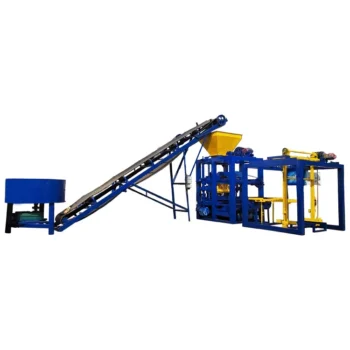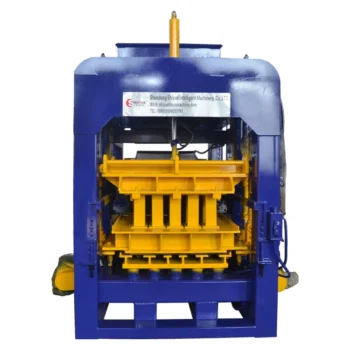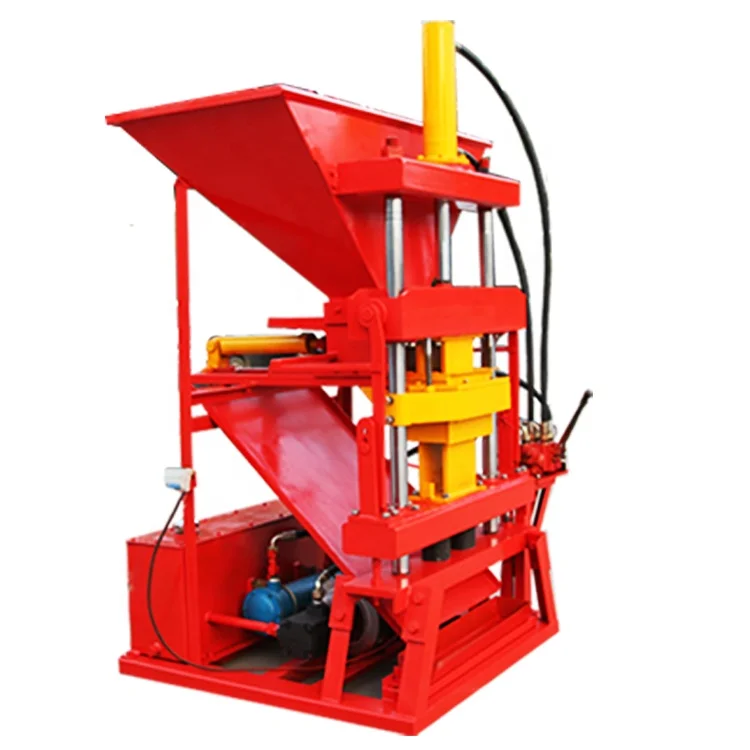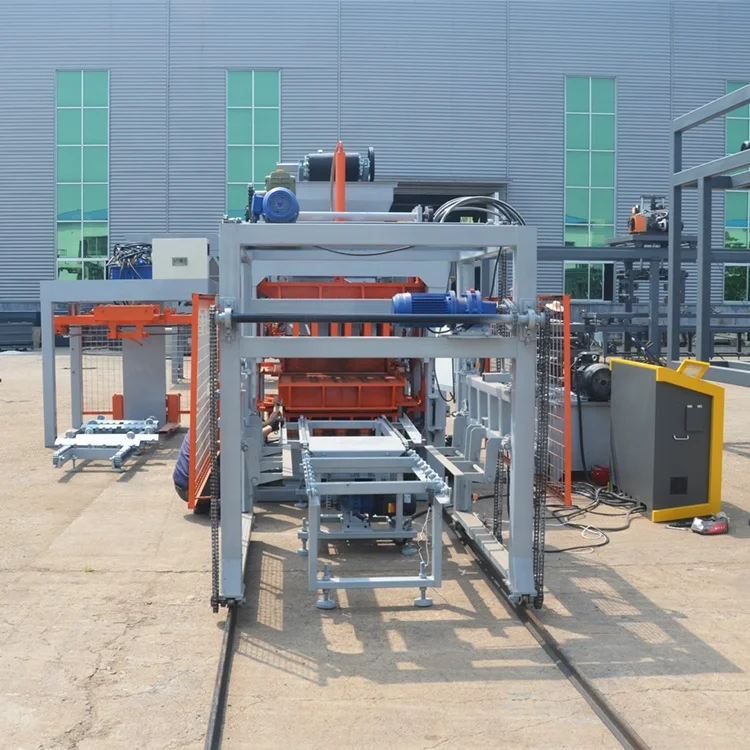
Description
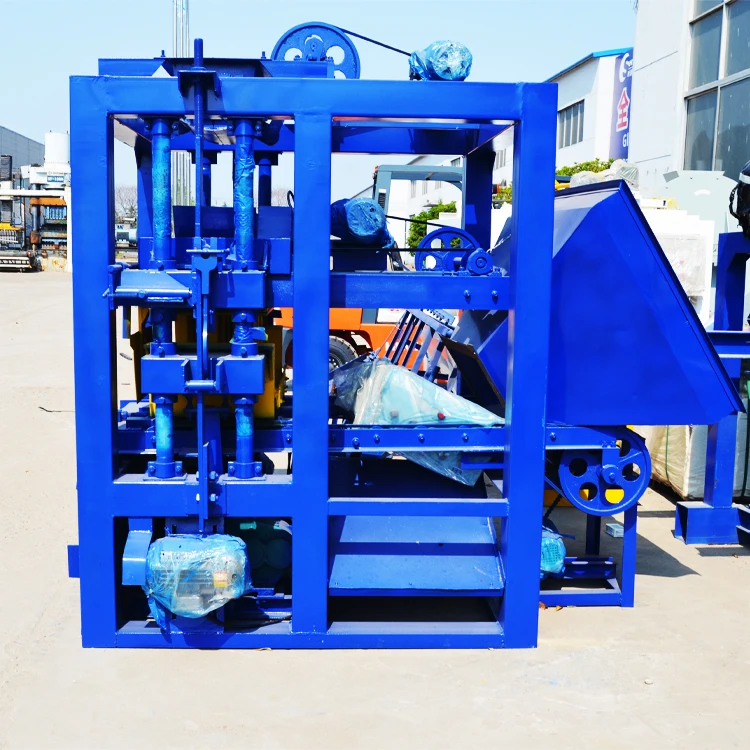
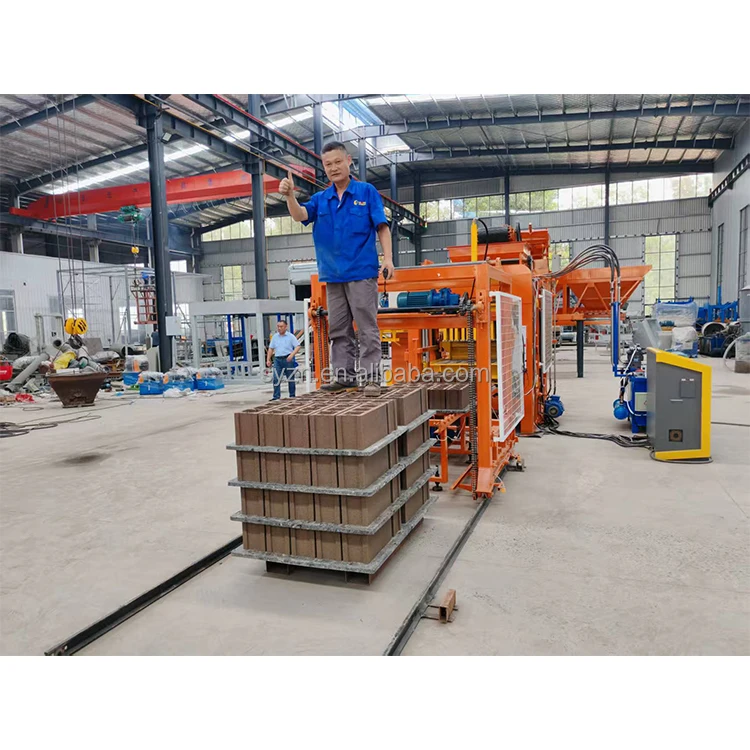
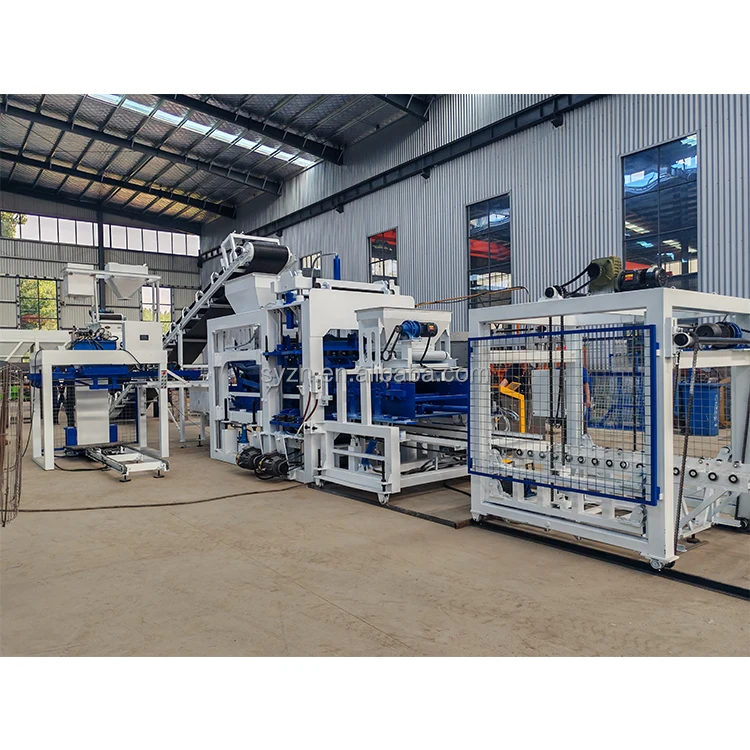
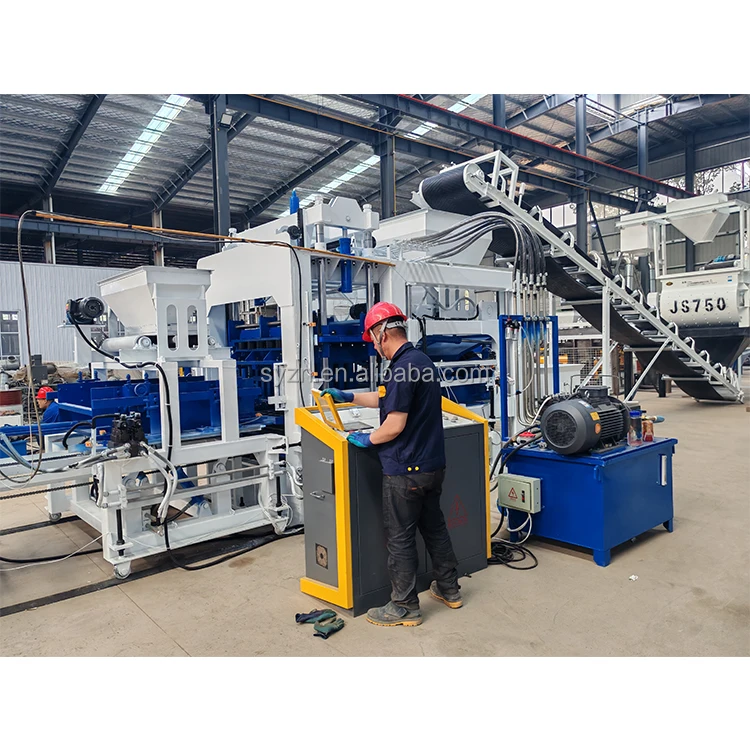
Stocked Configuration Ready — The QT8-15 block machine in stock ships as a matched system with standard moulds, container loading, and arrival estimates quoted before you commit.
Technical Specifications
| Parameter | Value |
|---|---|
| Model | QT8-15 |
| Product Type | Hydraulic Concrete Block Making Machine |
| Overall Dimensions (L×W×H) | 8300×1860×3000 mm |
| Total Mass | 8 T |
| Rated Pressure | 21 MPa |
| Vibration Force | 45 kN |
| Vibration Frequency | 2800–4500 r/min |
| Main Vibration Form | Platform Vibration |
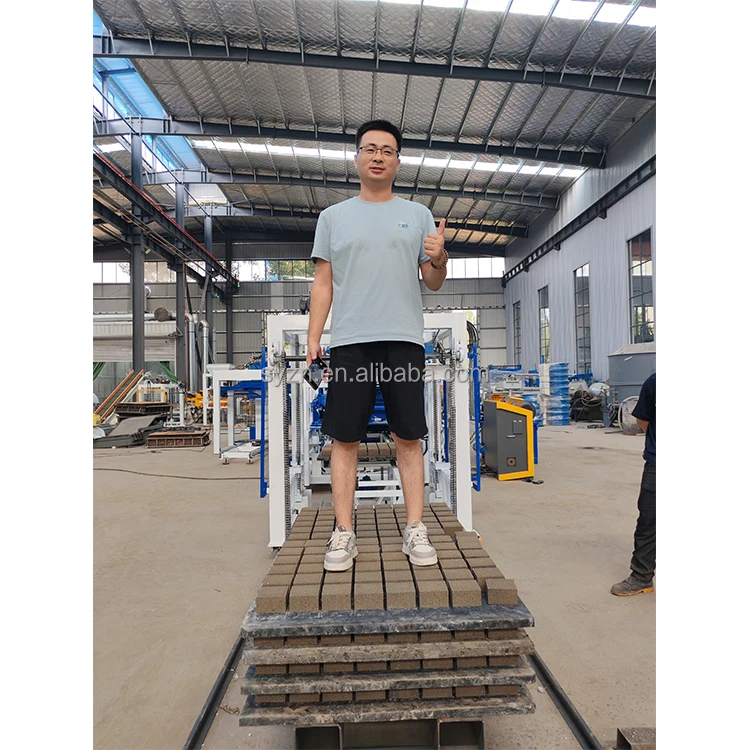
| Pallet Size | 950×900 mm |
| Molding Cycle | 15–20 s (basis not stated in source — confirm block format) |
| Overall Power | 55.5 kW |
| Demolding Method | Hydraulic |
| Factory Area | 300 m² |
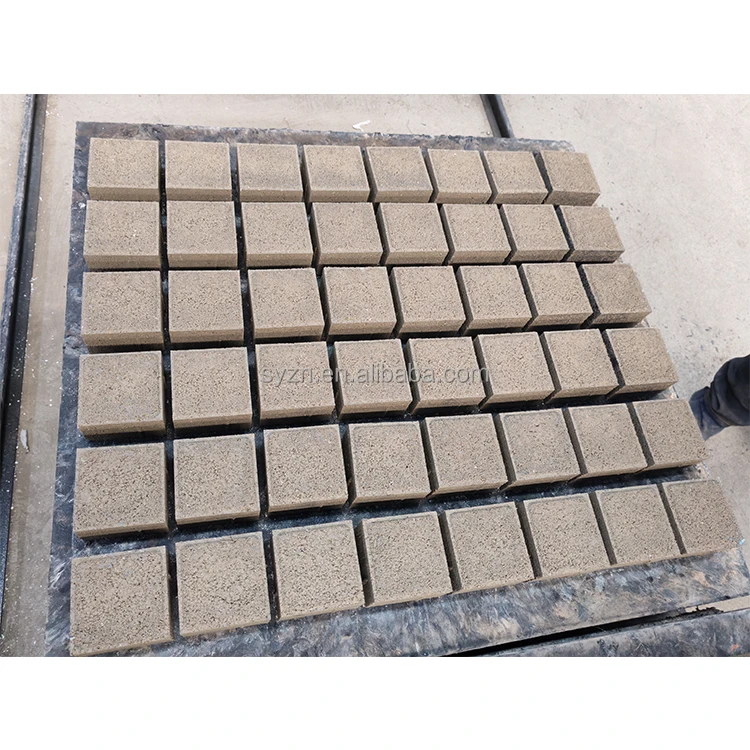
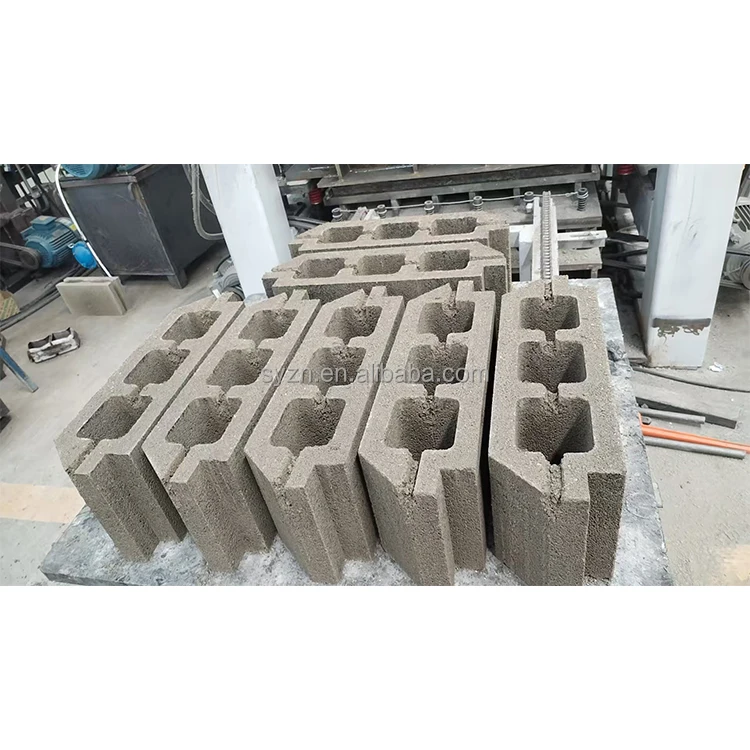
| Applied Products | Hollow/solid blocks, pavers, interlocking blocks, curbstone |
| Raw Materials | Crushed stone, sand, cement, fly ash, gravel, slag |
| Loading | 1×40HQ container (basic equipment) |
| Warranty | 1 year (excluding spare parts) |
Application Suitability
| Application | Material or Output |
|---|---|
| Housing project block supply | Concrete hollow blocks from crushed stone and cement |
| Paver production for municipal works | Colored concrete pavers from sand, cement, and pigment |
| Interlocking block manufacturing | Interlocking blocks from fly ash and gravel |
| Curbstone production | Solid concrete curbstones from slag and cement |
| On-site contractor production | Solid blocks from locally sourced aggregate |
Why Voltage Confirmation Must Happen Before Container Loading
A stocked machine dispatched with the wrong frequency rating will not run on arrival — it will sit idle while you source a transformer.
I learned this the hard way years ago when a block machine left the factory wired for 50Hz and arrived at a 60Hz site. The motor tripped the moment power was applied, and the project stalled for weeks while the buyer arranged a step-down transformer. Since then, every QT8-15 block machine in stock gets its voltage, frequency, and PLC display language locked in writing before it enters the container. [NEED_CITE: voltage and frequency standards by export market]
Skipping this step turns fast delivery into a delayed commissioning. The electrical panel is the last thing checked and the first thing that fails if assumptions replace written confirmation.
Container Loading and What Actually Ships
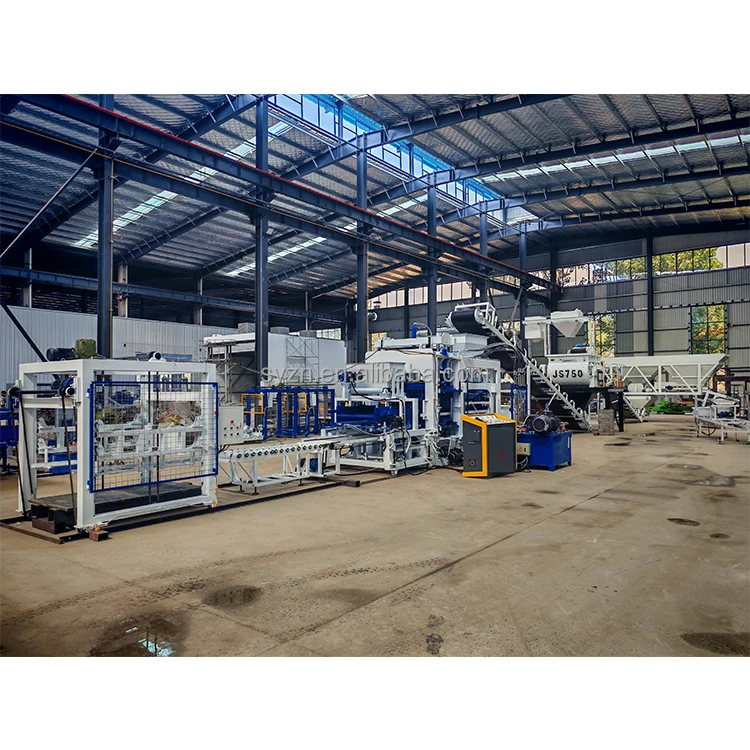
The basic QT8-15 equipment loads into a single 40HQ container. The 8 T total mass and 8300×1860×3000 mm frame dimensions fit standard container constraints when the press is dismantled for shipment. Buyers working against a project start date need to know exactly which components ride in that container and which items — such as pallets, curing racks, or additional moulds — ship in a separate consignment or require local sourcing. A clear packing list with the QT8-15 block machine in stock avoids dockside surprises.
Dispatch Timing for Project-Deadline Buyers
When a housing contractor needs block production running inside a fixed construction window, lead time is not a negotiation point — it is the deal itself. Stocked configurations with standard moulds can be dispatched faster than built-to-order lines. The dispatch window depends on current inventory of the chosen mould format, factory test scheduling, and container availability at the port. [NEED_CITE: typical container booking lead times at regional ports] Buyers should request a written dispatch date tied to a specific mould set rather than a general estimate.
Reading the Specs That Matter on Day One
The platform vibration system delivers 45 kN of vibration force across a 2800–4500 r/min frequency range. This force, combined with 21 MPa hydraulic pressure, determines how densely the mix is compacted before hydraulic demolding releases the green block. Density directly controls block strength and surface finish.
The 950×900 mm pallet size defines what curing rack system and forklift you need on the receiving end. If your existing curing area was built around a different pallet dimension, the blocks will not stack correctly, and you will be rearranging your entire curing yard after the machine arrives.
The 15–20 second molding cycle is stated without specifying which block format it assumes. A hollow block, a solid paver, and an interlocking brick each demand different vibration durations and hydraulic hold times. Confirm the cycle time against your actual target format so daily output expectations hold up on the first production shift.
What Happens When Pallet Size Is an Afterthought
A buyer once received a block press with pallets that did not match the curing racks already welded on site. The forklift tines were too narrow for the pallet overhang, and every pallet had to be manually repositioned before racking. Commissioning took twice as long as planned, and the crew spent the first week building adapter brackets instead of producing blocks. [NEED_CITE: common commissioning delays caused by equipment mismatch] With the QT8-15, verifying pallet compatibility with your existing material handling setup is a step that must happen before the container is sealed.
Why Buyers Source the QT8-15 From This Line
Block machinery is the single focus here, so the press, mould, pallet, and handling equipment are specified as one matched system rather than assembled from unrelated suppliers. Every stocked QT8-15 configuration is checked against the buyer’s target block format and local aggregate before dispatch. Standard moulds are available from inventory for common formats including hollow blocks, solid blocks, and pavers, reducing wait time for project-deadline buyers. Voltage, frequency, and control language are confirmed in writing and verified at the factory test bench before the machine enters the container. The loading plan for the 1×40HQ container is documented with photographs so you know exactly what arrives and in what condition.
Documentation & Verification
- Container loading plan with photographs showing the QT8-15 dismantled and secured for the 40HQ
- Voltage and frequency confirmation sheet signed by both parties before electrical assembly
- Factory test record on your specified block format before dispatch
- Standard mould drawing and format list for stocked moulds included in the shipment
- Packing list itemizing every component inside the container and any separate consignments
- CE declaration where applicable for the destination market
Installation, Commissioning & Support
- Foundation must support 8 T total mass across the 8300×1860 mm footprint within the 300 m² factory area
- Dedicated 55.5 kW power circuit required with voltage and frequency matching the confirmed electrical specification
- Machine arrives dismantled in 1×40HQ; reassembly guidance and alignment checks provided during commissioning
- First-run parameter setting covers vibration frequency, hydraulic pressure, and cycle timing for your block format
- Operator training includes mould change procedure and 950×900 mm pallet handling sequence
- Wear parts list and standard mould spares identified for your initial production run
What to Include in Your Inquiry
To get a firm dispatch date and container loading plan, share your target block format, required daily output, and the mould type you need from stock. Provide your site voltage, frequency, and preferred PLC display language so the electrical panel is built correctly before the machine leaves the factory. [NEED_CITE: CE machinery directive requirements for industrial equipment] If you have existing curing racks or forklifts, include their dimensions so pallet compatibility is verified before shipment.
Frequently Asked Questions
Q: Is the QT8-15 currently in stock, or what is the dispatch lead time?
A: Stocked QT8-15 configurations with standard moulds are available for faster dispatch than built-to-order lines. The exact lead time depends on current inventory of your chosen mould format and factory test scheduling. Request a written dispatch date tied to your specific block format and mould set before placing the order.
Q: What is included in the 1×40HQ container for basic equipment?
A: The basic equipment loading covers the dismantled press, hydraulic system, and control cabinet secured inside a single 40HQ container. Pallets, curing racks, additional moulds, and raw material handling equipment may ship separately. A detailed packing list with photographs is provided before the container is sealed.
Q: Can voltage, frequency, and control language be confirmed before shipment?
A: Yes. Voltage, frequency, and PLC display language are confirmed in writing and verified at the factory test bench before the QT8-15 enters the container. This prevents commissioning delays caused by electrical mismatch at the destination site.
Q: Which standard moulds are in stock, and what about custom moulds?
A: Standard moulds for hollow blocks, solid blocks, and pavers are typically available from stock for faster dispatch. Custom moulds built to buyer drawings require additional lead time for design, machining, and factory testing. Confirm your required format at the inquiry stage.
Q: How is the machine dismantled for shipment and reassembled on arrival?
A: The QT8-15 is dismantled into major assemblies to fit the 8 T mass into a 1×40HQ container. Reassembly guidance covers frame alignment, hydraulic reconnection, and electrical panel integration. On-site commissioning includes parameter setting for your target block format and operator training.