Description
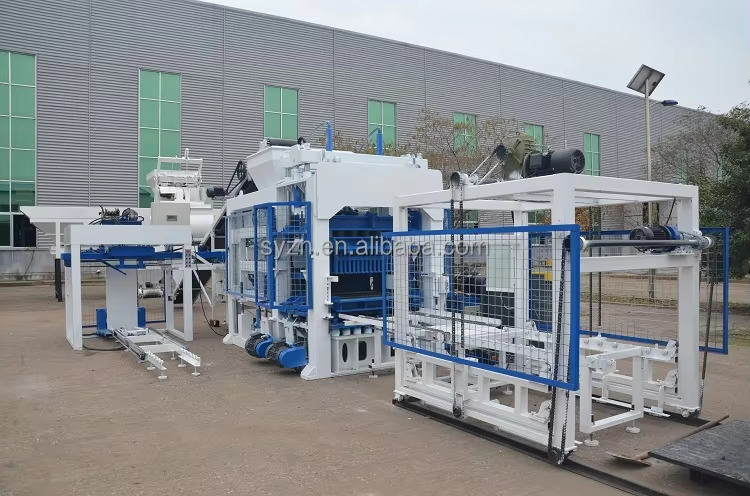
Stocked Mould Compatibility — Standard moulds for high-demand formats are kept alongside the main press, allowing immediate container loading without waiting for custom fabrication.
Technical Specifications
| Parameter | Value |
|---|---|
| Model | QT10-15 |
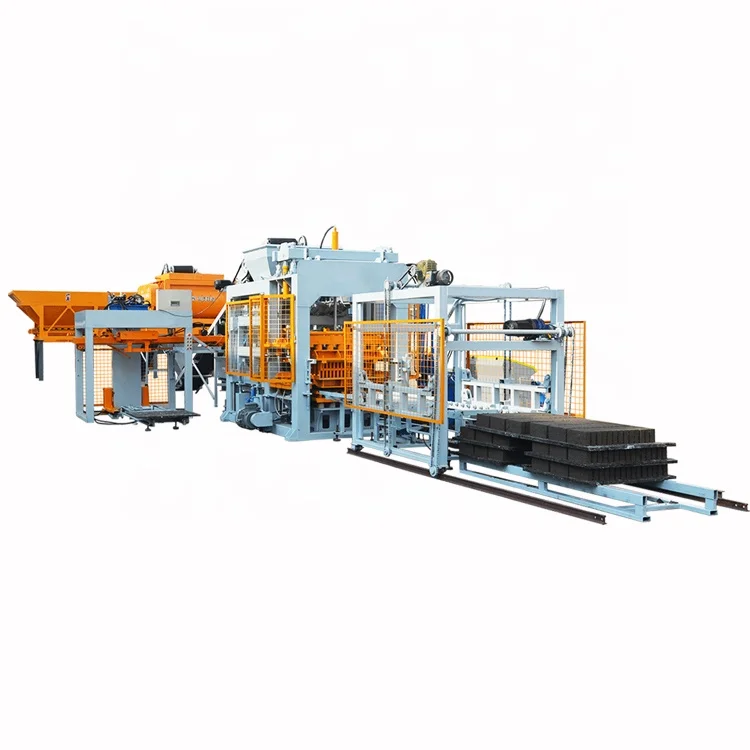
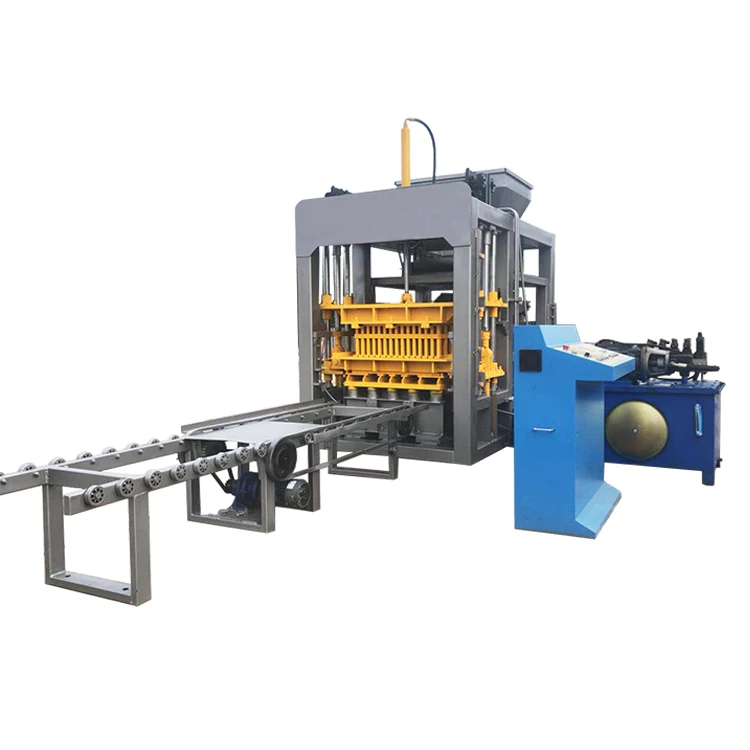
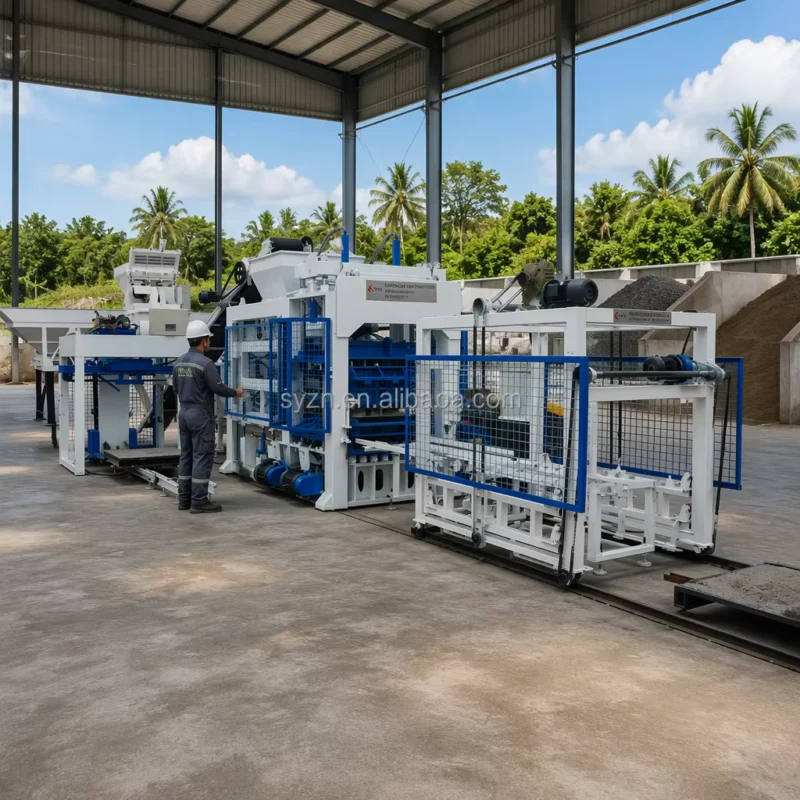
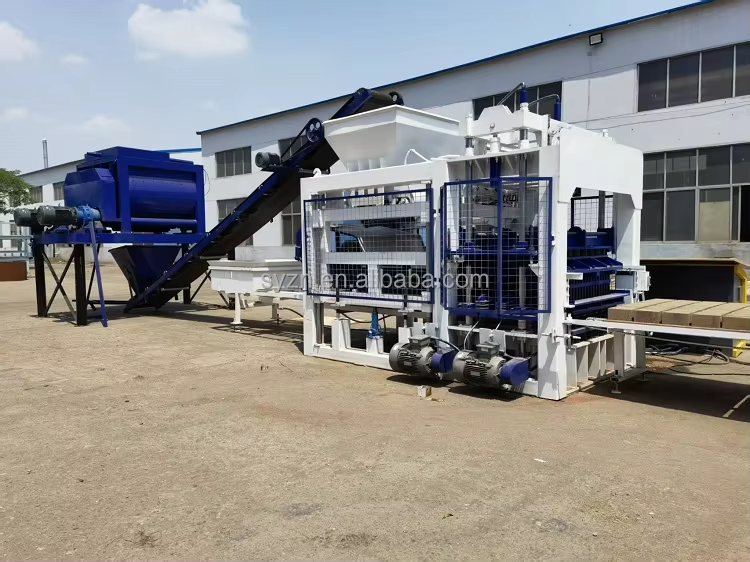
| Product Type | Fully Automatic Block Making Machine |
| Overall Power | 52 kW |
| Voltage | Customer local voltage |
| Control System | PLC |
| Overall Dimensions (L×W×H) | 9350×2320×2950 mm |
| Weight | 10000 kg |
| Hydraulic Pressure | 21 MPa |
| Vibration Form | Platform Vibration |
| Vibration Frequency | 2800-4500 r/min |
| Molding Cycle | 15-25 seconds (basis to be confirmed) |
| Pallet Size | 1150×900 mm |
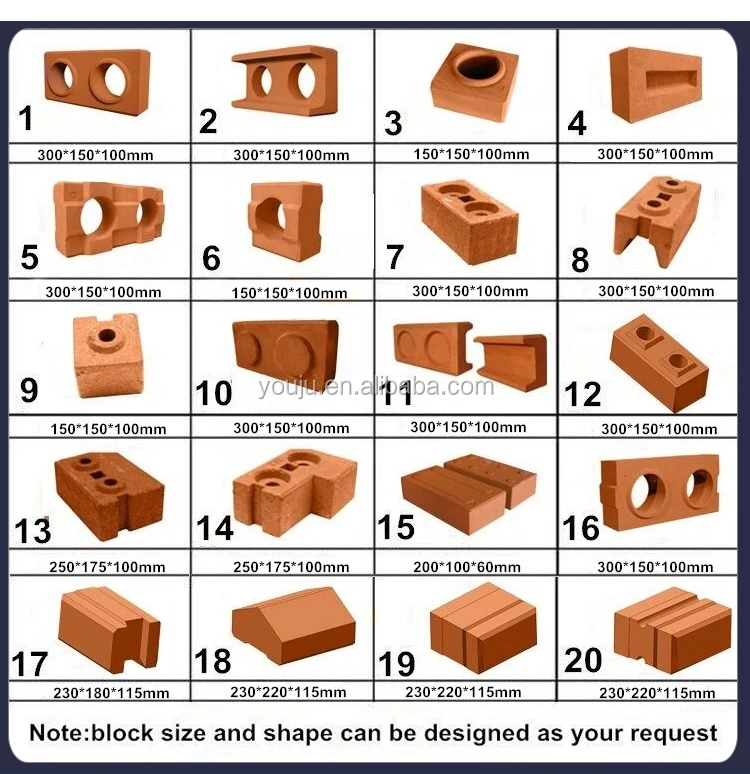
| Brick Sizes Supported | 400×100×200 mm, 400×120×200 mm, 200×100×60 mm, 300×150×100 mm, 400×150×200 mm, 240×115×90 mm, 200×200×60 mm, 150×150×100 mm, 400×200×200 mm, 230×220×115 mm, and custom formats |
| Color | Customizable upon request |
| Warranty | 1 Year |
Application Suitability
| Application | Material or Output |
|---|---|
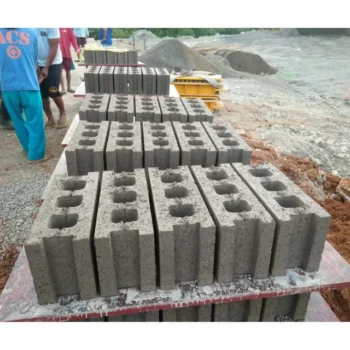
| Hollow block production | Cement and concrete raw materials |
| Paving block production | Cement and concrete raw materials |
| Interlock block production | Cement and concrete raw materials |
| Curbstone block production | Cement and concrete raw materials |
Why Electrical Verification Must Precede Dispatch
Confirming the exact voltage and frequency prevents weeks of on-site rewiring.
I once flew to Latin America to rewire a control cabinet for three weeks because the local grid frequency was never verified before the equipment left the factory. When you are working against a strict construction deadline, a fully automatic line sitting idle due to a voltage mismatch is an unacceptable delay. Securing a QT10-15 block making machine in stock solves the manufacturing wait, but the electrical parameters must be locked in before it enters the container [NEED_CITE: international voltage and frequency standards for heavy machinery].
Container Loading and Dismantling Logistics
Moving a 10000 kg unit requires a precise dismantling plan to maximize container space and protect critical components during ocean transit. The 9350×2320×2950 mm footprint is broken down systematically, ensuring the hydraulic station and PLC cabinet are secured against shifting. Having a QT10-15 block making machine in stock means this loading sequence is already mapped out, eliminating the guesswork that typically delays port departure.
Upfront Arrival Estimates for Project Scheduling
Construction handover dates do not shift for machinery delays. We provide clear dispatch lead times and realistic arrival estimates based on the destination port and current shipping routes. Buyers securing a QT10-15 block making machine in stock receive a documented timeline, allowing site managers to schedule foundation pouring and forklift availability for the exact day the container arrives [NEED_CITE: typical ocean freight transit times for industrial equipment].
Platform Vibration and Pallet Standardization
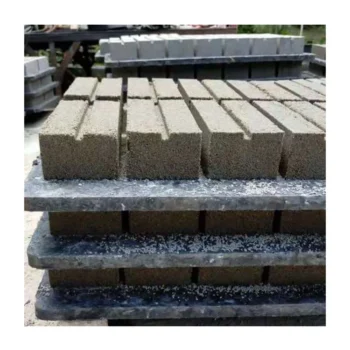
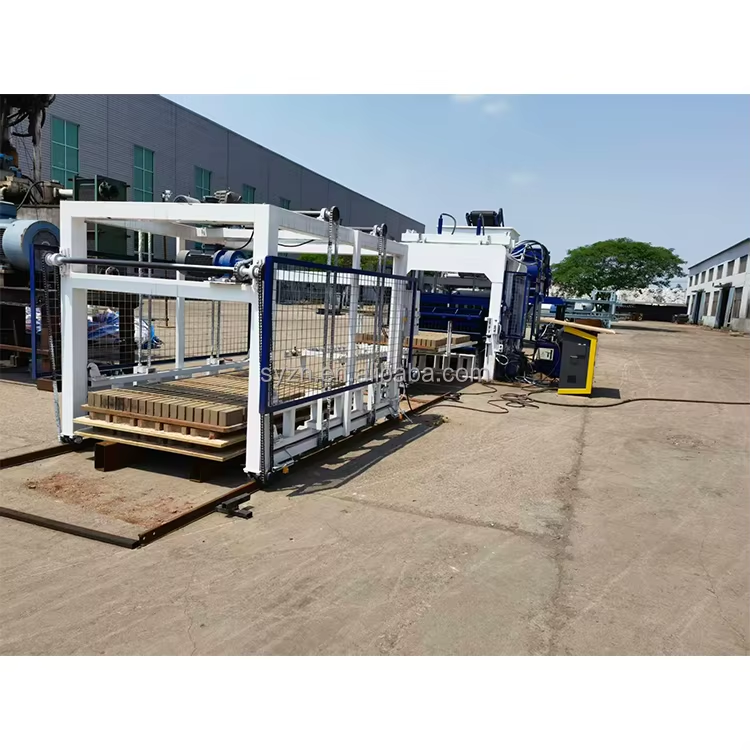
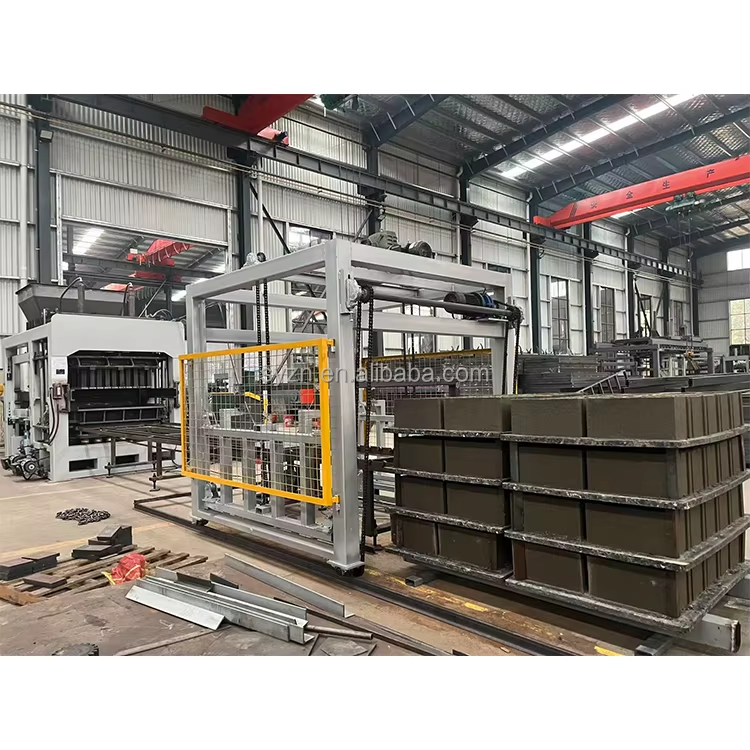
The 2800-4500 r/min platform vibration works in tandem with 21 MPa hydraulic pressure to consolidate the concrete mix within the mould. This heavy-duty assembly relies on the standardized 1150×900 mm pallet size, which is deliberately chosen to match the dimensions of common site forklifts. Standardizing the pallet footprint ensures that freshly pressed blocks can be moved to the curing area immediately without requiring specialized handling equipment.
The Hidden Cost of Rushed Dispatch
Skipping the outgoing inspection to meet an arbitrary shipping window often results in damaged hydraulic lines or uncalibrated sensors upon arrival. A rushed dispatch might get the equipment on the boat faster, but it transfers the troubleshooting burden directly to your site crew. Replacing a faulty PLC module or repairing a leak in the 21 MPa system on a foreign job site costs far more time than a thorough factory test [NEED_CITE: common causes of hydraulic failure in block making machinery].
Why Source Your Equipment Here
We maintain a dedicated inventory of core models, allowing us to bypass the typical multi-week manufacturing queue for urgent projects. Every stocked unit undergoes the same rigorous testing protocol as a custom build, ensuring no compromises on mechanical integrity. Our logistics team handles the complex dismantling and container loading, providing you with a predictable arrival schedule. We double-check every electrical and control specification against your local grid requirements before the crate is sealed. This disciplined approach ensures the equipment powers up correctly the moment it is reassembled on your site.
Documentation & Verification
- Factory test record confirming hydraulic pressure and vibration frequency before dispatch
- Video outgoing-inspection showing the exact stocked unit running under load
- Machine specification sheet detailing the 52 kW power draw and dimensions
- Container loading plan illustrating the dismantling sequence for the 10000 kg frame
- Customs documentation support to accelerate port clearance upon arrival
Installation, Commissioning & Support
- Foundation requirements mapped to the 9350×2320×2950 mm overall dimensions
- Dedicated electrical circuit planning for the 52 kW overall power draw
- Reassembly guidance for the dismantled hydraulic and control components
- PLC parameter setup calibrated to your specific local voltage and frequency
- Operator training focused on pallet feeding and safe mould change procedures
- Wear parts list identifying high-friction components for your initial spare inventory
Prepare Your Site Requirements
To finalize the dispatch of this equipment, please provide your local voltage and grid frequency to ensure the control cabinet is configured correctly. We also need to know your destination port to calculate the most accurate arrival estimate for your project schedule. Finally, confirm the available ceiling height at your facility to accommodate the 2950 mm machine height during reassembly.
Frequently Asked Questions
Q: What is the exact dispatch lead time and estimated arrival for the stocked unit?
A: Because the unit is already assembled and tested, it bypasses the standard manufacturing queue. Once your voltage and control language are confirmed, the machine is dismantled and loaded into containers within a few days. We then provide an upfront arrival estimate based on current shipping routes to your specific destination port, allowing you to plan your site preparation accurately.
Q: How is the machine dismantled and loaded into containers for shipment?
A: The 10000 kg frame and 9350×2320×2950 mm structure are systematically broken down into container-sized modules. The hydraulic station, PLC cabinet, and vibration platform are secured separately to prevent transit damage. We provide a detailed container loading plan and dismantling guide so your local crew can efficiently reassemble the components in the exact reverse order upon arrival.
Q: Can the voltage and control language be adjusted before the in-stock unit ships?
A: Yes, this is a mandatory step before dispatch. I previously spent weeks rewiring a control cabinet overseas because the local frequency was overlooked. To prevent this, we verify your exact grid specifications and reconfigure the PLC display language in our factory. The unit is then tested under these exact parameters to ensure it powers up immediately upon site reassembly.
Q: What standard pallets are included and ready to ship with the machine?
A: The machine is configured for 1150×900 mm pallets, a size selected to integrate smoothly with standard site forklifts. We include an initial batch of these pallets in the shipment so you can begin moving blocks to the curing area on day one. If your facility uses a different handling system, let us know during the ordering process to adjust the pallet specification.
Q: How do you handle customs documentation and provide upfront arrival estimates?
A: We supply a complete set of customs documentation, including the machinery test report, commercial invoice, and packing list, to accelerate port clearance. By tracking the vessel schedule from the moment the container is sealed, we provide a realistic arrival estimate. This transparency allows project managers to align their construction milestones with the equipment delivery date.