

QT Fully Automatic Block Machine Warranty & Duty Cycle Standards for Sale
Most buyers assume a one-year warranty covers unlimited operation; in reality, it assumes standard duty cycles that are rarely met in high-intensity markets.
Warranty coverage applies strictly to manufacturing defects under specified operational limits, while duty cycle defines the mechanical endurance of the equipment. Conflating these two concepts leads to premature hydraulic failure and voided claims, particularly in tropical climates where ambient heat accelerates thermal stress beyond standard design parameters. A fully automatic block machine warranty is not an insurance policy against overuse; it is a legal guarantee of component integrity within defined engineering boundaries.
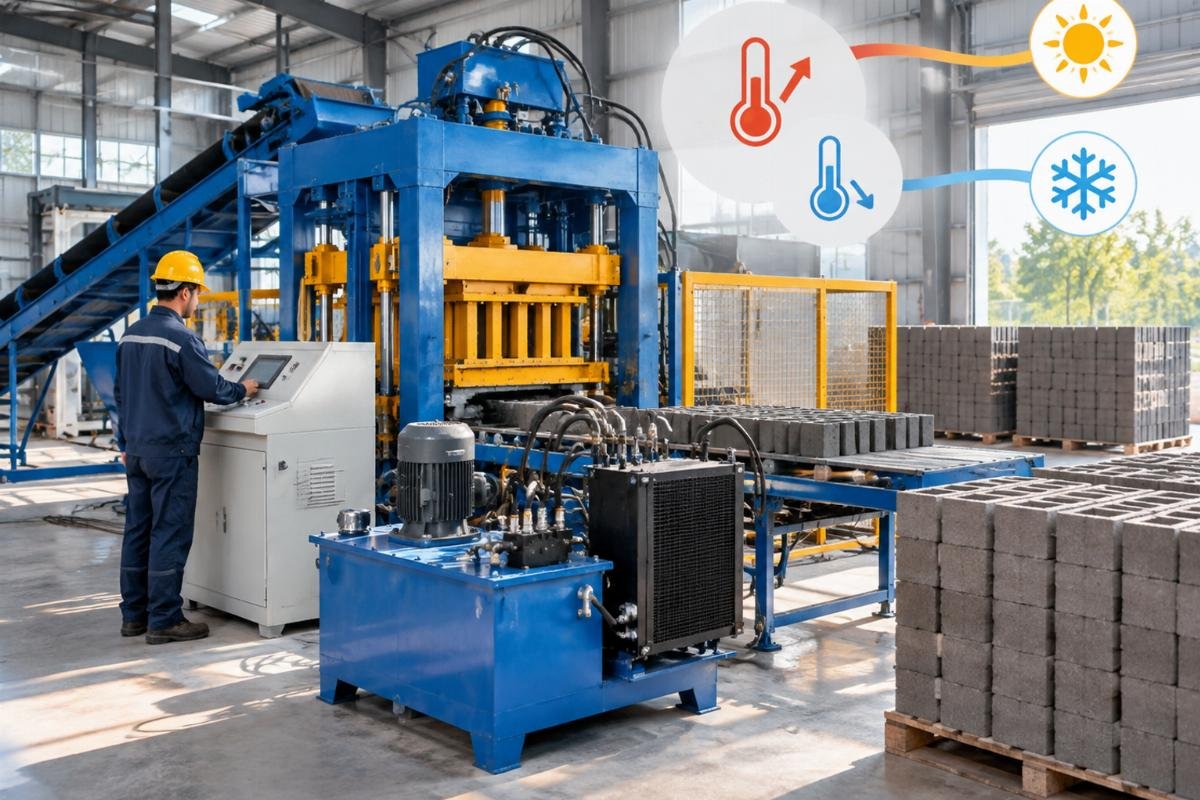
Understanding this distinction is critical for plant investors and procurement managers who face pressure to maximize output. The confusion often arises during the negotiation phase, where "24/7 capability" is marketed as a feature without clarifying the maintenance intervals required to sustain it. By separating liability boundaries from operational limits, buyers can avoid costly disputes and ensure their production lines remain viable under continuous load.
What Is the Real Difference Between Warranty and Duty Cycle?
Warranty is a legal guarantee of quality; duty cycle is an engineering limit of endurance. This fundamental difference dictates how a fully automatic block machine warranty should be interpreted in a commercial contract. Most standard warranties cover structural frames, main hydraulic pumps, and PLC controllers for a set period, typically assuming an eight-to-ten-hour daily operation schedule. When a plant operates beyond this window without adjusted maintenance protocols, the equipment enters a high-stress zone that standard coverage does not address.
The duty cycle refers to the ratio of time the machine is actively producing blocks versus time spent in rest or maintenance modes. For a QT series machine, this involves the cyclic loading of the vibration table, the pressure peaks in the molding system, and the thermal load on the hydraulic power unit. Ignoring these limits does not just risk breakdown; it fundamentally alters the wear rate of consumable components. [NEED_CITE: ISO standards for construction machinery duty classification]
In practice, this means that a claim for a failed solenoid valve will be honored if the failure is due to a manufacturing defect in the coil. However, if the investigation reveals that the control cabinet cooling system was overwhelmed because the machine ran double shifts in a non-air-conditioned shed, the claim may be rejected. The manufacturer did not fail to provide a working part; the operator failed to maintain the environmental conditions required for that part’s survival. This nuance is often missing from initial sales discussions but becomes the focal point of post-sale friction.
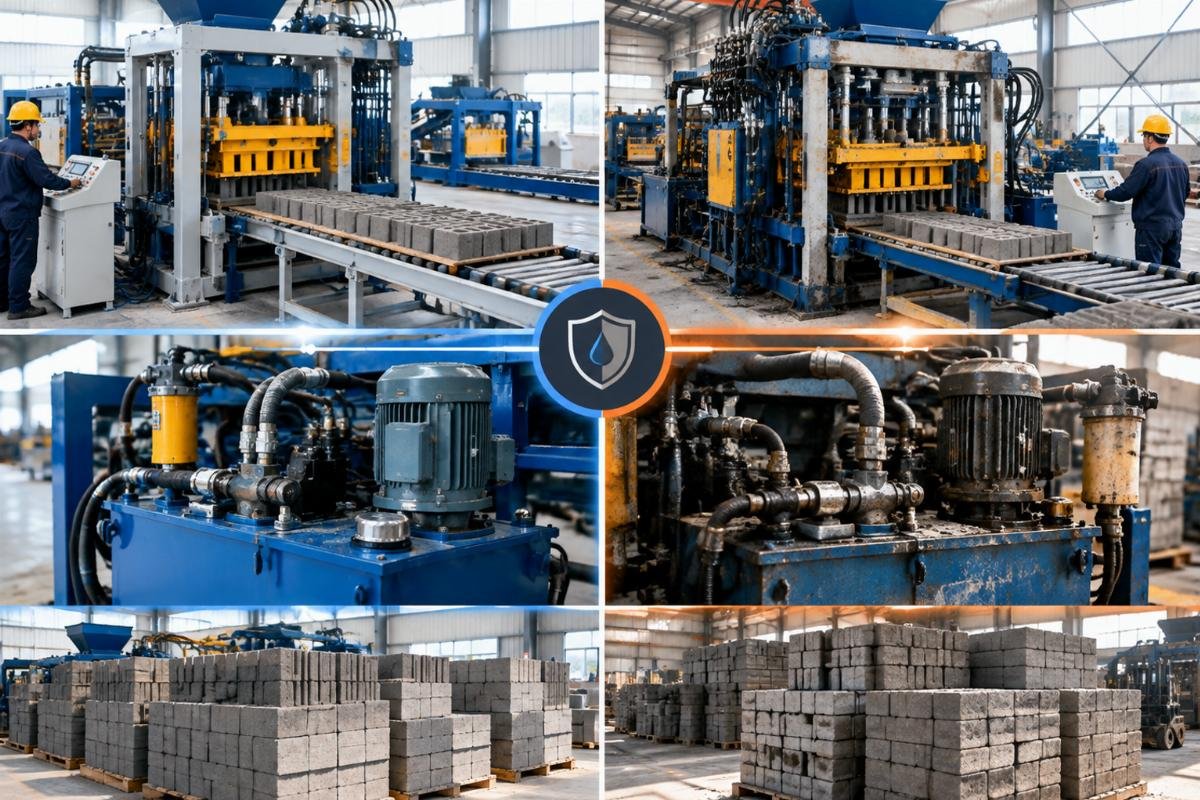
Buyers must recognize that the fully automatic block machine warranty is designed to protect against inherent flaws, not operational abuse. Defining the duty cycle in the technical annex of the purchase agreement helps align expectations. It specifies maximum daily hours, mandatory cooldown periods, and ambient temperature thresholds. Without this clarity, both parties operate under different assumptions about what constitutes "normal use," leading to inevitable disagreement when components fail earlier than anticipated.
Why Do Tropical Climates Accelerate Warranty Claims?
High humidity and heat reduce hydraulic efficiency, requiring adjusted duty cycles not always specified in basic contracts. In regions like Southeast Asia and West Africa, ambient temperatures frequently exceed thirty degrees Celsius, creating a thermal baseline that challenges standard cooling systems. A fully automatic block machine warranty often becomes a point of contention here because the failure mode is rarely a sudden breakage but a gradual degradation of seals and oil viscosity.
Consider a project in Jakarta where the local contractor expected true twenty-four-seven operation. The machine was installed in an open-sided shed with minimal airflow. Within months, the hydraulic oil temperature rose consistently above safe operating limits during peak afternoon hours. The resulting thermal expansion caused minor leaks at cylinder seals, which the operator tightened repeatedly until the rods scored. When the buyer requested coverage under the fully automatic block machine warranty, the manufacturer pointed to the installation environment as the primary cause. The issue was not a defective seal but an inadequate thermal management protocol for the specific climate. [NEED_CITE: Hydraulic fluid thermal degradation rates in tropical environments]
This scenario highlights a common oversight: the assumption that industrial equipment designed in temperate zones performs identically in the tropics. The digital direction for avoiding this pitfall involves monitoring the hydraulic oil temperature rise rate against ambient temperature. If the delta exceeds a certain threshold, it indicates that the cooling system is undersized for the local conditions or that the duty cycle is too aggressive.
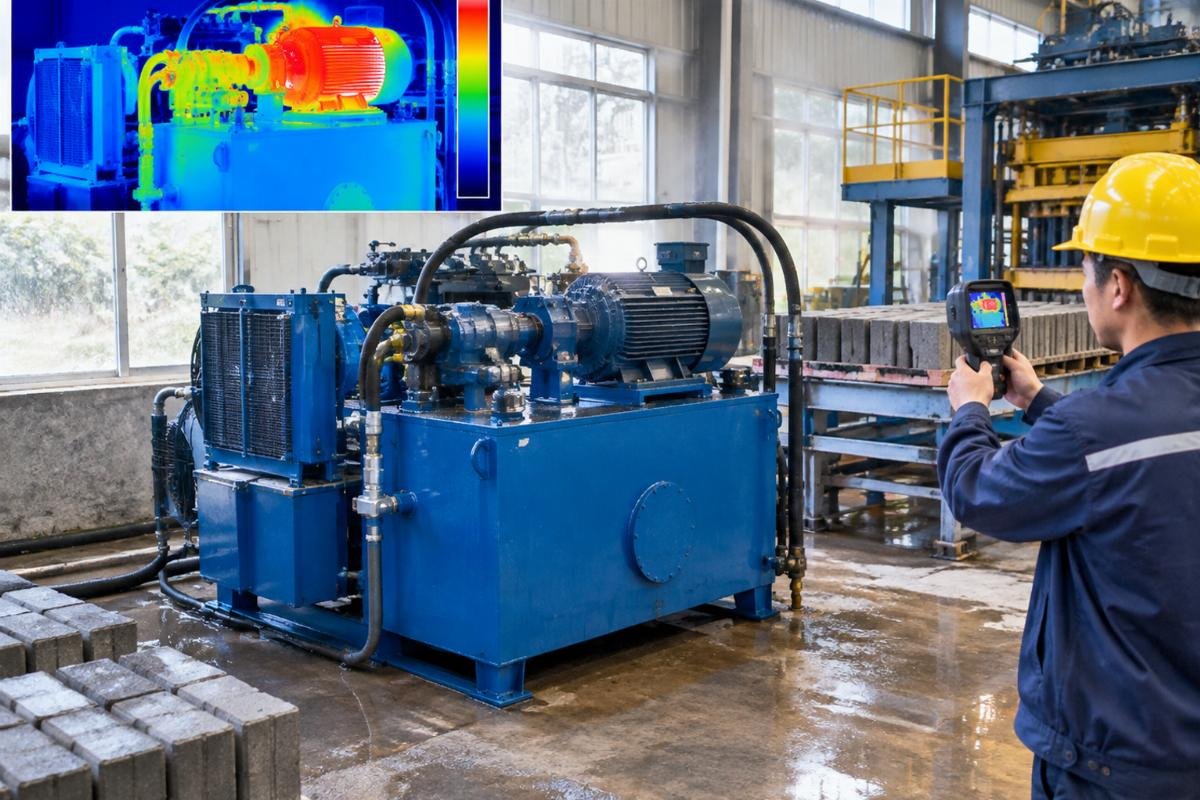
To mitigate this, contracts for tropical deployments should include specific thermal management protocols. This might involve specifying larger radiator capacities, mandatory mid-day shutdowns for cooling, or the use of high-viscosity-index hydraulic oils. By addressing these environmental factors upfront, the fully automatic block machine warranty remains focused on genuine manufacturing issues rather than becoming a battleground for climate-induced wear. Buyers who insist on clear technical standards for tropical operation protect their investment and maintain a healthier relationship with the supplier.
How to Define "Continuous Operation" in Your Contract?
Specify max daily hours, mandatory cooldown periods, and ambient temperature thresholds to protect both buyer and seller. The term "continuous operation" is often used loosely in marketing materials, implying that the machine can run indefinitely without pause. In engineering terms, however, every mechanical system requires rest intervals to dissipate heat and relieve stress. A well-drafted fully automatic block machine warranty will explicitly define what constitutes continuous operation to prevent ambiguity.
Defining this parameter involves three key elements. First, establish the maximum number of operating hours per day. While a machine may be capable of running sixteen hours, the warranty might only cover defects arising from ten hours of standard use. Second, mandate cooldown periods. For example, after every four hours of production, a thirty-minute idle period allows the hydraulic system to stabilize. Third, set ambient temperature thresholds. If the factory temperature exceeds a certain level, the duty cycle must be reduced to compensate for reduced cooling efficiency.
A case from a Latin American precast plant illustrates the importance of this definition. The operator ran the QT line for twelve hours straight without breaks to meet a tight deadline. The PLC control board failed due to heat accumulation in the cabinet. The initial claim was denied because the operating manual specified a maximum continuous runtime of eight hours before a mandatory check. Had the contract included a clear definition of continuous operation with associated penalties for exceeding it, the dispute could have been avoided. Instead, the buyer faced significant downtime and replacement costs. [NEED_CITE: Electrical component lifespan reduction per hour of overtime operation]
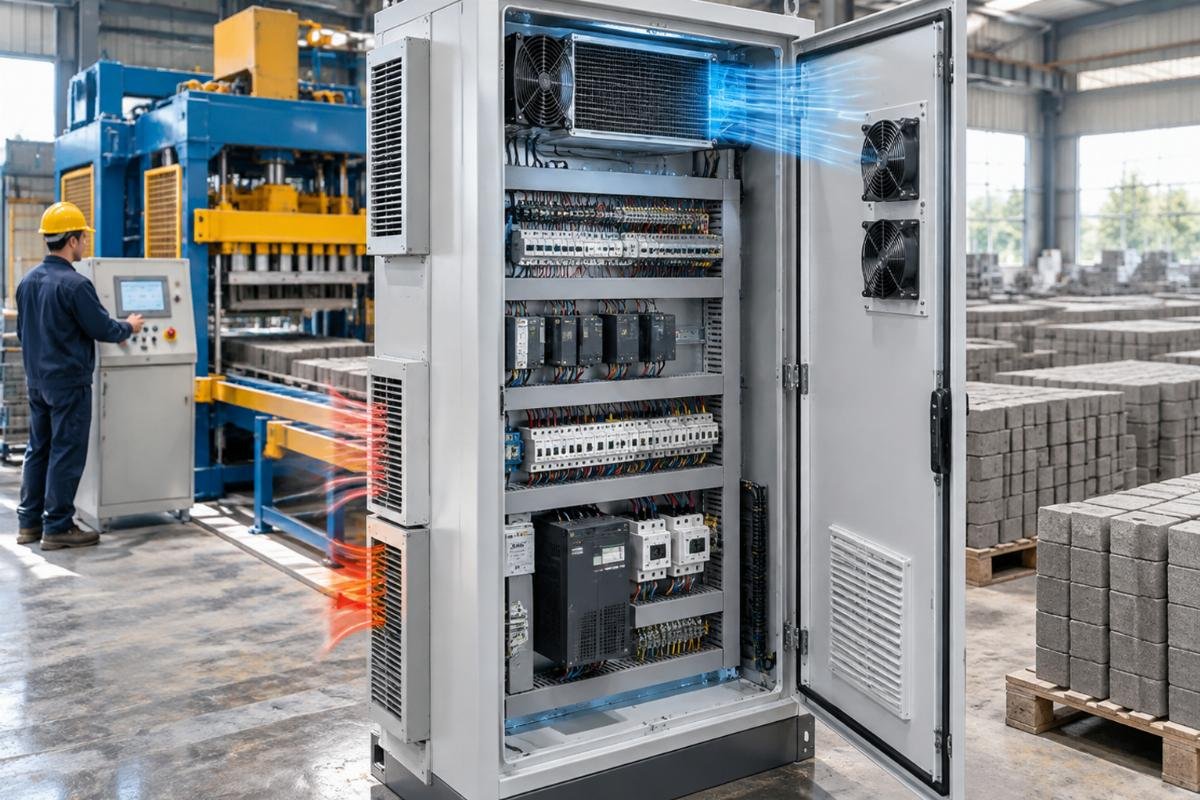
Including these specifics in the technical annex of the sales agreement ensures that both parties understand the operational limits. It transforms the fully automatic block machine warranty from a vague promise into a precise framework for liability. For buyers, this means knowing exactly how hard they can push the equipment without voiding coverage. For sellers, it provides a clear benchmark for evaluating whether a failure is due to product quality or operational excess. This clarity is essential for maintaining trust and ensuring long-term equipment reliability.
Which Components Are Actually Covered Under "Whole Machine" Warranty?
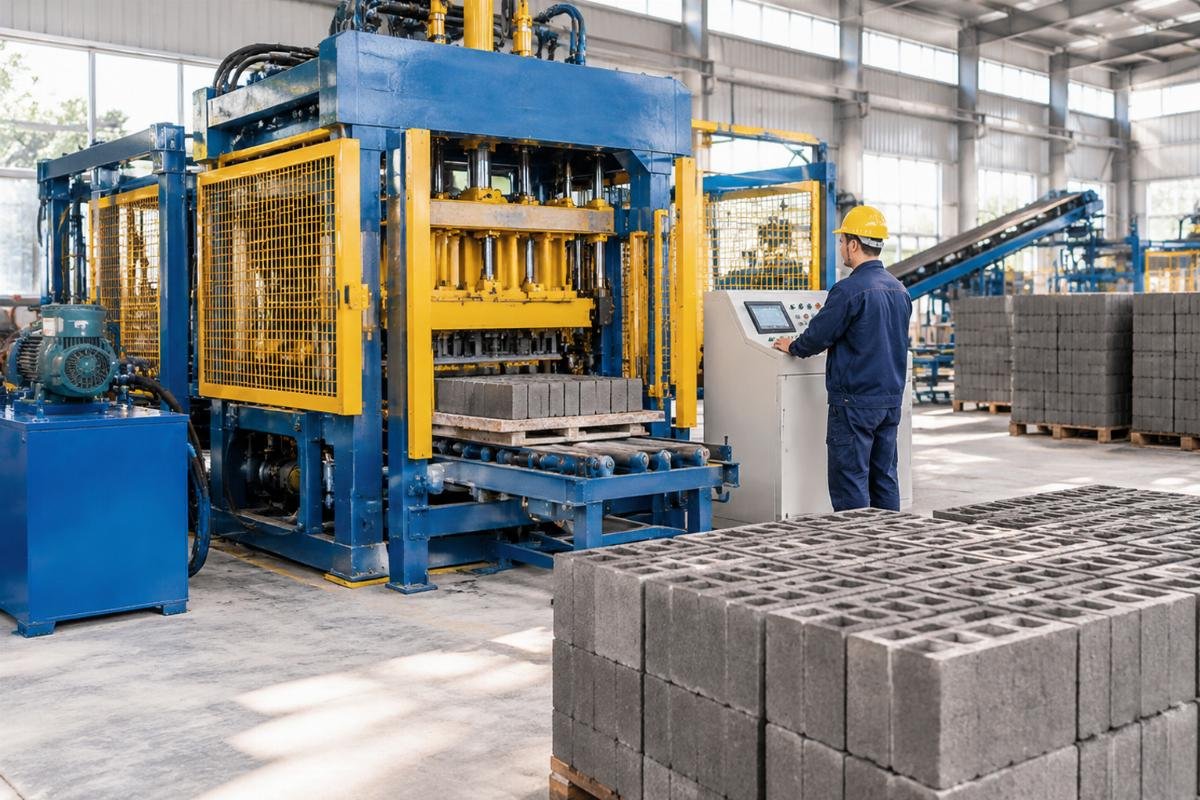
Distinguish between core structural integrity and consumable wear parts. The phrase "whole machine warranty" is frequently misunderstood by buyers who expect every component to be covered for the same duration. In reality, a fully automatic block machine warranty typically categorizes components into different tiers based on their expected lifespan and function. Structural elements like the main frame and vibration box may carry a longer coverage period, while hydraulic seals, mold liners, and sensors are often classified as wear parts with limited or no coverage.
Component ambiguity is a major source of dispute. A buyer might assume that a leaking hydraulic cylinder is covered under the whole machine warranty, only to find that the seal kit is considered a consumable item. Similarly, mold liners that wear down after processing thousands of tons of abrasive aggregate are not manufacturing defects but expected outcomes of normal use. Understanding this distinction helps buyers budget for maintenance and avoid surprise expenses. [NEED_CITE: Standard industry practices for wear part exclusion in heavy machinery warranties]
To navigate this, buyers should request a warranty boundary matrix from the supplier. This document lists each major component and its corresponding coverage status. For instance, the PLC system might be covered for one year, while the vibration motor bearings are covered for six months. Mold assemblies might be excluded entirely after the initial commissioning period. This transparency allows for better financial planning and reduces the likelihood of conflict when parts need replacement.
In some cases, suppliers offer extended warranty packages for critical components like the PLC or main pump. These options can be valuable for plants operating in harsh conditions where the risk of failure is higher. However, even with extended coverage, the duty cycle limits still apply. Exceeding the recommended operational hours will likely void any additional protection. Therefore, the fully automatic block machine warranty must be viewed as part of a broader maintenance strategy, not a standalone safety net. By clearly defining which components are covered and under what conditions, buyers can make informed decisions about their equipment investment.
Conclusion
Warranty protects against defects; duty cycle protects against exhaustion.
Clarifying the boundary between these two concepts prevents costly misunderstandings in high-intensity markets. A robust fully automatic block machine warranty relies on clear technical definitions of operational limits, especially in challenging climates. Buyers who prioritize these details in their contracts ensure longer equipment life and smoother production outcomes.
Leave a Reply