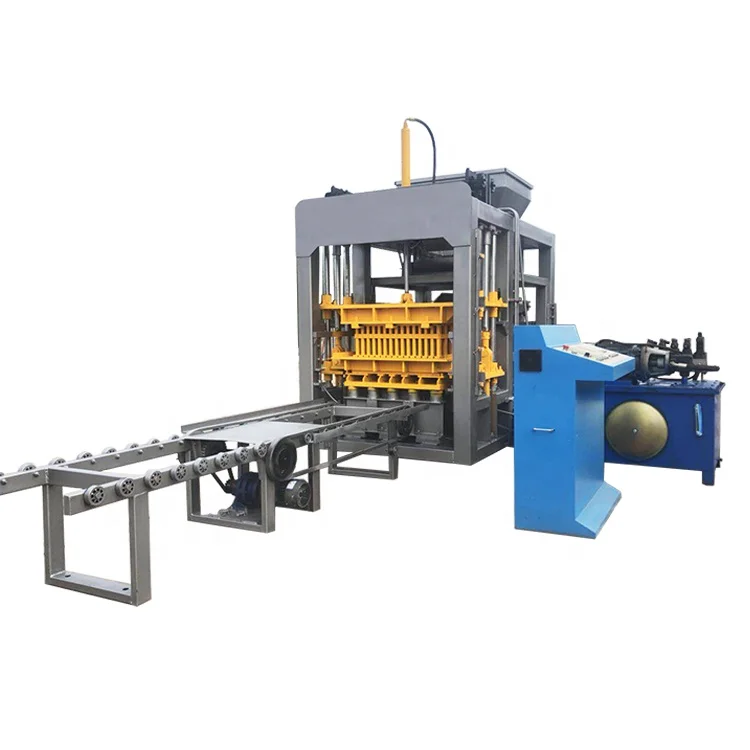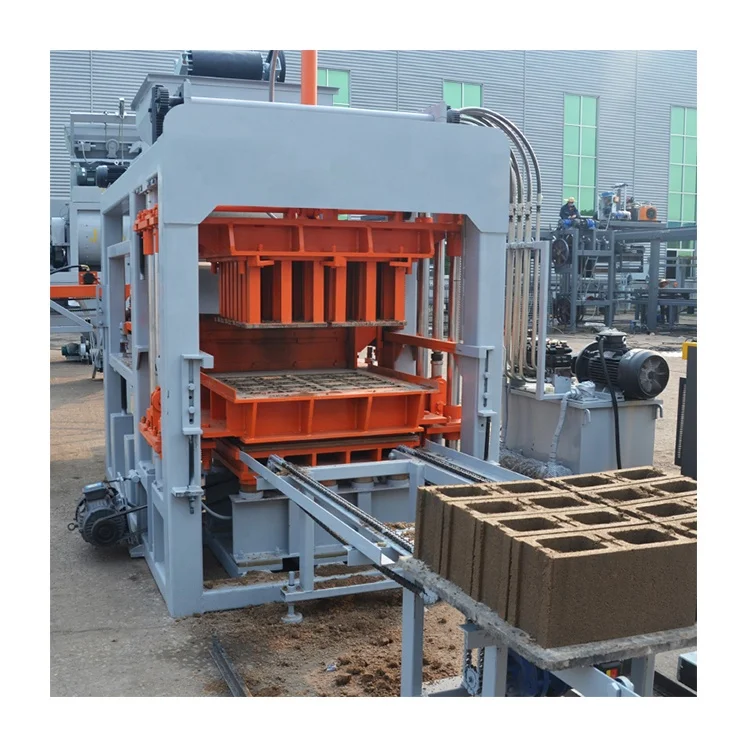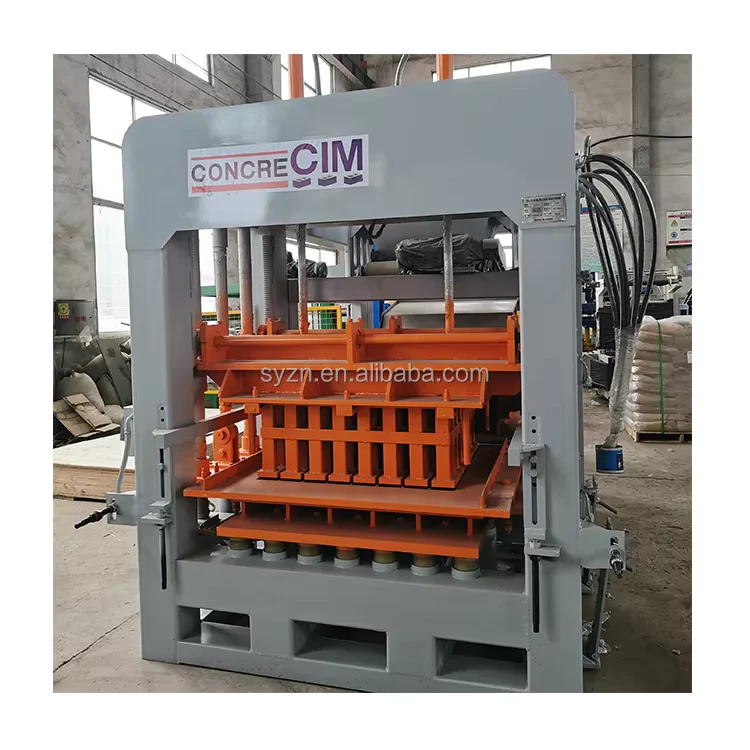
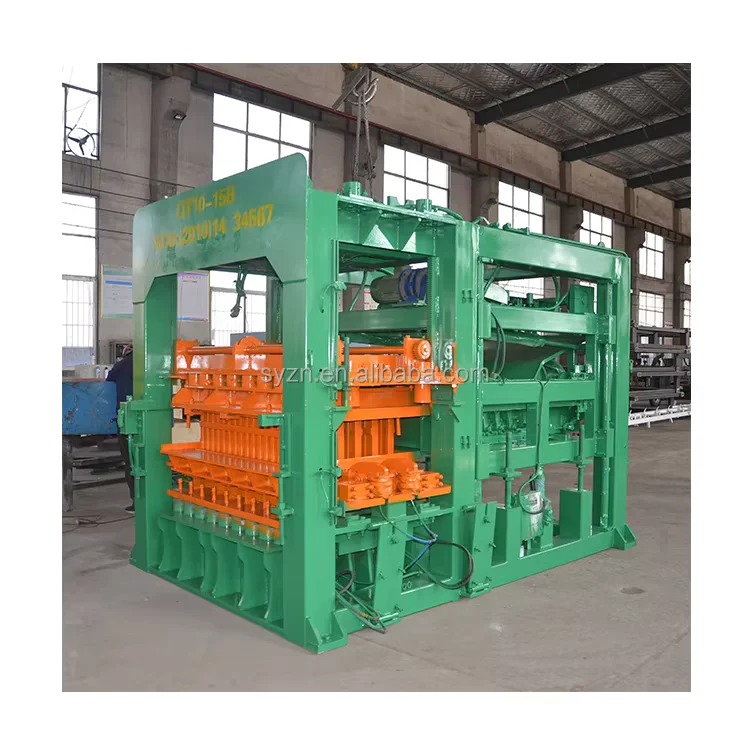


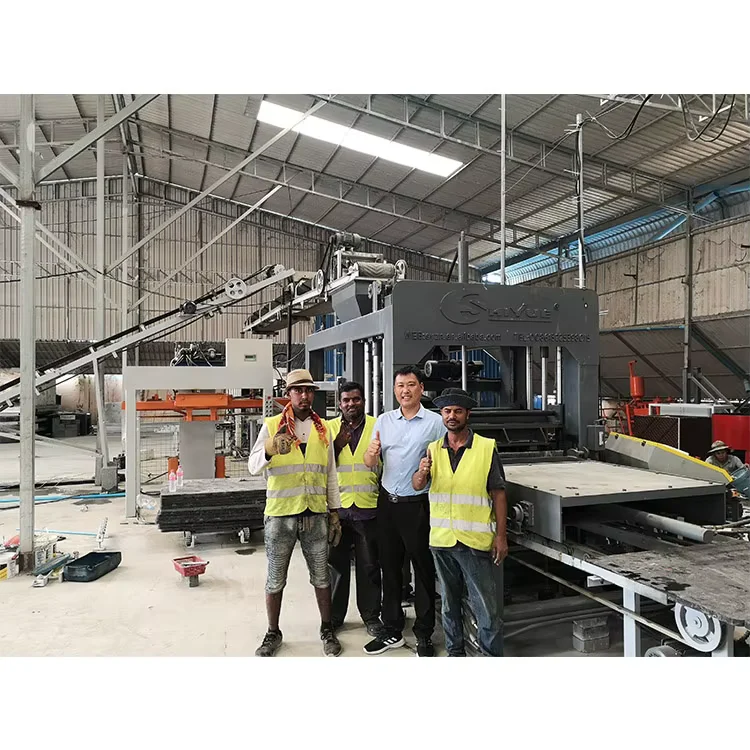

Description
Standard Mould Inventory — Standard block format moulds for the QT10-15 are pre-machined and kept in our warehouse, allowing immediate container loading without waiting for custom tooling fabrication.
Technical Specifications
| Parameter | Value |
|---|---|
| Model | QT10-15 |
| Product Type | Autoclaved Aerated Concrete Block Making Machine |
| Forming Method | Hydraulic pressure |
| Automation Level | Automatic |
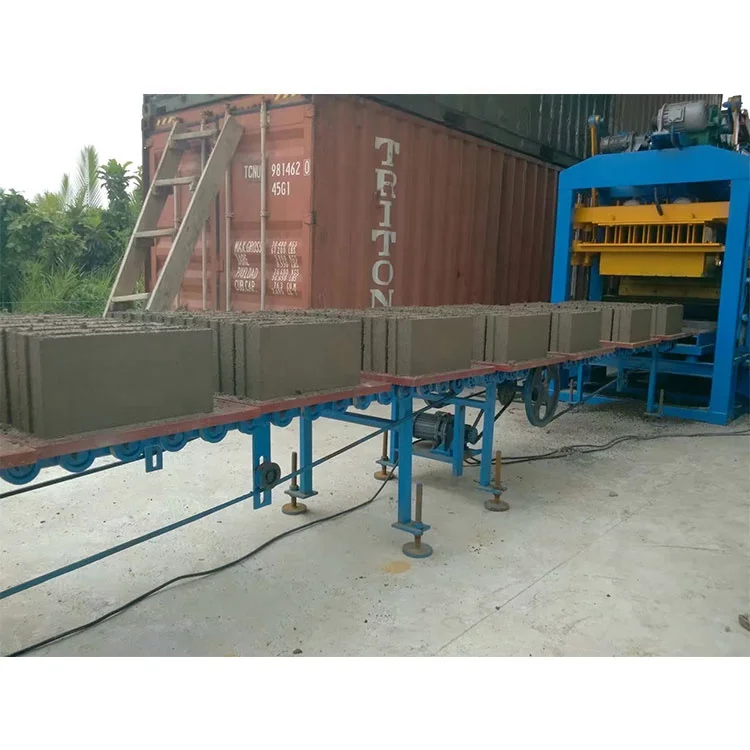
| Overall Dimensions (L×W×H) | 9350×2320×2950 mm |
| Net Weight | 10000 kg |
| Hydraulic Pressure | 20 MPa |
| Shaping Cycle | 15-20s (basis to be confirmed) |
| Voltage | Local Voltage (configurable) |
| Power Source | Electric motor |
| Core Components | Motor, Pump |
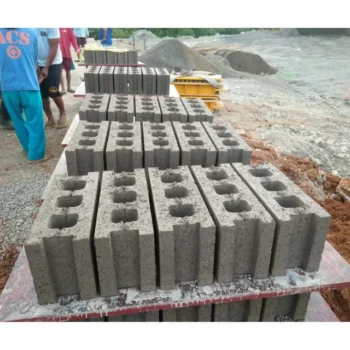
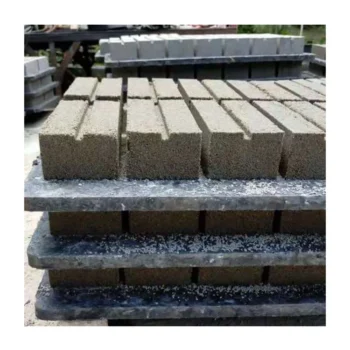
| Supported Brick Sizes | 400×100×200 mm, 400×120×200 mm, 200×100×60 mm, 400×200×200 mm, and custom sizes |
| Raw Materials | Cement, crushed stone, sand, dust, coal fly ash, cinder, slag, gravel |
| Labor Requirement | 1-3 people |
| Concrete Mixer | Optional |
| Warranty | 1 Year |
Application Suitability
| Application | Material or Output |
|---|---|
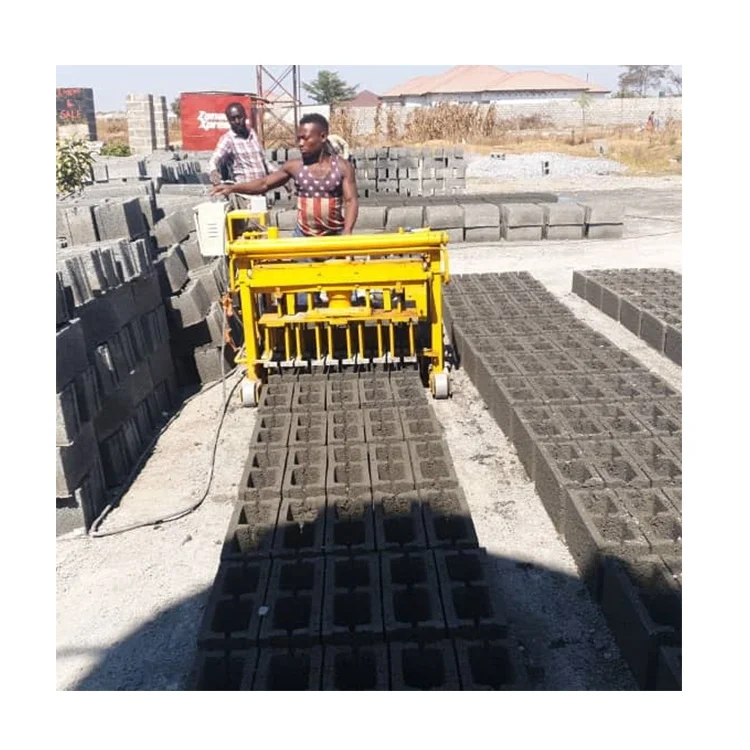
| Project sites requiring rapid deployment | On-site production using locally sourced crushed stone and cement |
| Manufacturing plants producing concrete blocks | Continuous output of hollow and solid blocks from coal fly ash and sand |
| Development project handover deadlines | Fast formatting of paving blocks and curbstones using slag and gravel |
Why the Voltage Question Must Precede the Dispatch Date
Confirming the exact site voltage prevents a three-week transformer delay upon arrival.
When a project deadline is tight, buyers often focus entirely on how fast the equipment can leave the factory. However, shipping a QT10-15 block machine in stock to a site with mismatched electrical infrastructure turns a fast delivery into a stalled project. I once oversaw an installation where the control cabinet was energized without verifying the local grid phase, instantly blowing the main fuses and forcing the crew to wait weeks for a custom transformer. Securing the electrical specifications before loading the container ensures the machine runs the moment it is unpacked [NEED_CITE: voltage and frequency standards by export market].
Dispatch Readiness and Container Loading
Having a QT10-15 block machine in stock means the main press, hydraulic station, and standard moulds are already assembled and tested in our yard. We do not wait for raw steel delivery or component sourcing to begin your order. The 9350×2320×2950 mm frame is systematically dismantled into modular sections that align perfectly with standard shipping container dimensions. This preparation eliminates the guessing game at the loading dock and ensures the heavy 10000 kg components are secured against transit shifting.
Arrival Estimates and Customs Documentation
Speed in manufacturing means nothing if the equipment sits at a port due to missing paperwork. Every shipment includes a complete set of customs documentation, machinery test reports, and video outgoing-inspection records tailored to the specific unit dispatched. By providing these verified documents upfront, we clear the administrative hurdles that typically delay border clearance. Buyers working against strict handover dates receive a realistic arrival estimate quoted before the vessel even departs [NEED_CITE: customs clearance requirements for heavy industrial machinery].
Interpreting the Physical and Hydraulic Footprint
The 20 MPa hydraulic pressure system requires a dedicated power circuit to maintain consistent force during the 15-20s shaping cycle. While the cycle time is subject to block format confirmation, the physical footprint of nearly ten meters in length dictates how the machine must be positioned on the curing yard. The 10000 kg net weight demands a properly cured concrete foundation to absorb the vibration without structural settling. Understanding these physical realities allows site managers to prepare the groundwork while the machine is still on the water.
The Hidden Cost of Overlooking Site Conditions
Rushing a dispatch without verifying the local raw material availability or site power grid often leads to immediate operational failure. If the local aggregate differs from what the standard moulds expect, the shaping cycle will stall, and the hydraulic pressure will fail to compact the mix properly. Furthermore, ignoring the local voltage frequency can destroy the main electric motor and pump upon first startup. These oversights transform a fast-tracked delivery into an expensive, idle asset sitting in the mud [NEED_CITE: common causes of industrial equipment failure during commissioning].
Why Procure Your Equipment Here
We maintain physical inventory of fully assembled machines and standard moulds, meaning your order bypasses the typical multi-week manufacturing queue. Our dispatch team specializes in dismantling heavy block presses for optimized container loading, preventing damage and reducing freight volume. We verify voltage and control language before the machine leaves our facility, eliminating the need for on-site electrical rework. Every unit ships with comprehensive packing photographs and factory test records, giving you total visibility into the exact condition of your equipment before it reaches the port.
Documentation & Verification
- Factory test record confirming hydraulic pressure stability before dismantling.
- Video outgoing-inspection showing the specific unit loaded into the container.
- Machinery test report detailing motor and pump performance under load.
- Packing photographs documenting the securement of the 10000 kg frame.
- Customs documentation package formatted for your specific destination port.
Installation, Commissioning & Support
- Foundation must support the 9350×2320×2950 mm footprint and dynamic vibration loads.
- Dedicated electrical circuit required to handle the main motor and hydraulic pump startup surge.
- Modular dismantling allows standard forklifts to unload components from the shipping container.
- Voltage and phase verified at the control cabinet prior to initial power application.
- Operator training covers the 15-20s shaping cycle parameters and safety interlocks.
- Wear parts list provided for the hydraulic seals and standard mould cavities.
Preparing Your Site for Immediate Deployment
To ensure the equipment integrates smoothly into your project timeline, we need to verify a few critical site parameters before finalizing the dispatch schedule. Please provide your exact local voltage, frequency, and phase requirements to prevent electrical mismatches. Confirm the available footprint for the 9350 mm machine length and the adjacent curing area. Finally, let us know which specific raw materials you will be feeding into the mixer so we can verify the standard mould compatibility.
Frequently Asked Questions
Q: Which models and standard moulds are currently in stock?
A: We maintain physical inventory of the QT10-15 automatic block machine alongside standard moulds for common formats like 400×200×200 mm hollow blocks and 200×100×60 mm pavers. This inventory allows us to bypass the manufacturing queue and move directly to the dismantling and container loading phase for buyers facing strict project deadlines.
Q: What is the exact dispatch lead time and arrival estimate?
A: Because the equipment is already assembled and tested, the dispatch lead time is limited only to the dismantling, packing, and trucking to the port. We provide a realistic arrival estimate quoted upfront, factoring in current shipping schedules, so you can align your site preparation and foundation curing with the vessel’s transit time.
Q: How is the machine dismantled and loaded for container shipment?
A: The 9350×2320×2950 mm frame and 10000 kg components are systematically broken down into modular sections that fit standard shipping containers. We secure the heavy hydraulic station and motor assemblies against transit shifting, providing packing photographs before the container doors are sealed to ensure total visibility.
Q: Are voltage and PLC language confirmed before dispatch?
A: Yes, verifying the exact site voltage and control language is a mandatory step before the machine leaves our facility. This prevents the control cabinet from blowing fuses upon arrival and ensures the local operators can read the shaping cycle parameters, eliminating weeks of downtime waiting for replacement transformers.
Q: What customs documentation is provided to speed up clearance?
A: Every shipment includes a complete customs documentation package, machinery test reports, and video outgoing-inspection records specific to your unit. Providing these verified documents upfront clears the administrative hurdles at the border, ensuring the equipment is released to your transport team without unnecessary port delays.