


Description
Stocked Dispatch Readiness — the LY2-10 clay interlocking block machine ships with matched moulds and packing details confirmed before booking, so arrival timing stays predictable for deadline-driven projects.
Technical Specifications
| Parameter | Value |
|---|---|
| Model | LY2-10 |
| Product Type | Clay Interlocking Block Making Machine |
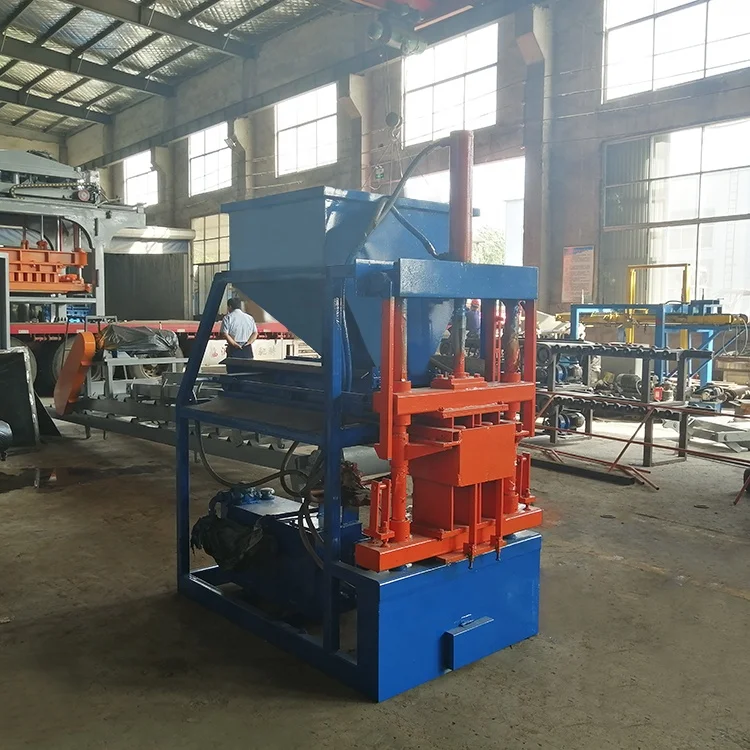
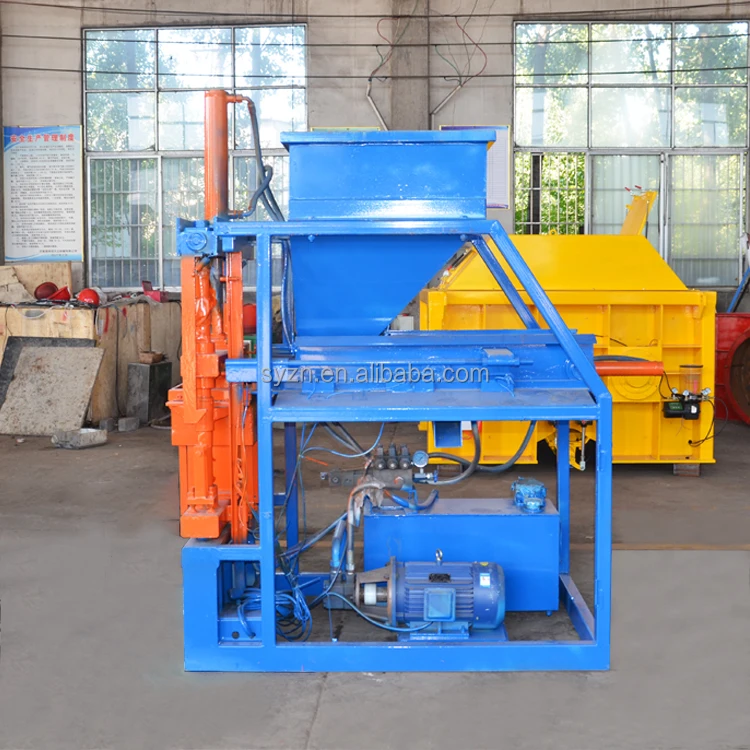
| Machine Type | Semi-automatic clay and cement interlocking brick making machine |
| Rated Power | 7.5 kW |
| Molding Cycle | 10 s |
| Output Capacity | 6,000 pcs / 8 h (basis not stated in source — confirm block format, material and thickness before booking) |
| Raw Materials | Clay, soil, earth, mud, concrete, cement, fly ash |
| Overall Dimensions (L×W×H) | 1,300 × 1,800 × 2,400 mm |
| Bricks per Mould | 1 pc |
| Listed Mould Formats | 300×150×100 mm, 250×125×75 mm, 230×220×115 mm |
| Automation Level | Semi-automatic |
| Key Features | Multiple interlocking formats on one press, compact footprint for container loading |
Application Suitability
| Application | Material or Output |
|---|---|
| On-site housing project brick production | Local clay or soil blended with cement for interlocking wall bricks |
| Small workshop interlocking brick supply | Earth, mud and fly ash mixes for regional building contractors |
| Adding interlocking formats to an existing block range | Concrete or cement-stabilised soil across the three listed mould sizes |
What "6,000 Pieces per Day" Actually Means on Site
Capacity figures only become useful once the block format, material mix and shift pattern are pinned down.
I have watched buyers sign off on a daily output number, then discover on commissioning week that the figure assumed a hollow block format they never intended to produce. The clay interlocking block machine in stock here lists 6,000 pieces per 8-hour shift, yet the source does not state which of the three mould sizes that number is tied to. With one brick per mould and a 10-second cycle, 750 pieces per hour is the mechanical ceiling for a single format, but real daily output depends on clay moisture content, operator rhythm and how the curing area is laid out. Buyers working against a project deadline need the format confirmed in writing before the container is booked [NEED_CITE: typical output variance in semi-automatic clay brick production].
Dispatch Timing and Container Loading
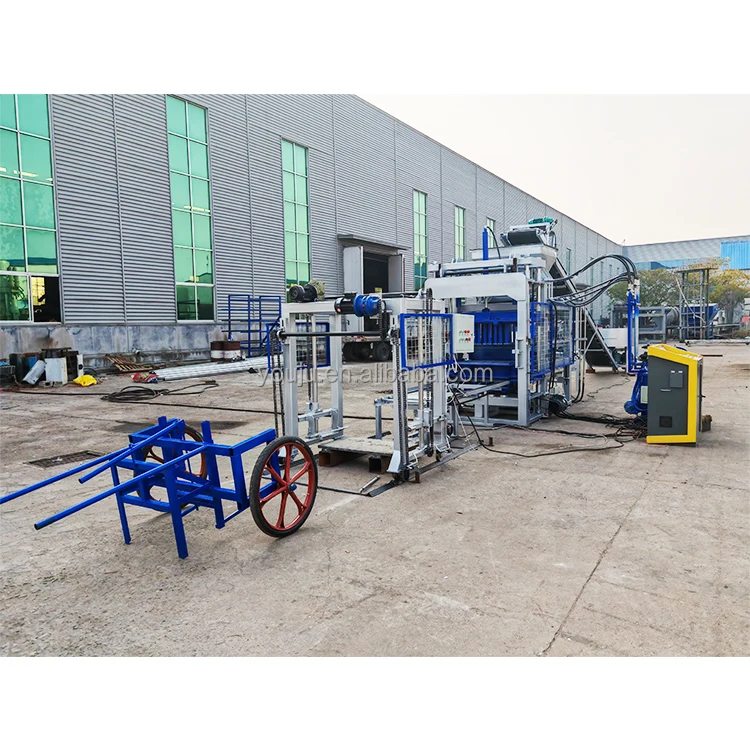
Stocked machines leave the yard once the mould set and voltage are locked. The LY2-10’s compact 1,300 × 1,800 × 2,400 mm frame fits a standard 20-foot container with room for spare moulds and pallets alongside, so a second shipment is not necessary. Dispatch lead time is quoted at inquiry, not buried in fine print.
Matching the Mould Set to Your Market
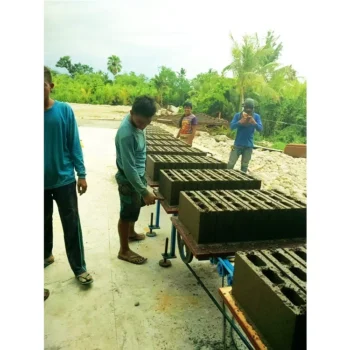
Three interlocking formats — 300×150×100 mm, 250×125×75 mm, 230×220×115 mm — ship with the clay interlocking block machine in stock. Confirming which mould is your daily production format and which is the backup ensures the packing list reflects your actual product mix before the container doors close.
Reading the Specs That Matter on Site
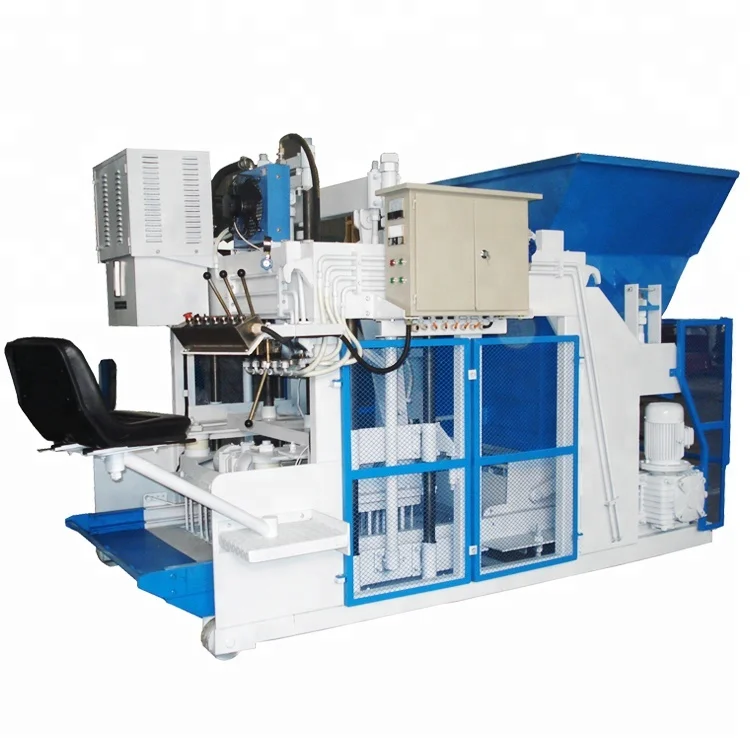
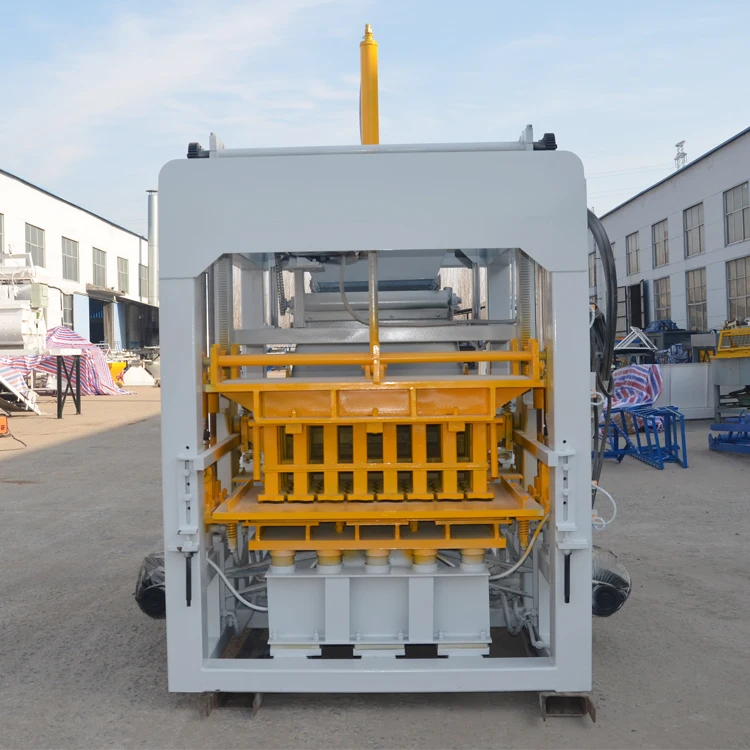
The 7.5 kW motor drives a 10-second moulding cycle, which means the press finishes one brick every 10 seconds when the operator keeps the feed steady. With only one cavity per mould, throughput is governed more by pallet handling and curing-rack distance than by press speed itself. The semi-automatic configuration leaves pallet transfer and stacking to manual labour, so a buyer should plan the floor layout so one operator can reach the curing racks without bottlenecking the press. Voltage and frequency are not stated in the source, and getting these wrong will stall commissioning for weeks while a replacement motor or transformer is air-freighted [NEED_CITE: voltage and frequency standards by export market].
The Hidden Cost of Skipping Pre-Shipment Checks
A machine dispatched without confirmed voltage, control language and mould list arrives as a crate that nobody on site can run. I have seen a contractor in southern Europe lose ten days because the PLC display defaulted to a language the operators could not read, and the local electrician had to re-wire a motor rated for a frequency that did not match the grid. With the LY2-10, those questions belong in the email thread before the proforma invoice, not on the first morning of installation [NEED_CITE: CE machinery directive requirements for industrial equipment].
Why Source This Machine Here
Shiyue treats the LY2-10 as one matched shipment: press, moulds and packing photographs are reviewed together so nothing is left on the dock. Stock availability means dispatch is measured in days once the configuration is signed off, not months. The company’s single focus on block machinery means mould design and spare parts stay within one supply chain. Pre-shipment factory test records document the actual cycle and output on the buyer’s chosen format. Container loading plans are shared before the truck arrives, eliminating last-minute surprises about what fits.
Documentation & Verification
- Machine specification sheet listing the three stocked mould formats and single-cavity layout
- Factory test record showing cycle time on your chosen interlocking brick size
- Packing photographs of the press and moulds before container doors close
- Container loading plan confirming the LY2-10 and spare parts fit one 20-foot unit
- Dispatch timeline document with estimated departure and arrival windows
- Voltage and frequency confirmation form signed before production release
Installation, Commissioning & Support
- Site floor must be level and cured, with clearance exceeding 1,300 × 1,800 mm for the LY2-10 footprint
- Dedicated circuit matching the confirmed voltage and frequency is required before the 7.5 kW motor is energised
- Press arrives partially assembled; mould and hopper are bolted on site with basic hand tools
- First-run commissioning covers cycle timing, mix moisture and interlocking brick dimensional check
- Operator training addresses the 10-second moulding rhythm and manual pallet transfer sequence
- Wear parts list for the single-cavity mould identifies items to reorder within the first production months
Getting a Firm Dispatch Date
To lock a shipping window, share the target interlocking brick format, the destination port, and your site voltage and frequency. If the project already has a curing area and forklift in place, send the pallet dimensions so the manual handling layout can be sketched before the clay interlocking block machine in stock is loaded.
Frequently Asked Questions
Q: Which block format is the 6,000 pcs / 8 h capacity based on, and what is realistic for my brick size?
A: The published figure does not state which of the three listed mould sizes it assumes. With one brick per mould and a 10-second cycle, the mechanical ceiling is 750 pieces per hour, but actual daily output depends on your clay mix, operator rhythm and curing layout. We confirm the number against your chosen format before booking shipment.
Q: What is the dispatch lead time for the LY2-10 and how is container loading arranged?
A: Stocked units leave once the mould set, voltage and packing method are confirmed in writing. The compact frame fits a 20-foot container with room for spare moulds. A loading plan with estimated departure and arrival windows is shared before the truck is scheduled.
Q: Are voltage, frequency and control language confirmed before shipment?
A: These are confirmed in a written form signed by the buyer before the machine is released for dispatch. Skipping this step risks commissioning delays on arrival, especially where the destination grid frequency differs from the factory default.
Q: Which moulds are included, and can extra formats share the same container?
A: The stocked configuration includes the three listed interlocking brick formats. Additional custom moulds can be loaded alongside the press if space allows, and the packing list is adjusted so every item is accounted for at destination customs.