


Description
Dispatch-Ready Configuration — We confirm voltage, frequency, and control language for the LY4-10 before it leaves the factory floor, not after it reaches your port.
Technical Specifications
| Parameter | Value |
|---|---|
| Model | LY4-10 |
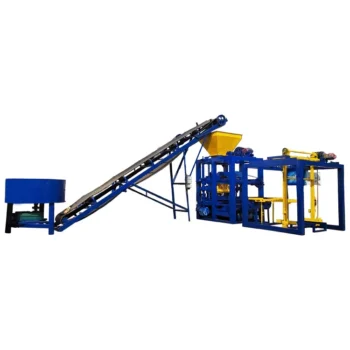
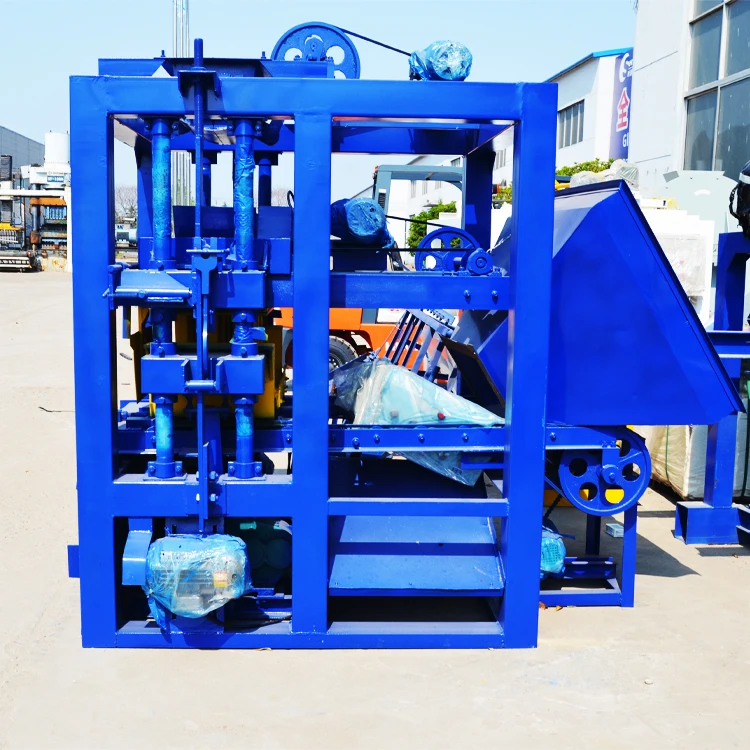
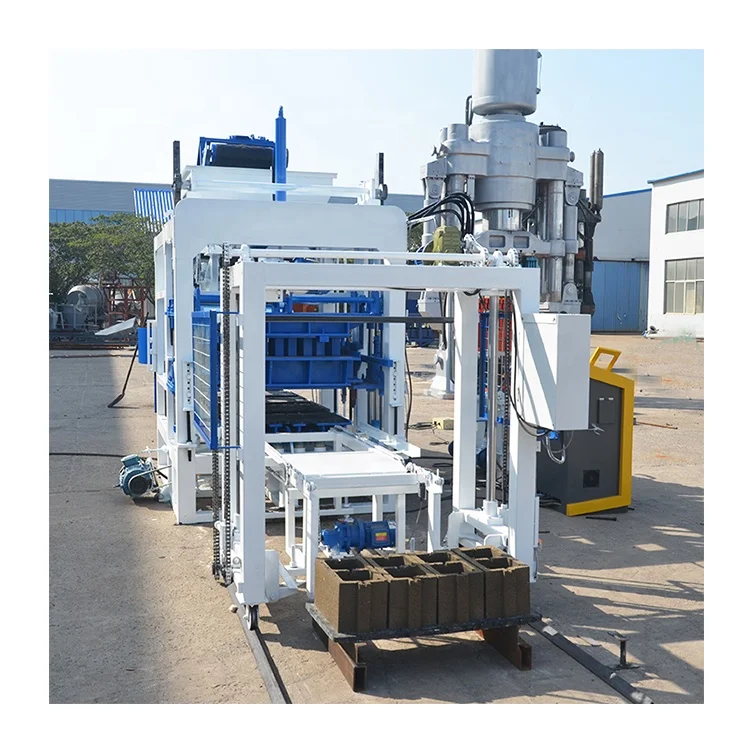
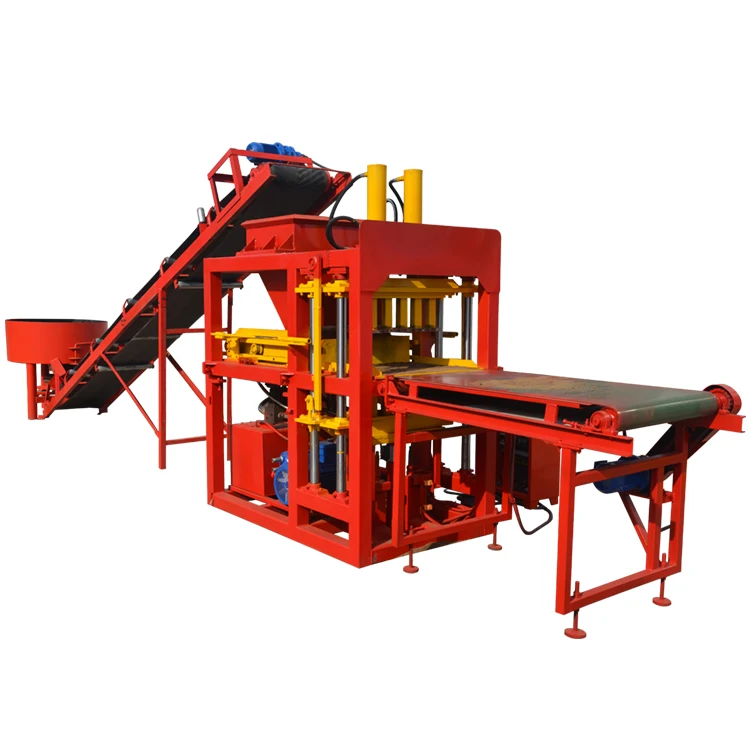
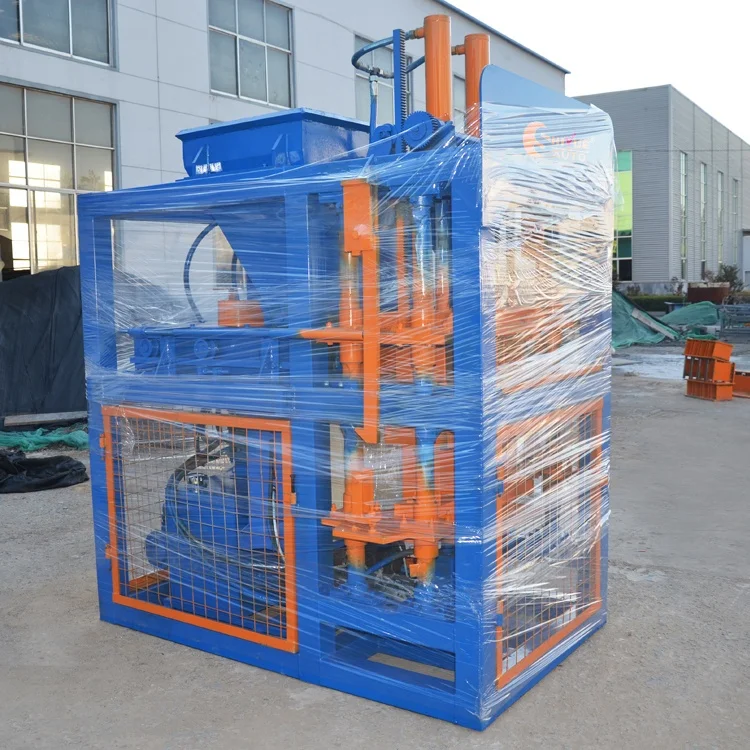
| Product Type | Automatic Clay Interlocking Brick Making Machine |
| Control System | PLC control with integrated hydraulic system |
| Rated Power | 11 kW |
| Overall Dimensions (L×W×H) | 2260 × 1500 × 2380 mm |
| Molding Cycle | 10–15s (basis not stated in source — confirm block format / material / thickness) |
| Output per Cycle | 4 bricks per cycle (basis not stated in source — confirm block format) |
| Raw Material Compatibility | Clay, soil, earth, mud, concrete, cement, fly ash, water |
| Automation Level | Automatic material feeding, mould pressing, and mould lifting |
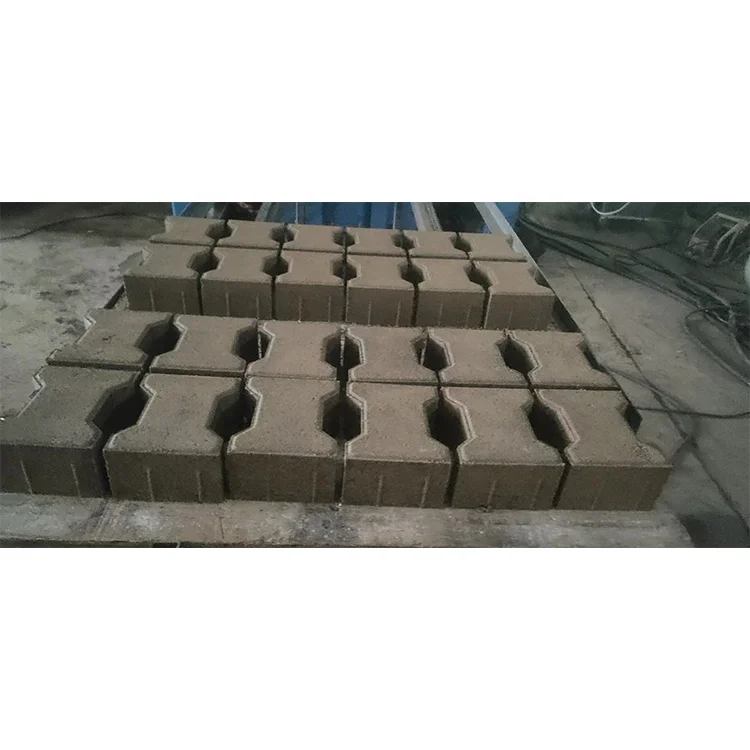
| Mould Format | Interlocking bricks (multiple formats available via mould change) |
| Voltage & Frequency | Configurable per destination market (must be confirmed prior to dispatch) |
| Applications | Interlocking brick production for on-site or small-to-medium block plant operations |
Application Suitability
| Application | Material or Output |
|---|---|
| On-site interlocking brick production | Clay, soil, and cement blends |
| Small-to-medium block plant operations | Earth, mud, and fly ash mixes |
| Contractor-led housing projects | Concrete and cement-based interlocking formats |
| Rural or remote construction sites | Locally sourced clay and soil with cement binder |
Why the Voltage Question Must Come Before the Loading Date
A stocked machine that cannot start on arrival is not a fast delivery — it is a delayed project.
When a buyer focuses entirely on how quickly a block machine in stock can ship, the electrical configuration often becomes an afterthought. I have seen hydraulic brick presses arrive at a West African site only to sit idle for weeks because the local grid ran at 60Hz while the motor was wound for 50Hz. The contractor had a project deadline and a crew waiting, but the machine could not run until a variable frequency drive was air-freighted from Linyi. That delay cost more than any expedited shipping savings [NEED_CITE: voltage and frequency standards by export market]. Confirming the destination voltage and frequency before the LY4-10 is crated ensures that fast dispatch actually translates into fast commissioning.
What In-Stock Really Means for Your Project Timeline
When a contractor is working backward from a handover date, equipment lead time becomes the critical path. The LY4-10 as a block machine in stock means the main frame, hydraulic cylinder, and PLC cabinet are assembled and tested before your order is placed. The preparation window between order confirmation and container loading is therefore measured in days rather than production weeks. This matters most for overseas development projects where customs clearance and ocean freight already consume a significant portion of the schedule.
How Container Loading and Dismantling Affect Your Arrival Date
Shipping a fully assembled brick press is rarely practical for standard container dimensions. The LY4-10 is designed so that major sub-assemblies — the hydraulic power unit, the mould carriage, and the material hopper — can be separated for loading and reassembled on-site with standard tools. Each connection point is matched and marked at the factory so that the reassembly crew does not need to trace unlabeled hydraulic lines. This approach keeps the block machine in stock within a standard container footprint and avoids the delays and costs associated with flat-rack or break-bulk shipping [NEED_CITE: container loading standards for industrial machinery].
Reading the Cycle Time and Output Figures Honestly
The LY4-10 is rated for a 10–15 second molding cycle producing 4 bricks per cycle, but those numbers carry important conditions. Cycle duration depends on the specific interlocking brick format, the thickness of the brick wall, and the moisture content of the clay or soil mix being pressed. A thinner paver-style interlock will complete its cycle faster than a deep-cavity structural block. Similarly, output per cycle is fixed by the mould cavity count, which changes when you swap to a different format. Always ask for the capacity calculation stated against the exact brick drawing you intend to produce, not a generic figure from a catalogue page.
The Cost of Skipping Pre-Dispatch Electrical Confirmation
When voltage and frequency are left to assumption, the consequences extend beyond a motor that will not start. PLC boards, solenoid valves, and hydraulic pump motors are all specified for a particular electrical supply. Running a 50Hz-rated hydraulic pump on a 60Hz grid increases pump speed beyond its design point, accelerating wear on seals and causing premature valve failure. These are not warranty issues — they are configuration errors that surface weeks into production when replacement parts are hardest to obtain [NEED_CITE: hydraulic system failure modes from incorrect frequency supply].
Dispatch Documentation That Matches the Machine in the Container
The packing list, bill of lading, and commercial invoice must describe exactly what is inside the container. For the LY4-10, this includes the main press unit, the hydraulic power pack, the PLC control cabinet, the standard interlocking brick mould set, and any spare wear parts included in the shipment. Factory test records confirm that the machine ran through its full automatic cycle — material feed, hydraulic press, and mould lift — on the voltage and frequency specified in the contract. Photographs document the crating and container loading condition so that any transit damage can be identified and claimed promptly.
-
Dispatch packing list matching exact LY4-10 configuration and mould set shipped
-
Factory cycle-test record on confirmed voltage and frequency before crating
-
Container loading photographs documenting crating and securing method
-
Hydraulic and electrical schematics for on-site reassembly and troubleshooting
-
Operation manual in confirmed control panel language
-
Foundation pad sized to 2260 × 1500 mm footprint with level tolerance for the LY4-10 frame
-
Dedicated electrical circuit matching confirmed voltage and 11 kW rated power draw
-
Hydraulic power unit reconnected to marked lines and bled before first cycle
-
PLC control panel language set per contract confirmation prior to dispatch
-
Initial mould alignment check and cycle timing calibration on local raw material
-
Spare hydraulic seals and mould wear inserts identified for first replacement order
Before You Request a Quote
To move from inquiry to confirmed dispatch date, share the specific interlocking brick format you intend to produce, your target daily output, and the raw materials available at your site. Confirm your local voltage and frequency so that the motor, PLC, and hydraulic pump are wound and configured correctly before the LY4-10 leaves our facility. If you have an existing curing area or material handling setup, include those dimensions so that pallet and stacking recommendations align with what you already have on the ground.
Frequently Asked Questions
Q: What standard interlocking brick moulds are currently stocked for the LY4-10?
A: Standard mould inventory typically covers common interlocking brick formats used in housing and paving projects. Exact stocked formats change with demand, so we confirm available mould drawings at the time of inquiry. If your market requires a non-standard profile, custom mould design from your drawings is available with an additional lead time added to the dispatch schedule.
Q: How many days from order confirmation to container loading?
A: When the LY4-10 is in stock, the period between contract signing and container loading covers final voltage and control configuration, factory cycle testing, dismantling for shipment, and crating. This preparation window is confirmed in the quotation rather than estimated generically, because it depends on the specific electrical and language configuration your destination market requires.
Q: Can voltage and frequency be set to match my local grid before dispatch?
A: Yes. The motor, hydraulic pump, solenoid valves, and PLC power supply are all specified to match your confirmed voltage and frequency before the machine is assembled for testing. This is a mandatory step in our order process — we do not dispatch the LY4-10 until the electrical configuration is locked against your site supply details.
Q: How is the LY4-10 protected against moisture and impact during sea freight?
A: Major sub-assemblies are wrapped and secured within the container to prevent shifting during transit. Hydraulic line openings are capped, and the PLC cabinet is sealed against humidity. Loading photographs are taken before the container doors close so that you have a condition record for comparison upon arrival at your port.
Q: Is installation support available after the machine arrives at my site?
A: On-site installation guidance covers reassembly of the separated sub-assemblies, hydraulic line connection using the factory-marked fittings, and initial cycle calibration on your local raw material. Operator training addresses the PLC controls, mould change procedure, and daily maintenance routines specific to the LY4-10 configuration you received.