

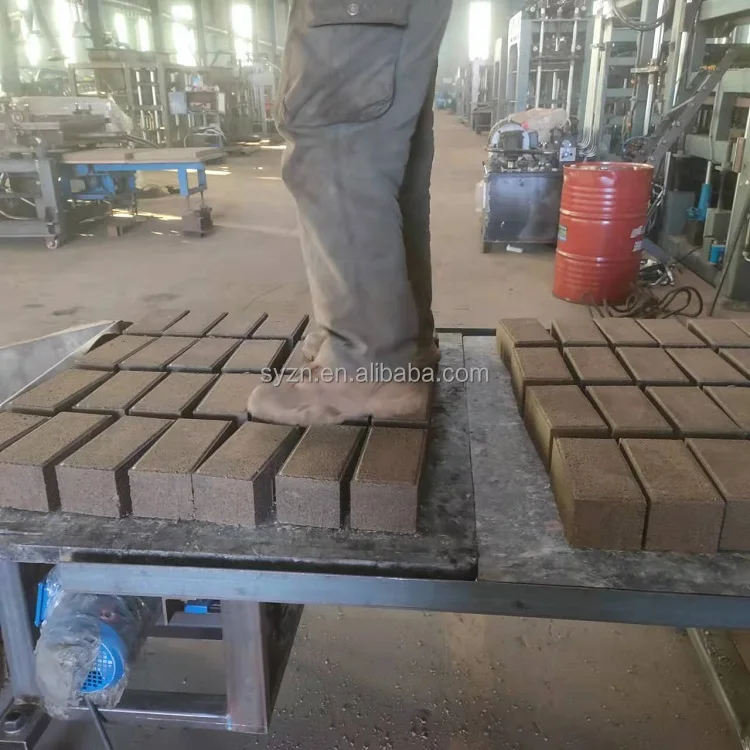

Description
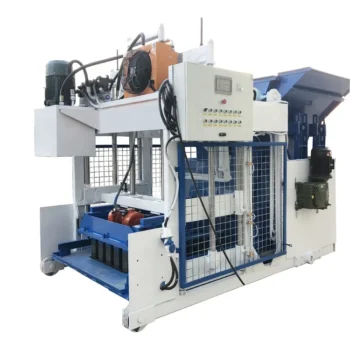
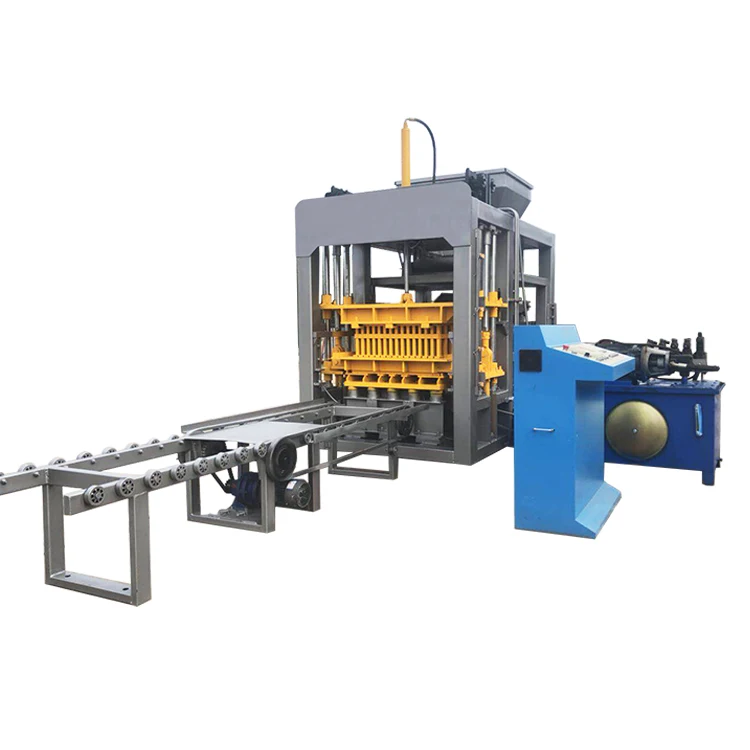
Stocked configuration — this QT10-15 block machine ships from a bonded warehouse with container loading planned against the destination port schedule, so buyers working to a fixed project date get an arrival estimate before payment.
Technical Specifications
| Parameter | Value |
|---|---|
| Model | QT10-15 |
| Product Type | Hydraulic Block Making Machine |
| Vibration Acceleration | 20g |
| Vibration Technology | Dynamic and static table with frequency conversion control |
| Vibration System | Four-axis vibration with forced synchronization gear shaft |
| Feeding System | Press-in arch breaker with 360° rotation |
| Cloth Platform | Replaceable wear-resistant plate |
| Vibration Damping | Flexible pressure head damping + adjustable pressure air bag in mold box |
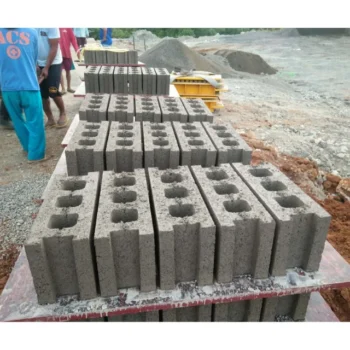
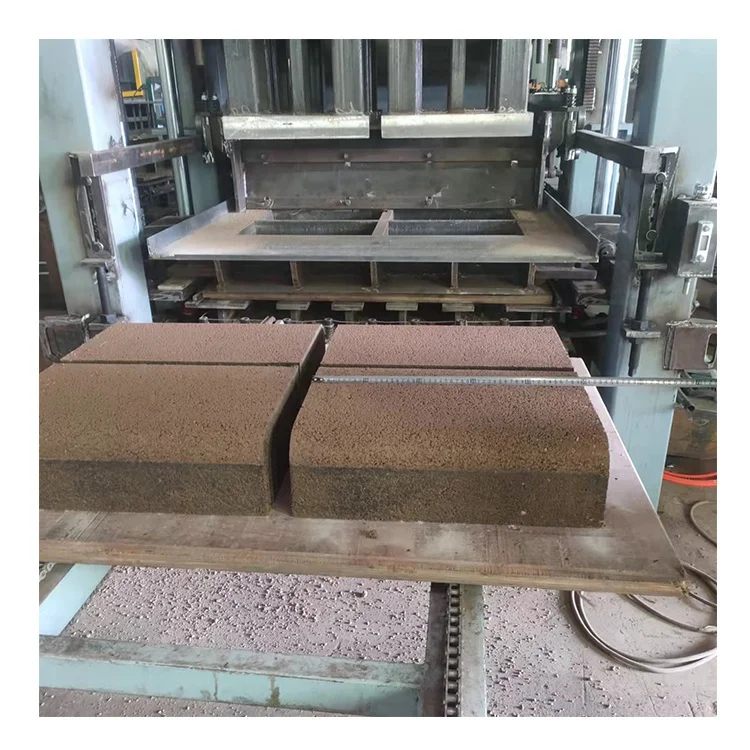
| Mould Compatibility | Hollow wall blocks, porous bricks, pavement bricks, slope protection bricks |
| Control System | PLC with HMI (language and voltage to be confirmed at order) |
| Pallet Size | To be confirmed against curing area layout |
Application Suitability
| Application | Material or Output |
|---|---|
| Housing project on-site production | Fly ash, local aggregate, and cement mix for hollow wall blocks |
| Infrastructure pavement works | Crushed stone and cement for interlocking pavers and kerbstones |
| Commercial block plant expansion | Porous bricks and slope protection bricks for regional distributors |
| High-volume contractor supply | Solid and hollow formats cycled through standard mould inventory |
Why the Voltage Question Must Come Before the Loading Date
A stocked QT10-15 block making machine in stock can still sit idle for weeks if the local transformer arrives after the installation crew.
I have watched container doors open on African job sites only to find the control panel matched a 380V/50Hz grid while the local supply ran at 440V/60Hz, forcing the contractor to source a step-down unit while daily wages and formwork rentals accumulated [NEED_CITE: voltage and frequency standards by export market]. That is why every dispatch quote we issue now pins the motor winding, PLC input, and heater element ratings to the destination grid in the very first contract clause.
Dispatch Timing vs. the Project Critical Path
When a contractor commits to a handover date, the QT10-15 block making machine in stock has to clear customs, reach the yard, and complete commissioning before masonry crews arrive. We confirm container loading sequence — host frame dismantled, hydraulic manifold drained, moulds crated separately — against the sailing date so the arrival estimate matches the site mobilisation schedule. Any delay in confirming pallet size or voltage pushes the loading plan into the next vessel cut-off.
How Stock Turns Into a Real Arrival Date
A machine listed as available still needs its standard mould set matched to the buyer’s block format, its PLC language flashed, and its hydraulic hoses tagged in English or the destination language before it is bolted to the container floor. We run a factory test on the exact pallet and block format the buyer will use, photograph the packing, and release the loading plan only once those records are signed [NEED_CITE: CE machinery directive requirements for export packing]. This is what separates a catalogue "in stock" line from a container that actually sails on the quoted vessel.
Reading the QT10-15 Spec Sheet Against the Site Reality
The four-axis vibration with 20g acceleration determines how fast the concrete mix consolidates inside the mould cavity, but that figure only translates into consistent block density when the hydraulic pressure and the local aggregate grading are matched. The press-in arch breaker rotating 360° feeds material evenly across the mould, yet a mix with too high a moisture content will still bridge in the hopper. The adjustable pressure air bag damping in the mould box reduces transmitted vibration to the frame, which matters when the machine sits on a slab shared with a batching plant that cannot tolerate resonance feedback. Frequency conversion control on the dynamic and static table lets the operator tune the cycle to the block format, but the cycle time value remains tied to the specific format, material, and pallet thickness assumed at the factory test.
When the Wrong Configuration Costs More Than the Machine
A buyer who selects a pallet size without checking the curing rack spacing ends up paying for a second forklift to restack blocks before they enter the steam chamber. An automation level chosen without confirming the local labour cost and skill availability leaves sensors and stackers sitting idle while operators run the press manually. Skipping the factory test on the buyer’s own mix design means the first week of production is spent chasing inconsistent block strength, and the site crew blames the machine rather than the aggregate [NEED_CITE: common causes of inconsistent block strength in field production].
Why Buyers Source This Machine From Our Dispatch Desk
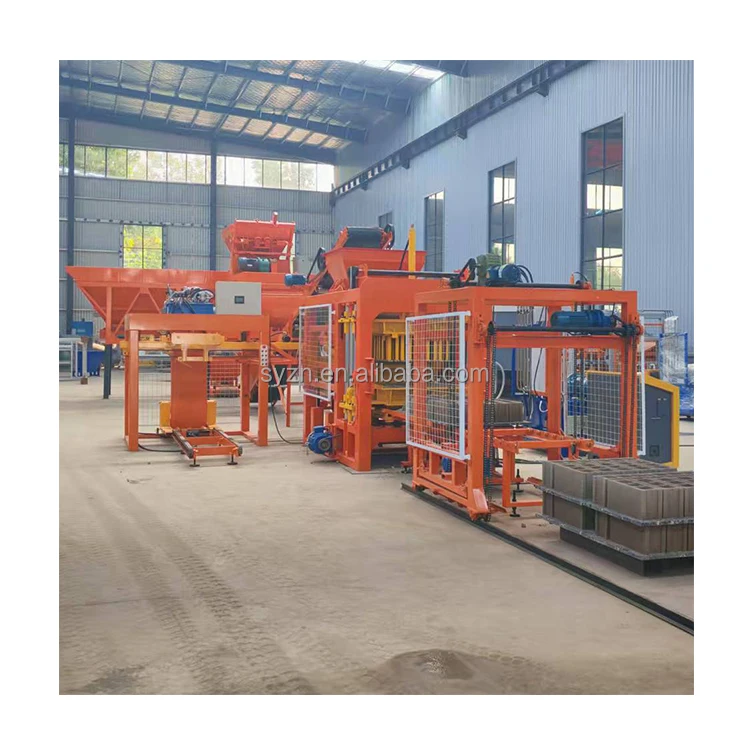
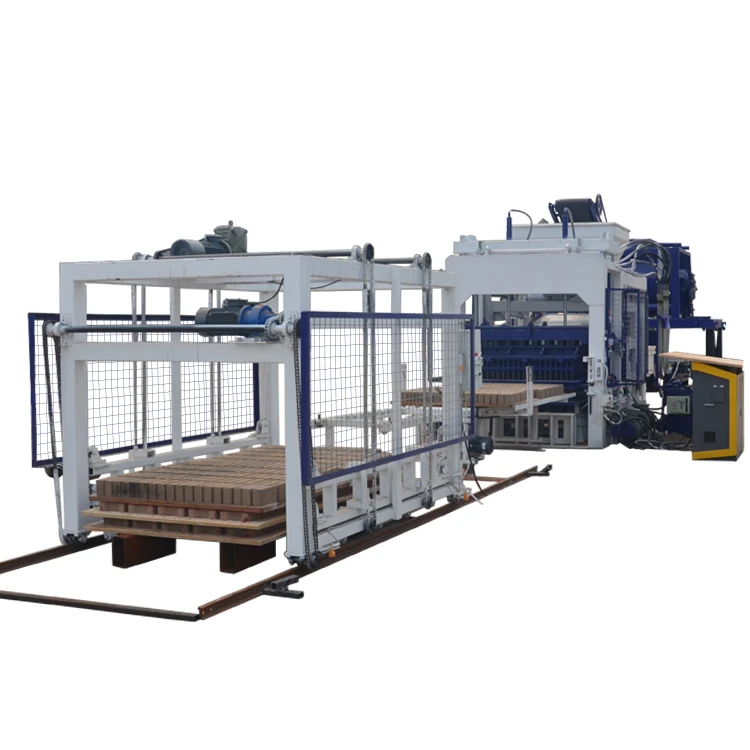
Block machinery is our single focus, so the QT10-15 block making machine in stock arrives with moulds, pallets, and handling gear specified as one matched set. We configure the press against the buyer’s actual mix design and local aggregate rather than a default catalogue setting. Mould design covers the formats the buyer’s market actually sells, including custom drawings when standard inventory does not match. Automation level is selectable, so a contractor can start semi-automatic and add stackers later without swapping the press. Installation and commissioning support includes operator training on the exact control language confirmed at order.
Documentation & Verification
- Line layout showing the QT10-15 footprint and pallet return path against your site drawing
- Factory test record run on your block format, mix design, and pallet size
- Container loading plan with dismantling sequence and lashing photographs
- Voltage, frequency, and PLC language confirmation sheet signed before production release
- Customs packing list matched to the destination port’s HS code requirement
Installation, Commissioning & Support
- Foundation slab checked against the QT10-15 dynamic load and vibration isolation pad spacing
- Dedicated circuit sized for the host motor and hydraulic pump with phase sequence protection
- Frame reassembly and hydraulic line purge supervised against the factory test torque record
- PLC parameters loaded in the confirmed language before the first production run
- Operator training covers mould change, vibration tuning, and daily greasing points on the synchronization gear shaft
Before You Request a Dispatch Quote
Send us the exact block format, pallet size already in your curing yard, and the destination port so we can match the stocked mould set and calculate the vessel schedule. Confirm the local voltage and frequency at the connection point, the PLC display language your operators will use, and whether the mixer and stacker need to ride in the same container.
Frequently Asked Questions
Q: Which QT10-15 configurations and mould formats are currently in stock?
A: The dispatch desk holds host frames with the standard four-axis vibration assembly and frequency conversion control. Mould inventory covers hollow wall blocks, porous bricks, and pavement bricks in common sizes. Custom format moulds are built to buyer drawings on a separate lead time, so confirm your market format before reserving a machine.
Q: What is the dispatch lead time and container loading arrangement?
A: Once voltage, language, and pallet size are confirmed, the factory test runs within a typical multi-week window. The host frame is dismantled, hydraulic manifold drained, and moulds crated for a flat-rack or open-top container. Loading photographs and lashing records are released before the vessel cut-off.
Q: How is the arrival estimate calculated for my destination port?
A: We quote the sailing date against the next available vessel from the loading port, add the published transit days to your destination, and include a buffer for customs release. The estimate is pinned to the vessel cut-off that the loading plan meets, not a generic calendar range.
Q: Can I add supporting equipment on the same shipment?
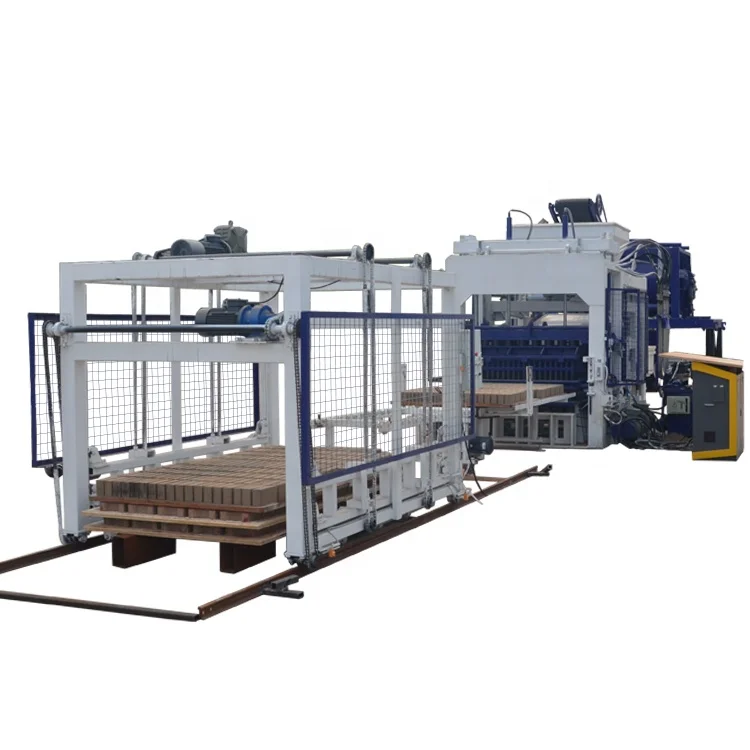
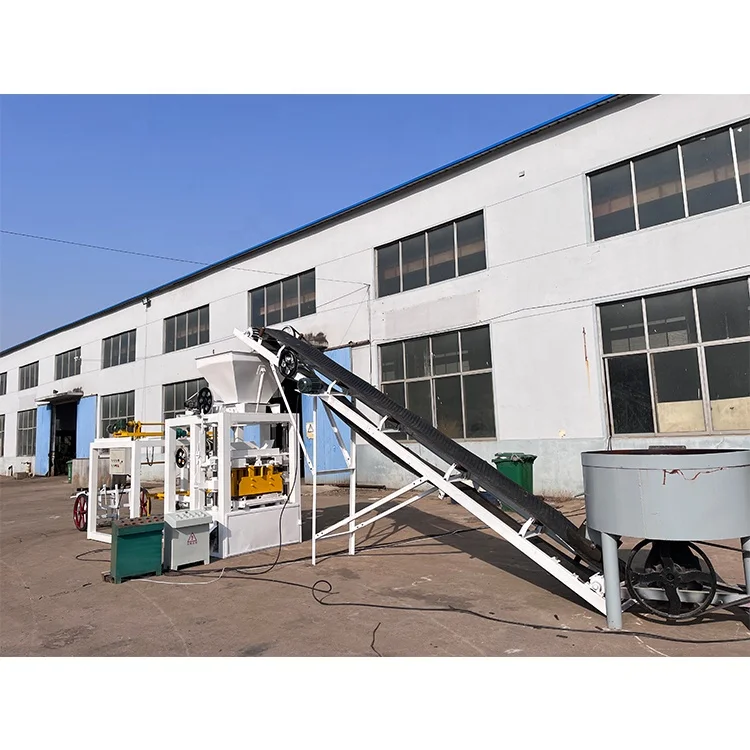
A: Mixers, pallet feeders, and stackers from stock can share the same container or a paired container, provided the pallet size and automation level match the QT10-15 configuration already reserved. Confirm the curing rack height and forklift capacity so the stacker reaches the right tier.