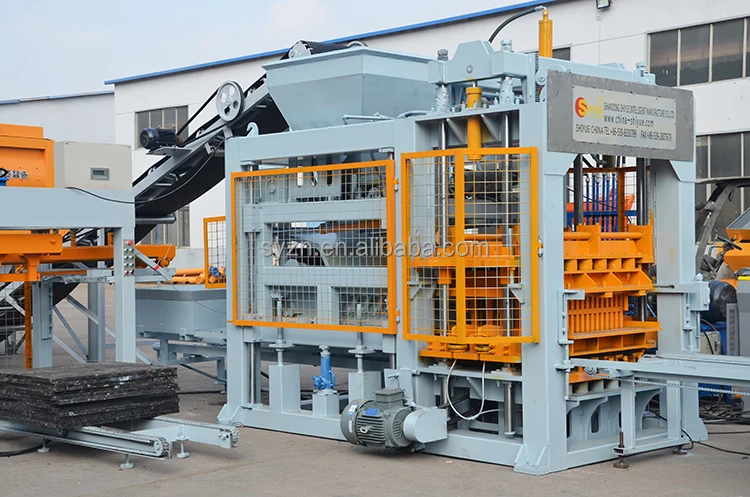
Description
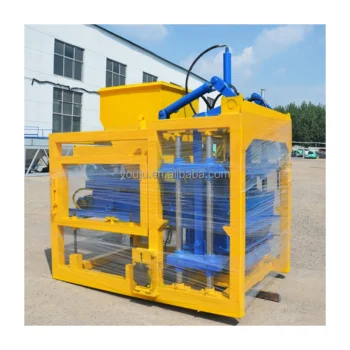
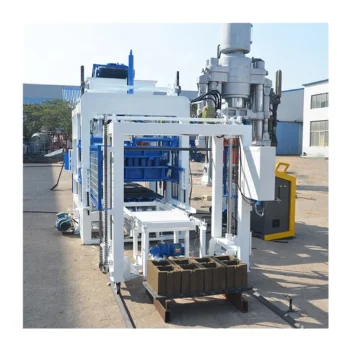
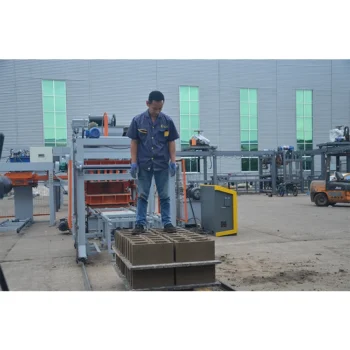
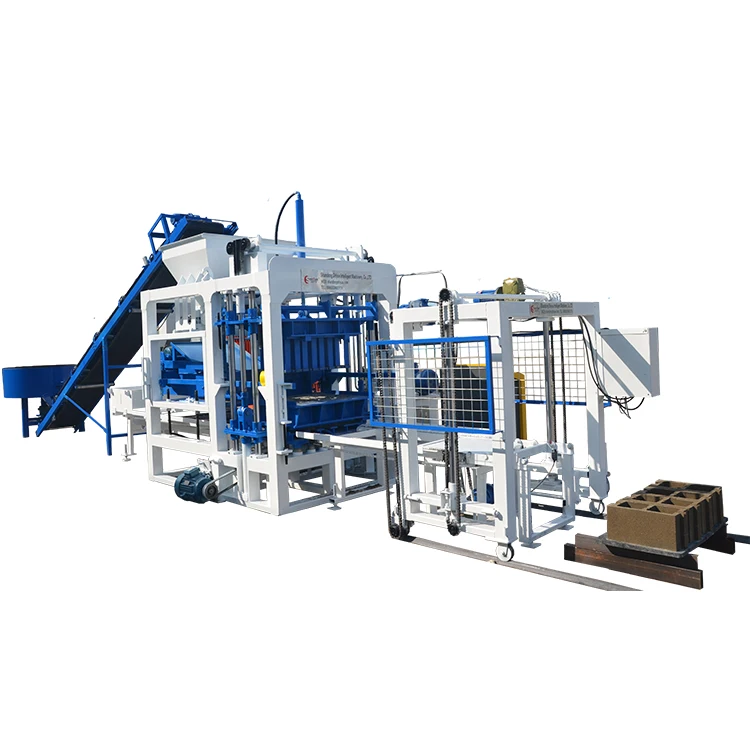
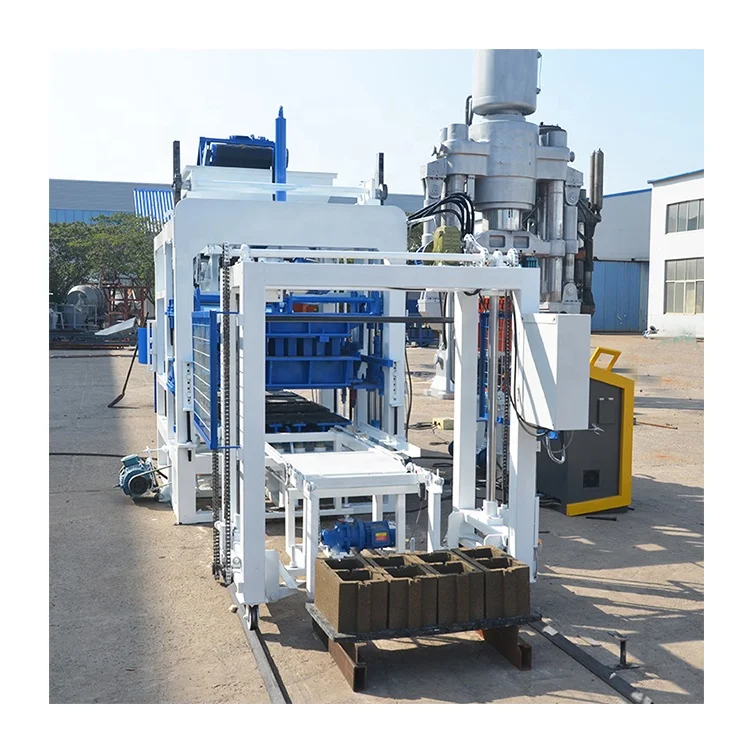
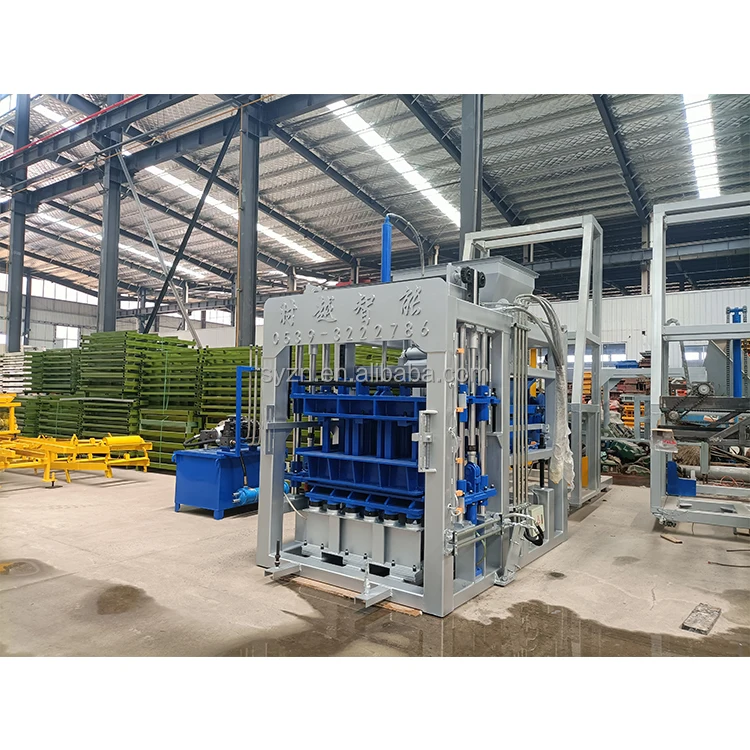
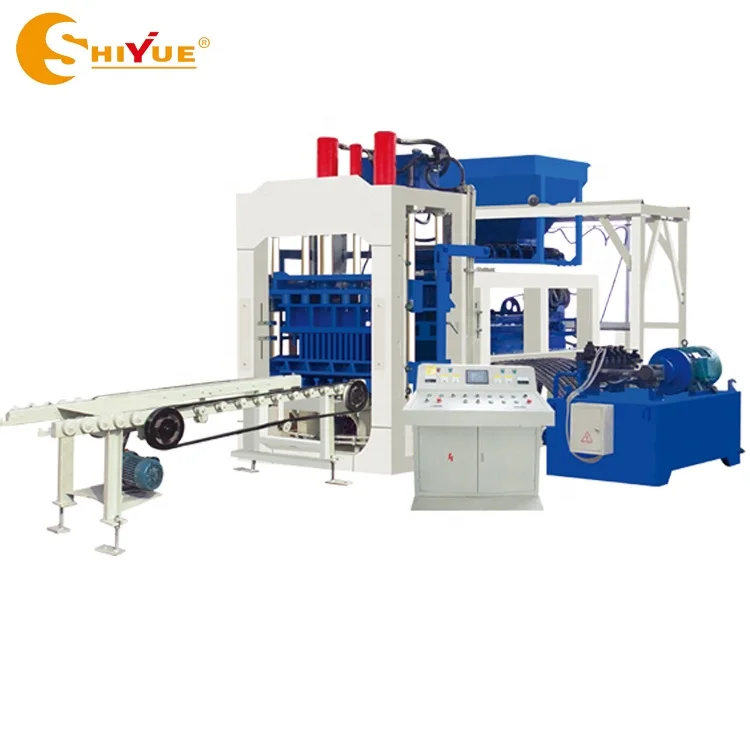
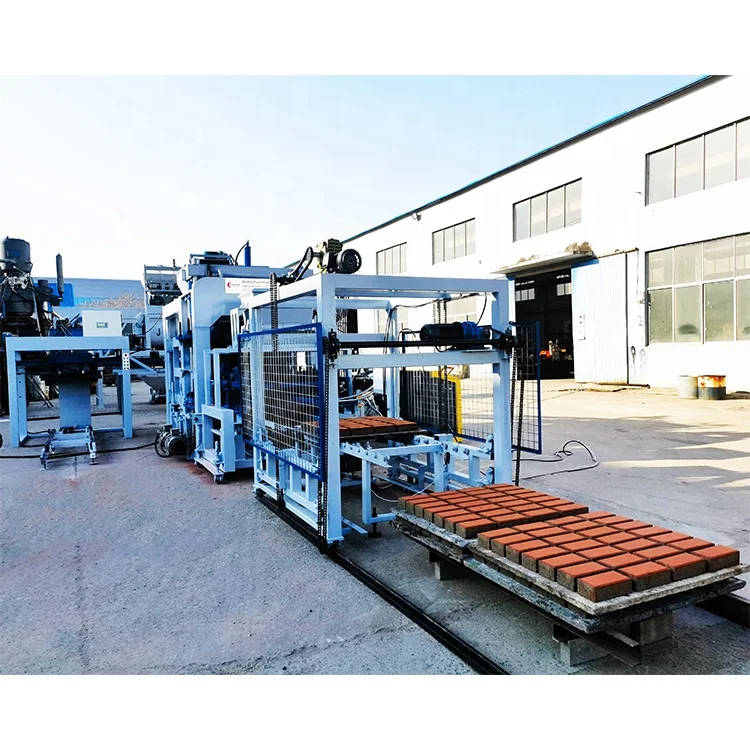
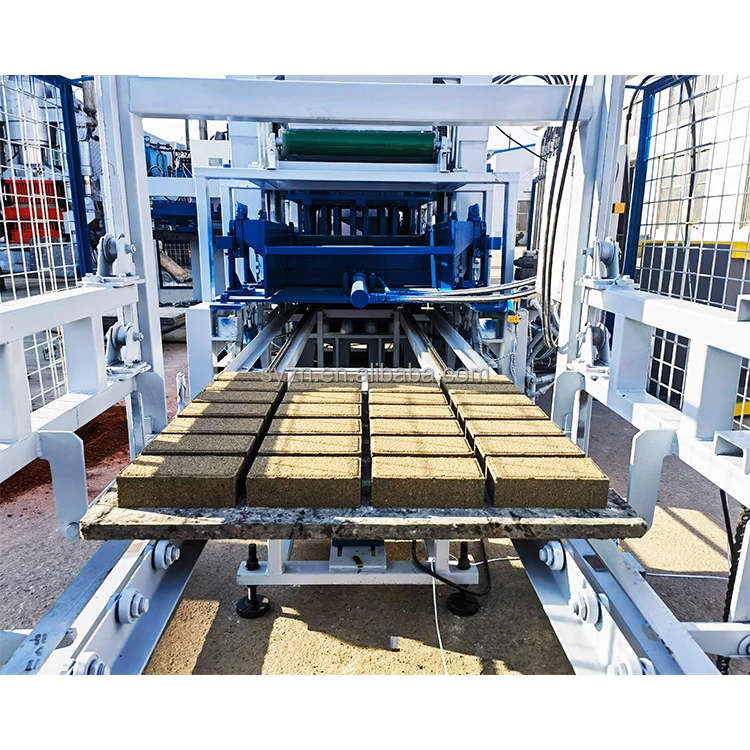
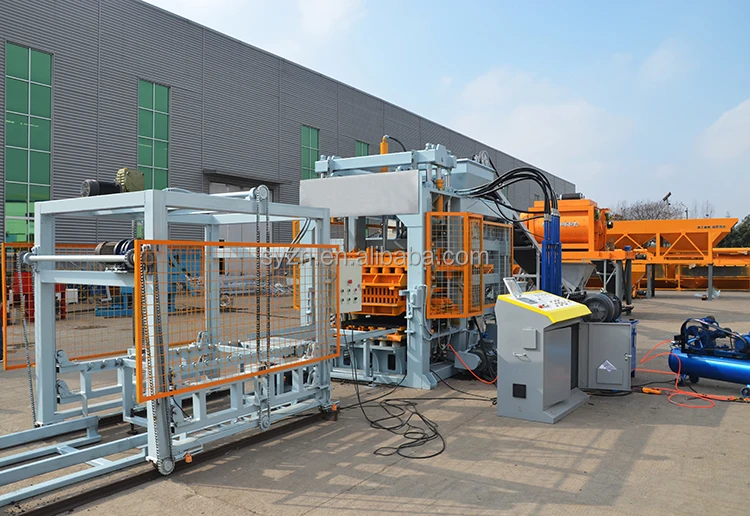
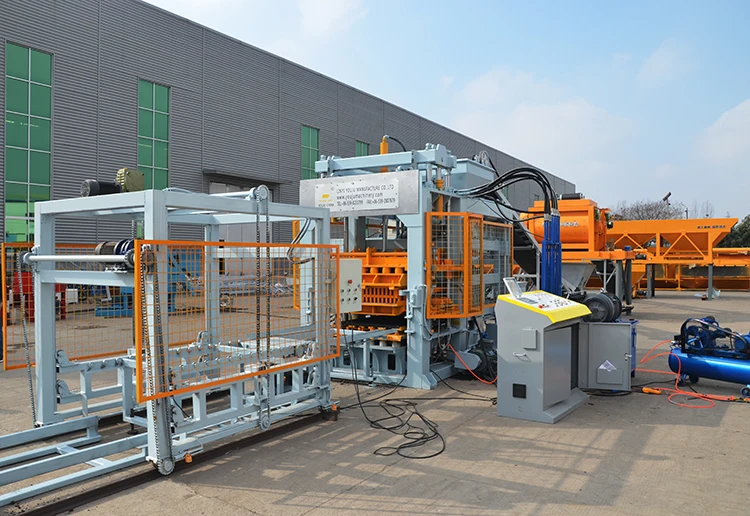
Stocked Configuration — The QT8-15 automatic block making machine is held in standard build with hollow, solid and interlock paver moulds ready for container loading, not assembled after an order is placed.
Technical Specifications
| Parameter | Value |
|---|---|
| Model | QT8-15 |
| Product Type | Automatic Block Making Machine |
| Control System | PLC with Siemens electronics, remote control capable |
| Main Motor Power | 37 kW |
| Motor Brand | Siemens |
| Rated Hydraulic Pressure | 21 MPa |
| Vibration Force | 100 kN |
| Pallet Size | 950 × 900 mm |
| Standard Hollow Block | 390 × 190 × 190 mm, 8 pcs/mould |
| Solid Block | 240 × 115 × 53 mm, 39 pcs/mould |
| Interlock Paver | 225 × 112.5 × 60 mm, 18 pcs/mould |
| Overall Dimensions | 8300 × 1860 × 3000 mm |
| Weight | 15 t |
| Container Loading | 40 ft HQ |
| Auxiliary Options | Automatic stacker, color feeder |
Application Suitability
| Application | Material or Output |
|---|---|
| Masonry Wall Construction | Standard hollow blocks from crushed stone, sand and cement |
| Load-bearing Solid Blocks | Dense aggregate mixes for structural solid brick formats |
| Landscaping & Driveways | Colored interlock pavers with surface pigment via color feeder |
| On-site Project Production | Hollow and solid formats for housing contractors producing locally |
| Building Material Distribution | Standard formats stocked for regional resale networks |
What "Ready to Ship" Actually Means for Your Project Start Date
A machine on the floor loads faster than one on the drawing board, but only if voltage, frequency and PLC language are confirmed before the container is sealed.
When a project deadline is fixed, waiting for a built-to-order machine is a risk most contractors cannot absorb. A QT8-15 automatic block making machine in stock means the press, hydraulic station and PLC cabinet are assembled and factory-tested, not scheduled for future production. Yet availability alone is not enough if the electrical configuration is wrong for the destination country. I have watched machines sit idle for weeks after arrival because the voltage was never confirmed at the quotation stage [NEED_CITE: voltage and frequency standards by export market].
Dispatch Timing Without the Guesswork
The lead time question should be answered in writing before a deposit is made. When a QT8-15 automatic block making machine is physically available, the dispatch window depends on container booking and customs documentation, not production scheduling. Standard mould sets — hollow, solid and interlock paver — ship with the press when confirmed at inquiry, eliminating a second shipment delay. The quotation stage should state the estimated port arrival date so that foundation work and raw material sourcing can run in parallel with transit.
Container Loading and Machine Dismantling
A 40 ft HQ container accommodates the QT8-15 press, hydraulic power pack, PLC cabinet and standard moulds when dismantled to a shipping configuration. The vibration table and hydraulic cylinder assembly remain bolted to the main frame, while the mould rack and pallet magazine are secured separately to prevent transit damage. Packing photographs are taken before the container doors close, giving the buyer a visual record for insurance and customs clearance [NEED_CITE: container loading standards for heavy industrial machinery].
How Pressure, Vibration and Pallet Size Interact on Site
The 21 MPa rated hydraulic pressure and 100 kN vibration force together determine how densely the mix is compacted into the mould cavity. Higher pressure alone does not guarantee stronger blocks if the vibration frequency is mismatched to the aggregate particle size. The 950 × 900 mm pallet must also match the curing racks and forklifts already on site — ordering a pallet size without checking the curing area footprint leads to manual re-stacking that erodes the output advantage of an automatic line. Wire-cut and carburized moulds hold their dimensional tolerance longer under abrasive mixes, reducing the frequency of format drift that causes reject blocks.
The Cost of Skipping Pre-Dispatch Confirmation
When voltage, frequency or PLC display language is left unconfirmed, the machine arrives and cannot be commissioned until transformers are sourced or software is reloaded. That delay pushes back operator training and first production, which cascades into missed delivery commitments for the block buyer’s own customers. The cost is not the transformer — it is the idle crew and the project penalty that accumulates daily [NEED_CITE: commissioning delays from unconfirmed electrical specifications in export markets].
Why Source This Machine Here
Block machinery is the single focus of this operation, so the QT8-15 press, moulds, pallets and handling equipment are specified as a matched set rather than sourced from separate suppliers. Stock configurations are built against common block formats and voltage standards, reducing the variables that delay shipment. Mould design covers the hollow, solid and paver formats that regional markets actually purchase, and custom drawings are supported when a buyer’s specification falls outside the standard range. Factory testing runs the press through a full cycle before dismantling, so the test record reflects the machine that ships, not a prototype.
Documentation & Verification
- Factory test record showing cycle operation on your specified block format before dismantling
- Machine specification sheet with confirmed voltage, frequency and PLC display language
- Mould drawing and format list matching the pallet size you confirmed at inquiry
- Packing photographs documenting container loading condition before dispatch
- Hydraulic and electrical schematic for on-site troubleshooting during commissioning
Installation, Commissioning & Support
- Foundation pad sized to the 8300 × 1860 mm footprint with vibration isolation provisions
- Dedicated 37 kW circuit matching confirmed voltage and frequency at the main motor starter
- Press reassembly from 40 ft HQ shipping configuration with hydraulic line reconnection and bleed
- PLC language and Siemens electronics verified on first power-up before mould installation
- Operator training on mould change procedure using the supplied hollow and solid block sets
- Wear parts list covering hydraulic seals and mould liner elements for first replacement planning
What We Need Before Quoting Dispatch
To confirm which QT8-15 configuration is available and when it can reach your site, the inquiry should include the target block format, the local voltage and frequency standard, and the preferred PLC display language. If the project start date is fixed, stating that date upfront allows the dispatch schedule to be quoted against it rather than against a generic lead time.
Frequently Asked Questions
Q: Which QT8-15 configurations are currently in stock and how fast can they ship?
A: Standard configurations with hollow, solid and interlock paver moulds are held in built and tested condition. Dispatch depends on container booking availability at the time of order confirmation. The quotation will state the specific configuration on the floor and the estimated loading date, not a generic production lead time.
Q: How is the machine dismantled for 40 ft HQ container loading?
A: The press main frame, vibration table and hydraulic station ship as one secured assembly. The PLC cabinet, mould rack and pallet magazine are crated separately to prevent transit damage. Packing photographs document the loading condition before the container is sealed for customs and insurance purposes.
Q: What is the realistic arrival estimate from order confirmation to site delivery?
A: Sea transit time depends on the destination port and current shipping schedules. The quotation includes an estimated arrival date based on the confirmed container booking window, allowing foundation preparation and raw material sourcing to proceed during transit rather than after arrival.
Q: Are standard moulds shipped together with the machine or ordered separately?
A: The hollow, solid and interlock paver moulds matching the 950 × 900 mm pallet size ship in the same container when confirmed at the inquiry stage. Ordering moulds separately after the machine has shipped creates a second logistics cycle and delays first production on site.
Q: What happens if voltage or PLC language is not confirmed before dispatch?
A: The machine is built to a default electrical standard. If the destination country requires a different voltage, frequency or control display language, commissioning cannot proceed until transformers are sourced or PLC software is reloaded on site, delaying first block production.