

Compressed Earth Block Machine Troubleshooting: Shiyue Manufacturer Guide
Most compressed earth block machine downtime stems from overlooked site conditions rather than mechanical failure.
The majority of operational stoppages in CEB production are caused by unstable power grids, inconsistent raw material moisture, or loose sensor connections, not by catastrophic pump or PLC failures. Systematic troubleshooting of these external factors prevents costly delays and ensures consistent block quality. [NEED_CITE: common causes of hydraulic system failure in construction machinery]
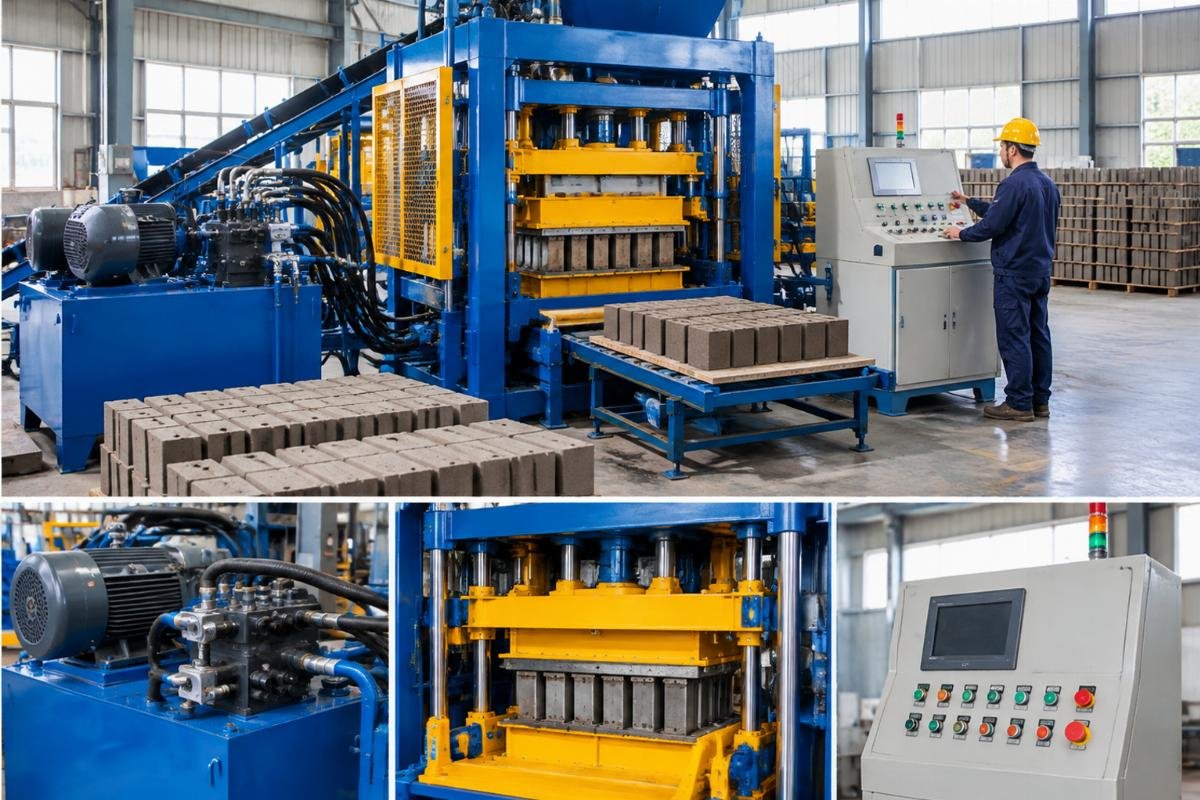
Transitioning from handling customs documentation at Ningbo Port to managing international machinery trade revealed a critical gap in how equipment is supported after shipment. A specific incident involving a shipment to West Africa highlighted this issue. The client faced persistent hydraulic alarms due to local voltage fluctuations, leading to a two-week production halt while waiting for spare parts. The cost of expedited shipping for simple valves consumed a significant portion of the project margin. This experience underscored the necessity of embedding practical, localized troubleshooting guides directly into the equipment design, ensuring operators can identify and resolve common issues without immediate remote support.
Why Does My CEB Machine Stop Unexpectedly?
Check power stability and sensor connections before assuming internal mechanical damage.
Random stops in automated block making lines are frequently misdiagnosed as PLC errors. In reality, vibration during transport or operation often loosens sensor wiring, causing intermittent signal loss. [NEED_CITE: impact of vibration on industrial sensor reliability] Additionally, emerging market sites often lack stable grid infrastructure, leading to voltage drops that trigger safety shutdowns in sensitive electronic controls.
A case in Southeast Asia involved a new plant experiencing frequent unexplained resets. Initial diagnostics pointed to software glitches. However, onsite inspection revealed that the grounding wire was insufficient for the local soil conditions, causing electrical noise that interfered with the PLC inputs. Installing a dedicated voltage stabilizer and improving the grounding system resolved the issue permanently.
To address these electrical faults systematically:
- Verify the input voltage range matches the machine specifications using a multimeter.
- Inspect all sensor connectors for tightness, especially proximity switches on the mold box and feeder.
- Check the integrity of the grounding cable and ensure it is connected to a proper earth rod.
- Install a voltage stabilizer if local grid fluctuations exceed standard tolerances.
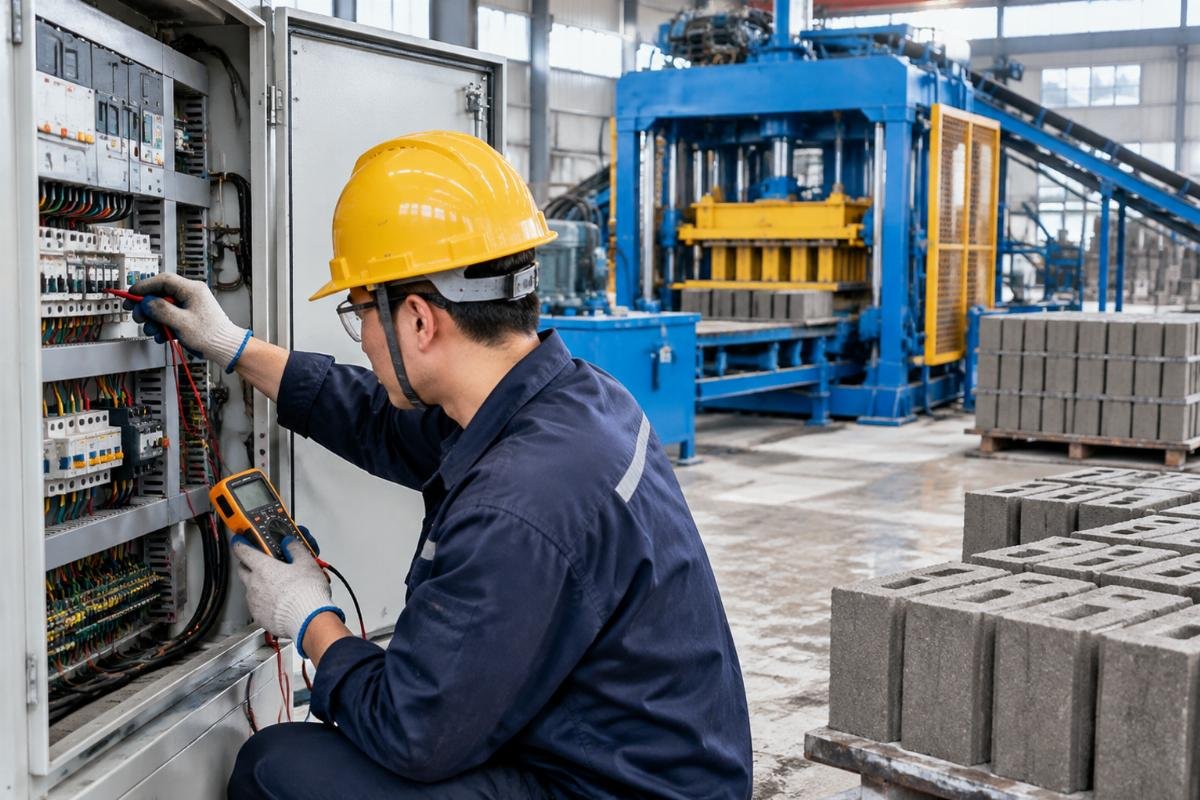
Ensuring electrical stability is foundational. Without it, even the most robust mechanical systems will fail to operate consistently. This approach minimizes false alarms and reduces the need for complex diagnostic procedures.
How to Fix Hydraulic System Alarms?
Inspect oil quality and filter status first, as contaminated fluid is a primary cause of valve blockages.
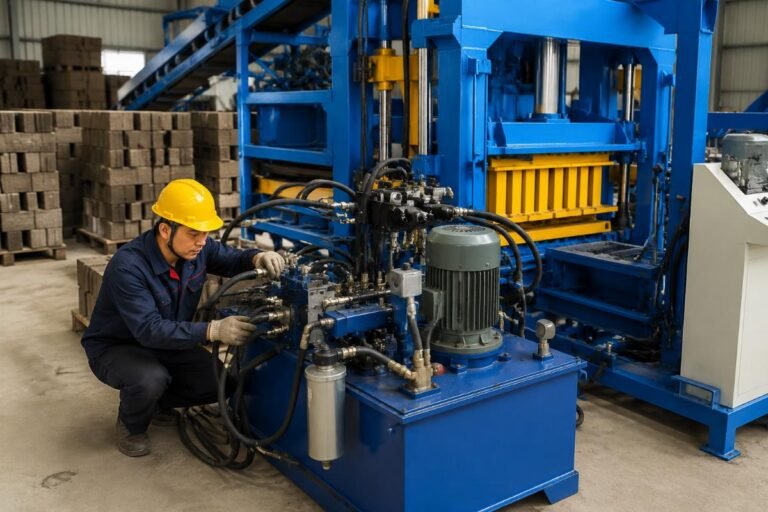
Many operators assume hydraulic failure originates from the pump. However, poor filtration during initial fill or maintenance often introduces contaminants that clog proportional valves and solenoids. [NEED_CITE: hydraulic contamination standards ISO 4406] Overheating is another common alarm trigger, frequently exacerbated by high ambient temperatures and inadequate cooling cycles in tropical climates.
In a Latin American road project, the interlocking paver machine exhibited sluggish movement and pressure alarms. The root cause was traced to degraded hydraulic oil that had lost its viscosity due to prolonged exposure to high operating temperatures without adequate cooling intervals. Replacing the oil and cleaning the filters restored performance.
Follow this protocol for hydraulic troubleshooting:
- Check the hydraulic oil level and color; dark or milky oil indicates contamination or water ingress.
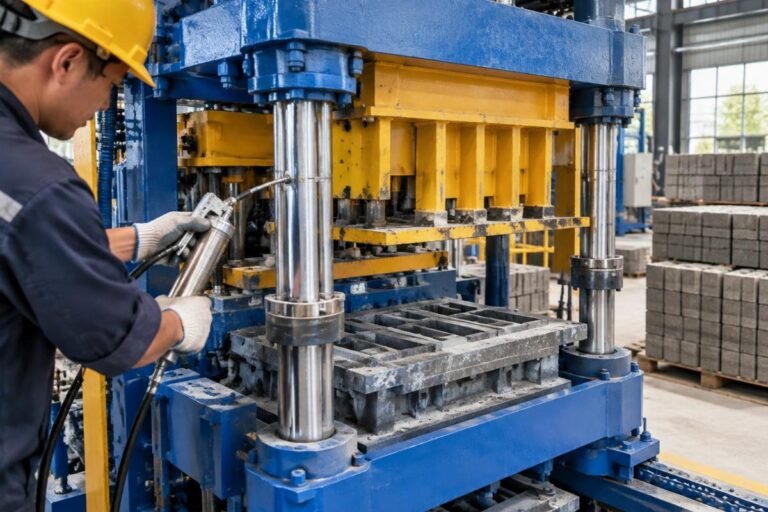
- Inspect the return line filter for debris; replace if clogged.
- Verify the cooling fan operation and clean any dust from the radiator fins.
- Monitor system temperature during operation; allow cooling breaks if temperatures rise excessively.
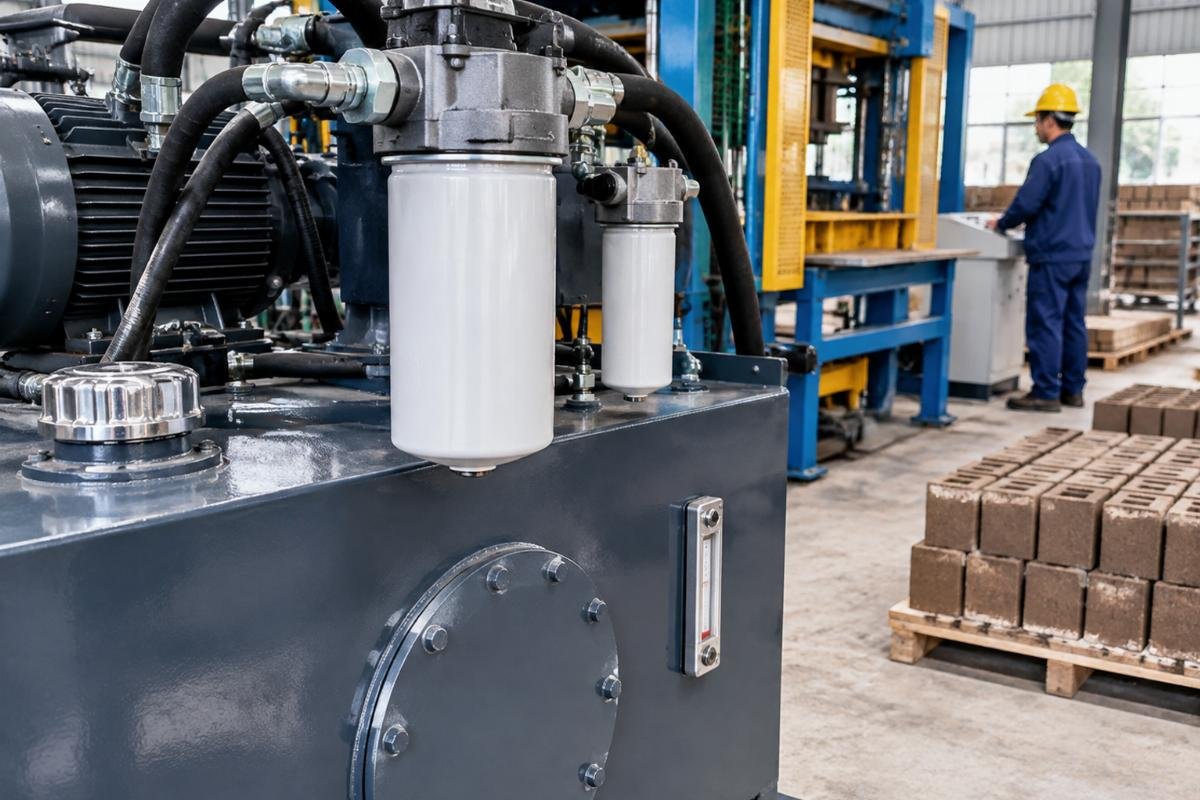
Maintaining hydraulic health requires disciplined adherence to maintenance schedules. Using high-quality filtration and monitoring temperature trends can prevent premature component wear and ensure smooth operation.
What Causes Poor Block Quality or Cracking?
Adjust raw material moisture content and compaction pressure to achieve optimal density.
Block cracking and surface defects are rarely due to mold damage alone. They typically result from inconsistent raw material preparation, specifically moisture levels that are either too high or too low. [NEED_CITE: effect of moisture content on soil compaction] High moisture leads to sticking in the molding chamber, while low moisture results in poor cohesion and edge crumbling.
A startup in Southeast Asia struggled with blocks sticking to the mold walls, causing deformation during ejection. Analysis showed the local clay had a higher natural moisture content than anticipated. Adjusting the mixing water addition and implementing a stricter sieving process to remove large aggregates resolved the sticking issue.
To optimize block quality:
- Conduct a sieve analysis of the raw material to ensure uniform particle size distribution.
- Measure moisture content regularly; aim for the optimal range specified for the soil type.
- Adjust the compaction pressure settings on the PLC to match the material density.
- Clean the molding chamber frequently to prevent buildup that affects dimensions.
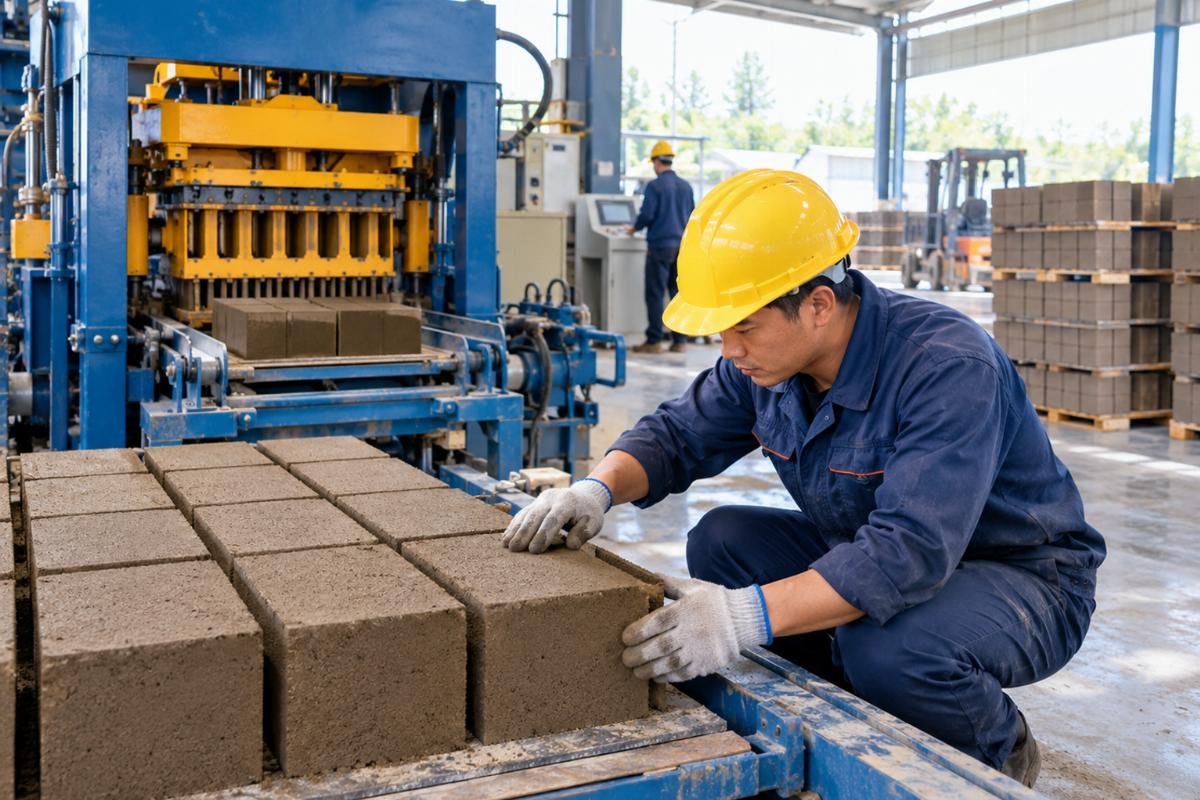
Consistent raw material preparation is as critical as machine calibration. By controlling moisture and particle size, operators can produce high-quality blocks with minimal waste and rework.
How to Prevent Mold Wear and Dimension Errors?
Implement regular liner inspection and lubrication to maintain dimensional tolerance.
Dimensional deviation in interlocking pavers is often caused by worn mold liners rather than hydraulic misalignment. As production volume increases, friction between the concrete mix and the mold walls gradually erodes the liner surface, leading to oversized or irregular blocks. [NEED_CITE: wear rates of steel molds in concrete production]
In a high-volume production facility, periodic measurement of block dimensions revealed a gradual increase in width over several months. Replacing the worn liners and establishing a routine lubrication schedule for the mold surfaces restored the original tolerances.
Preventive measures for mold maintenance include:
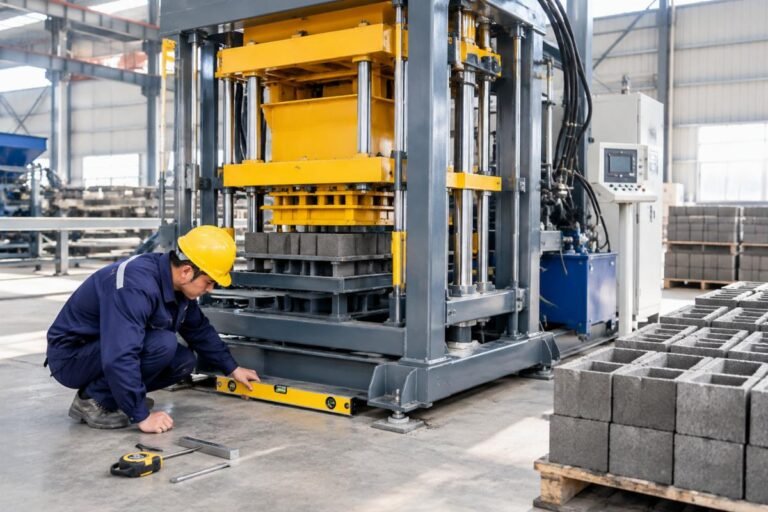
- Measure block dimensions daily to detect early signs of wear.
- Inspect mold liners for scratches, dents, or thinning edges.
- Apply appropriate release agents or lubricants to reduce friction during compaction.
- Replace liners based on production volume milestones rather than waiting for visible failure.
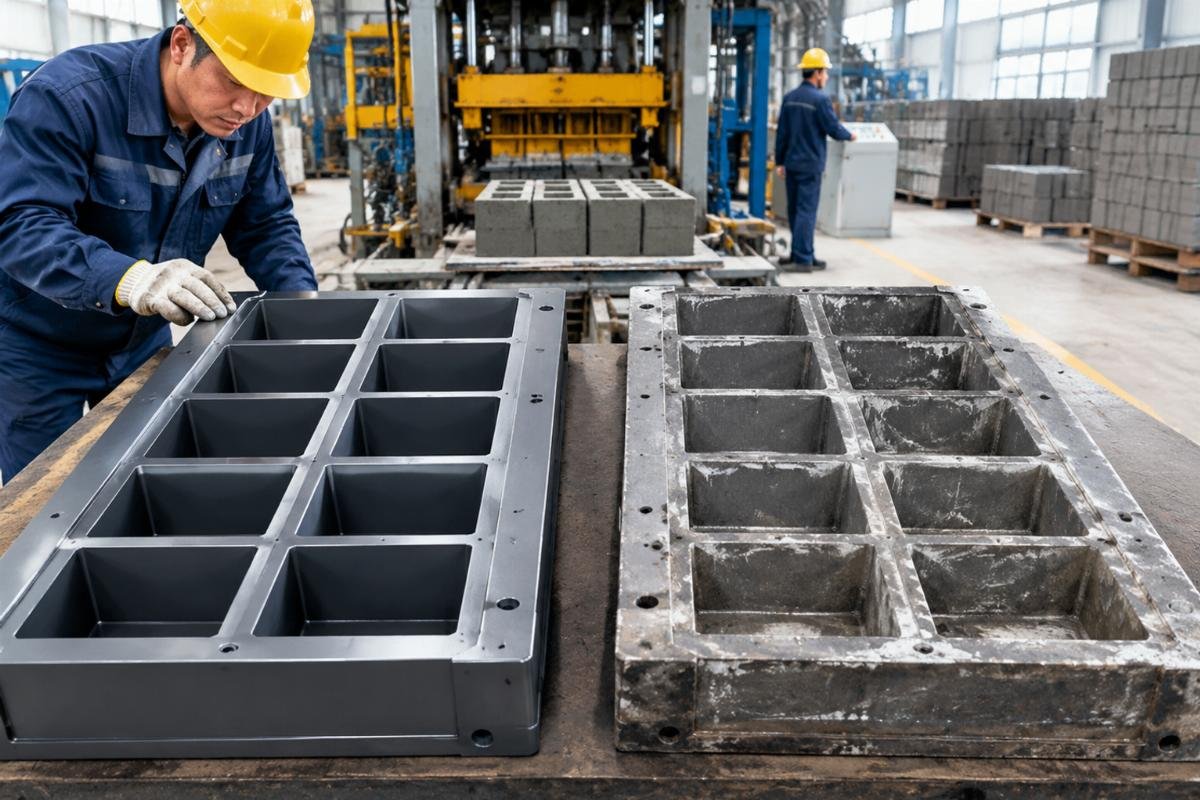
Proactive mold management extends equipment life and ensures product consistency. Regular inspections and timely replacements prevent costly quality rejects and maintain customer satisfaction.
Conclusion
Systematic troubleshooting of power, hydraulics, and materials prevents most CEB machine downtime.
Addressing external factors like voltage stability and raw material consistency is more effective than focusing solely on mechanical repairs. By implementing structured maintenance protocols and operator training, plants can achieve higher uptime and consistent block quality. This approach transforms potential operational risks into manageable routine tasks.
Leave a Reply