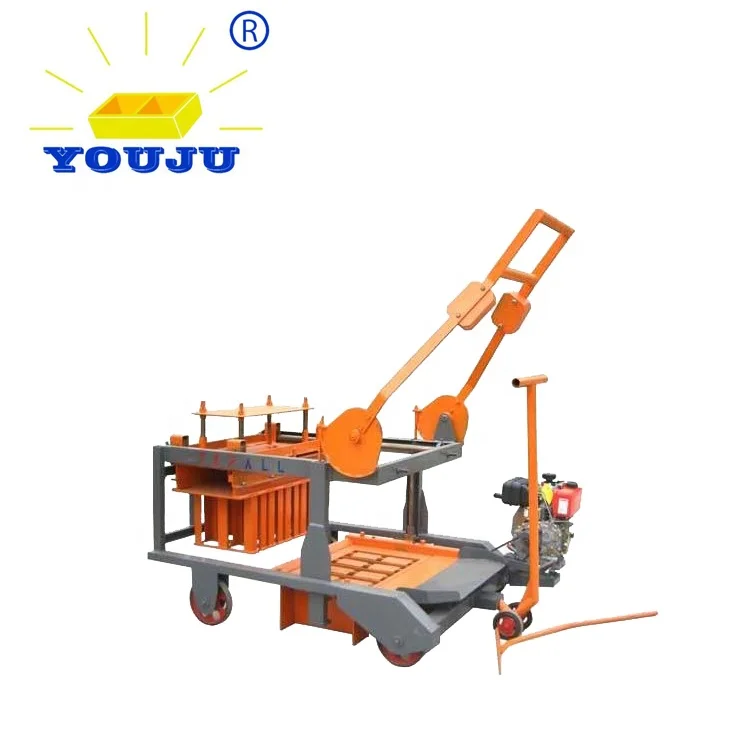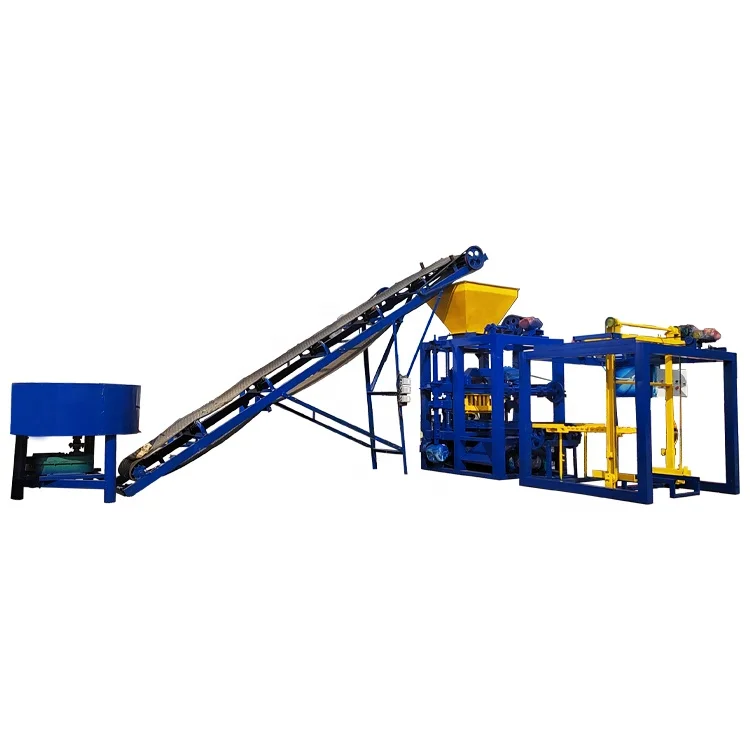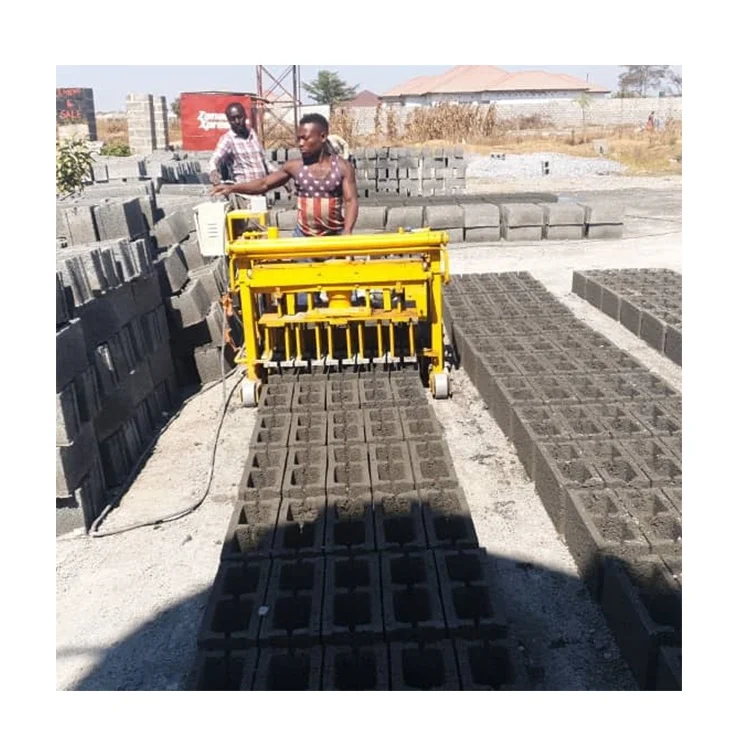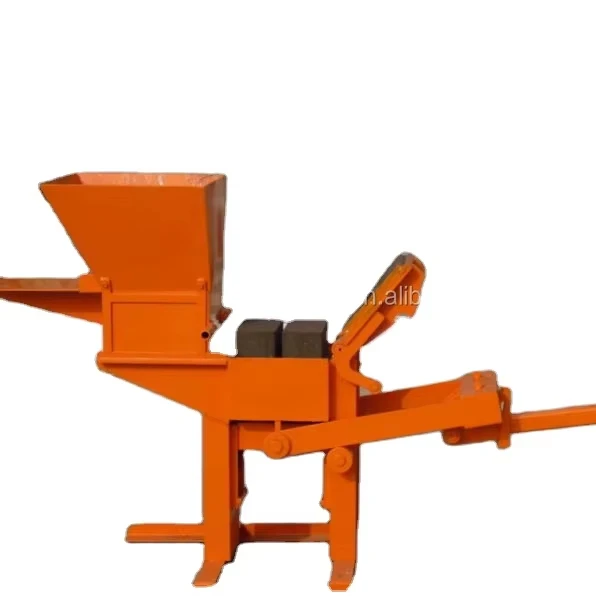
Description
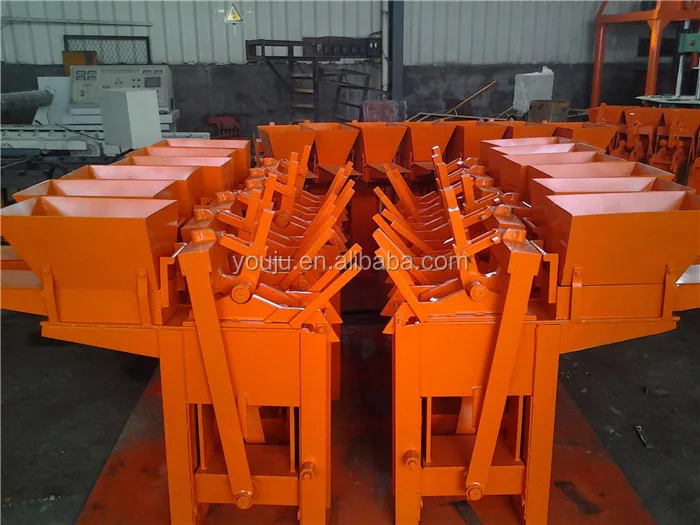
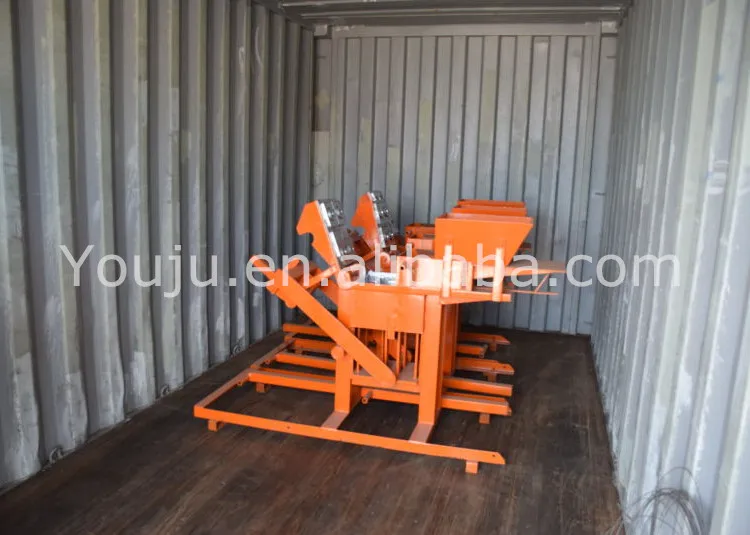
Ready for Dispatch — Stocked LY2-40 units are container-ready in our Linyi warehouse, so buyers working against a site deadline can skip the standard production queue.
Technical Specifications
| Parameter | Value |
|---|---|
| Model | LY2-40 |
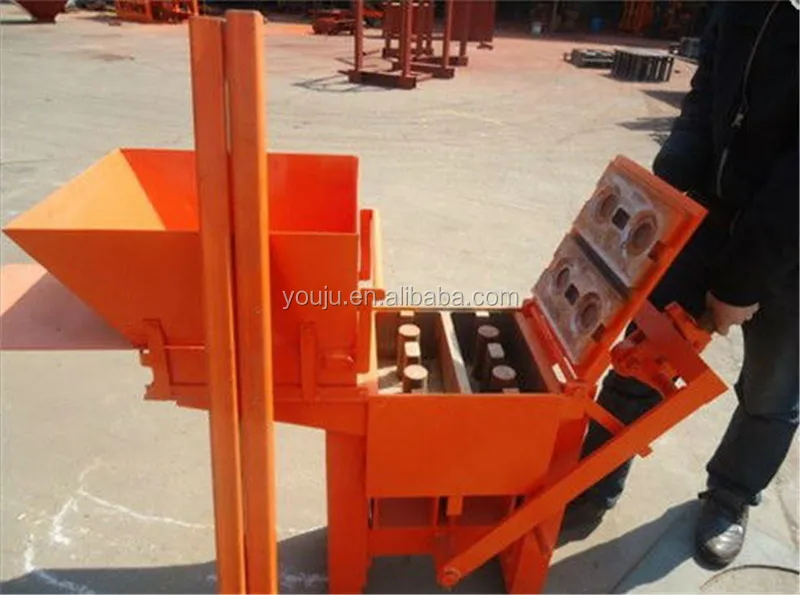
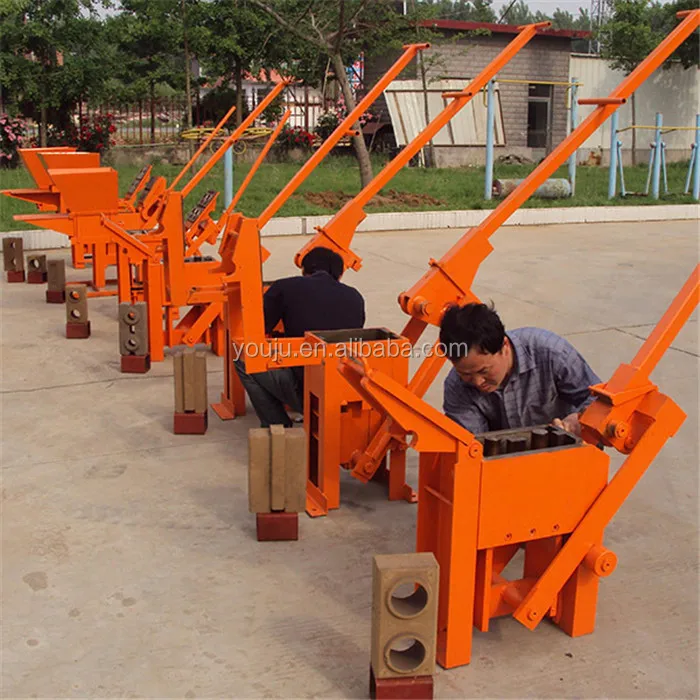
| Product Type | Manual Clay Brick Making Machine |
| Operation | Completely manual, no electrical power required |
| Lifting System | Manually operated lever mechanism |
| Mobility | Steel wheels for on-site relocation |
| Dimensions (L×W×H) | 1600 × 700 × 1200 mm |
| Total Mass | 200–240 kg |
| Molding Cycle | 30–40 seconds |
| Daily Output | 400–1000 pcs/day (basis not stated in source — confirm block format, material and wall thickness) |
| Compatible Mixer | JFA-1 or JQ350 pan mixer |
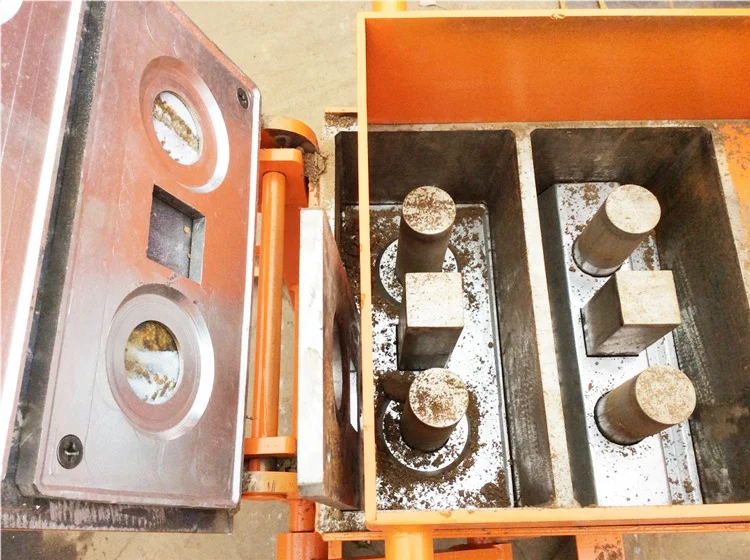
| Mould System | Changeable for various interlocking block formats |
| Warranty | 1 Year |
Application Suitability
| Application Scenario | Material or Output |
|---|---|
| Remote construction sites without grid power | Local soil blended with cement for interlocking clay bricks |
| Housing development projects requiring on-site brick supply | Red soil, laterite or black cotton soil with cement stabilisation |
| Small-scale ecological brick production | Soil-cement mixtures for permeable and interlocking pavers |
| First-time block plant entrepreneurs | Low-capital manual production of standard and interlocking formats |
What "1000 Pieces per Day" Actually Means on a Manual Clay Press
Daily output figures on manual brick machines are meaningless unless you know exactly which brick format, soil type and operator rhythm they assume.
I spent years coordinating brick lines across Southeast Asia, and the most common complaint I hear from contractors is not that the machine broke down — it is that the daily tally never matches the brochure number. A manual clay brick making machine in stock might quote a ceiling of 1000 pieces, but that figure typically assumes an experienced crew, a pre-mixed soil-cement blend at the right moisture, and a standard solid brick format. Switch to a thicker interlocking profile or work with high-moisture laterite during monsoon season, and the molding cycle stretches well past 40 seconds [NEED_CITE: effect of soil moisture on manual brick cycle time]. The machine itself is not the bottleneck; the gap between quoted capacity and site reality is.
Dispatch Timing When the Project Clock Is Already Running
When a contractor commits to a housing phase and the bricks are not yet on site, every week of machine lead time is a week of idle masons and delayed formwork. Stocked LY2-40 units eliminate the production wait entirely. The machine is assembled, function-tested, and bolted to a steel-wheel chassis in the warehouse, so once the container booking is confirmed, the unit moves from floor to loading bay within days rather than weeks. For buyers managing a Manual Clay Brick Making Machine in stock purchase against a project deadline, this compressed timeline is often the deciding factor.
How Container Loading Affects Your Arrival Date
A 200–240 kg manual press with a 1600 mm footprint fits inside a standard 20-foot container with room to spare for a JFA-1 mixer, spare moulds, and pallets of cement. We dismantle only what is necessary — typically the lever arm and hopper extension — and photograph each stage before the container doors close. The buyer receives packing photographs and a stuffing plan so the receiving team knows exactly what to expect at the port [NEED_CITE: standard container loading procedures for light construction machinery]. Arrival estimates are quoted at the point of order confirmation, not buried in a later email.
Reading the Specs That Actually Matter on a Manual Press
The 30–40 second molding cycle is the heart of this machine’s throughput equation. On a completely manual unit, that cycle depends on the operator’s physical rhythm: fill the mould, close the lid, pull the lever, release, and eject. Soil with high clay content tends to stick, adding seconds to each ejection and accumulating over a shift. The changeable mould system means one press can produce both standard rectangular bricks and interlocking profiles, but swapping a mould on a manual frame takes longer than on a hydraulic unit — plan for a portion of the shift when calculating realistic format flexibility. The steel-wheel chassis lets a two-person crew roll the machine across a cleared site without a forklift, which matters on remote plots where the ground is uneven and a fixed foundation is not yet poured. Total mass between 200 and 240 kg keeps the unit stable during lever actuation while still allowing manual relocation.
The Cost of Skipping the Soil Report Before You Order
I once coordinated a Manual Clay Brick Making Machine in stock delivery to a project in Central Java where the site supervisor ordered based on a sample brick shipped from a different province. The local red soil had a moisture content far above what the standard mould clearance could handle, and bricks emerged soft-edged and under-compacted. The crew tried compensating by adding more cement, which raised material cost without solving the root cause. We ended up adjusting mould shims and revising the mix ratio over a video call at midnight [NEED_CITE: soil-cement mix design variables for interlocking brick production]. A simple soil test before dispatch would have let us ship with the correct mould gap already set.
Why Buyers Source This Machine Here
Stock availability means the LY2-40 is not built to order; it sits ready for container loading, which suits buyers who cannot absorb a multi-week production queue. Every unit ships with moulds matched to the block format the buyer confirms at inquiry stage, not a generic default. Documentation includes dispatch photographs, a packing list matched to the container manifest, and customs paperwork prepared in advance so port clearance does not stall the delivery. The machine is one component of a single-supplier scope — mixer, moulds, and handling tools ship together, so the buyer is not coordinating three separate freight bookings [NEED_CITE: advantages of single-supplier equipment packages for remote construction sites]. Post-delivery support covers mould wear parts and lever mechanism spares, available by air freight when replacement intervals come due.
Documentation & Verification
- Factory test record showing molding cycle on your specified brick format before dispatch
- Mould drawing and format list confirming interlocking profile dimensions
- Packing photographs of dismantled machine staged for container loading
- Customs documentation package aligned with destination-country import requirements
- Operation manual with soil-cement mix guidance for manual operation
Installation, Commissioning & Support
- No electrical connection needed; the 1600 × 700 mm footprint requires only a level, compacted ground surface
- Lever arm and hopper extension reattach with standard hand tools upon arrival
- First-batch molding supervised via video call to confirm cycle timing with your local soil
- Mould change procedure walked through on site using the supplied format list
- Spare wear parts list provided with reorder intervals for lever pivots and mould liners
What We Need to Confirm Your Dispatch Slot
To lock a container booking, share the brick format you intend to produce, the soil type available at your project site, and your destination port. If you already have a mixer on site, let us know the model so we can confirm compatibility or include a JFA-1 or JQ350 in the shipment. Target start date helps us sequence the loading schedule against other booked orders.
Frequently Asked Questions
Q: What is the dispatch lead time for a stocked LY2-40?
A: Stocked units are warehouse-ready, so dispatch depends mainly on container booking availability and customs export clearance. Once the order is confirmed and the container slot is secured, the machine is typically moved to the loading bay within a matter of days. Exact dates are provided at order confirmation.
Q: How is the LY2-40 loaded into a shipping container?
A: The lever arm and hopper extension are removed to reduce the transport profile. The main frame with steel wheels is rolled into a standard 20-foot container and secured. Packing photographs are taken at each stage and shared with the buyer before the container is sealed.
Q: What arrival estimate should I plan around?
A: Ocean transit time varies by destination port. We quote an estimated arrival window at the point of order confirmation based on the confirmed sailing schedule. Buyers receive the container tracking number once the vessel departs.
Q: Are standard moulds included with the stocked unit?
A: Yes. Each stocked LY2-40 ships with at least one mould configured to the brick format confirmed during the inquiry stage. Additional moulds for other interlocking profiles can be included in the same container if requested before loading.
Q: What customs documentation comes with the shipment?
A: The shipment includes a commercial invoice, packing list, bill of lading, and any origin certificates required by the destination country. Documentation is prepared in advance so the buyer’s customs broker can begin pre-clearance before the vessel arrives.