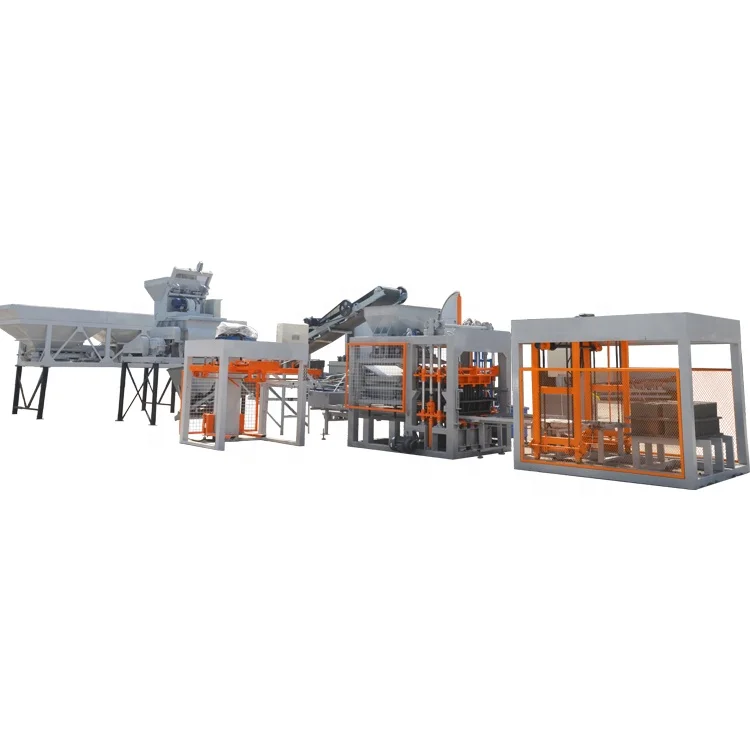
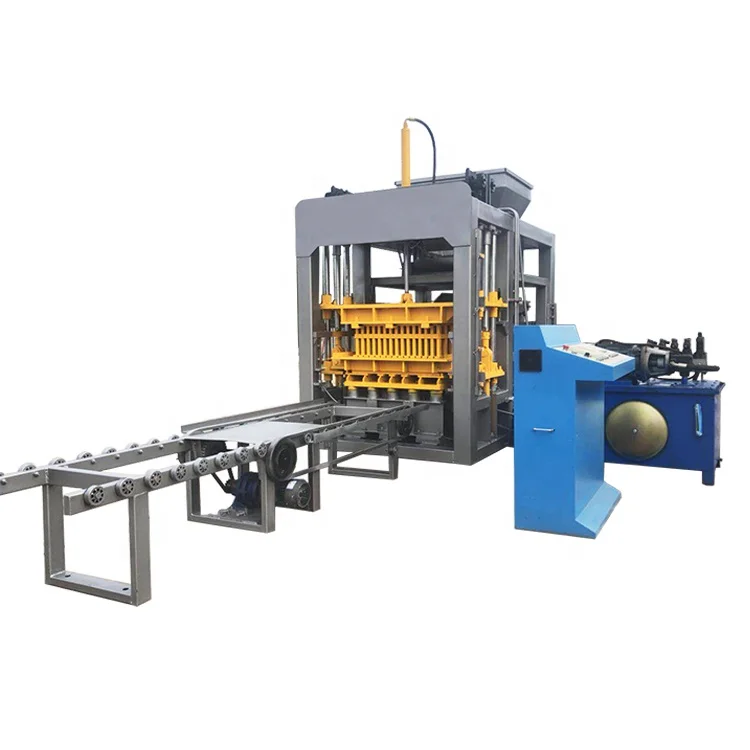
Description
Stocked Configuration — QT5-15 availability and container loading plan confirmed in writing before your purchase order is issued.
Technical Specifications
| Parameter | Value |
|---|---|
| Model | QT5-15 |
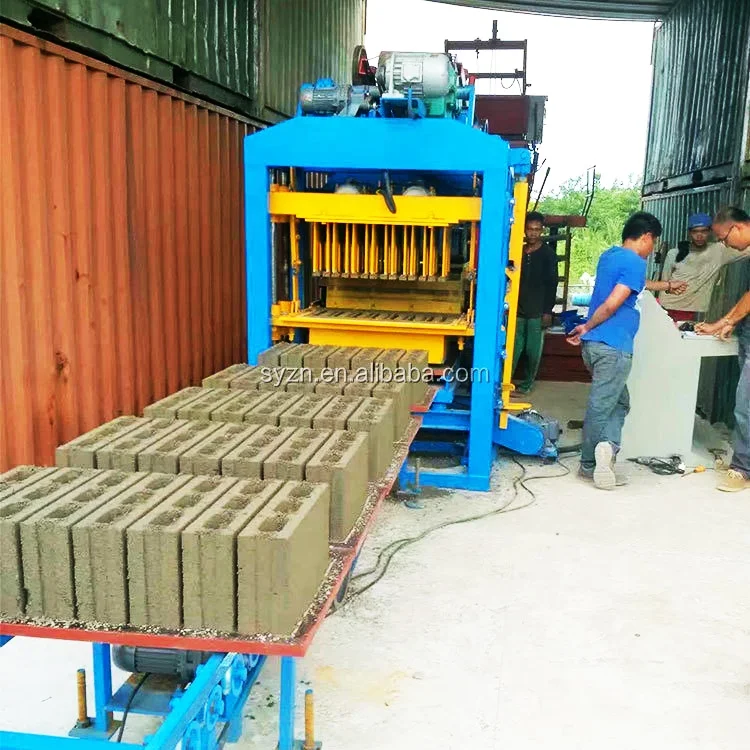
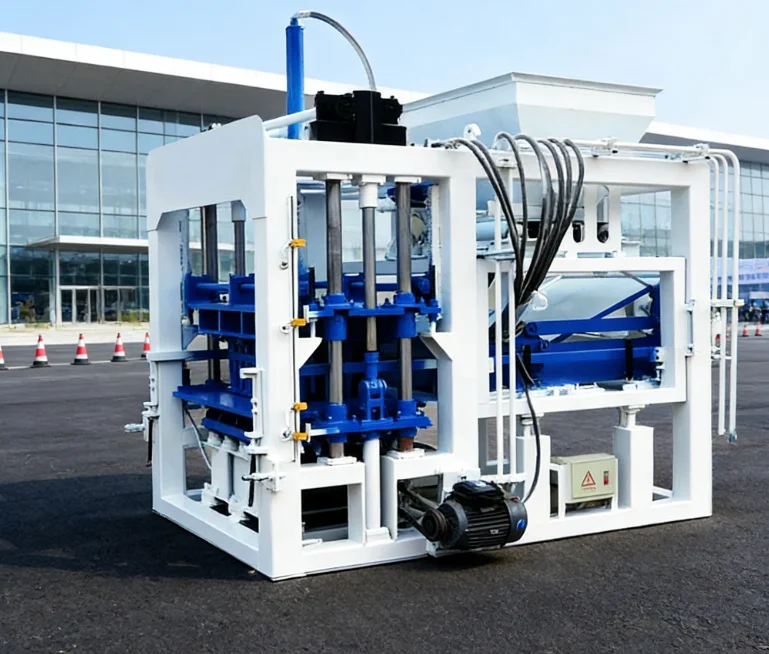
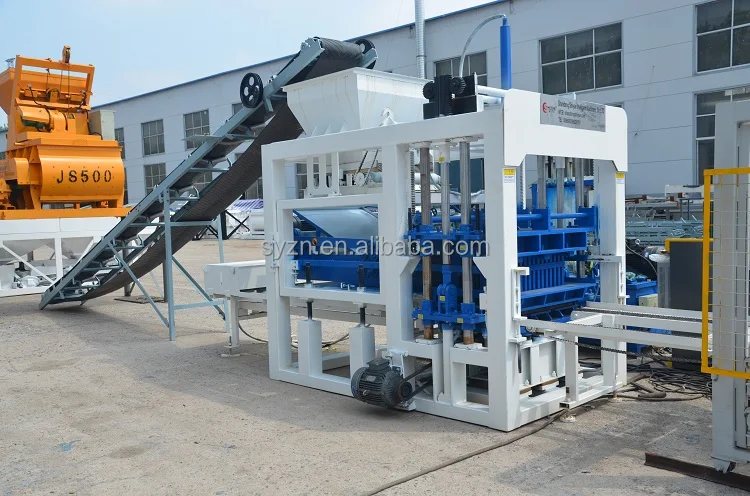
| Product Type | Automatic Concrete Block Making Machine |
| Overall Dimensions | 7400×1950×2800 mm |
| Rated Pressure | 21 MPa |
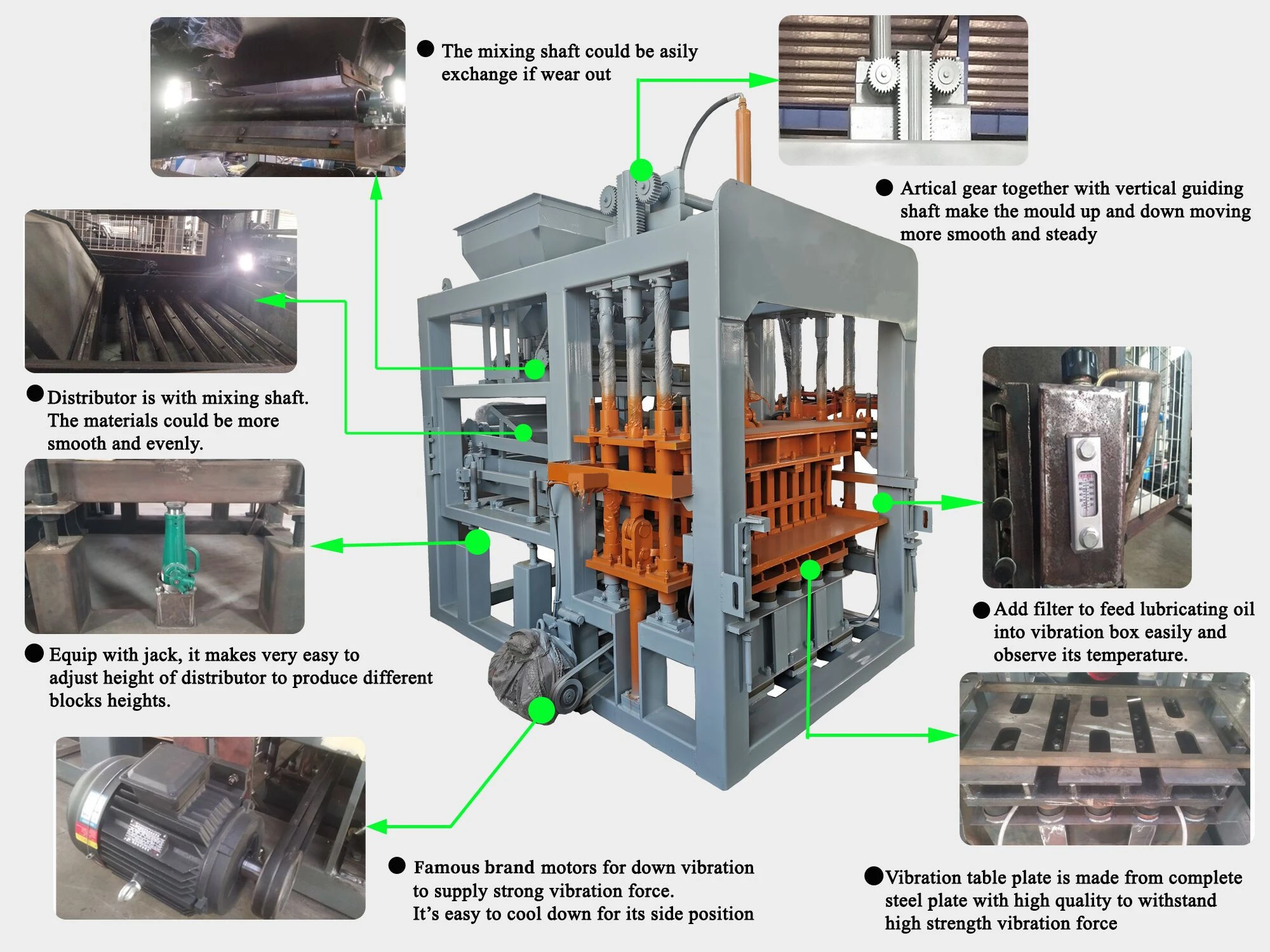
| Main Vibration Form | Platform Vibration |
| Vibration Frequency | 2800–4500 r/min |
| Pallet Size | 1100×550 mm |
| Molding Cycle | 15–25 s |
| Overall Power | 26.5 kW |
| Demolding Method | Hydraulic |
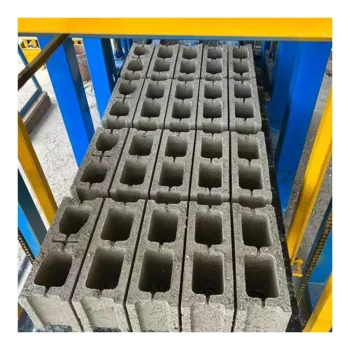
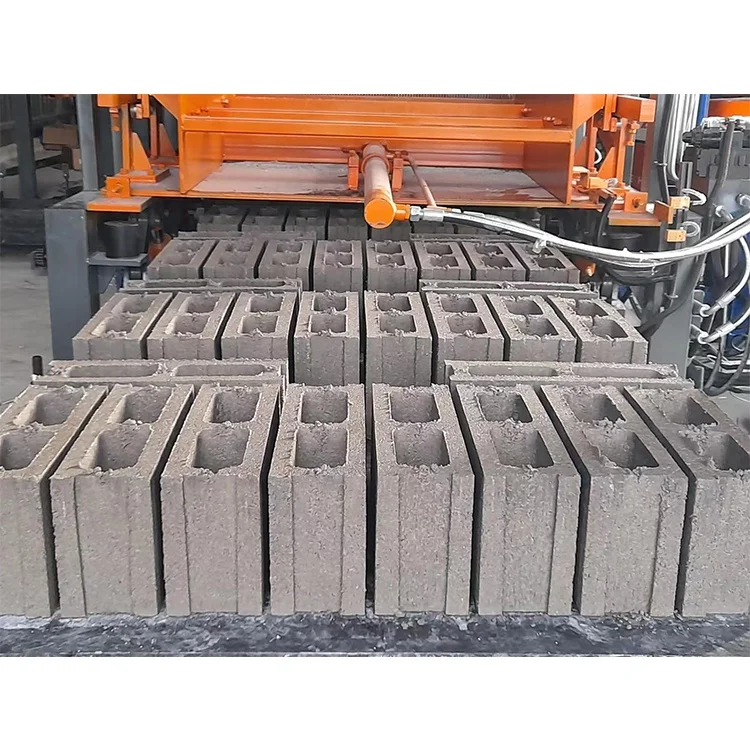
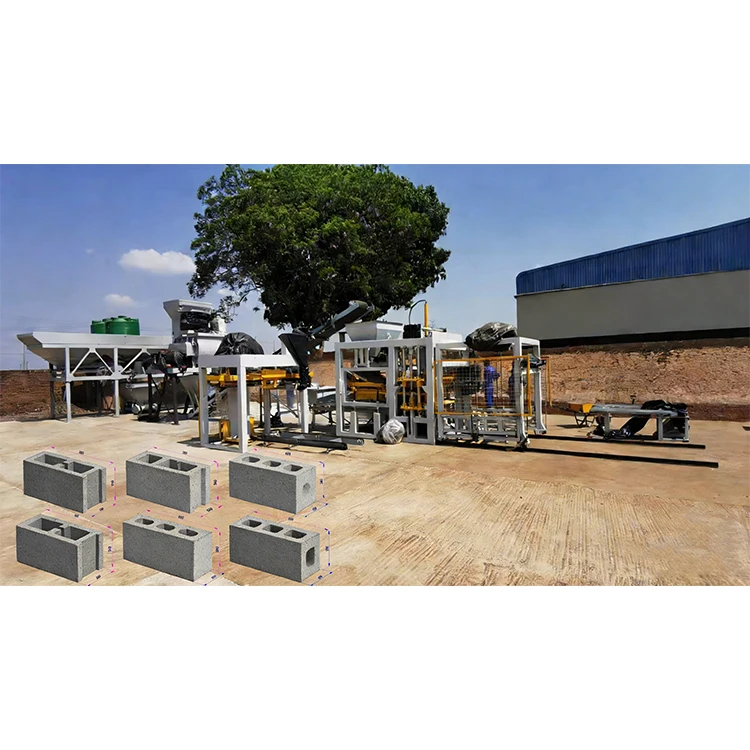
| Output Capacity (Hollow Brick 400×200×200 mm) | 5 pcs/mould, 16–20 s cycle, 1800 pcs/h |
| Output Capacity (Hollow Block 400×150×200 mm) | 6 pcs/mould, 15–20 s cycle, 1300 pcs/h |
| Output Capacity (S Paver 225×112.5×60 mm) | 16 pcs/mould, 15–17 s cycle, 3700 pcs/h |
| Raw Materials | Crushed stone, sand, cement, fly ash, gravel, slag, dust |
| Applied Products | Concrete blocks, hollow/solid blocks, pavers, interlocking blocks, curbstone, colored pavers |
| Voltage & Frequency | Configurable to destination market (confirm before order) |
| Control System | PLC-based (brand and display language to confirm) |
Application Suitability
| Application | Material or Output |
|---|---|
| Hollow block production for building contractors | Crushed stone and cement mix, 400×200×200 mm format |
| Paver manufacturing for landscape and municipal projects | Sand, cement and color pigment, 225×112.5×60 mm S-type pavers |
| Solid block production for load-bearing walls | Gravel, fly ash and cement blends |
| Interlocking block and curbstone runs | Custom mould formats on the standard 1100×550 mm pallet |
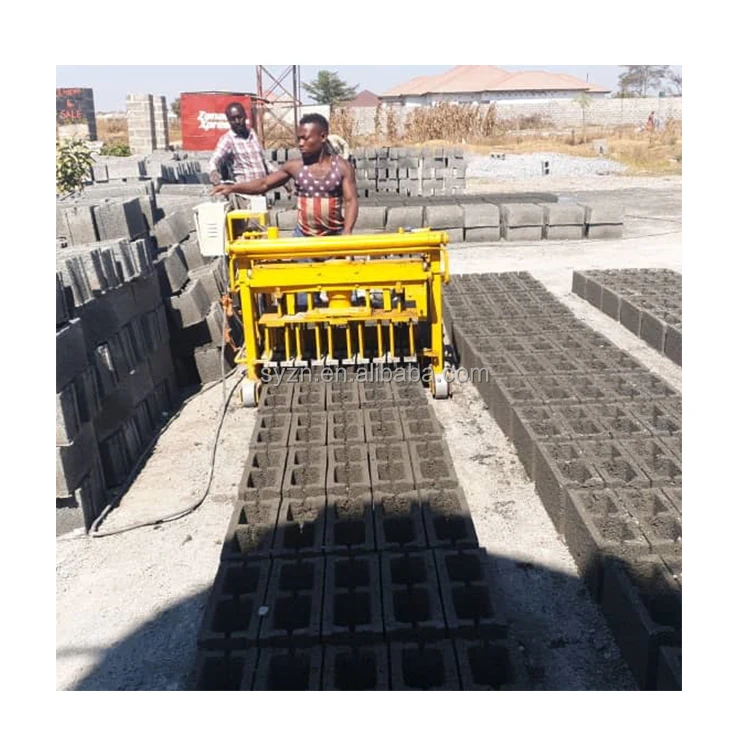
| On-site block production for housing developments | Local aggregate and cement with site-stored raw materials |
What "Ready to Ship" Actually Means for Your Deadline
The QT5-15 block machine in stock must be confirmed in writing at inquiry stage, not assumed from a website listing.
A "stocked" label on a product page does not guarantee the exact configuration your market requires. Voltage mismatch, unconfirmed PLC language, or a pallet size that conflicts with your curing area can stall a machine on the dock for weeks while corrections are made. The QT5-15 block machine in stock conversation should cover dispatch lead time, container loading plan, and arrival estimate — all documented before payment [NEED_CITE: voltage and frequency standards by export market]. Without that written confirmation, a fast delivery promise becomes an empty one.
Dispatch Readiness Is More Than a Warehouse Check
When you ask whether a QT5-15 block machine in stock is genuinely ready, the real question extends beyond the press itself. The hydraulic power unit, electrical cabinet, and mould set must all be matched to your destination market. A machine assembled for 380V/50Hz will not commission in regions running 440V/60Hz without a transformer — and sourcing one locally can add weeks of downtime. Stock status should include confirmed voltage, control language, and the specific mould formats loaded for shipment.
Container Loading and Arrival Timing
The QT5-15 measures 7400×1950×2800 mm, which dictates how it is dismantled and positioned inside a container. The main frame, hydraulic station, and pallet feeder each require separate securing points. A proper container loading plan addresses weight distribution and lashing so the machine arrives without structural stress. Arrival estimates should be quoted against your destination port, accounting for typical shipping durations and customs clearance windows [NEED_CITE: typical container transit durations to Latin American and African ports].
How Pressure and Vibration Shape Block Density
The 21 MPa rated pressure and platform vibration frequency range of 2800–4500 r/min work together to compact the concrete mix into a dense, consistent block. Insufficient vibration leaves voids that weaken structural integrity, while excessive pressure without matching vibration produces surface cracks. The QT5-15 balances these forces across a 15–25 second molding cycle depending on the block format. For hollow blocks at 400×200×200 mm, the cycle sits at 16–20 seconds producing 5 pieces per mould, while smaller S-type pavers at 225×112.5×60 mm complete in 15–17 seconds at 16 pieces per mould. Pallet dimensions of 1100×550 mm determine curing rack spacing and forklift handling capacity downstream.
When a Fast Machine Becomes a Slow Project
Ordering a block machine without confirming pallet size against your existing curing racks means every pallet must be handled manually or your rack system must be rebuilt. If the PLC display language does not match your operators, commissioning delays follow because error codes cannot be read on-site. A machine that arrives with the wrong voltage configuration sits idle while a transformer is sourced — a problem that compounds daily against contractor penalty clauses and idle labour costs [NEED_CITE: common causes of commissioning delays in imported industrial equipment].
Why Sourcing From a Single-Focus Manufacturer Matters
Shiyue Machinery builds block machines and their supporting systems as matched units rather than assembling components from unrelated suppliers. The QT5-15 arrives with a factory test record showing actual cycle times for your chosen block format, not a catalogue default. Pallet specifications are confirmed against your curing area dimensions and forklift capacity before production begins. Moulds are designed to the formats your market sells, including custom drawings when standard options do not cover your product range. Documentation includes electrical schematics, hydraulic diagrams, and CE declaration where applicable — all reviewed before the container is sealed.
Documentation & Verification
- Factory test record on your target block format with measured cycle times before dispatch
- Electrical schematic and hydraulic diagram confirming voltage, frequency, and control language
- Mould drawing and format list matching your agreed product range
- Pallet specification sheet with dimensions and material grade for curing area planning
- Packing photographs documenting dismantling, securing, and container loading sequence
Installation, Commissioning & Support
- Foundation layout based on the 7400×1950×2800 mm overall dimensions and vibration isolation requirements
- Dedicated electrical circuit sized for the 26.5 kW overall power draw at your confirmed voltage and frequency
- On-site reassembly of dismantled hydraulic station, vibration platform, and pallet feeder with alignment verification
- First-run parameter setting for molding cycle, vibration frequency, and hydraulic pressure matched to your local aggregate
- Operator training covering PLC interface navigation, mould change procedure, and daily maintenance checkpoints
- Wear parts and mould replacement list with part numbers for reorder scheduling
Before You Request a Quote
Share your target block formats, daily output requirements, and local raw material composition so the configuration is built around actual production conditions. Confirm your site voltage, frequency, and preferred PLC display language to avoid commissioning delays. Provide curing area dimensions and forklift specifications so the pallet size is validated before the machine enters production.
Frequently Asked Questions
Q: Is the QT5-15 actually in stock or built to order?
A: Stock availability is confirmed in writing during the inquiry stage, not assumed from a website listing. The confirmation covers the specific voltage, control language, and mould configuration you require. If your exact setup is not on the floor, production lead time is stated upfront so you can plan around your project deadline.
Q: What is the dispatch lead time once payment is confirmed?
A: Dispatch timing depends on whether your configuration is stocked or requires assembly. For stocked units, container loading and dispatch typically follow within days of payment clearance. For built-to-order configurations, lead time is quoted at the proposal stage and includes production, factory testing, and packing.
Q: How is the machine dismantled and loaded into a container?
A: The QT5-15 is dismantled into the main frame, hydraulic power unit, electrical cabinet, and pallet feeder. Each section is secured with dedicated lashing points inside the container. Packing photographs are shared before shipment so you can verify loading condition and weight distribution.
Q: Can I get an arrival estimate for my destination port before ordering?
A: Arrival estimates are quoted at the proposal stage based on your destination port and typical shipping durations. This estimate includes estimated ocean transit time and allows you to align receiving logistics, customs clearance preparation, and site readiness for installation.
Q: What standard moulds are stocked and ready to ship with the machine?
A: Standard moulds for common hollow block, solid block, and paver formats are available for immediate pairing with the QT5-15. Custom mould designs based on your drawings require additional lead time, which is quoted separately. Stocked mould inventory is confirmed at the inquiry stage.