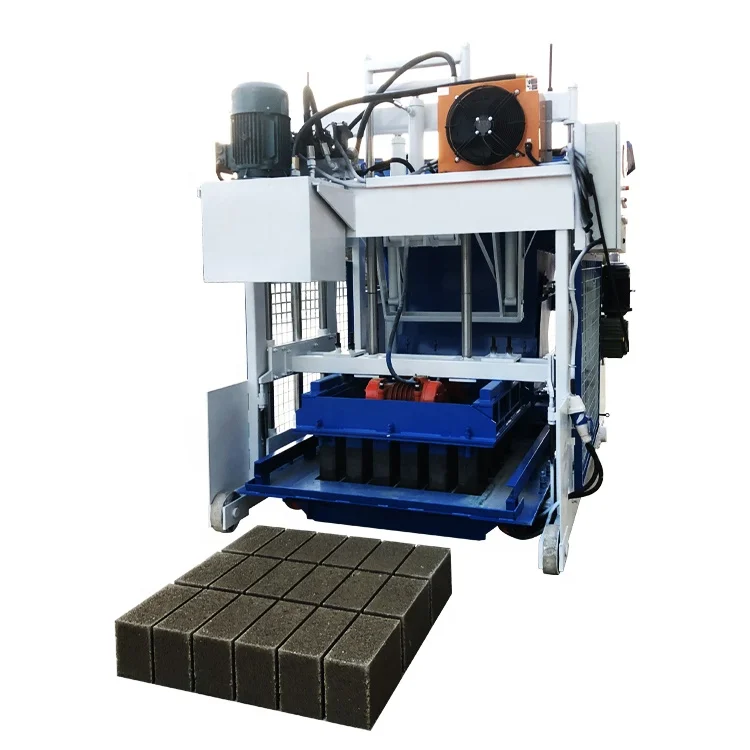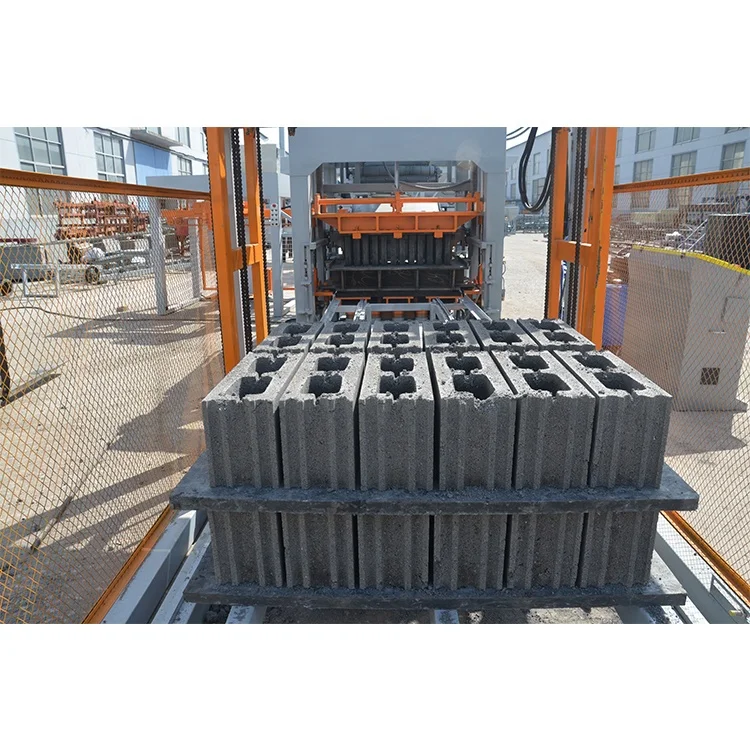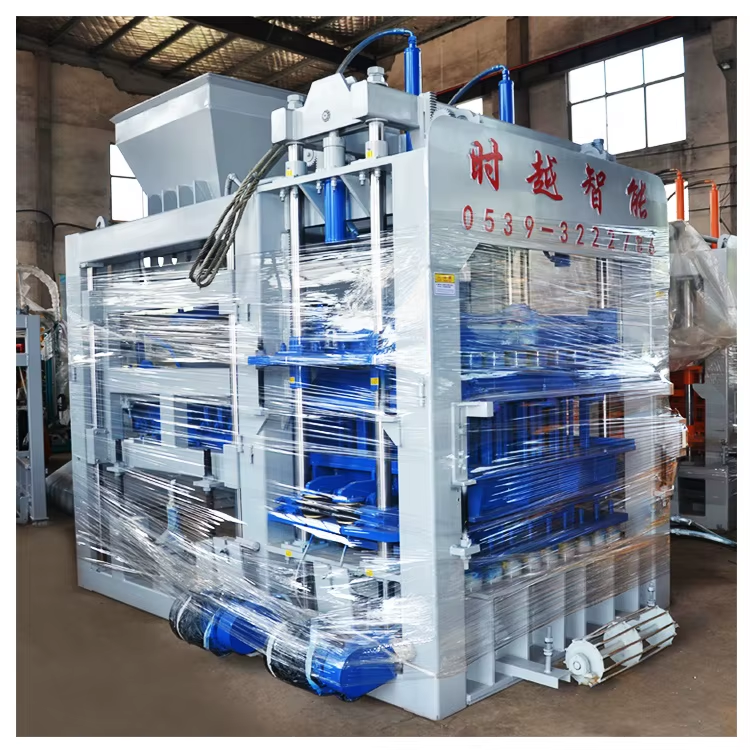
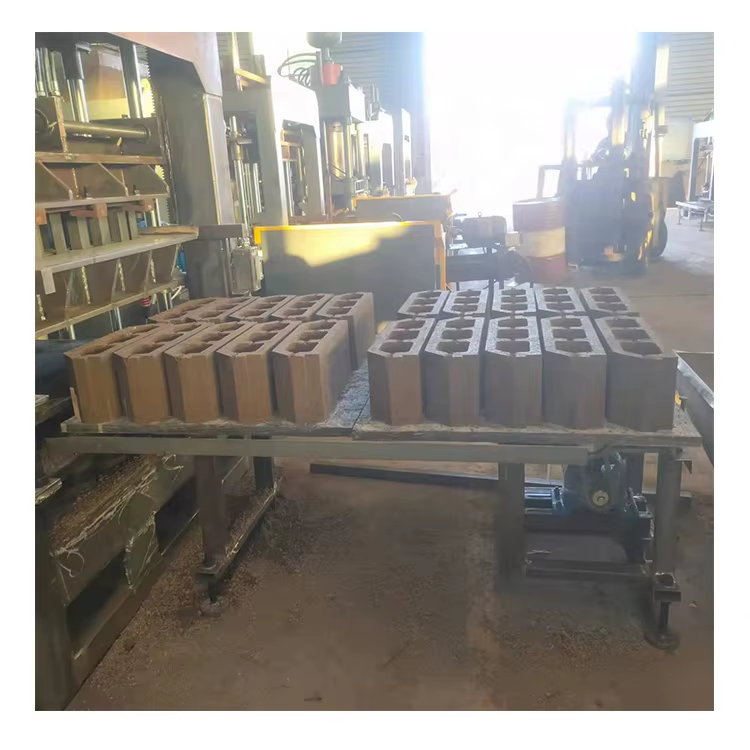
Description
Ready-to-ship matched line — The QT10-15 is held in stock with standard moulds and pallets prepared for immediate container loading, bypassing typical multi-week manufacturing queues.
Technical Specifications
| Parameter | Value |
|---|---|
| Model | QT10-15 |
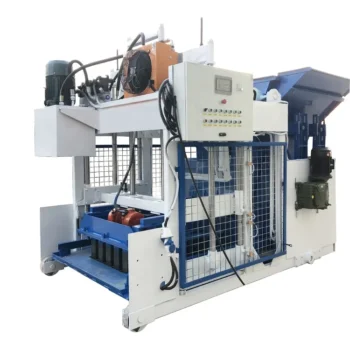
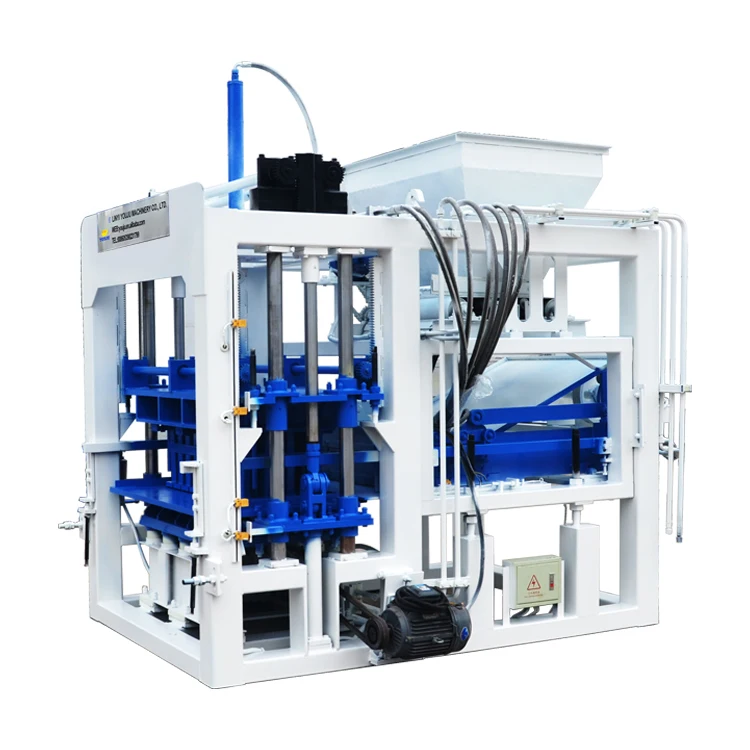
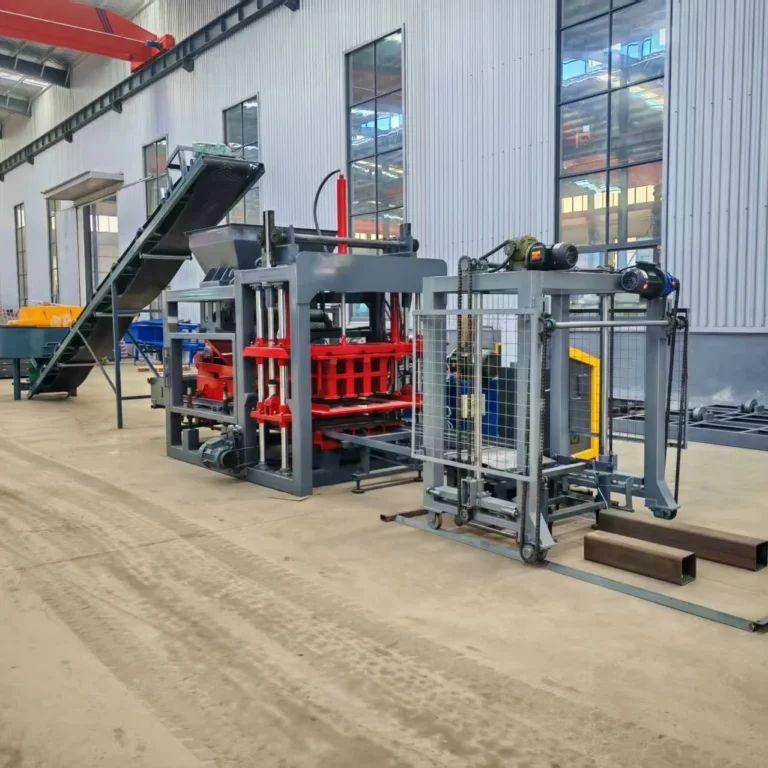
| Product Type | Fully Automatic Concrete Block Making Machine |
| Forming Method | Hydraulic pressure |
| Hydraulic Pressure | 20 MPa |
| Shaping Cycle | 15-20s (basis to be confirmed) |
| Overall Dimensions (L×W×H) | 935023202950mm |
| Net Weight | 10000 kg |
| Power Source | Electric motor |
| Voltage | Local Voltage (configurable before dispatch) |
| Core Components | Motor, Pump |
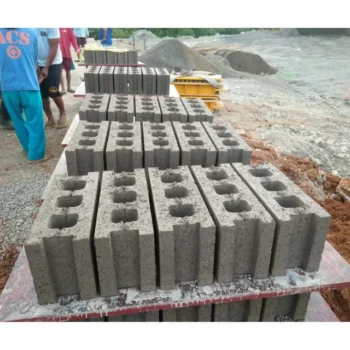
| Brick Size Options | 400100200 mm, 400120200 mm, 400150200 mm, 400200200 mm, 20010060 mm, 20020060 mm, and others |
| Raw Material Compatibility | Cement, crushed stone, sand, dust, coal fly ash, cinder, slag, gravel |
| Concrete Mixer | Optional |
| Worker Requirement | 1-3 people |
Application Suitability
| Application | Material or Output |
|---|---|
| Housing project hollow blocks | Cement, crushed stone, sand |
| Solid foundation blocks | Gravel, slag, cement |
| Paving blocks for site roads | Fly ash, cinder, dust |
| Interlock blocks for landscaping | Sand, crushed stone |
| Curbstones for site perimeters | Coarse aggregate, cement |
Why Dispatch Dimensions Matter More Than Cycle Times
When a project deadline is looming, the exact dispatch lead time for a QT10-15 concrete block making machine in stock dictates your site schedule far more than theoretical shaping speeds. A machine delayed at the port or stuck outside your shed door halts the entire construction timeline.
I once coordinated a shipment to a desert project where the host machine was too tall for the site shed door, leaving the crew waiting weeks for field modifications while the concrete foundation cured in the heat. Now, every loading dimension and container plan is verified against your site constraints before the equipment leaves our floor, ensuring the arrival estimate quoted upfront remains accurate [NEED_CITE: standard container internal dimensions and loading clearances].
Container Loading and Dismantling Strategy
Securing a QT10-15 concrete block making machine in stock means the physical asset is ready, but fast delivery relies entirely on how it is dismantled and loaded. The 935023202950mm main frame requires precise component separation to fit standard shipping containers without compromising structural integrity upon reassembly. We map out the exact placement of the 10000 kg host unit and auxiliary pallets to maximize space and prevent transit damage.
Navigating Port Congestion and Transit Variables
Once the equipment is loaded, the upfront arrival estimate depends on vessel scheduling and destination port efficiency. We provide realistic transit windows rather than optimistic best-case scenarios, accounting for typical multi-week lead times in ocean freight. This transparency allows site managers to align their foundation pouring and shed construction with the actual arrival of the machinery, avoiding idle labor costs [NEED_CITE: typical ocean freight transit variables and port congestion factors].
Interpreting the Physical Footprint and Power Needs
The 20 MPa hydraulic pressure system requires a rigid, level concrete foundation to absorb vibration and maintain block density during the 15-20s shaping cycle. The overall dimensions dictate not just the shed height, but the clearance needed for forklift maneuvering around the pallet feeding and stacking zones. Furthermore, confirming the local voltage and frequency before dispatch prevents costly transformer rentals or motor rewinds upon arrival, ensuring the electric motor and pump start up smoothly on day one.
The Hidden Costs of Rushed Dispatch Planning
Skipping the verification of loading dimensions and site clearances often results in heavy machinery sitting in open storage yards, exposed to harsh weather while waiting for shed modifications. Unconfirmed voltage specifications can delay commissioning by weeks, forcing contractors to rent temporary generators just to run initial tests. These oversights turn a fast-tracked equipment purchase into a prolonged logistical bottleneck [NEED_CITE: common site preparation failures for heavy industrial machinery].
Why Source This Ready-to-Ship Line Here
Our single focus on block machinery means the host press, pallets, and handling equipment are specified as one matched system, eliminating the delays of sourcing components from separate vendors. We verify every loading dimension against your site plans before dispatch, preventing the shed-door clearances issues that stall field installation. Standard moulds for your required brick sizes are kept in stock and shipped alongside the main frame. We provide upfront arrival estimates based on actual vessel schedules, not factory gate departure times. Finally, our dispatch team coordinates container loading plans specifically for the 10000 kg QT10-15, ensuring safe transit and rapid on-site reassembly.
Documentation & Verification
- Factory test record confirming hydraulic pressure and motor function before dispatch
- Detailed container loading plan and machine dismantling diagrams for the 10000 kg host
- Upfront arrival estimate sheet based on your specific destination port
- Voltage and control language confirmation document signed off prior to crating
- Video outgoing-inspection showing the exact stocked unit being prepared for shipment
Installation, Commissioning & Support
- Foundation blueprint detailing load-bearing requirements for the 935023202950mm frame
- Electrical schematic specifying dedicated circuit needs for the electric motor and pump
- Dismantling guide for rapid on-site reassembly of the main hydraulic press
- Initial startup checklist verifying the 20 MPa pressure system and local voltage match
- Operator training focused on the 1-3 person workflow and standard mould change procedures
- Wear parts list identifying critical spares for the motor and hydraulic pump
Finalizing Your Dispatch Requirements
To lock in your dispatch schedule, please provide your destination port for an accurate arrival estimate and confirm your site shed door clearances to finalize the loading plan. We also need your local voltage and frequency specifications to configure the electric motor before crating. Finally, specify which standard brick sizes from our stock list you need included in the initial container load.
Frequently Asked Questions
Q: What is the exact dispatch lead time and current stock status?
A: The unit is currently built and held on our floor, meaning the manufacturing wait is eliminated. Dispatch lead time depends solely on container booking and inland transport to the port, typically taking a few days to arrange once your site clearances and voltage requirements are confirmed.
Q: How is the machine dismantled and loaded into containers?
A: The 10000 kg host frame and hydraulic components are systematically separated to fit standard shipping containers. We provide a detailed dismantling diagram and container loading plan, ensuring the 935023202950mm structure is secured safely for ocean transit and easily reassembled on your site.
Q: Which standard moulds are currently in stock and ready to ship?
A: We hold a wide range of standard moulds in stock, including formats for 400200200 mm hollow blocks and 20010060 mm paving blocks. You can select the specific brick sizes required for your immediate project, and they will be loaded into the same container as the host machine.
Q: What are the upfront arrival estimates for my destination port?
A: Once you provide your destination port, we calculate an upfront arrival estimate based on current vessel schedules and typical ocean freight transit times. This allows you to plan your site foundation and shed construction around a realistic delivery window.
Q: Can the voltage and PLC language be adjusted quickly before dispatch?
A: Yes, because the machine is already built, we can rapidly configure the electric motor and control systems to match your local voltage and frequency. We also set the operational language to your preference before the final video outgoing-inspection and crating.