

Description
Stocked Automatic Line — The QT4-15A is physically assembled in our yard with dispatch lead time quoted in writing before you commit, not after the deposit clears.
Technical Specifications
| Parameter | Value |
|---|---|
| Model | QT4-15A |
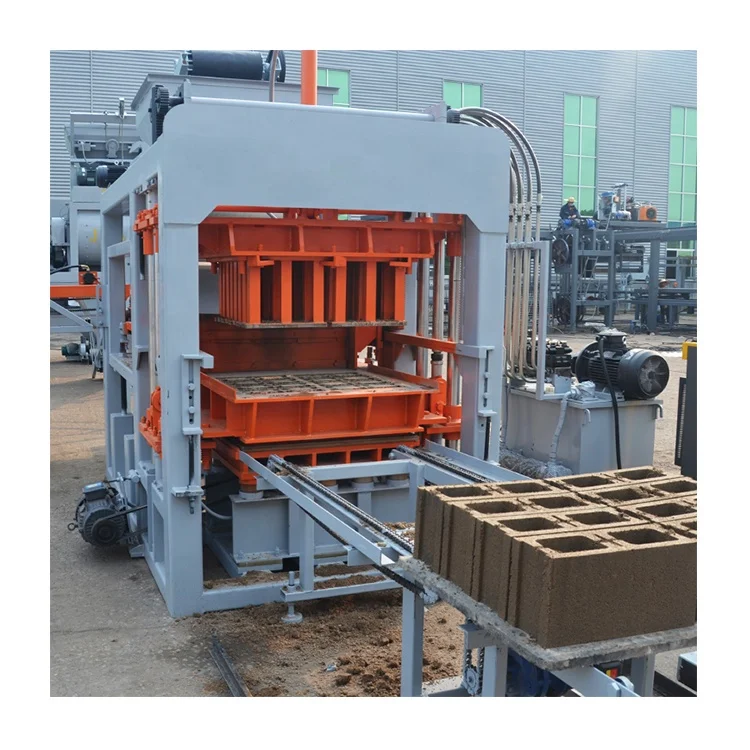
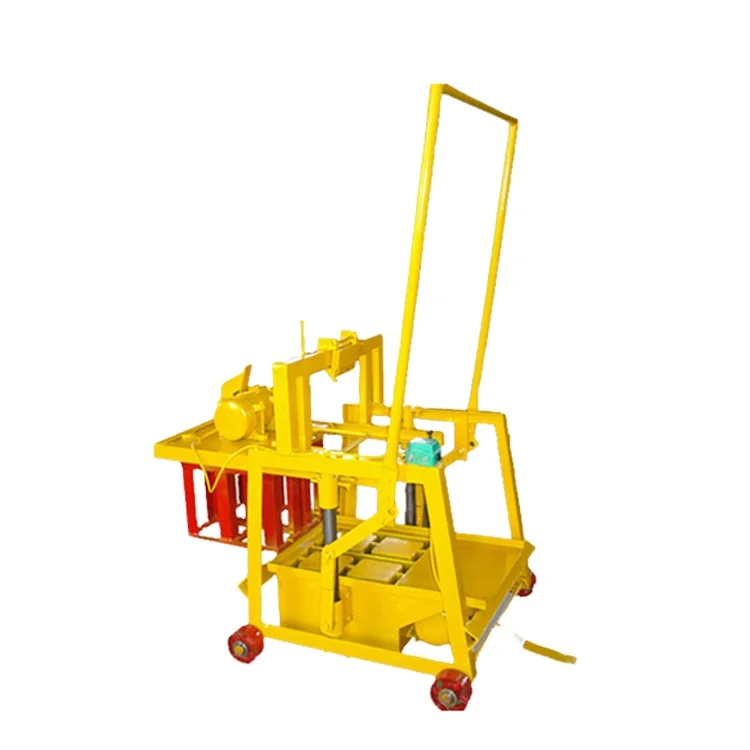
| Product Type | Automatic Concrete Block Making Machine |
| Overall Dimensions (L×W×H) | 7100×1600×2610 mm |
| Molding Cycle | 15–25 s |
| Vibration Frequency | 4600 r/min |
| Exciting Force | 40–50 kN |
| Rated Power | 18.45 kW |
| Mixer Model | JQ350 |
| Pallet Size | 850×550×25 mm |
| Total Weight | 3 T |
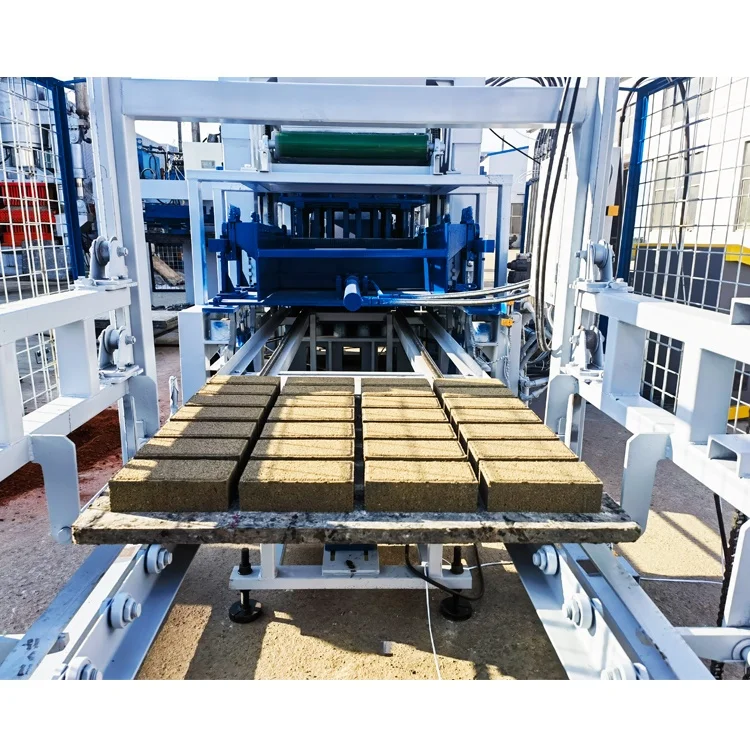
| Automation Level | Automatic with automatic stacker |
| Hydraulic Station | High-pressure, stable operation |
| Vibration System | Bed mould vertical vibration + upper mould compression vibration |
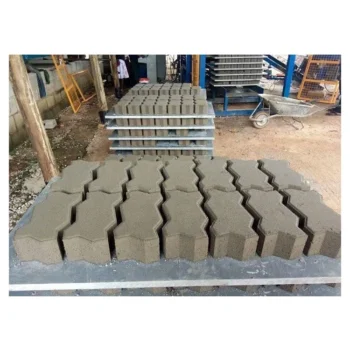
| Applied Products | Paver, solid block, hollow block, curbstone |
| Raw Materials | Crushed stone, sand, cement, dust, fly ash |
| Output Capacity (400×200×200 mm hollow block) | 408 pcs/h, 3264 pcs/8hr |
| Output Capacity (400×150×200 mm hollow block) | 510 pcs/h, 4080 pcs/8hr |
| Output Capacity (240×115×53 mm solid brick) | 2100 pcs/h, 17000 pcs/8hr |
| Certification | CE |
Application Suitability
| Application | Material or Output |
|---|---|
| Hollow block production for residential wall construction | Crushed stone, sand, cement, fly ash at 400×200×200 mm or 400×150×200 mm format |
| Solid brick manufacturing for load-bearing and infill masonry | Sand, cement, dust blended for 240×115×53 mm format |
| Paver and curbstone production for municipal and road projects | Aggregate-cement mixes pressed into interlocking or kerb formats |
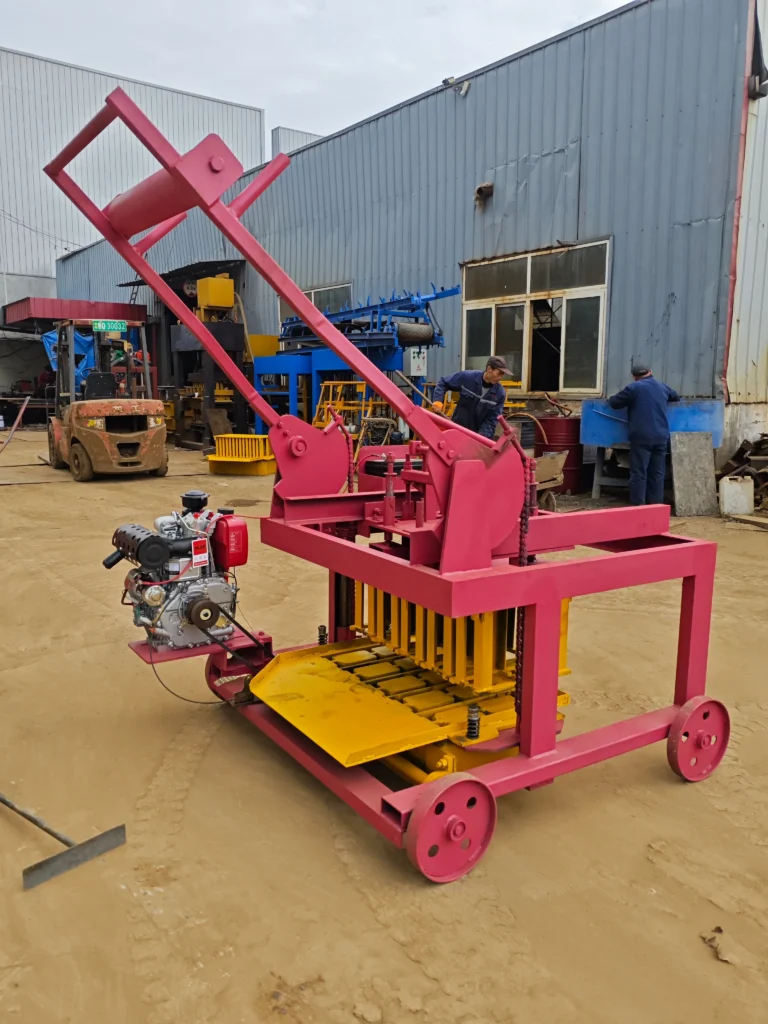
| On-site block production for project contractors | Local raw materials mixed and pressed at the construction location |
Why the Arrival Date Matters More Than the Quoted Cycle Time
A fast QT4-15A block machine in stock means nothing if the vessel booking slips three weeks after your deposit clears.
Project contractors and first-time plant owners usually focus on cycle time and output figures, but the real bottleneck is often the gap between order confirmation and machine arrival on the foundation. I have watched entire housing project timelines derail because a block machine was promised in four weeks and showed up in nine, with the crew already on payroll and the curing racks sitting empty [NEED_CITE: typical port congestion delays for industrial machinery shipments]. When you need a fast delivery concrete block making machine, the conversation should start with which configurations are physically built, which container they fit into, and when the vessel actually sails.
Dispatch Readiness and Container Loading
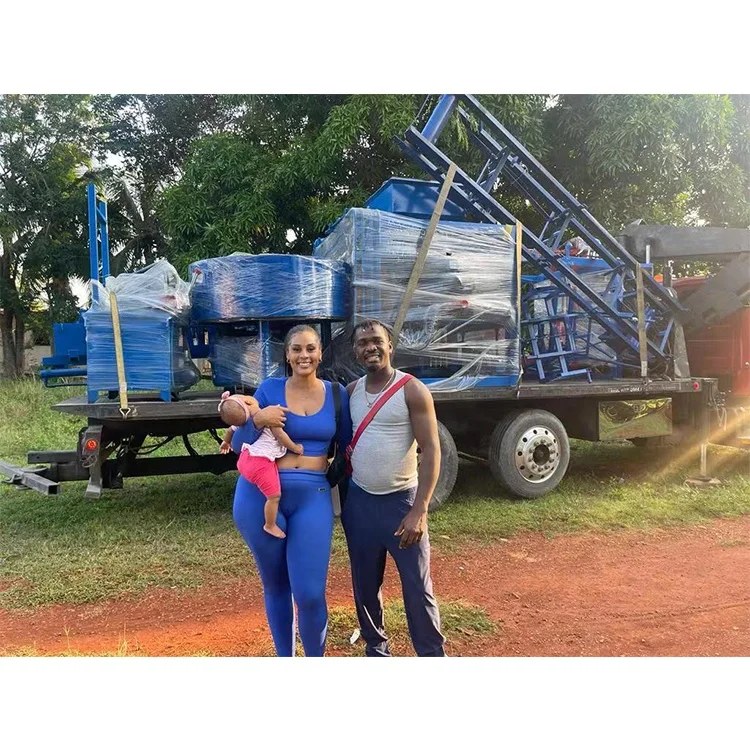
The QT4-15A block machine in stock is dismantled into its core assemblies — main press, hydraulic station, mixer, pallet feeder, and stacker — and loaded into a standard 40-foot high-cube container. The dismantling method is documented so your rigger knows the lift points before the container doors open. Every stocked unit ships with pallet size 850×550×25 mm already matched to the press, so you are not scrambling to source pallets locally after arrival. Container loading photographs are taken before sealing and shared with the buyer.
Arrival Timeline Transparency
We quote the dispatch-to-port transit, estimated sailing window, and destination port arrival before you sign the purchase contract. No verbal estimates that evaporate once the wire transfer lands. The arrival estimate factors in current vessel schedules and typical customs clearance duration at your destination [NEED_CITE: average ocean freight transit times by major trade lane]. This matters especially for entrepreneurs launching a first block plant on a fixed project timeline, where every idle week burns capital.
What the Vibration System Means for Block Density
The QT4-15A uses a dual vibration setup: bed mould vertical vibration at 4600 r/min combined with upper mould compression vibration, generating 40–50 kN exciting force. In practice, the vertical vibration compacts the mix upward from the pallet while the upper compression head pushes down, squeezing air voids from both directions. This produces a denser block wall and a smoother face finish than single-direction vibration alone. The hydraulic station maintains constant pressure throughout the 15–25 second molding cycle, which keeps block dimensions consistent from the first piece of the shift to the last. Pallet size 850×550×25 mm must align with your existing curing rack spacing and forklift tine width — ordering a pallet size that mismatches your curing infrastructure is one of the most common oversights I see at commissioning.
The Cost of Ignoring Pallet and Voltage Compatibility
Arriving at the job site only to discover the pallet size does not match your curing racks means hand-stacking every wet block until new racks are fabricated — a bottleneck that erases any capacity advantage the press itself offers. Similarly, an unconfirmed voltage or frequency means the machine sits under tarp until an electrician rewires the panel, and a PLC screen locked in a language your operator cannot read turns day-one commissioning into a multi-day puzzle [NEED_CITE: electrical standards variance across export markets]. These are not engineering failures; they are specification conversations that never happened before the container was sealed.
Why Buyers Source This Fast Delivery Concrete Block Making Machine Here
Block machinery is our single focus, so the QT4-15A press, mould, pallet, mixer, and stacker are specified as one matched system rather than assembled from separate suppliers. Machine configuration is set against your actual mix design and local aggregate, not pulled from a catalogue default. Mould design covers the formats your market actually sells, including custom drawings when standard formats do not fit. Automation level is selectable so you can start with the automatic stacker now and add batching upgrades later. Installation and commissioning support includes operator training on your site, with the control language locked in before the machine leaves the factory — a lesson I learned the hard way after a PLC screen defaulted to Chinese on a shipment to Mauritania and stalled commissioning on day one.
Documentation & Verification
- Line layout with capacity calculation stated per block format for the QT4-15A
- Machine specification sheet covering hydraulic, electrical, and vibration parameters
- Mould drawing and format list for every block type in your order
- Pallet specification matched to your curing area and forklift
- Voltage and control language confirmation signed before production
- Factory test record and packing photographs taken before container sealing
Installation, Commissioning & Support
- Foundation plan based on the 7100×1600×2610 mm footprint and 3 T operating weight
- Electrical panel wired to your confirmed voltage and frequency before dispatch
- Machine dismantled into container-load assemblies with lift-point diagram provided
- Commissioning includes first-run parameter tuning on your local raw material mix
- Operator training covers mould change procedure and daily maintenance checklist
- Wear parts and mould list supplied so first replacements can be ordered proactively
What to Share When Requesting a Quote
Send your target block formats with dimensions, the daily output you need per format, and the raw materials available locally — including aggregate type and cement grade. Confirm your site voltage, frequency, and the language your operators need on the PLC screen. Let us know your curing area dimensions and forklift specification so pallet compatibility is resolved before the machine ships. If you are working to a project deadline, tell us the latest acceptable arrival date so we can confirm whether a stocked QT4-15A configuration fits your timeline.
Frequently Asked Questions
Q: Which QT4-15A configurations and moulds are currently in stock?
A: Stocked units include the standard QT4-15A press with automatic stacker and a selection of commonly ordered hollow block and solid brick moulds. Custom mould formats and specific automation add-ons are made-to-order with a separate lead time. We confirm physical availability against your format list before quoting.
Q: How is the machine dismantled for shipping, and what container is required?
A: The QT4-15A is broken down into main press, hydraulic station, mixer, pallet feeder, and stacker assemblies, all loaded into one 40-foot high-cube container. A lift-point diagram is provided so your rigger can unload efficiently on arrival.
Q: What is the realistic dispatch-to-arrival timeline for my port?
A: Dispatch from stock typically means the machine reaches the port of loading within days, with ocean transit depending on your destination. We provide a written arrival estimate factoring in current vessel schedules before you confirm the order.
Q: Can additional moulds and pallets be included in the same container?
A: Yes. Extra moulds for different block formats and spare pallets in the 850×550×25 mm size can be loaded into the same container if space permits. We confirm container loading capacity when finalizing your order.
Q: Is voltage and PLC language configurable from stock?
A: Stocked QT4-15A units cover common voltage and frequency configurations. PLC display language is confirmed and set before dispatch. If your required voltage falls outside stocked configurations, a short customization lead time applies.