Description
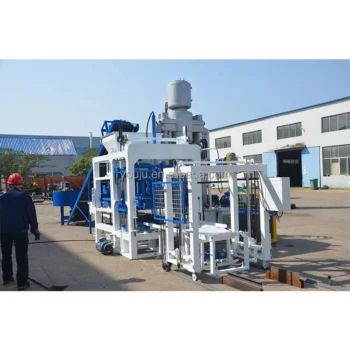
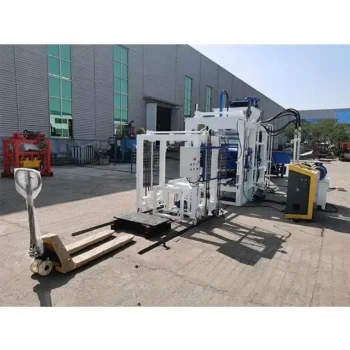
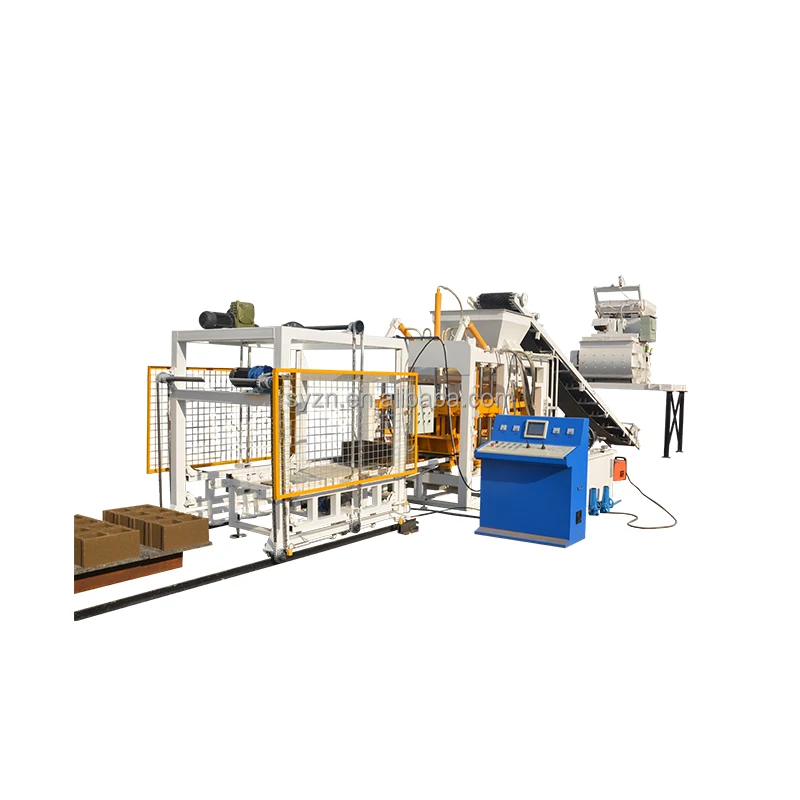
Stocked Dispatch — the QT4-15 automatic block machine ships within a confirmed lead time, with dismantling and container loading planned before you pay the balance.
Technical Specifications
| Parameter | Value |
|---|---|
| Model | QT4-15 |
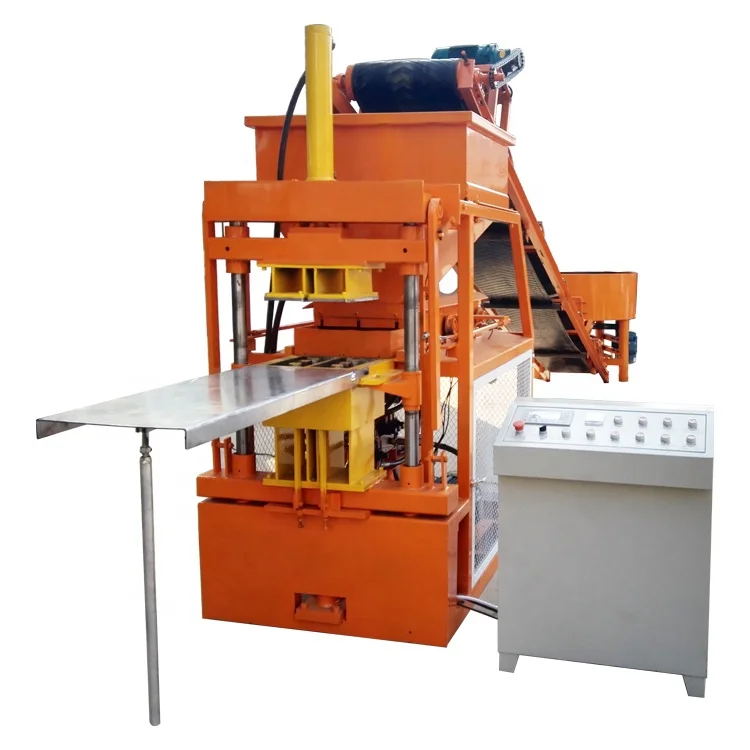
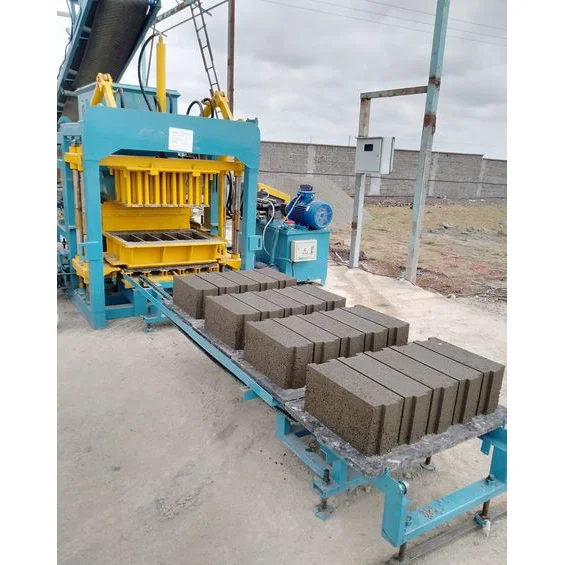
| Product Type | Automatic Hydraulic Block Making Machine |
| Control System | PLC, fully automatic |
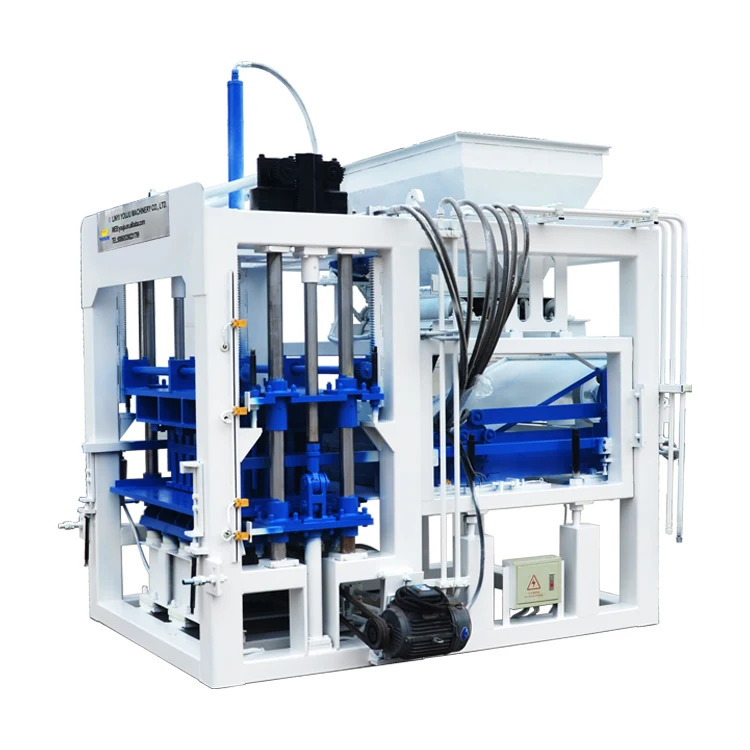
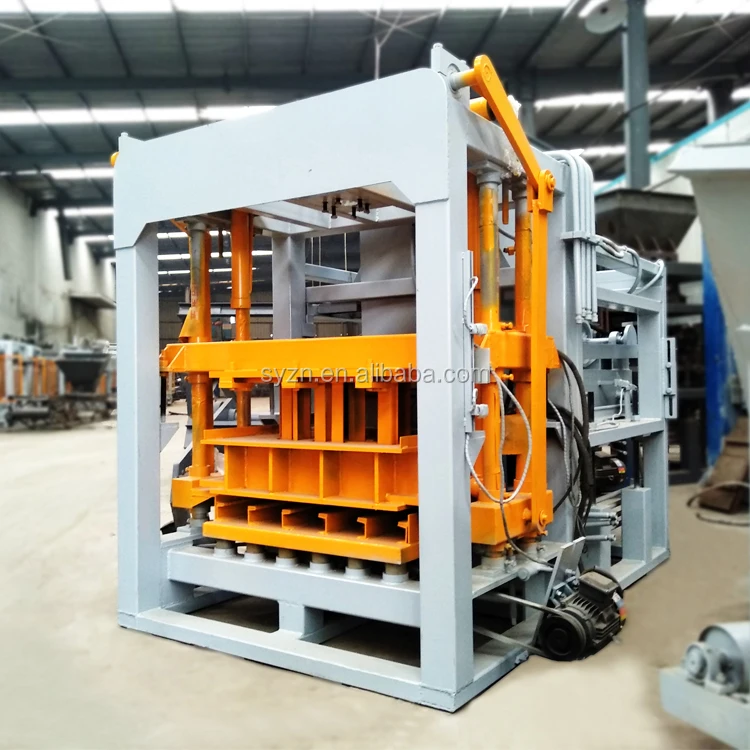
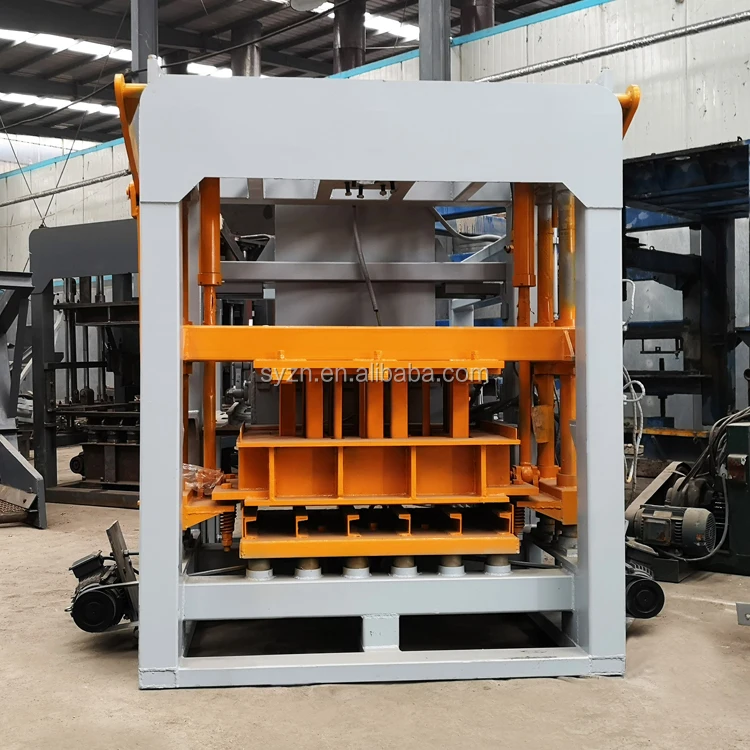
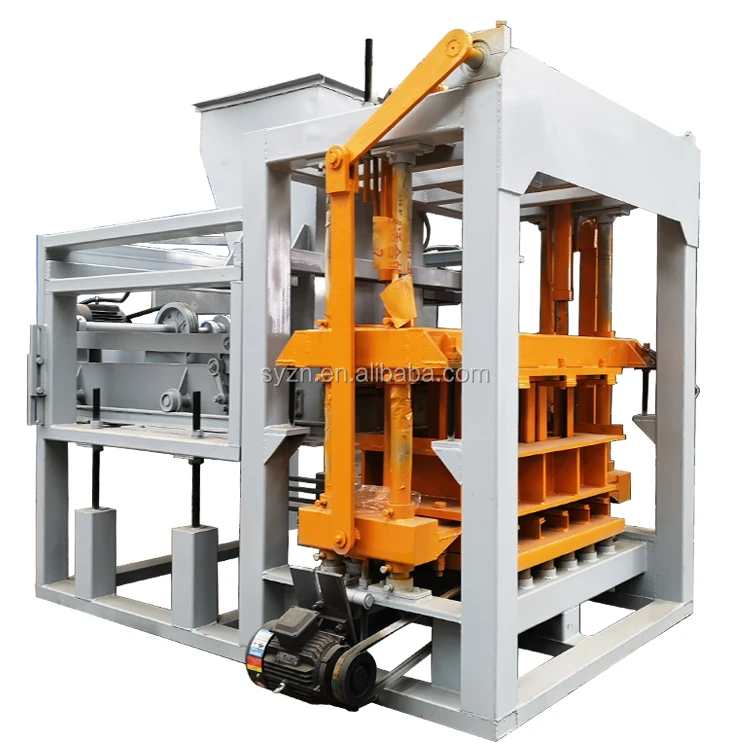
| Vibration Mode | Multiaxis synchronizer vibration (vertically downward) |
| Hydraulic System | High thermal efficiency, low heat productivity |
| Mixer System | Multiaxis forced mixer |
| Guide Bearing | Long-period over-length guide bearing for upper mould and mould box alignment |
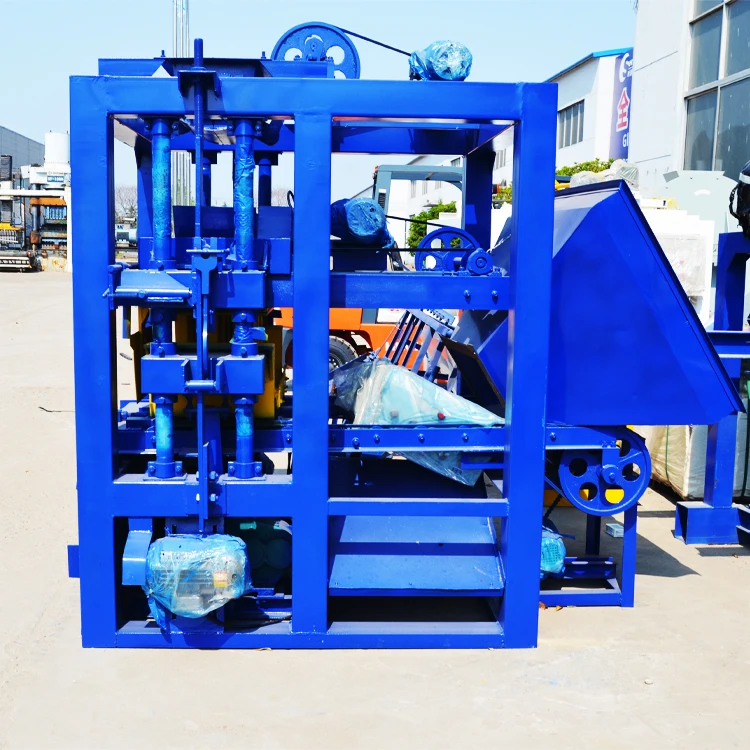
| Rack Construction | High strength steel with special welding technique |
| Moulding Cycle | 15–20 s |
| Output Capacity (400×200×200 mm hollow block, 4 pcs/mould) | 900–1,200 pcs/hour, 7,200–9,600 pcs/8 hr shift |
| Output Capacity (400×150×200 mm block, 5 pcs/mould) | 1,080–1,440 pcs/hour, 8,640–11,520 pcs/8 hr shift |
| Output Capacity (400×100×200 mm block, 8 pcs/mould) | 1,440–1,920 pcs/hour, 11,520–15,360 pcs/8 hr shift |
| Output Capacity (200×100×60 mm paver, 16 pcs/mould) | 2,880–3,840 pcs/hour, 23,040–30,720 pcs/8 hr shift |
| Output Capacity (240×115×53 mm standard brick, 28 pcs/mould) | 5,930–6,720 pcs/hour, 47,400–53,700 pcs/8 hr shift |
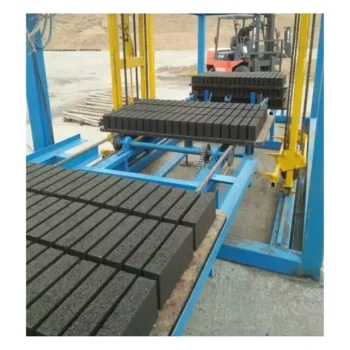
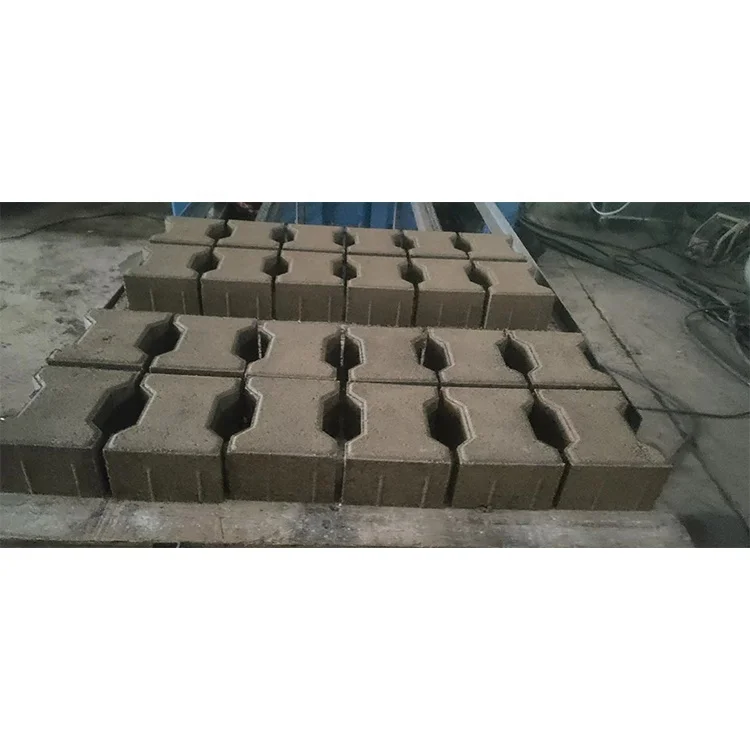
| Block Formats | Hollow block, multicellular brick, paving brick, standard brick |
| Automation Level | Fully automatic |
| Warranty | 1 year (excluding spare parts) |
| Assembly State | (basis to be confirmed) |
| Voltage & Frequency | (basis to be confirmed per target market) |
| Rated Power | (basis to be confirmed) |
| Overall Dimensions | (basis to be confirmed) |
| Pallet Size | (basis to be confirmed) |
| Hydraulic Pressure | (basis to be confirmed) |
| Vibration Force | (basis to be confirmed) |
| CE Declaration | Available where applicable |
Application Suitability
| Application | Material or Output |
|---|---|
| Hollow block production | Crushed stone, cement, sand, water |
| Multicellular brick production | Fly ash blended with sand and cement |
| Paving brick production | Fine aggregate, cement, pigment for coloured pavers |
| Standard solid brick production | Local aggregate, cement, quarry dust |
| On-site contractor production | Materials sourced near project location |
| First plant start-up | Standard mix designs for common block formats |
Why "Pieces per Hour" Means Nothing Without the Block Format
Capacity is only meaningful when tied to a specific block dimension and mould cavity count.
Quotations that list a single output number leave buyers exposed when real production falls short. A machine running 400×200×200 mm hollow blocks at four cavities per mould produces at a very different rate than the same press running 240×115×53 mm solid bricks at twenty-eight cavities. I have watched contractors plan an entire building schedule around a headline number, only to discover on site that the daily yield for their actual product was less than half of what they expected. That kind of mismatch stalls masonry crews and delays handover dates [NEED_CITE: block production planning based on format-specific capacity]. The QT4-15 automatic block machine in stock here is quoted with a separate output figure for each format so the buyer can size the line against the product they actually sell.
Dispatch Timeline and Container Loading
The value of a stocked unit lies in a compressed order-to-arrival window. Once the voltage and PLC language are confirmed, the machine is dismantled to fit standard containers, and a loading plan is issued showing which components go into which crate. This lets the buyer arrange port clearance and crane hire before the vessel docks. For project contractors working against a rainy season or a handover deadline, knowing the dispatch date and estimated arrival removes a major scheduling variable.
What Happens Between Factory Gate and Your Foundation
Shipping a fully automatic block press involves partial dismantling: the hydraulic power pack, PLC cabinet, and mixer are separated from the main frame. Each section is photographed during packing. Container loading plans detail the number of containers required and the internal arrangement, which matters when the forklift at the destination port needs to extract items in a specific sequence. Arrival estimates are calculated against current sailing schedules and typical port dwell times rather than optimistic best-case figures [NEED_CITE: international shipping and port clearance timelines].
Reading the Specs That Matter On Site
Vibration and hydraulic pressure work together to compact the mix into the mould. The multiaxis synchronizer vibration directs force vertically downward, which consolidates aggregate particles and expels trapped air. If the hydraulic pressure is too low for the mix stiffness, blocks emerge with weak edges; if vibration force is excessive for a fine aggregate, the surface layer segregates and spalls after curing. The long-period over-length guide bearing keeps the upper mould aligned with the mould box across thousands of cycles, preventing uneven wall thickness in hollow blocks. The high strength steel rack, welded with shock-resistant technique, absorbs the repeated impact without developing fatigue cracks that would throw the press out of level.
The Cost of Skipping the Voltage Conversation
A buyer who leaves voltage and frequency as an afterthought may receive a 380 V / 50 Hz machine in a market that runs on 440 V / 60 Hz. The motor overheats within the first week, the PLC display shows error codes in a language the operators cannot read, and commissioning stalls while a replacement transformer is air-freighted at ten times the cost of specifying the correct supply up front. Confirming these details before production starts is a single email that prevents weeks of delay [NEED_CITE: voltage and frequency standards by export market].
Why Source This Machine Through This Channel
Block machinery is the sole focus here, so the QT4-15 is specified as a matched system — press, mould, pallet, and handling — rather than assembled from separate suppliers. Stocked units mean the dispatch lead time is measured in days, not months. Machine configuration is adjusted against the buyer’s local aggregate and target block format, not shipped as a catalogue default. Pallet size is checked against the curing area and forklift the buyer already owns. Factory test records and packing photographs are provided before shipment so there are no surprises at the container door.
Documentation & Verification
- Factory test record run on your target block format before dispatch
- Container loading plan with dismantling sequence and crate list
- Machine specification sheet with format-specific capacity calculations
- PLC language and voltage confirmation signed before production
- CE declaration supplied where applicable for your import market
- Operation and maintenance manual with wear parts list
Installation, Commissioning & Support
- Foundation drawing provided so concrete pad is poured before the QT4-15 arrives
- Electrical panel matched to confirmed voltage and frequency at your site
- Machine arrives partially dismantled; reassembly sequence documented in the manual
- Hydraulic pressure and vibration force calibrated to your mix during commissioning
- Operator training covers PLC interface, mould change procedure, and daily checks
- Wear parts list identifies items likely to need first replacement so spares ship together
What to Include in Your Inquiry
Send the block format you sell most, the daily output target, and a sample description of your local aggregate. Confirm the voltage and frequency at your site, the preferred PLC display language, and whether you need pallets and handling equipment included. This lets the quotation match the actual production line you will run.
Frequently Asked Questions
Q: Is the QT4-15 automatic block machine currently in stock, and how fast can it ship?
A: Stocked units are held in the factory yard ready for dismantling and container loading. Once voltage and control language are confirmed, dispatch typically follows within a short lead time. An estimated arrival date based on current sailing schedules is provided with the quotation so your project timeline stays intact.
Q: How is the machine loaded into containers, and is reassembly complex on site?
A: The press, hydraulic pack, PLC cabinet, and mixer are separated for container loading. A detailed loading plan shows the sequence for extraction at the destination. Reassembly follows a documented procedure, and commissioning support is available to set hydraulic and vibration parameters to your local mix.
Q: What arrival estimate can I expect from dispatch to port delivery?
A: Arrival estimates are calculated from current vessel schedules and typical port clearance times for your destination. The estimate is stated in the quotation, not after payment. Sailing duration and port dwell are both factored in so you can plan foundation work and crew mobilisation accordingly.
Q: Can voltage and PLC display language be confirmed before the machine ships?
A: Yes. Voltage, frequency, and PLC language are confirmed in writing before the QT4-15 enters final assembly. This prevents motor overheating and ensures operators can read alarms and settings on the first day of production, avoiding costly transformer orders and delayed commissioning.
Q: Which customs documents come with the shipment?
A: The shipping package includes a commercial invoice, packing list, bill of lading, and factory test record. A CE declaration is provided where applicable. All documents are prepared to support import clearance at your destination port and are reviewed with you before the vessel sails.