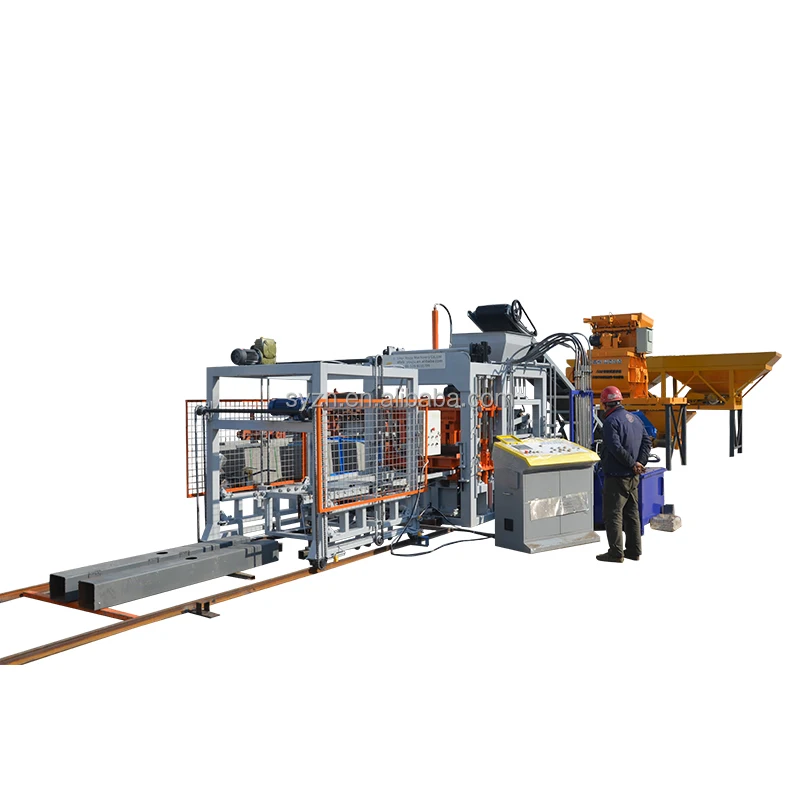
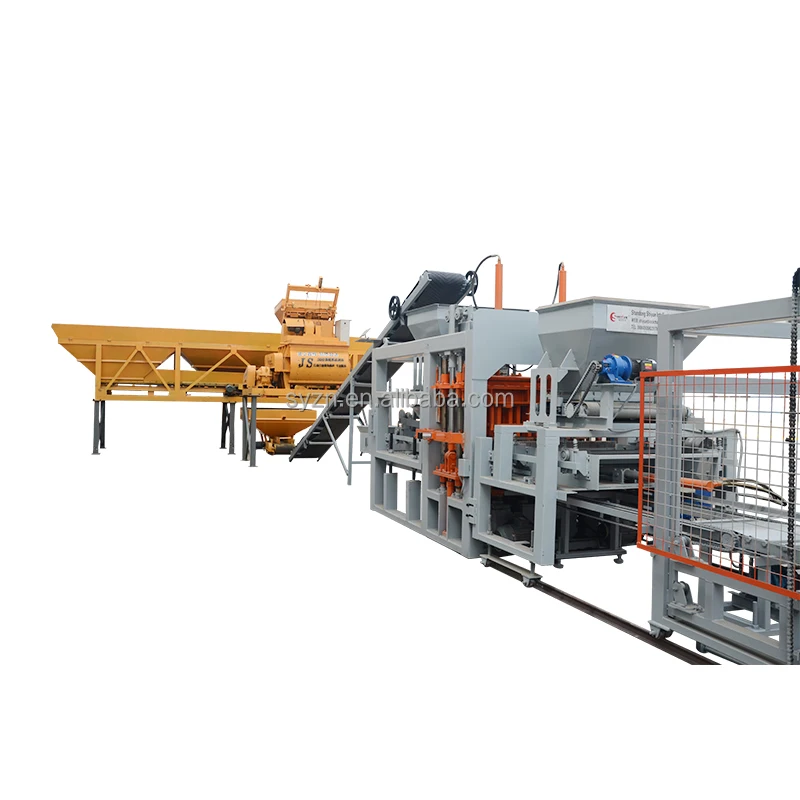
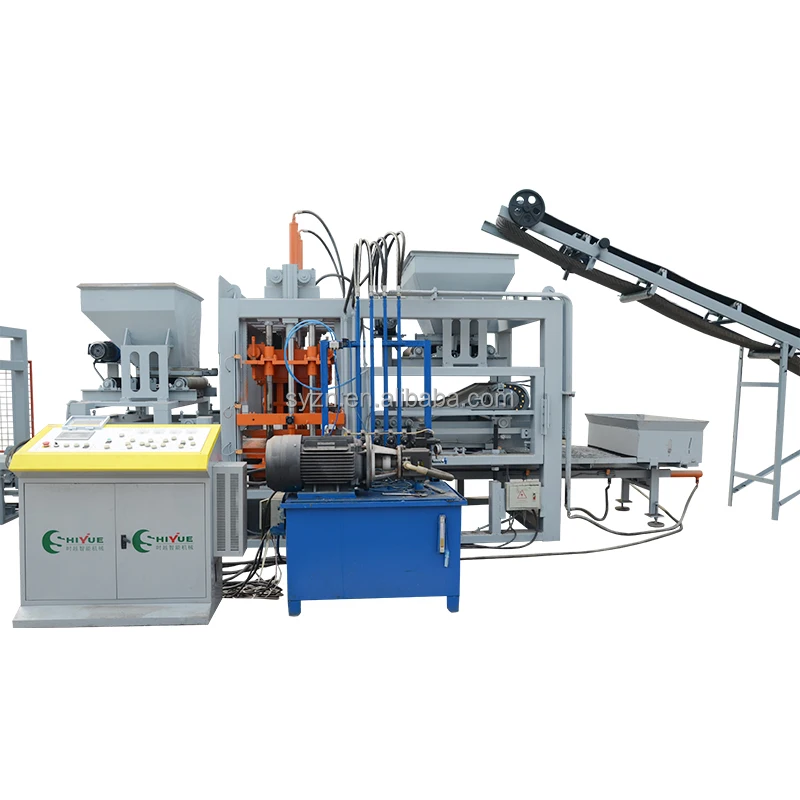
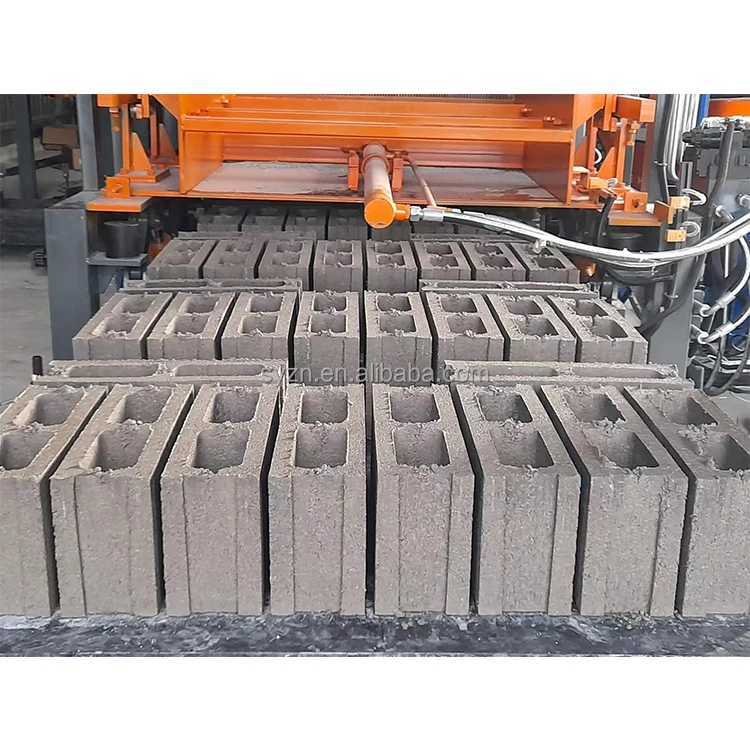
Description
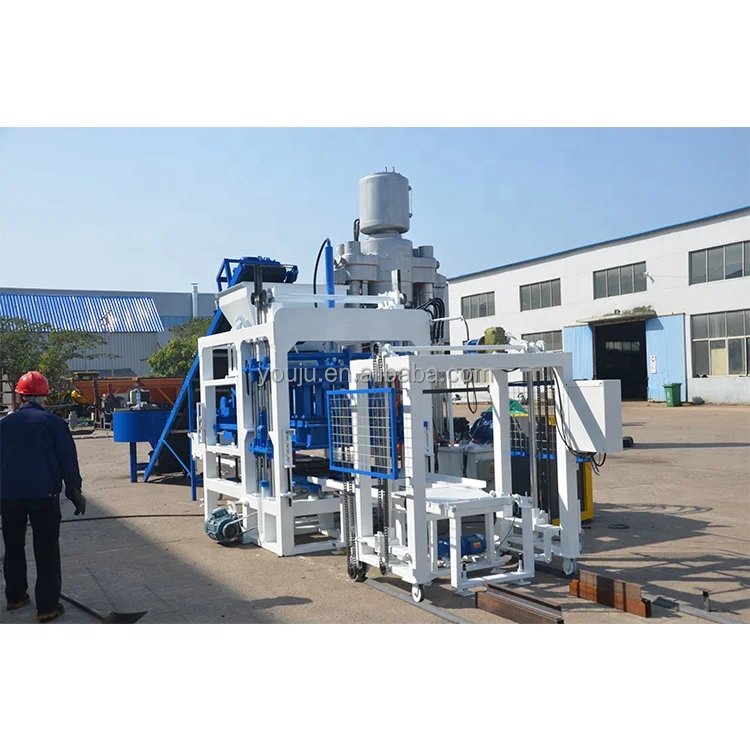
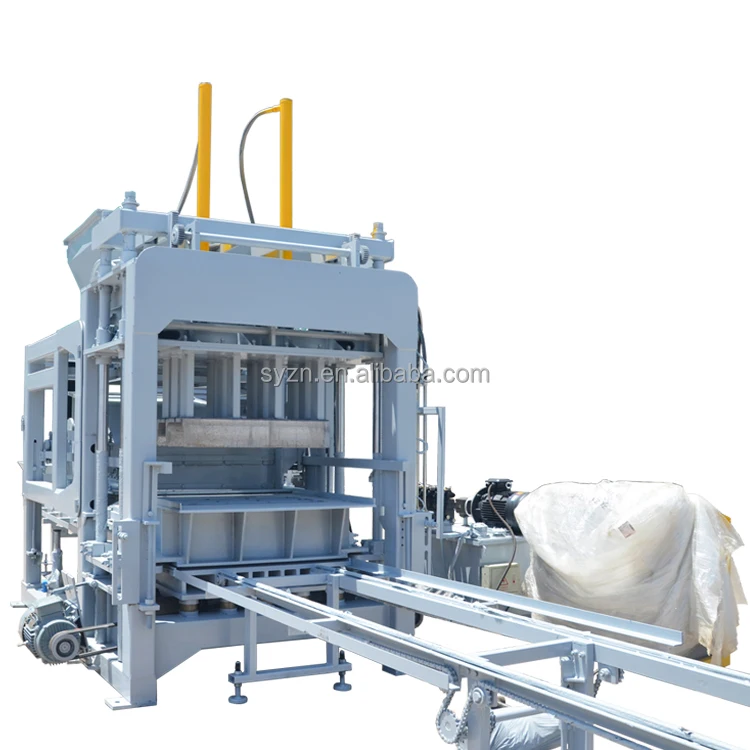
Fast Dispatch Configuration — QT7-15 block machine built as a standard specification package, avoiding the multi-week custom build queue that delays project starts.
Technical Specifications
| Parameter | Value |
|---|---|
| Model | QT7-15 |
| Product Type | Stationary Concrete Block Making Machine |
| Pallet Size | 1150 × 700 mm |
| Molding Cycle | 15–20 s |
| Overall Power | 45 kW |
| Vibration Force | 100 kN |
| Vibration Frequency | 0–60 Hz |
| Vibration Form | Platform Vibration |
| Demolding Method | Hydraulic |
| Control System | PLC with touch screen interface |
| Total Mass | 8 T |
| Output Capacity (400×200×200 mm Hollow Block) | 1260–1680 pcs/h, 10080–13440 pcs/8 hr |
| Output Capacity (400×150×200 mm Hollow Block) | 1440–1920 pcs/h, 11520–15360 pcs/8 hr |
| Output Capacity (200×100×60 mm Rectangular Paver) | 3888–4860 pcs/h at 20–25 s cycle, 31104–38880 pcs/8 hr |
| Automation Level | Automatic (PLC-controlled with remote fault diagnostics) |
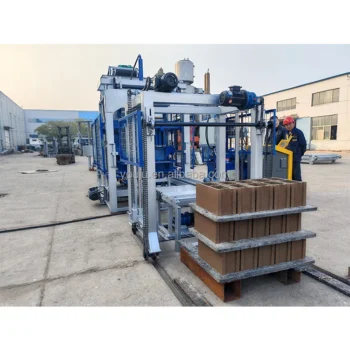
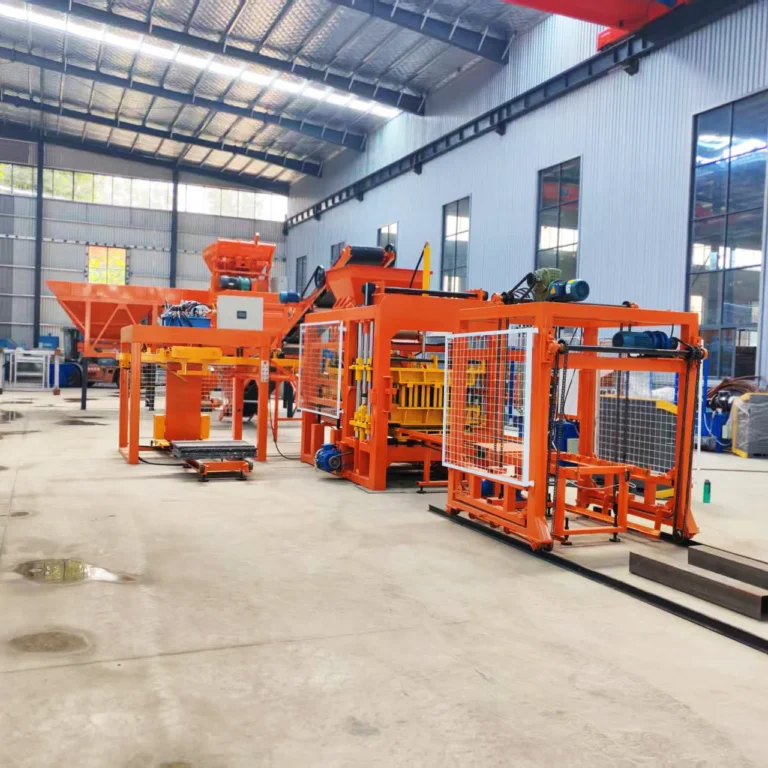
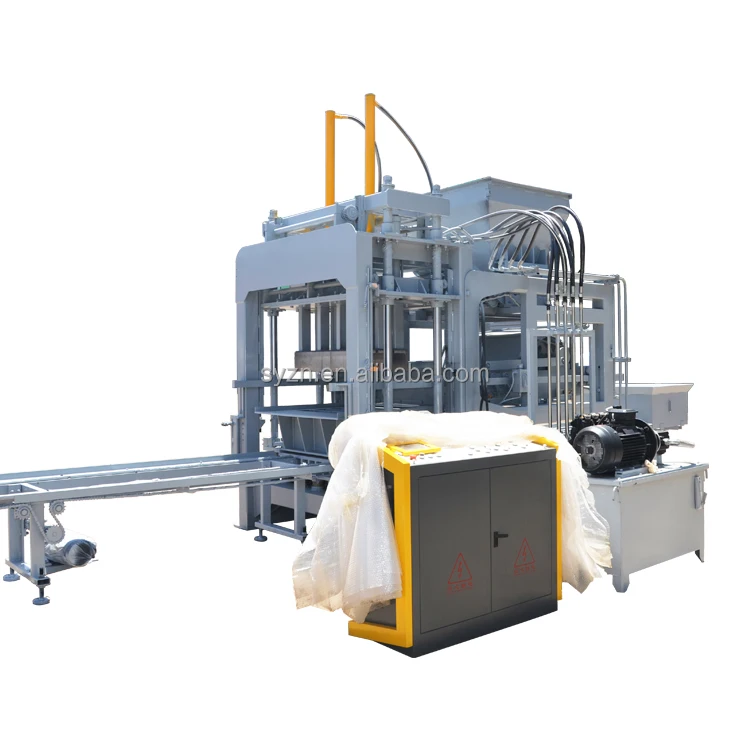
| Standard Components | Pallet feed machine, block making machine, storage hopper, conveyor, hydraulic unit, PLC control cabinet |
| Voltage & Frequency | Configurable (basis to be confirmed before dispatch) |
| Hydraulic Pressure | (basis to be confirmed) |
| Overall Dimensions | (basis to be confirmed) |
| Certification | CE declaration (where applicable) |
Application Suitability
| Application | Material or Output |
|---|---|
| Hollow Block Production | Crushed stone, sand, cement, and fly ash mixes for 400×200×200 mm and 400×150×200 mm formats |
| Interlocking Brick Production | Aggregate and cement blends for structural and non-structural wall formats |
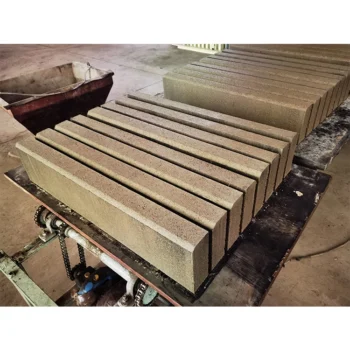
| Rectangular Paving Brick | Fine aggregate and cement mixes for 200×100×60 mm driveway and walkway pavers |
| Solid Block Production | Dense aggregate blends for load-bearing and partition block formats |
| On-Site Construction Supply | Local material sourcing for contractors producing directly at housing or commercial project sites |
What "In Stock" Really Means for the QT7-15 Block Machine in Stock
A stocked QT7-15 block machine in stock ships within days, not weeks, but only if the electrical and control configuration is locked before dispatch.
The term "in stock" gets thrown around loosely in our industry. Buyers assume it means the machine can be loaded onto a container tomorrow, yet they arrive at the port weeks later because voltage, PLC language, or mould format were never confirmed. I learned this the hard way when a QT7-15 unit sat on a job site for three weeks because the 415V supply could not match the local grid. Since then, every order I handle goes through a full electrical confirmation checklist before the machine leaves the factory floor. The QT7-15 block machine in stock we offer is built to a proven standard specification, but the final electrical sign-off is non-negotiable [NEED_CITE: voltage and frequency standards by export market].
Dispatch Lead Time and What It Depends On
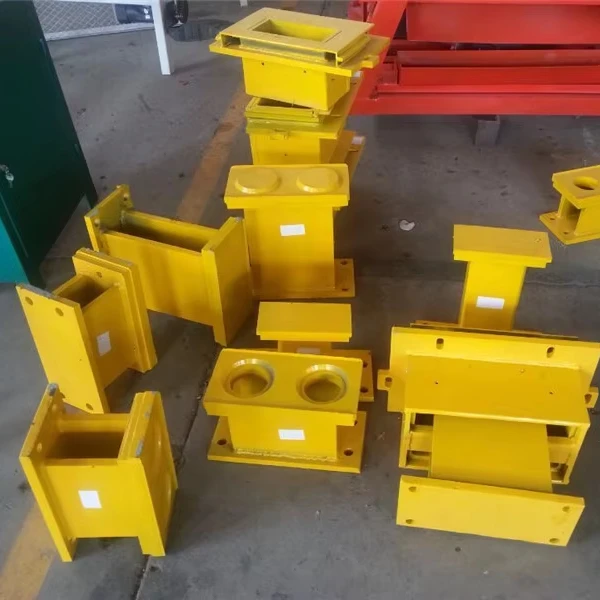
When we say the QT7-15 block machine in stock is ready for fast delivery, the machine body, hydraulic unit, PLC cabinet, and pallet feeder are assembled and tested. Standard moulds for hollow block and rectangular paver formats are also kept on the shelf. The lead time variable is almost always the electrical package — matching the destination country’s voltage and frequency, loading the correct language file onto the touch screen, and running a final powered test. Once those are confirmed in writing, the typical dispatch window is measured in days rather than the multi-week build slots required for custom configurations.
Container Loading and Shipment Readiness
The QT7-15 is dismantled into major sub-assemblies for container loading: the main frame, hydraulic station, PLC cabinet, conveyor, and pallet feeder each ship as separate units. This approach fits the complete line into standard containers without requiring oversized freight. Before the container doors close, packing photographs are taken and shared with the buyer. The stationary block machine fast delivery promise holds only when the loading plan is agreed upon at the quotation stage, so there are no surprises about what arrives and in what condition [NEED_CITE: container loading practices for heavy machinery exports].
Reading the Specs Against Your Project Deadline
Three specifications on this machine matter most when time is the constraint. The 1150×700 mm pallet size determines which block formats can run and how they align with your curing racks and forklifts — ordering the wrong pallet size means rebuilding your curing area. The 100 kN vibration force combined with platform vibration at 0–60 Hz adjustable frequency gives consistent block density across different local aggregate mixes, so you avoid strength failures that shut down a site. The PLC control with remote fault diagnostics means that if something trips during commissioning, our engineers can read the fault log from Shandong rather than waiting for a flight.
The Hidden Cost of Skipping Configuration Confirmation
Buyers rushing to meet a project start date often push to ship the machine before every detail is signed off. The consequence is rarely a small one. A control panel display in the wrong language slows operator training by days. An unconfirmed hydraulic pressure setting produces blocks that crack during curing, and the blame lands on the machine rather than the setup. A mould that does not match the buyer’s local market format sits unused while a replacement is ordered and shipped separately. Each of these delays costs more than the extra week spent confirming details upfront [NEED_CITE: common commissioning delays in exported concrete block machinery].
Why Source This Machine Through Our Dispatch Process
Our single focus is block machinery — the press, moulds, pallets, and handling equipment are specified as one matched system. The QT7-15 ships with the pallet feeder, conveyor, hydraulic unit, and PLC cabinet from the same production run, not assembled from separate suppliers who may not share tolerance standards. We confirm voltage, frequency, and PLC display language in writing before production closes. Standard moulds for the block formats your market sells are stocked alongside the machine, so they load into the same container. Factory testing runs on the buyer’s confirmed electrical parameters, and test records travel with the shipment. Customs documentation and packing photographs are prepared as part of the dispatch process, not as an afterthought.
Documentation & Verification
- Factory test record on confirmed voltage and frequency before dispatch
- Machine specification sheet with pallet size and vibration force ratings
- Mould drawing and format list for every mould included in the shipment
- Voltage and control language confirmation sheet signed before production close
- Packing photographs showing dismantling and container loading state
Installation, Commissioning & Support
- Foundation plan matched to the QT7-15’s 8 T total mass and 45 kW power draw
- Electrical connection verified against confirmed voltage and frequency before energizing
- Reassembly of hydraulic unit, PLC cabinet, and pallet feeder by trained crew
- First production run supervised to confirm molding cycle and block density
- PLC touch screen language and remote fault diagnostics tested on site
- Wear parts list with mould and hydraulic seal reorder references provided
What to Send with Your Inquiry
If you are working to a project deadline, include your target block format and daily output requirement so we can confirm which stocked moulds ship with the machine. State your site voltage and frequency so the electrical package is built correctly the first time. Tell us your destination port for an arrival estimate and container loading plan.
Frequently Asked Questions
Q: What QT-series models are currently in stock and what is the dispatch lead time?
A: The QT7-15 is maintained as a stocked model with standard moulds on the shelf. Dispatch lead time depends on electrical confirmation — once voltage, frequency, and PLC language are signed off, the machine is prepared for container loading within days rather than weeks. Exact availability is confirmed at the time of inquiry.
Q: How is the machine dismantled and loaded into a container for shipment?
A: The QT7-15 is separated into its main frame, hydraulic station, PLC cabinet, conveyor, and pallet feeder for loading. Each sub-assembly is secured for ocean freight. Packing photographs are taken before the container doors close and shared with the buyer for reference.
Q: What is the estimated arrival time at my destination port after dispatch?
A: Arrival time depends on the destination port and shipping route. We provide an estimated transit time at quotation stage based on the confirmed destination. The dispatch date is fixed once the electrical confirmation and container loading plan are agreed in writing.
Q: Can I add standard moulds from stock to the same shipment?
A: Yes, standard moulds for hollow block, interlocking brick, and rectangular paver formats are stocked alongside the machine. Adding moulds to the same container is confirmed at the quotation stage so they are loaded together and arrive on site at the same time.
Q: What customs documentation and packing support do you provide?
A: We prepare the full export documentation package including commercial invoice, packing list, and certificate of origin where required. The CE declaration is included where applicable. Packing photographs and container loading records support the import clearance process at your destination port.