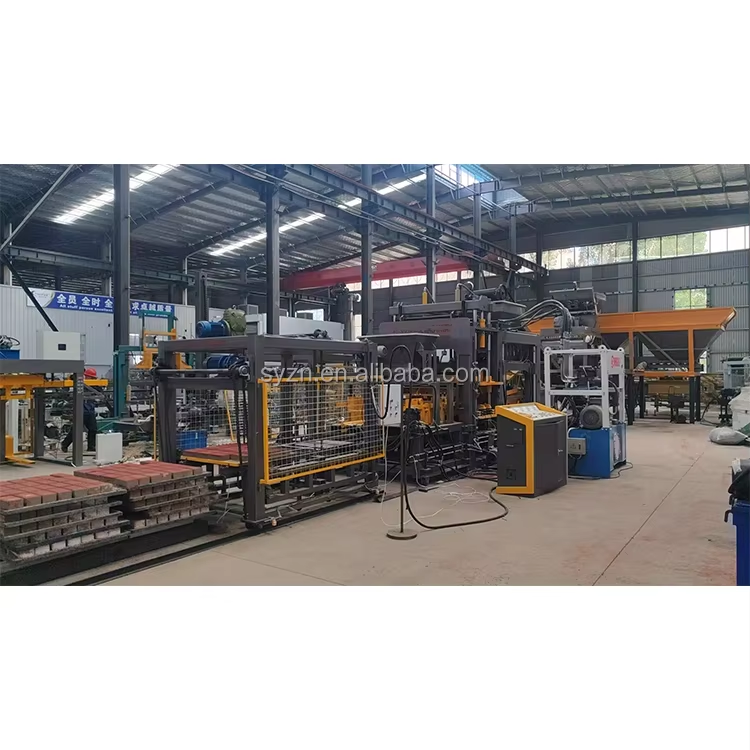

Description
Verified Site Dimensions — Every workshop clearance and container loading plan is checked against the actual machine footprint before dispatch.
Technical Specifications
| Parameter | Value |
|---|---|
| Model | QT10-15 |
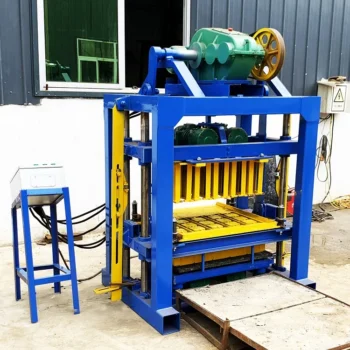
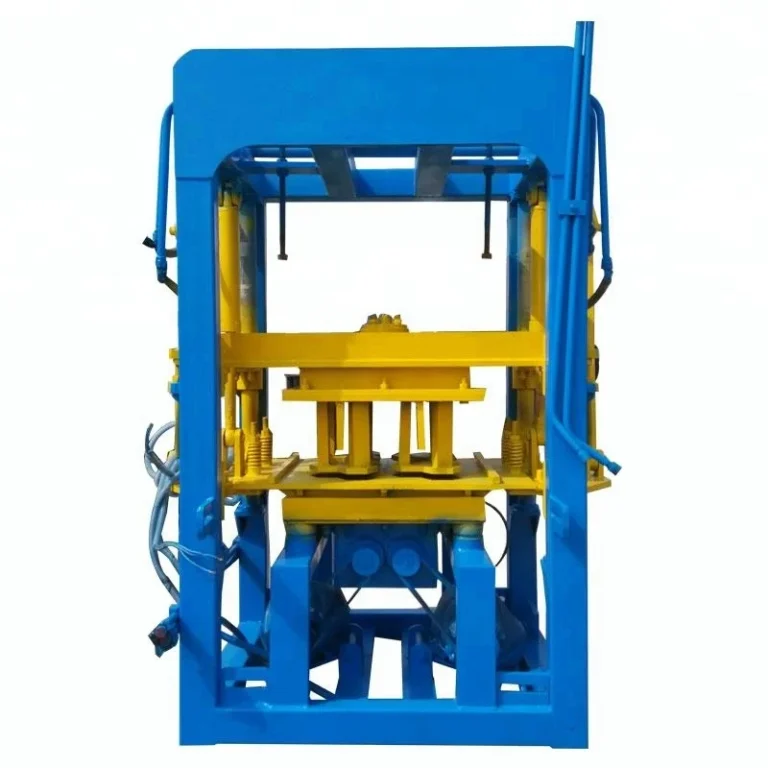
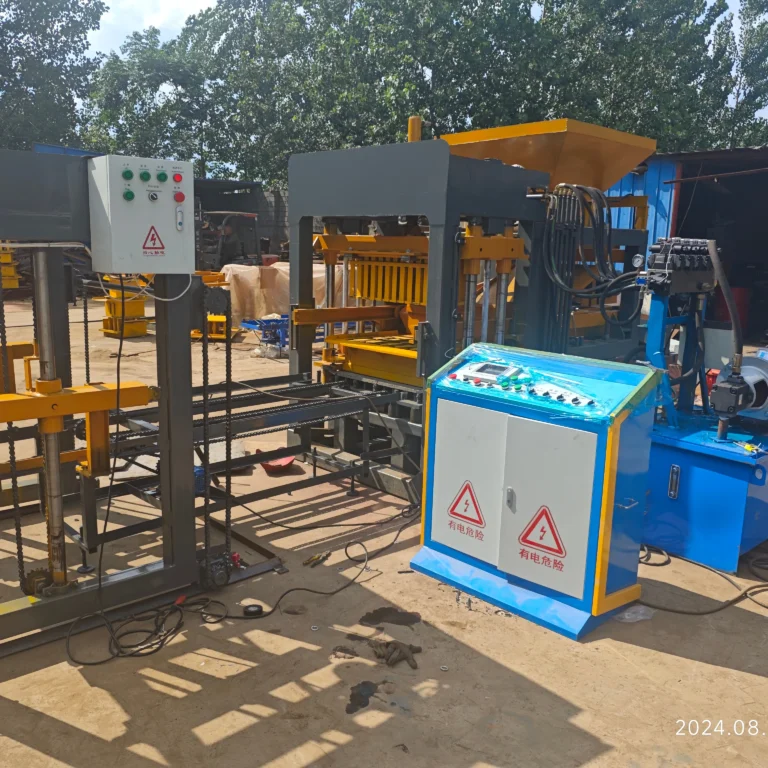
| Product Type | Automatic Concrete Block Making Machine |
| Overall Dimensions (L×W×H) | 7100 x 1600 x 2610 mm |
| Net Weight | 7200 kg |
| Pallet Size | 1100 x 900 mm |
| Voltage Options | 380 V, 220 V |
| Hydraulic Pressure | 21 MPa |
| Cycle Time | 15S (basis not stated in source) |
| Workers Required | 3-5 |
| Core Components | PLC, Pressure Vessel, Engine, Gear, Motor, Pump, Bearing, Gearbox |
| Color Options | Customizable |
| Standards | Machinery Test Report Provided, Video Outgoing-Inspection Provided |
Application Suitability
| Application | Material or Output |
|---|---|
| Hollow Block Production | Fly ash, sand, and aggregate |
| Solid Brick Manufacturing | Crushed stone, sand, and cement |
| Paving Block & Kerbstone | High-density aggregate and sand mixes |
| Interlocking Brick | Fly ash and sand blends |
Why Arrival Timing Matters More Than Quoted Cycle Times
When your construction deadline is fixed, waiting for a delayed manufacturing slot is not an option. Securing a QT10-15 block machine in stock ensures your equipment dispatch aligns with your project schedule.
Buyers often focus heavily on theoretical cycle times, but a machine sitting in a factory for weeks waiting for a custom part negates any production advantage. A ready-to-ship unit means the container loading schedule is set immediately. I have seen project contractors face severe penalty clauses simply because their equipment arrival was pushed back by supply chain delays. Getting the exact dispatch lead time and container loading plan upfront prevents these costly site standstills [NEED_CITE: typical construction delay penalty structures].
Dispatch Readiness and Standard Mould Inclusion
Ordering a QT10-15 block machine in stock eliminates the waiting period usually associated with custom manufacturing runs. The standard mould formats covering hollow, solid, and paving blocks are already produced and staged for immediate inclusion in the shipment. This allows the container to be sealed and dispatched as soon as the commercial terms are finalized.
Dismantling Plans Optimized for Transit
Shipping heavy industrial equipment requires precise spatial planning. The dismantling plan for this unit is pre-confirmed to optimize container loading, ensuring the 7100 x 1600 x 2610 mm footprint is broken down efficiently. This prevents transit damage and ensures all components arrive at the destination port intact, ready for rapid reassembly on your site [NEED_CITE: international heavy machinery shipping standards].
Matching Power Configurations Before Loading
A machine cannot be commissioned if it does not match the local grid. With dual voltage configurations of 380 V and 220 V available, the electrical setup is confirmed and locked in before the unit leaves the floor. This avoids the scenario where equipment arrives on site only to sit idle while transformers are sourced.
Understanding the Physical Footprint and Site Limits
The physical dimensions and weight of the equipment dictate how it will be received at your facility. At 7200 kg, the main press requires a prepared foundation and adequate forklift capacity for unloading. The 1100 x 900 mm pallet size must also be cross-referenced with your existing curing area and material handling equipment to ensure smooth workflow once production begins. The 21 MPa hydraulic pressure system relies on heavy-duty core components like the pressure vessel and gearbox, which add to the overall mass but are necessary for forming dense blocks from fly ash and sand.
The Hidden Cost of Ignoring Site Clearances
Failing to verify site dimensions before loading a container can lead to disastrous arrival scenarios. Years ago, I shipped a fully automatic block line without double-checking the buyer’s roof clearance. The automatic stacker arrived too tall for the workshop door, forcing the buyer to dismantle their roof to get the equipment inside. Now, every site dimension is verified against the machine profile before dispatch to prevent these structural modifications [NEED_CITE: industrial equipment installation site preparation guidelines].
Why Procurement Focuses on Logistics Verification
Sourcing from a dedicated block machinery supplier means the machine, pallets, and handling equipment are specified as a matched system for transit. The dispatch lead time and container loading schedule are provided before order confirmation, removing guesswork. Machinery test reports and video outgoing-inspections are available for immediate review, proving the unit is ready. Clear packing photographs and customs documentation support ensure the shipment clears borders without administrative hold-ups.
Documentation & Verification
- Factory test record confirming hydraulic pressure and motor function before dispatch
- Video outgoing-inspection showing the specific unit being prepared for loading
- Machinery test report validating core component operation
- Detailed packing photographs documenting the container loading sequence
- Complete customs documentation support to prevent border transit delays
Installation, Commissioning & Support
- Foundation requirements mapped to the 7200 kg net weight and vibration forces
- Electrical connection guide for the confirmed 380 V or 220 V power supply
- Dismantling and reassembly instructions for the 7100 x 1600 x 2610 mm frame
- Commissioning support for the PLC and hydraulic pressure vessel systems
- Operator training covering the 1100 x 900 mm pallet feeding sequence
- Wear parts list for the gearbox, bearings, and motor maintenance cycles
Preparing Your Site for Equipment Arrival
To ensure a smooth installation once the equipment arrives, we need to verify a few site specifics. Please provide your workshop’s exact ceiling height and door clearances to confirm the dismantling plan. We also need your local voltage and frequency standards to finalize the electrical configuration, as well as the dimensions of your existing curing area to ensure the pallet size integrates properly.
Frequently Asked Questions
Q: What is the exact dispatch lead time and arrival estimate for the QT10-15?
A: Because this unit is available for immediate dispatch, the lead time is limited to the container loading schedule and customs clearance. We provide an upfront arrival estimate based on your destination port before order confirmation, ensuring your project timeline remains intact without manufacturing delays.
Q: How is the machine dismantled and loaded into containers for shipment?
A: The machine is dismantled according to a pre-confirmed plan optimized for standard shipping containers. The main frame and hydraulic components are secured to prevent transit damage, and clear packing photographs are provided to show exactly how the equipment is loaded and braced.
Q: Are standard moulds and pallets currently in stock and ready to ship?
A: Yes, standard mould formats for hollow, solid, and paving blocks are staged and ready to be included in the same shipment as the main press. This ensures all necessary forming equipment arrives together, allowing production to start immediately after commissioning.
Q: What customs documentation is provided to prevent border delays?
A: We provide comprehensive customs documentation support, including detailed packing lists, commercial invoices, and machinery test reports. This paperwork is prepared in advance to ensure smooth transit through border checkpoints and prevent administrative hold-ups at the destination port.
Q: How quickly can installation begin once the machine arrives at the site?
A: Installation can begin immediately upon unloading, provided your foundation and power supply are prepared. The dismantling plan is designed for rapid reassembly, and the pre-confirmed electrical and hydraulic configurations mean no time is lost waiting for site modifications or missing components.