



Description
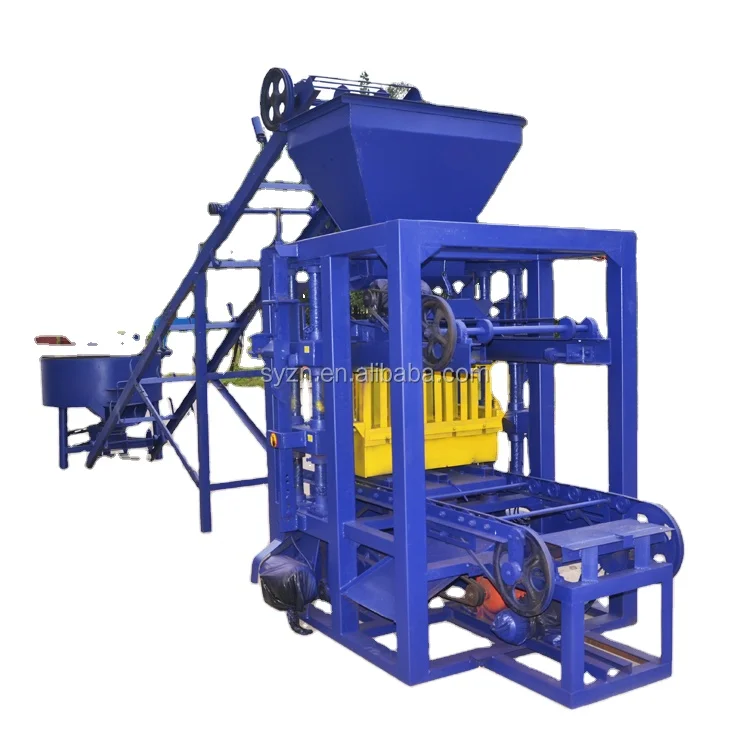
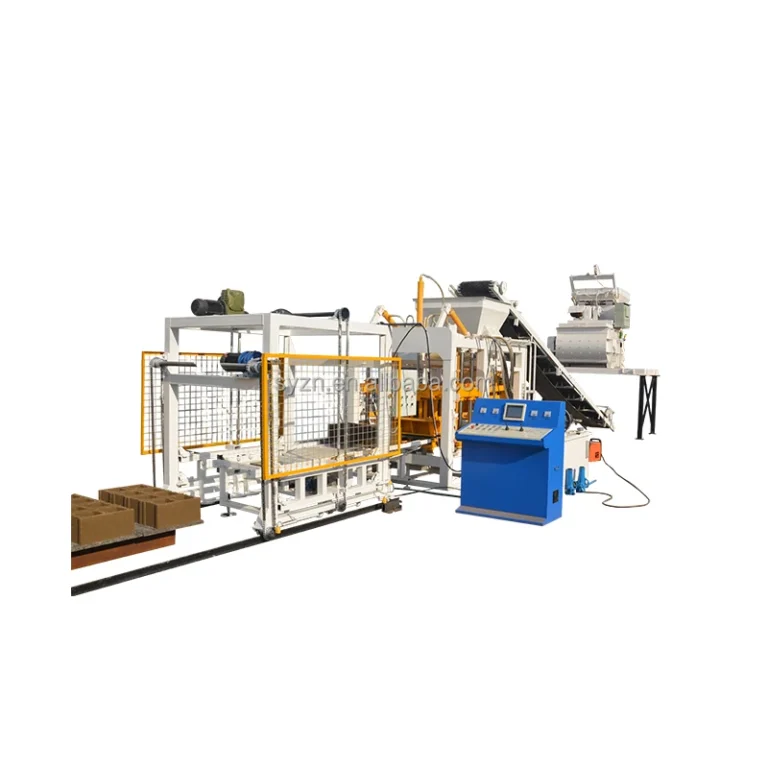
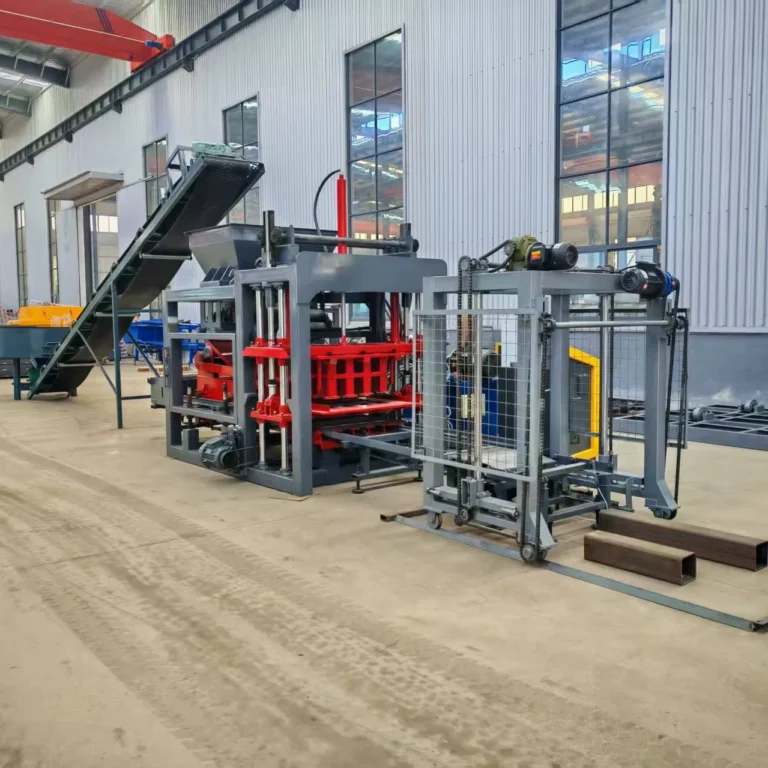
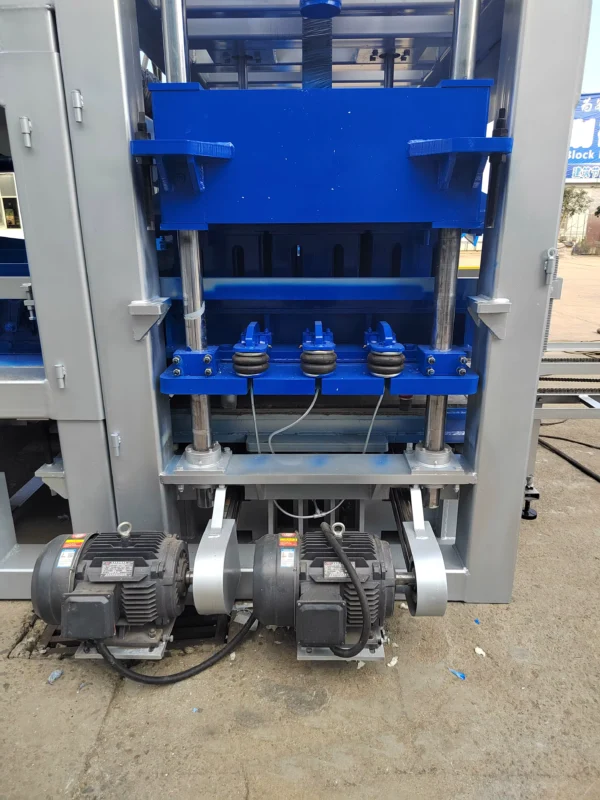
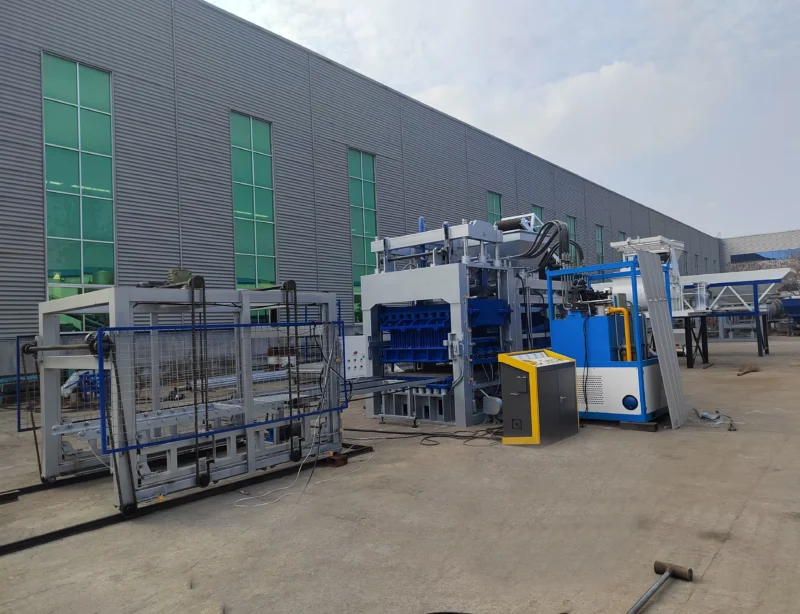
Dispatch-Ready Mainframes — pre-measured overall dimensions and verified dismantling plans ensure the QT18-15 hydraulic block making machine in stock fits standard containers without delaying your project timeline.
Technical Specifications
| Parameter | Value |
|---|---|
| Model | QT18-15 |
| Product Type | Fully Automatic Hydraulic Block Making Machine |
| Method | Hydraulic pressure |
| Automation Level | Fully Automatic |
| Overall Dimensions (L×W×H) | 935025202950mm |
| Weight | 12000 kg / 18T (source value — verify against manufacturer catalog) |
| Mould Format / Brick Size | 400100200 mm, 400120200 mm, 20010060 mm, 400150200 mm, 24011590 mm, 20020060 mm, 400200200 mm, 230220115 mm, Other |
| Cycle Time | 15s (basis not stated in source — confirm block format / material / thickness) |
| Hydraulic Pressure | 26MPa |
| Core Components | PLC, Pressure Vessel |
| Raw Material | Concrete / Cement |
| Warranty | 2 Years |
Application Suitability
| Application | Material or Output |
|---|---|
| Hollow block production | Concrete and cement for structural walls |
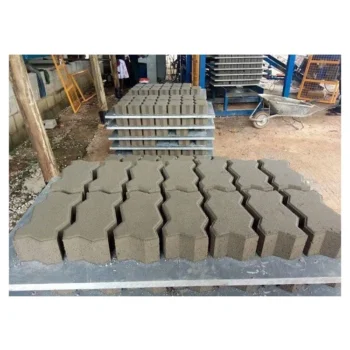
| Paving block manufacturing | Dense concrete mixes for walkways and driveways |
| Interlock block forming | Concrete for retaining walls and landscaping |
| Curbstone extrusion | Heavy-duty concrete for road edges and borders |
Why Arrival Timing Dictates Machine Selection
When a construction schedule slips, waiting months for a custom-built press is not an option; securing a QT18-15 hydraulic block making machine in stock is the only way to protect your deadline.
Project contractors often lose weeks because freight forwarders reject poorly calculated loading plans or because mainframes are dismantled into too many pieces. I learned this the hard way years ago when a fully automatic line was broken down so extensively that on-site reassembly took an extra fortnight, leaving the crew idle. Today, dispatch readiness means the machine footprint and container dimensions are locked in before the invoice is signed [NEED_CITE: standard container loading constraints for heavy industrial machinery].
Calculating the Loading Envelope
The physical footprint of this equipment dictates the entire shipping strategy. With overall dimensions fixed at 935025202950mm, the mainframe requires careful orientation and partial dismantling to slide into standard flat rack or open-top containers. Securing a QT18-15 hydraulic block making machine in stock means these loading calculations are already mapped out, preventing last-minute surprises at the port when the crane operator refuses an oversized load.
Preventing On-Site Assembly Delays
Dismantling a heavy press for shipment is necessary, but taking it apart too aggressively creates massive reassembly headaches at the destination. The goal is to keep the core hydraulic and structural assemblies intact while only removing external protrusions. This approach ensures that once the equipment hits the ground at your project site, the bolt-up sequence is straightforward, keeping your installation crew focused on commissioning rather than rebuilding the machine from scratch [NEED_CITE: heavy machinery export packing and dismantling standards].
Interpreting the Pressure and Format Specs
The 26MPa hydraulic pressure rating provides the necessary compaction force to consolidate raw materials into dense, durable formats. Because the system supports a wide array of standard mould sizes—ranging from 20010060 mm pavers to 400200200 mm hollow blocks—the physical press can handle diverse product requirements without needing structural modifications. The PLC core component manages the pressing sequence, ensuring that the hydraulic pressure is applied consistently across every cycle, which is critical when you are rushing to fulfill a massive infrastructure order.
The Hidden Cost of Missing Spare Parts
Shipping a mainframe without the correct wear parts is a common trap that stalls production the moment the first component degrades. If the initial dispatch lacks specific hydraulic seals or extra mould wear plates, the machine sits idle while you wait for international air freight. A proper stock dispatch protocol mandates that a verified spare parts list is packed into the same container, ensuring the site team has everything needed to keep the press running through the critical first months of operation [NEED_CITE: industrial equipment spare parts logistics for remote sites].
Why Procurement Needs a Shipping-First Approach
Sourcing this equipment requires a partner who treats freight logistics with the same rigor as manufacturing. We focus exclusively on block machinery, meaning the mainframe, pallets, and handling gear are specified as one matched system that actually fits into the allocated containers. Every dispatch includes a pre-shipment machinery test report and video outgoing-inspection, so you see exactly what is being bolted down before it leaves the factory floor. Our documentation includes precise packing photographs and customs support, eliminating the guesswork that typically delays port clearance.
Documentation & Verification
- Machinery test record confirming hydraulic pressure and PLC function before crating
- Video outgoing-inspection showing the exact stocked unit being prepared for dispatch
- Detailed packing photographs documenting the dismantling and container loading sequence
- Customs documentation support tailored to the specific destination port requirements
- Verified wear parts list packed alongside the mainframe for immediate site availability
Installation, Commissioning & Support
- Foundation planning based on the 935025202950mm footprint to ensure proper curing area alignment
- Electrical hookups configured to local voltage standards to prevent PLC damage during initial power-on
- Reassembly guidance focusing on the pre-tested hydraulic pressure vessel and core structural nodes
- On-site commissioning to verify the 26MPa hydraulic pressure across all stocked mould formats
- Operator training covering PLC navigation and rapid format changeovers to maximize early output
- Immediate access to the packed spare parts inventory to maintain continuous production schedules
Project Data Required for Dispatch
To finalize the loading plan and release the equipment, we need your exact destination port and the required local voltage and frequency for the PLC and hydraulic motors. Please also confirm the specific standard mould formats you need included in the container so we can verify their stock status and pack them securely alongside the mainframe.
Frequently Asked Questions
Q: What is the exact dispatch lead time and current stock availability for the QT18-15 and its standard moulds?
A: Lead times depend on the current inventory of the mainframe and your requested standard mould formats. We verify the exact stock status of the press and the specific brick sizes you need before confirming the dispatch date, ensuring everything is ready for immediate container loading without factory build delays.
Q: How is the machine dismantled for container loading, and what is the estimated arrival timeline?
A: The mainframe is partially dismantled to fit standard container dimensions while keeping core assemblies intact to speed up on-site reassembly. The arrival timeline depends entirely on the ocean freight route to your destination port, which we estimate upfront once the loading plan and shipping documents are finalized.
Q: Can the local voltage and control language be adjusted on a stocked machine before shipment?
A: Yes, the PLC and electrical systems must be configured to your local voltage, frequency, and preferred display language before the unit is crated. We confirm these exact specifications during the order process to ensure the machine is ready for immediate power connection and operation upon arrival.
Q: Are the standard moulds for hollow and paving blocks included in the immediate dispatch, or do they require a separate lead time?
A: Standard moulds for formats like hollow and paving blocks are typically stocked and can be included in the same container as the mainframe. We verify the physical inventory of your specific requested sizes prior to dispatch to ensure they are loaded together and arrive at your site simultaneously.
Q: What on-site installation and commissioning support is provided once the stocked machine arrives at the project site?
A: We provide engineers available to service machinery overseas, assisting with the reassembly of the dismantled components, electrical hookups, and hydraulic pressure calibration. They also conduct operator training on the PLC system and mould changeovers to ensure your team can start production efficiently.