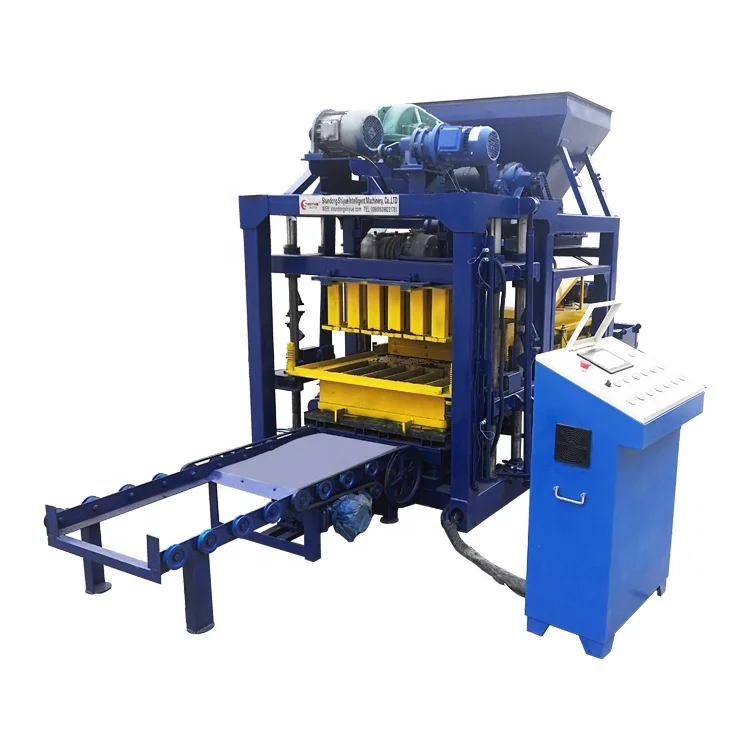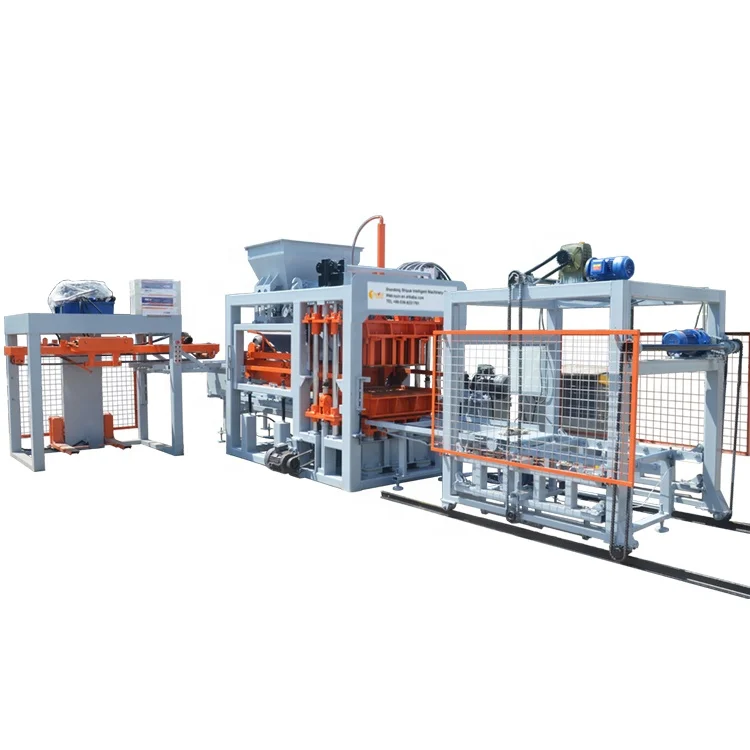
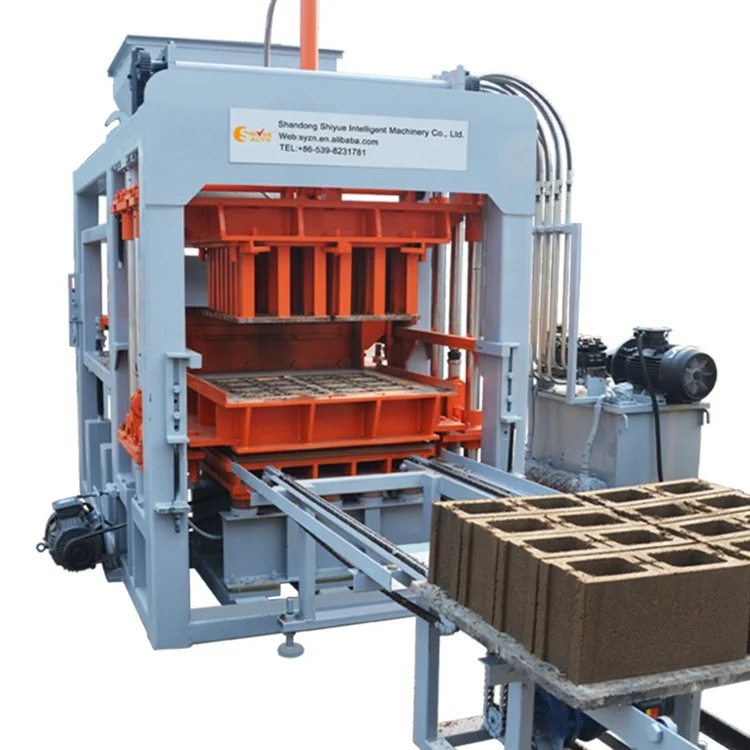
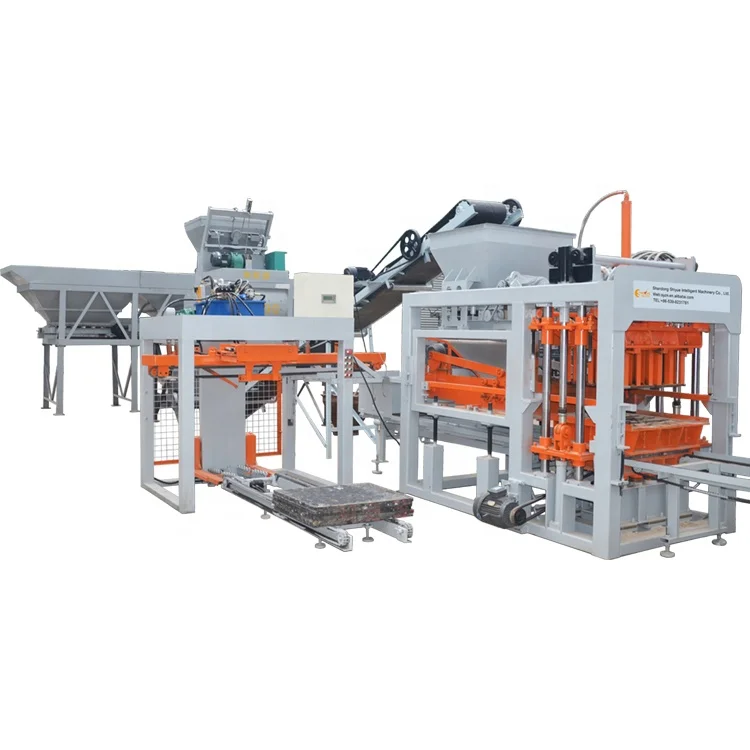
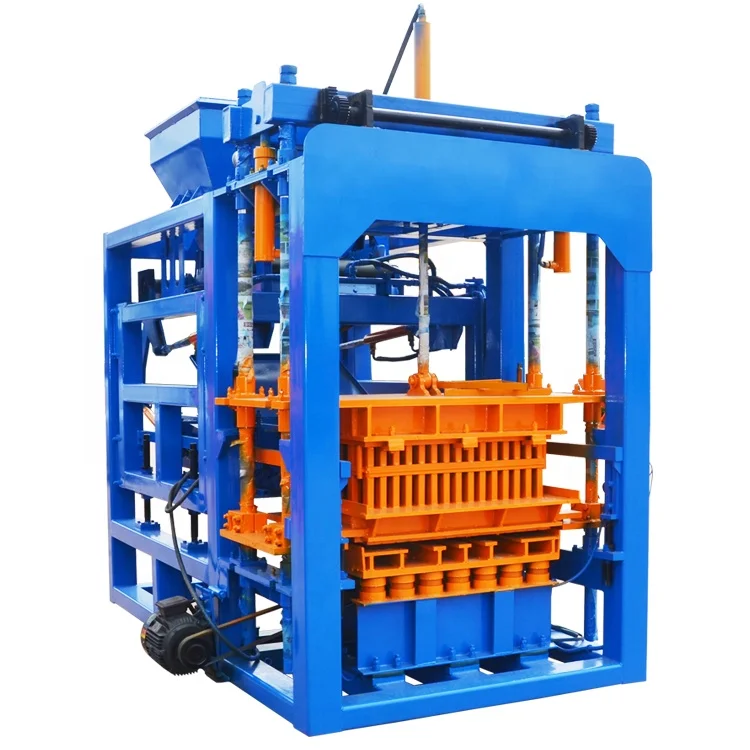
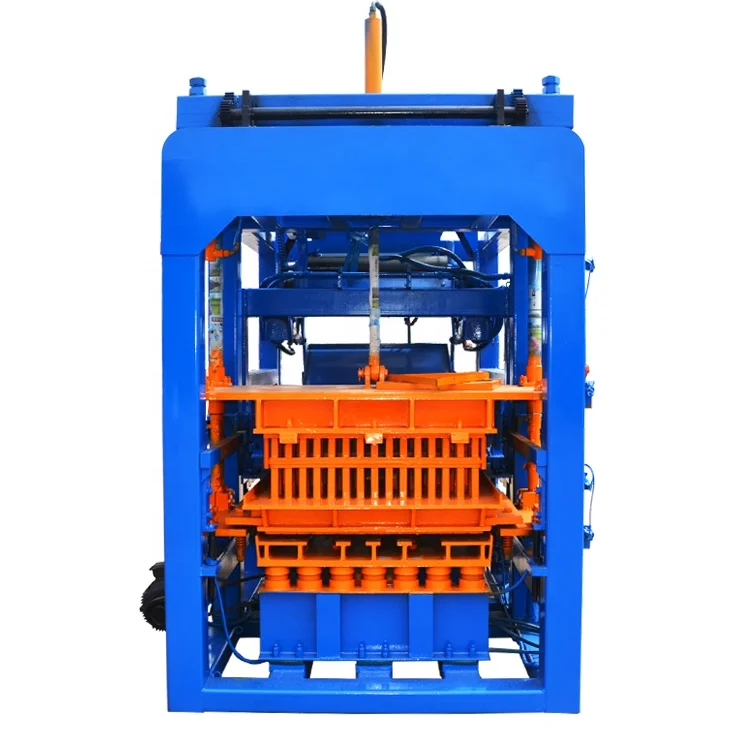
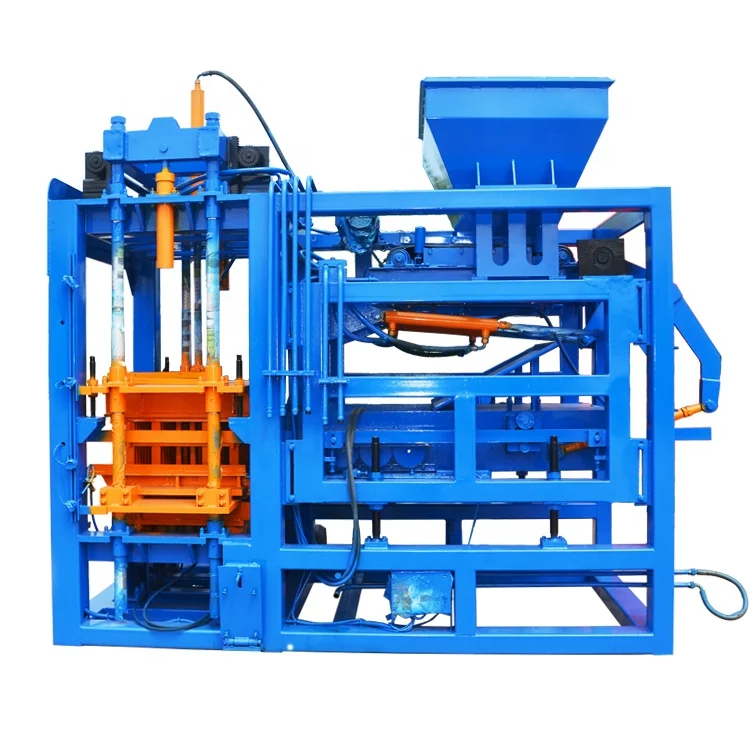
Description
Immediate Availability — QT6-15 units are prepared for container loading with dismantling plans and dispatch windows confirmed before payment, so project timelines stay intact.
Technical Specifications
| Parameter | Value |
|---|---|
| Model | QT6-15 |
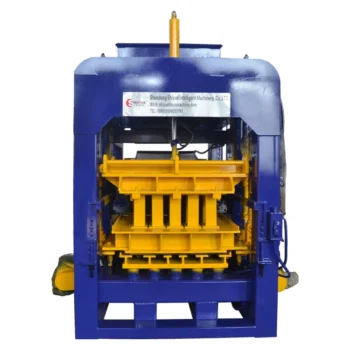
| Product Type | Hydraulic Block Making Machine |
| Overall Dimensions (L×W×H) | 8200×1700×2950mm |
| Total Mass | 7T |
| Overall Power | 37kW |
| Vibration Form | Platform Vibration |
| Vibration Frequency | 0-60Hz |
| Vibration Force | 45kN |
| Moulding Mode | Automatic loading with vibration moulding |
| Demolding Method | Hydraulic |
| Molding Cycle | 15-20s (hollow blocks), 20-25s (pavers) |
| Pallet Size | 880×850mm |
| Control System | PLC (Programmable Controller) with touch screen interface |
| Hydraulic System | Independent integrated hydraulic station |
| Factory Area Required | 1200m² |
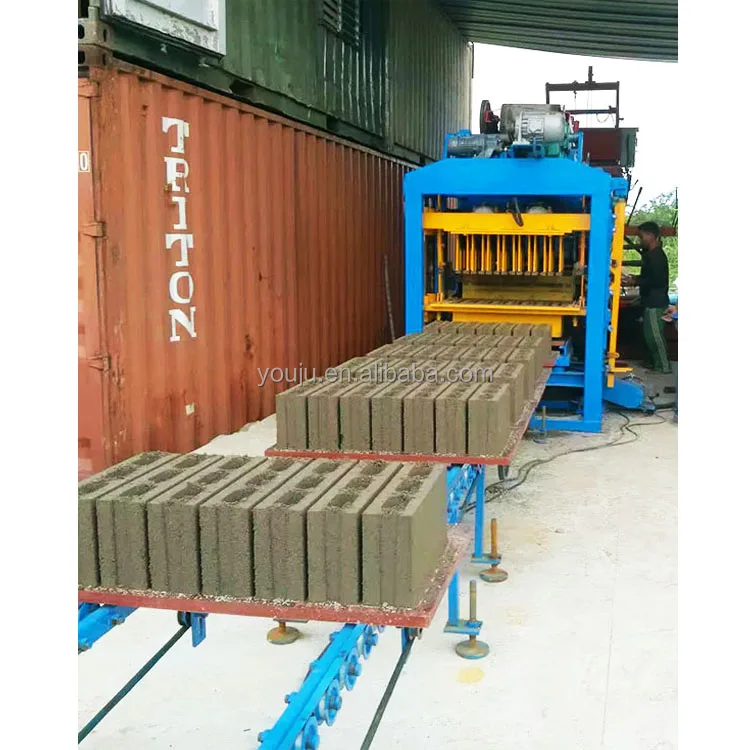
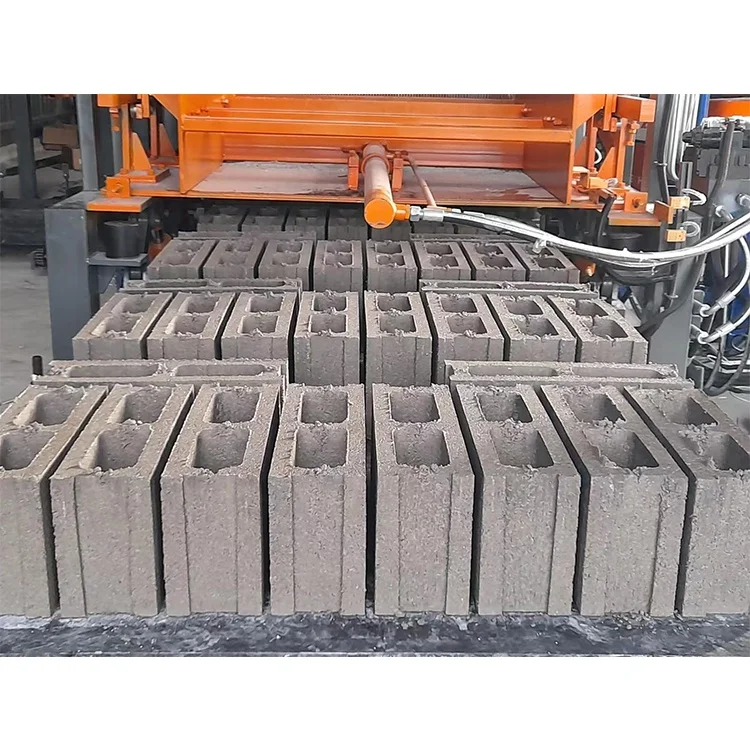
| Output Capacity | 1080-1440 pcs/h based on 400×200×200mm hollow block, 6 pcs/mould |
| Output Capacity | 1440-1920 pcs/h based on 400×150×200mm hollow block, 8 pcs/mould |
| Output Capacity | 5760-7680 pcs/h based on 240×115×53mm solid brick, 32 pcs/mould |
| Output Capacity | 2160-2880 pcs/h based on 200×100×60mm rectangular paver, 21 pcs/mould |
| Block Compressive Strength | >15 MPa (source value — verify against manufacturer catalog) |
| Warranty | 1 year for whole machine (excluding spare parts) |
Application Suitability
| Application | Material or Output |
|---|---|
| Hollow block production | Waste ash, slag, crushed stone, and cement blends |
| Solid brick production | Various aggregates with reduced cement dosage |
| Paving brick production | High-density aggregate mixes for rectangular and zigzag formats |
| Multi-cellular brick production | Lightweight aggregate and cement composites |
| On-site contractor block supply | Local river sand, quarry dust, and cement for housing projects |
What Buyers Overlook When Chasing Fast Dispatch for the QT6-15 Block Machine in Stock
Voltage mismatches and unconfirmed pallet sizes cause more commissioning delays than shipping transit time ever will.
A QT6-15 block machine in stock can leave the factory within days, yet I have watched machines sit idle on arrival because the PLC touch screen was set to a language the local operators could not read, or the motor wiring did not match the site transformer. Buyers focused entirely on lead time while skipping a ten-minute voltage confirmation call. The 37kW overall power draw and the independent hydraulic station both need correct phase and frequency to function — get it wrong and the vibration frequency never reaches the 60Hz range required for proper compaction [NEED_CITE: voltage and frequency standards by export market].
Stock Status and Dispatch Transparency
When a buyer asks whether the QT6-15 block machine in stock is ready, the honest answer includes which standard moulds are paired with it and whether those moulds match the buyer’s market. A machine sitting in the warehouse without the right hollow block or paver mould is not truly available for the buyer’s project. Dispatch confirmation should list the moulds included, the pallets bundled, and the container loading plan so there are no surprises at the port.
Container Loading and Dismantling for Shipment
The QT6-15 measures 8200×1700×2950mm and weighs 7T, which means the main frame, hydraulic station, and mould assembly must be dismantled in a specific sequence to fit a 40ft container alongside pallets and moulds. Fast delivery depends on this dismantling being done correctly the first time — re-cutting hydraulic hoses or re-wiring PLC connections at the destination adds days to what should be a straightforward commissioning [NEED_CITE: CE machinery directive requirements for industrial equipment]. The independent integrated hydraulic station is separated from the main vibration platform, which simplifies packing but requires clear reassembly documentation.
Pallet Size Compatibility Before Shipment
The 880×850mm pallet size must align with the buyer’s existing curing area dimensions and forklift capacity. I once saw a buyer receive a full set of pallets that were too wide for their curing racks, forcing a complete rack rebuild after the machine had already arrived. Confirming pallet dimensions against the site layout is a five-minute check that prevents weeks of downtime.
Mould Change and Format Flexibility on Arrival
The automatic loading with vibration moulding system and hydraulic demolding allow operators to switch between hollow block and paver formats. However, the actual mould change time depends on whether the quick-change hardware is included and whether operators received training before shipment. Buyers who confirm the exact mould list and change procedure before dispatch avoid discovering on day one that switching formats takes most of a shift.
Arrival Timing and Project Deadlines
Contractors working against fixed completion dates need the estimated arrival time at the destination port quoted upfront, not after the machine is already on the water. Shipping transit time, customs clearance, and inland transport all add to the timeline. A confirmed dispatch date from the factory is only useful when paired with a realistic port-to-site estimate [NEED_CITE: typical ocean freight transit times for industrial machinery to Southeast Asian and African ports].
What Happens When Dispatch Speed Overrides Configuration Checks
Rushing a QT6-15 block machine in stock out the door without confirming the buyer’s local aggregate type or mix design leads to machines that run but produce blocks below the required compressive strength. The 45kN vibration force and platform vibration system are calibrated for a specific mix — if the buyer’s local sand has high clay content, the moulding cycle extends and daily output drops significantly. I have seen buyers blame the machine when the real issue was skipping the raw material sample test before shipment.
Why Buyers Choose This Source for Fast Delivery
Block machinery remains the single focus here, so the QT6-15, its moulds, pallets, and handling equipment ship as one matched system rather than separate purchases arriving on different schedules. The dispatch plan accounts for the buyer’s actual site conditions, including the 1200m² factory area requirement and power infrastructure. Moulds are selected based on the formats the buyer’s market actually sells, not a default catalogue list. Voltage and PLC display language are confirmed before the machine leaves the floor.
Documentation & Verification
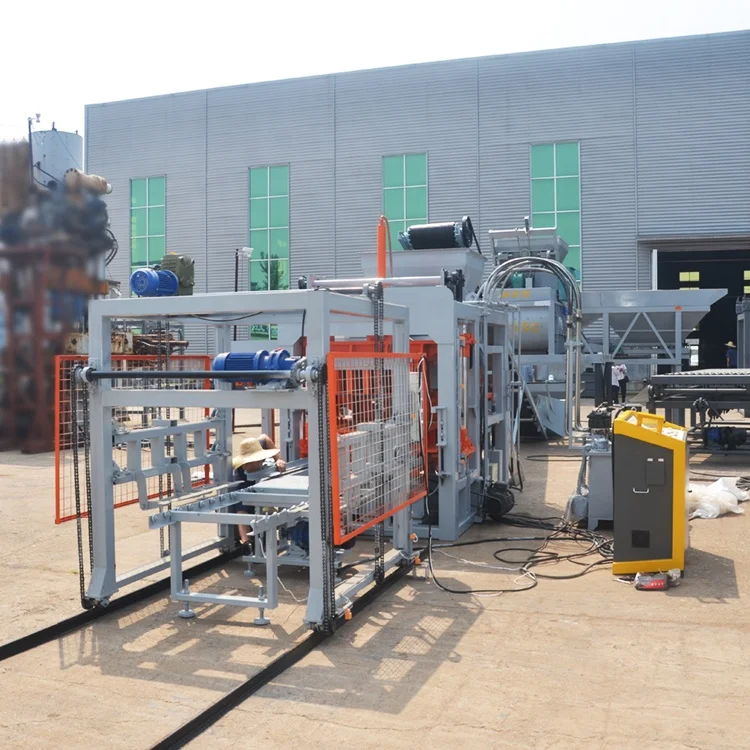
- Line layout showing the 1200m² factory area with curing rack placement
- Machine specification sheet confirming 37kW power and 45kN vibration force
- Mould drawing and format list for the specific blocks included in shipment
- Voltage and control language confirmation signed before dispatch
- Factory test record on buyer’s requested block format before container loading
- Packing photographs documenting dismantling sequence for reassembly
Installation, Commissioning & Support
- Foundation must support the 7T total mass across the 8200×1700mm footprint
- Dedicated 37kW power circuit with confirmed voltage and frequency before connection
- Hydraulic station reconnected to platform vibration system per reassembly schematic
- PLC touch screen configured to operator language before first production run
- Mould change procedure demonstrated on the specific hollow block and paver formats shipped
- Wear parts list provided covering hydraulic seals and vibration components
What to Prepare Before Requesting a Dispatch Quote
Share the exact block formats your market requires, including dimensions and daily volume targets. Provide your site voltage, frequency, and the language your operators need on the PLC touch screen. Confirm the pallet size that fits your existing curing racks and forklift. If you have a project deadline, state it upfront so the dispatch and transit estimate can be calculated backward from that date.
Frequently Asked Questions
Q: Is the QT6-15 currently in stock, or what is the production lead time?
A: Stock status is confirmed at the time of inquiry, including which standard moulds are paired with the machine. If a specific mould set is needed that is not in stock, the production lead time for that mould is quoted alongside the machine dispatch date so the buyer has a complete timeline before committing.
Q: How is the machine dismantled for container loading, and which container size is required?
A: The main frame, independent hydraulic station, and mould assembly are dismantled in a defined sequence to fit a 40ft container along with pallets and moulds. The dismantling plan and reassembly documentation are included in the shipment so the buyer’s installation team can reconstruct the machine without guesswork.
Q: What is the estimated arrival time at my destination port after dispatch?
A: The arrival estimate depends on the destination port and shipping route. Once the dispatch date is confirmed, the transit time to the buyer’s port is quoted so the total lead time from order to site delivery is clear before payment is made.
Q: Are standard moulds shipped together with the machine?
A: Standard hollow block and paver moulds that match the buyer’s market requirements are included in the same container. The exact mould list is confirmed in the quotation so there is no ambiguity about which formats arrive with the machine.
Q: What voltage and frequency options are available, and is this confirmed before shipment?
A: Voltage and frequency are configured to match the buyer’s site power supply. This is confirmed in writing before dispatch, along with the PLC touch screen language, to prevent commissioning delays when the machine arrives at the project site.