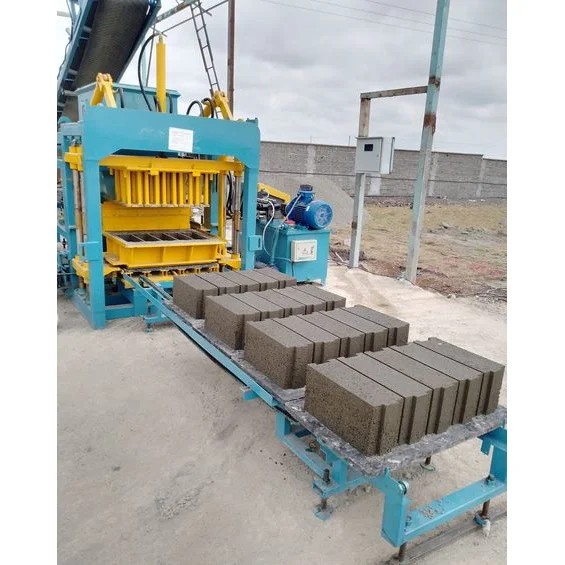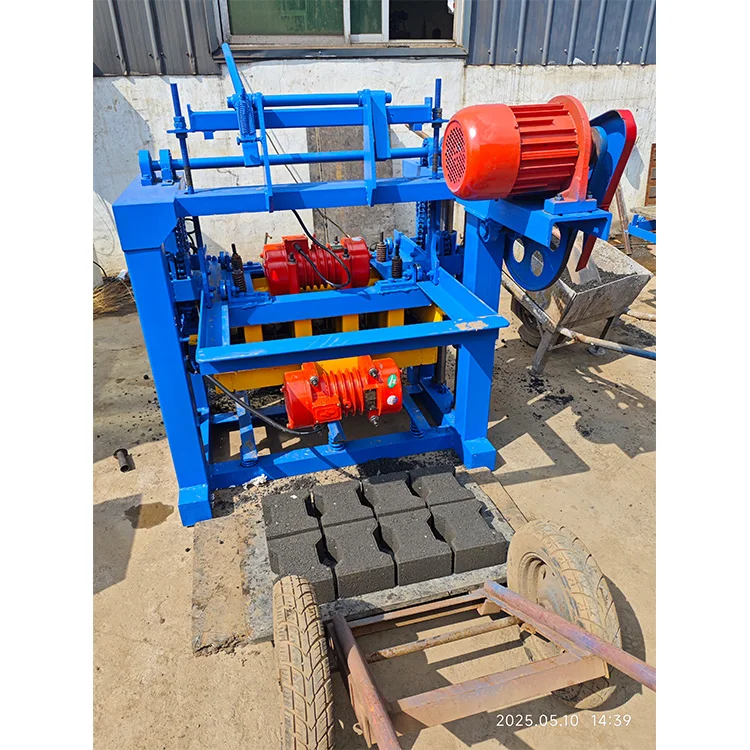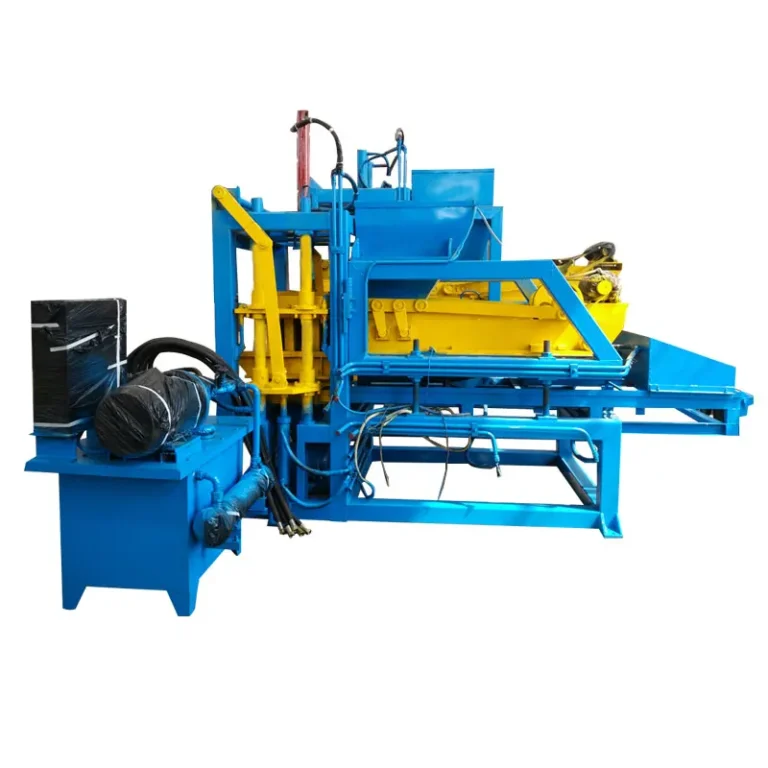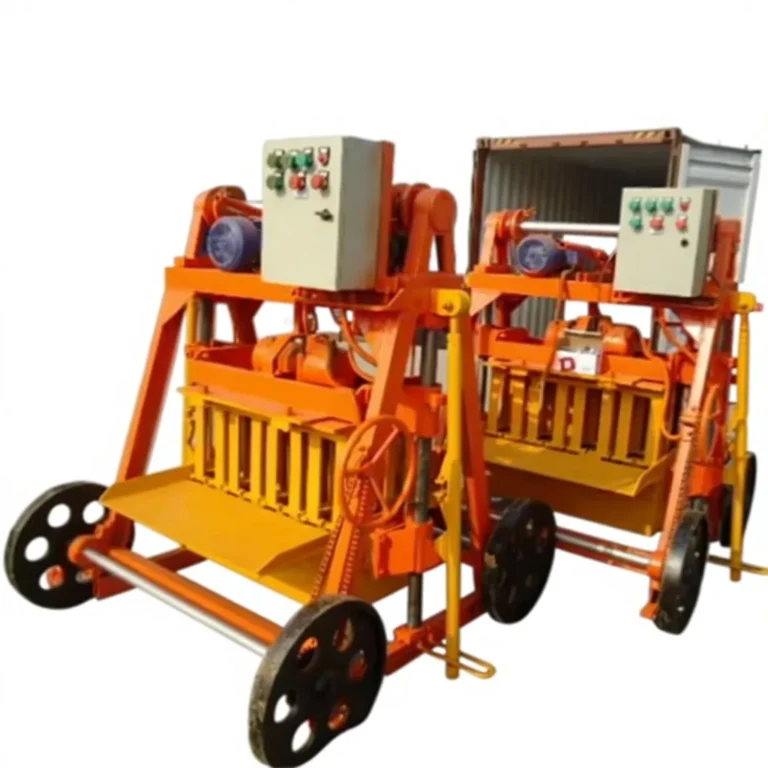

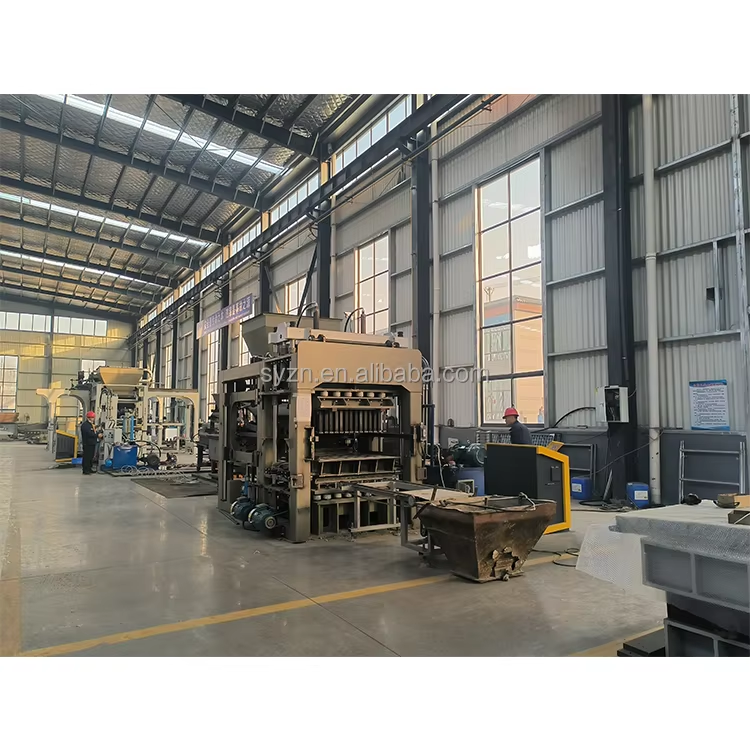
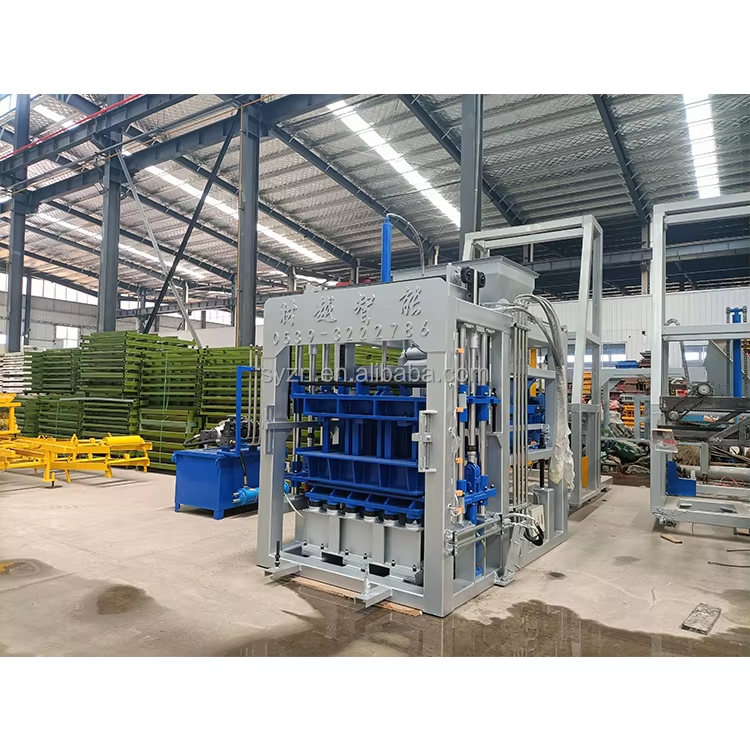
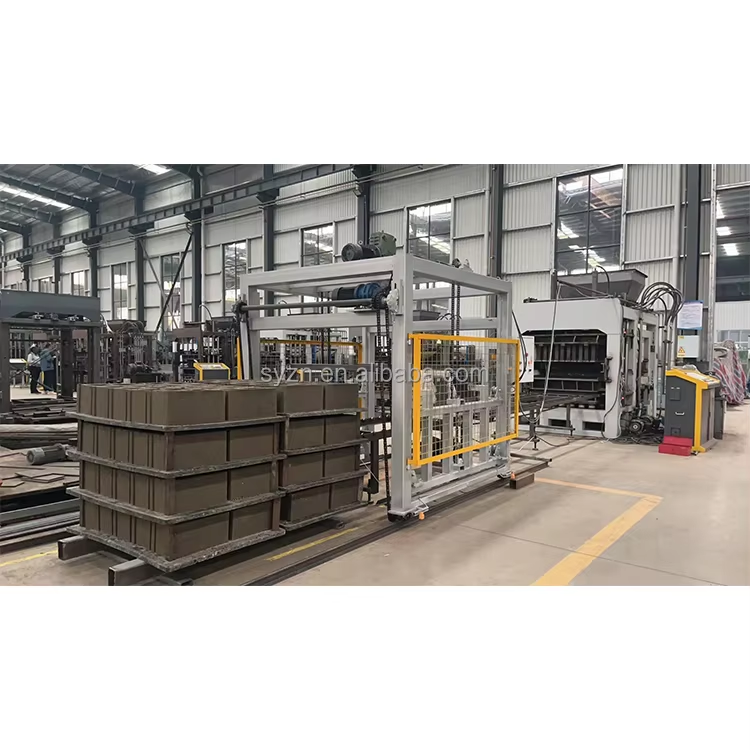
Description
Rapid Dispatch Readiness — The QT10-15 block making machine in stock is pre-verified for container loading dimensions and site clearance, ensuring your equipment arrives and fits without delay.
Technical Specifications
| Parameter | Value |
|---|---|
| Model | QT10-15 |
| Product Type | Fully Automatic Block Production Line |
| Overall Dimensions (L×W×H) | 7100 x 1600 x 2610 mm |
| Total Mass | 7.2 T |
| Rated Pressure | 21 MPa |
| Voltage Options | 380 V, 220 V |
| Pallet Size | 1100 x 900 mm (source value — verify against site) |
| Molding Cycle | 15 s (basis to be confirmed by block format) |
| Core Components | PLC, Motor, Pump, Gearbox, Bearings |
| Warranty | 1 Year |
Application Suitability
| Application Scenario | Typical Material Processed |
|---|---|
| High-volume block plants meeting strict project handover dates | Cement, concrete, flyash |
| On-site production for large housing developments | Crushed stone, sand, cement |
| Urgent market fulfillment for building material distributors | Concrete, flyash aggregates |
Why Arrival Timing Matters More Than Cycle Speeds
When buyers search for a QT10-15 block making machine in stock, the immediate concern is usually beating a wet season deadline or a contractual handover date. A fast cycle time means nothing if the machine is stuck in production or held up at customs. I have seen fully automatic lines delayed for weeks because the shipping configuration was not matched to the container type, or the destination facility lacked the overhead clearance for the mainframe.
Ordering equipment for an urgent project requires upfront clarity on dispatch lead times and realistic arrival estimates. A machine sitting in a warehouse is only useful if it can be dismantled, loaded, and cleared through borders without administrative hold-ups [NEED_CITE: customs documentation requirements for heavy industrial machinery exports].
Warehouse Readiness and Container Loading
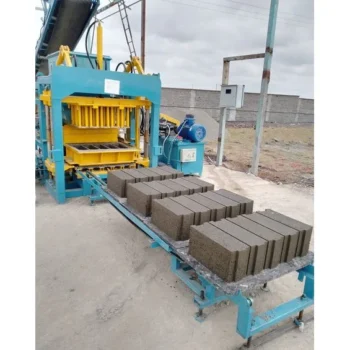
Having a QT10-15 block making machine in stock means the mainframe and standard moulds are physically ready for dispatch. The focus shifts immediately to dismantling the 7100 x 1600 x 2610 mm mainframe for optimal container loading. Proper dismantling ensures the 7.2-ton unit fits securely without exceeding dimensional limits, preventing costly roll-overs at the port and keeping the shipping schedule intact.
Verifying Site Dimensions Before Dispatch
Shipping a heavy line to a site with inadequate overhead clearance or narrow bay doors is a logistical nightmare. Before any QT10-15 block making machine in stock leaves the facility, the exact dimensions of the destination building must be confirmed. I once oversaw a shipment where the equipment height exceeded the facility’s roof trusses, forcing a complete teardown and reassembly outside. Verifying these spatial constraints upfront prevents expensive on-site modifications.
Interpreting the Physical Footprint and Pressure Ratings
The 21 MPa rated pressure requires a solid, level concrete foundation to absorb the vibration and hydraulic forces during operation. If the ground is not properly prepared before the machine arrives, commissioning is delayed. Furthermore, the 1100 x 900 mm pallet size dictates the aisle width needed for forklift movement in the curing area. Ensuring the local material handling equipment matches this pallet footprint is critical for smooth traffic flow once production begins.
The Hidden Costs of Rushed Logistics
Failing to confirm voltage configurations (380 V or 220 V) before the machine ships often results in the equipment sitting idle while local transformers are sourced [NEED_CITE: voltage and frequency standards by export market]. Similarly, neglecting to provide accurate customs documentation can leave the container stranded at the destination port, accumulating daily demurrage fees that quickly erase any initial savings from a fast purchase.
Securing Your Project Timeline
We maintain physical inventory so your procurement process is not bottlenecked by manufacturing queues. Every dispatch includes a detailed container loading plan and machinery test reports to verify the stock condition before it leaves. We provide comprehensive customs documentation support to prevent border delays, ensuring the equipment transitions smoothly from our warehouse to your production floor.
Documentation & Verification
- Factory test record verifying hydraulic pressure and PLC function before dispatch
- Container loading plan detailing dismantling sequences for the mainframe
- Machinery test report confirming component integrity prior to shipment
- Video outgoing-inspection providing visual proof of stock condition
- Customs documentation support tailored to your destination port requirements
Installation, Commissioning & Support
- Foundation requirements mapped to the 7.2 T mass and 21 MPa vibration forces
- Electrical specifications confirmed for 380 V or 220 V local grid compatibility
- Dismantling instructions provided for reassembling the 7100 mm mainframe on-site
- PLC interface language verified prior to dispatch to accelerate operator training
- Wear parts list included to ensure immediate availability of critical spares
Preparing for a Seamless Handover
To ensure the equipment arrives exactly when your project demands, please provide your target delivery date, destination port, and the exact overhead clearance of your facility. Confirming your local voltage and frequency standards, along with the specific pallet handling equipment you currently use, allows us to finalize the loading plan and dispatch the machinery without administrative delays.
Frequently Asked Questions
Q: What is the exact dispatch lead time for the stocked equipment?
A: Because the mainframe and standard moulds are physically available in our warehouse, the dispatch lead time is limited only to the dismantling and container loading process. We provide an exact arrival estimate upfront, factoring in ocean transit and port clearance, so you can align the delivery with your strict project deadlines.
Q: Are standard moulds included in the immediate stock package?
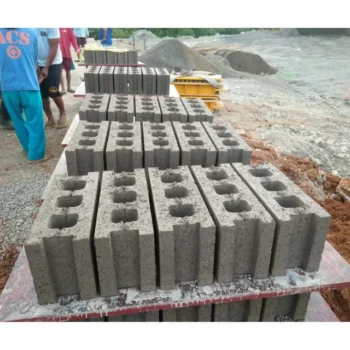
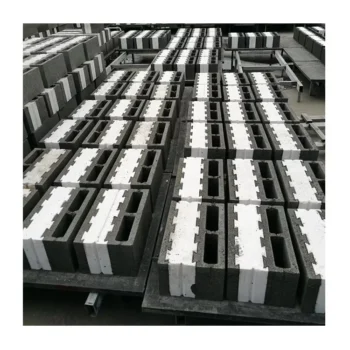
A: Yes, the stocked package includes standard moulds for various hollow, solid, and paver formats. These are inspected, packed, and loaded alongside the mainframe to ensure they arrive simultaneously, allowing you to begin production immediately without waiting for secondary shipments.
Q: How is the mainframe dismantled for container loading?
A: The 7100 x 1600 x 2610 mm mainframe is systematically dismantled into modular sections that fit standard shipping containers. We provide a detailed loading plan and dismantling photographs, ensuring your local team can efficiently reassemble the 7.2-ton unit upon arrival without missing components.
Q: What voltage configurations are currently available for immediate export?
A: The available stock is configured for either 380 V or 220 V systems. We verify your local frequency and voltage requirements before loading to ensure the PLC and hydraulic pumps operate correctly upon arrival, preventing the need for costly on-site electrical modifications.
Q: Do you provide customs documentation to ensure fast clearance?
A: We supply a complete set of export and customs documentation, including the machinery test report and CE declarations where applicable. This administrative support is prepared alongside the physical loading process to prevent border delays and ensure the equipment reaches your site on schedule.