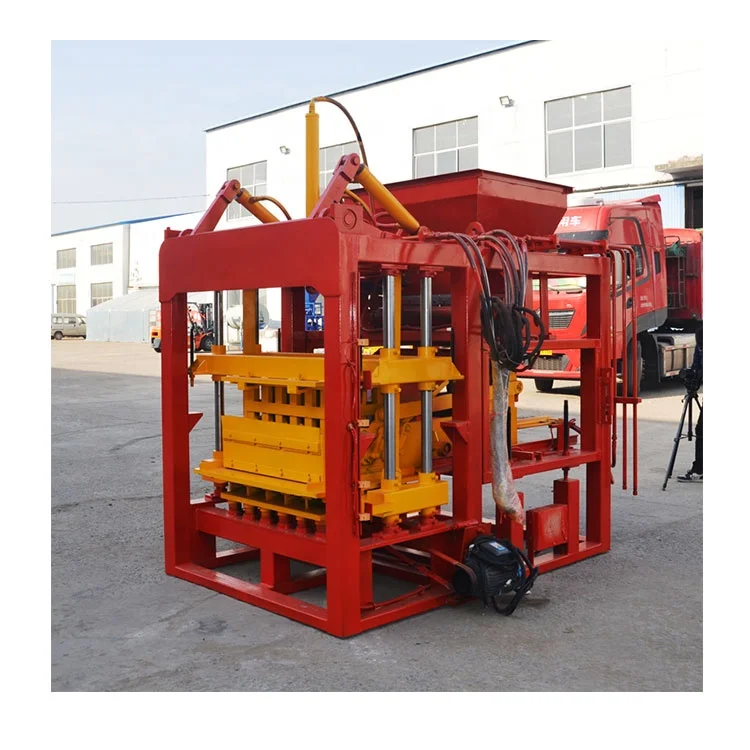
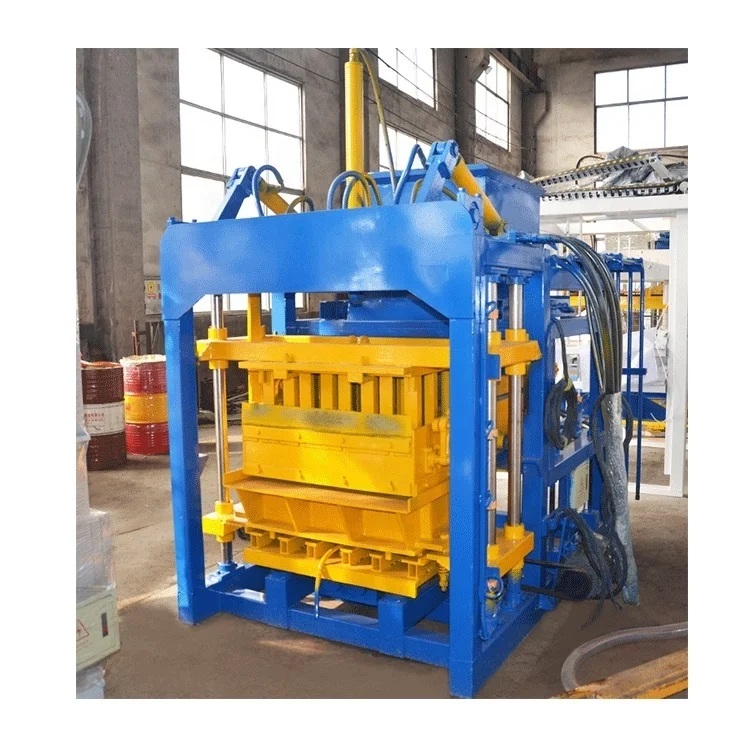
Description
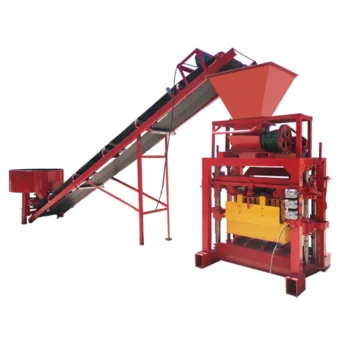
Rapid dispatch capability — The QT4-15A block making machine ships from current inventory with standard moulds and complete line equipment, eliminating typical multi-week factory build delays for contractors working against construction phase deadlines.
Technical Specifications
| Parameter | Value |
|---|---|
| Model | QT4-15A |
| Product Type | Hydraulic Concrete Block Making Machine |
| Overall Dimensions (L×W×H) | 7100×1600×2610 mm |
| Molding Cycle | 15-25 s |
| Vibration Frequency | 4600 r/min |
| Exciting Power (Vibration Force) | 40-50 KN |
| Total Power | 18.45 kW |
| Mixer Model | JQ350 |
| Pallet Size | 850×550×25 mm |
| Control System | PLC control system |
| Hydraulic Station | High pressure hydraulic system included |
| Included Line Equipment | Pallet feeder, brick conveyor, block sweeper |
| Applied Products | Paver, solid block, hollow block, curbstone |
| Raw Materials | Crushed stones, sand, cement, dust, fly ash |
| Output Capacity (Hollow 400×200×200mm) | 408 pcs/h (4 pcs/mould, basis: 400×200×200mm hollow block) |
| Output Capacity (Hollow 400×150×200mm) | 510 pcs/h (5 pcs/mould, basis: 400×150×200mm hollow block) |
| Output Capacity (Solid 240×115×53mm) | 2100 pcs/h (18 pcs/mould, basis: 240×115×53mm solid brick) |
| Automation Level | Semi-automatic with PLC |
| Voltage & Frequency | Configurable to destination grid (basis to be confirmed at order) |
Application Suitability
| Application | Material or Output |
|---|---|
| Housing project block production | Hollow blocks from crushed stone, sand, cement, and fly ash |
| On-site contractor block manufacturing | Solid bricks and hollow blocks using locally available aggregates |
| Paving and curbstone production for municipal works | Pavers and curbstones from stone dust and cement blends |
| First-plant entrepreneur setup | Multiple block formats from a single machine with interchangeable moulds |
Why Voltage Confirmation Must Happen Before the Crate Ships
Every QT4-15A block making machine in stock leaves the yard only after the nameplate voltage matches the buyer’s confirmed grid specification.
I once watched a machine sit idle on a European job site for three weeks because the voltage was never verified before dispatch. The contractor had crews waiting, scaffolding rented, and a construction schedule bleeding money every single day while they sourced a step-down transformer locally. That delay cost more than the shipping itself. Now the voltage and frequency question gets asked the moment an order drops, not after the machine is bolted to the workshop floor [NEED_CITE: voltage and frequency standards by export market]. When you are working to a project deadline and the QT4-15A block making machine in stock is the fastest path to production, that electrical confirmation is the single step that separates a clean commissioning from weeks of idle equipment.
Stock Availability and What Ships Together
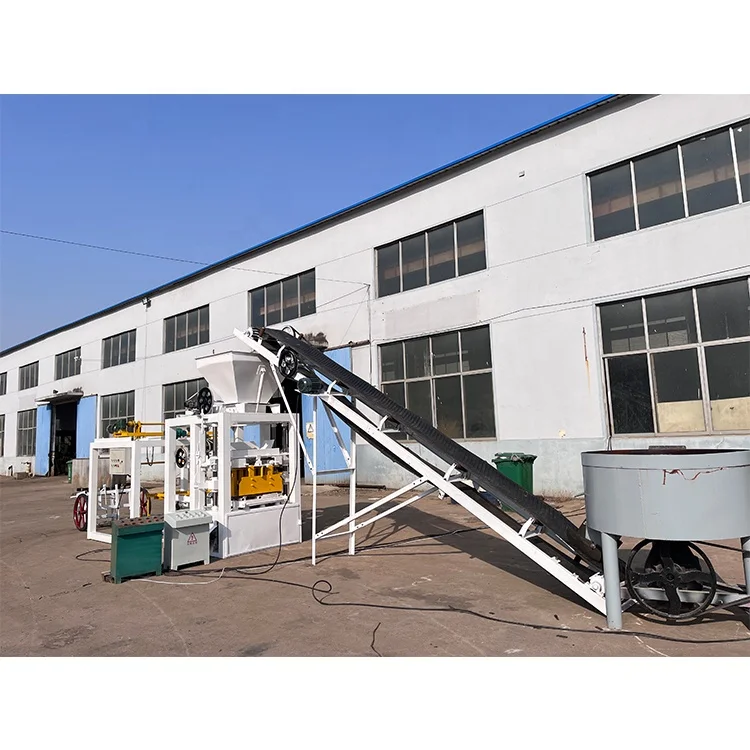
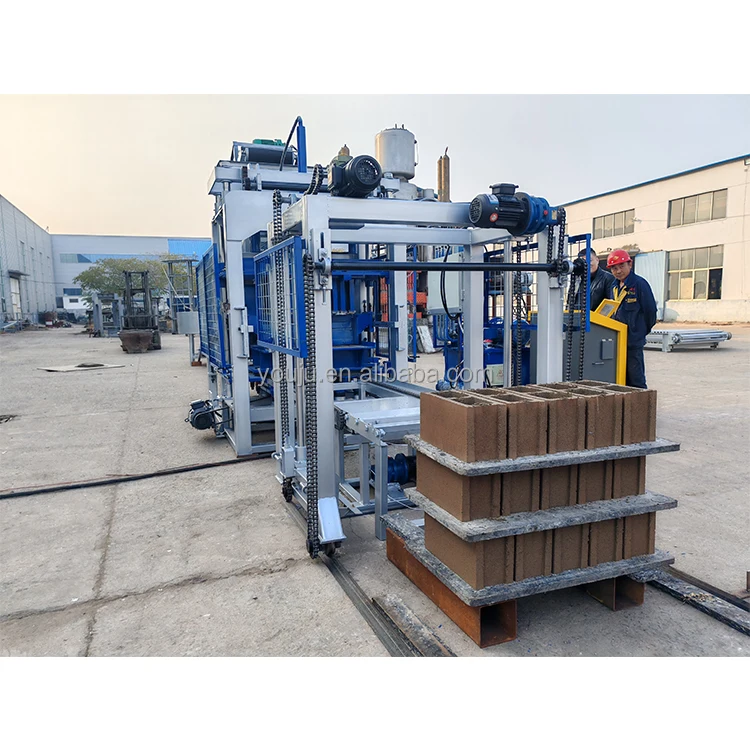
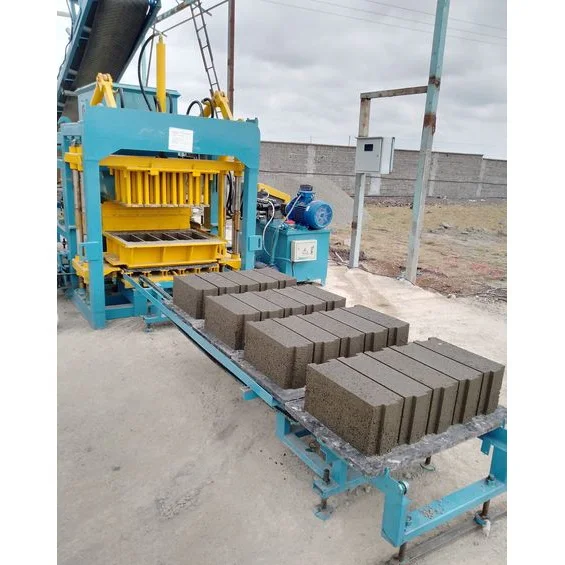
The QT4-15A block making machine in stock arrives as a matched system rather than a press sold in isolation. The pallet feeder, brick conveyor, and block sweeper are included in the dispatch, meaning the line can begin producing blocks as soon as installation completes without waiting for separately sourced auxiliary equipment. The JQ350 mixer ships alongside the press, configured for the same raw material profile — crushed stone, sand, cement, fly ash, and stone dust — that the moulds are designed to handle. This eliminates the gap between a machine arriving and a production line actually running.
Container Loading and Dispatch Timeline
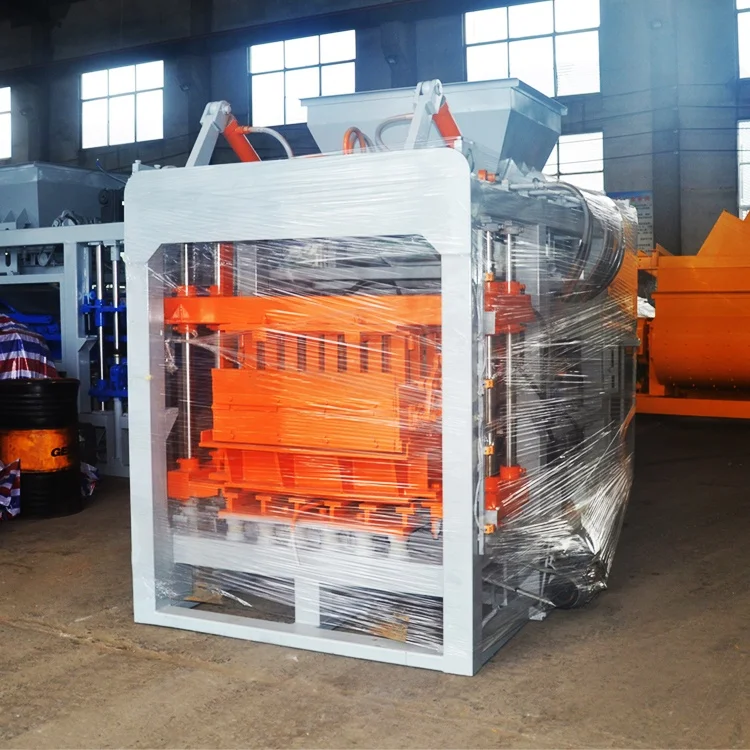
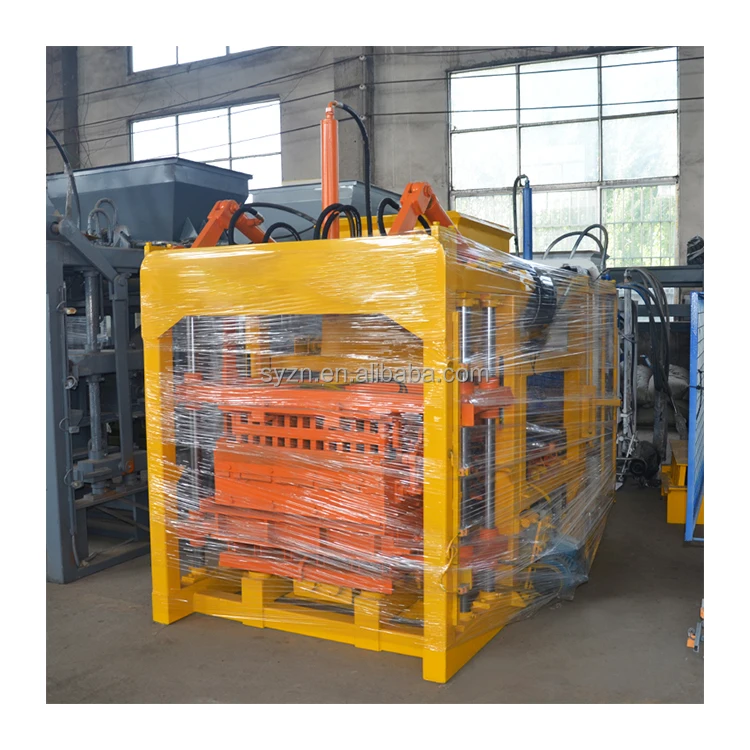
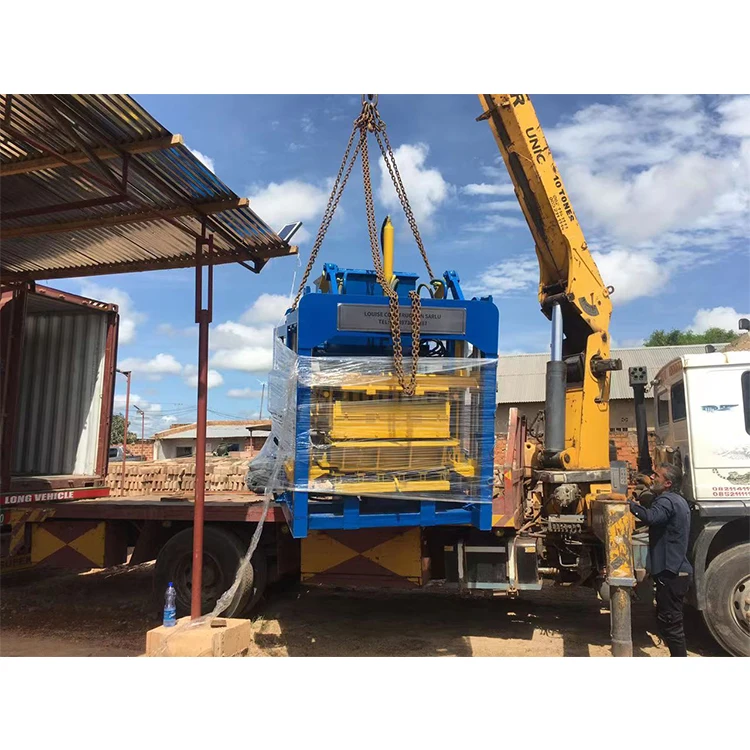
The machine dismantles for container shipment in a configuration that fits standard transport without requiring oversize cargo arrangements. The 7100×1600×2610 mm frame breaks down into components that load into standard shipping containers, and packing photographs are captured before the doors close so buyers can verify condition at origin [NEED_CITE: container loading standards for industrial block machinery]. Dispatch lead time is quoted at inquiry stage based on current stock position, not estimated from a production schedule. For contractors whose construction phases have already started and who cannot absorb a build-to-order timeline, this stock-to-ship pathway compresses the gap between order placement and first block production.
How Vibration Force and Hydraulic Pressure Shape Block Density
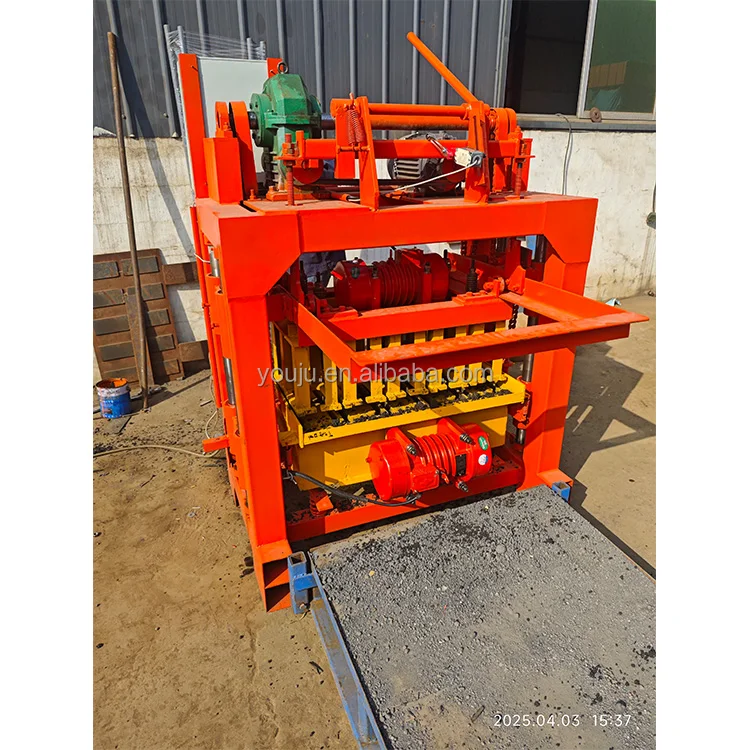
The 40-50 KN vibration force working at 4600 r/min combines with the high-pressure hydraulic station to compact raw material into the mould cavity. Vibration alone settles the mix; hydraulic pressure locks it into shape before the mould lifts. If either force is mismatched to the buyer’s specific aggregate size and cement ratio, blocks emerge with inconsistent density — strong enough on one side, crumbling on the other. The 15-25 second molding cycle reflects the time needed for this dual compaction to complete across the 850×550 mm pallet area. Buyers sourcing high proportions of fly ash or fine stone dust will find the cycle sits toward the longer end of that range, while clean crushed stone mixes compact faster. The PLC control system manages this cycle timing so operators do not need to judge readiness by eye.
The Cost of Skipping Pallet and Forklift Compatibility Checks
A pallet size chosen without checking the buyer’s existing curing area dimensions creates a bottleneck that has nothing to do with the machine itself. The 850×550×25 mm pallet works efficiently when the curing racks and forklift tines at the destination site match that footprint. When they do not, blocks must be re-stacked manually after production, negating the throughput advantage of the semi-automatic line entirely [NEED_CITE: pallet handling logistics in block production facilities]. This is not a machine fault — it is a specification oversight that surfaces only after commissioning, when changing pallets means reconfiguring the entire curing infrastructure.
Why Buyers Source This Machine From Current Stock
Block machinery remains the single operational focus, which means the QT4-15A ships with moulds, pallets, and handling equipment specified as one system rather than assembled from separate suppliers after arrival. Stock machines carry factory test records generated before dispatch, so condition is verified at origin rather than discovered at destination. The configuration is set against the buyer’s actual mix design and target block format at inquiry stage, even for stock units — the machine does not leave until pallet size, voltage, and control language are confirmed for the destination site. Standard moulds for hollow block, solid brick, paver, and curbstone formats ship with the machine, and custom mould requirements are addressed with lead time stated upfront rather than revealed after order placement.
Documentation & Verification
- Factory test record confirming cycle time and block output on your specified format before dispatch
- Voltage and frequency confirmation document matching your site grid specification
- Packing photographs showing machine condition and container loading configuration prior to shipment
- Hydraulic and electrical schematic for your exact QT4-15A configuration
- Operation and maintenance manual with PLC control language set to your requirement
- Customs documentation support for destination country import procedures
Installation, Commissioning & Support
- Foundation requirements calculated from 7100×1600 mm footprint and total machine weight for stable operation
- Dedicated power circuit specified for 18.45 kW total draw with voltage confirmed before dispatch
- Machine arrives dismantled for container transport with reassembly guided by included hydraulic and electrical schematics
- PLC control system commissioned on-site with cycle parameters set to your local aggregate and mix design
- Operator training covers mould change procedure across hollow block, solid brick, paver, and curbstone formats
- Wear parts list and spare parts kit included free with initial dispatch for first replacement cycle
What We Need To Quote Your Dispatch Date
To provide a firm stock position and arrival estimate, share your target block format and the daily volume your project requires. Confirm your site voltage and frequency so the nameplate can be verified before the machine is crated. Let us know your local aggregate type — crushed stone, fly ash, sand proportions — so the mixer and mould configuration can be validated against your actual raw material before dispatch.
Frequently Asked Questions
Q: Is the QT4-15A currently in stock and what is the dispatch lead time?
A: Stock position for the QT4-15A block making machine is confirmed at inquiry with the exact dispatch lead time quoted upfront. Standard moulds for hollow block, solid brick, paver, and curbstone formats ship with the machine from inventory. Custom mould requirements may extend lead time, which is stated before order placement so your project schedule remains intact.
Q: How is the machine packed for container shipment and what arrives assembled?
A: The QT4-15A dismantles into components that load into standard shipping containers without requiring oversize cargo arrangements. Packing photographs are provided before the container doors close. The hydraulic station, PLC control panel, and included line equipment — pallet feeder, brick conveyor, block sweeper — arrive as part of the same shipment for reassembly at your site.
Q: Can standard moulds ship with the machine or do custom moulds add lead time?
A: Standard moulds for common block formats ship from stock alongside the machine with no additional wait. Custom mould designs built to buyer drawings require a separate production window, and that lead time is quoted at inquiry stage so you can decide whether to proceed with standard formats immediately or wait for custom tooling.
Q: What voltage and frequency options are available from stock units?
A: Voltage and frequency are confirmed against your site grid specification before any stock machine is dispatched. The nameplate is verified at order stage to match your local power supply, preventing the situation where a machine arrives and sits idle while transformers are sourced locally. This confirmation happens before crating, not after arrival.
Q: How do I confirm arrival timing for my destination port before ordering?
A: Arrival estimates are provided at inquiry stage based on current stock position and your destination port. Container loading plans are prepared upfront so you can verify the shipping configuration. Factory test records and packing photographs are supplied before dispatch so machine condition is documented at origin.