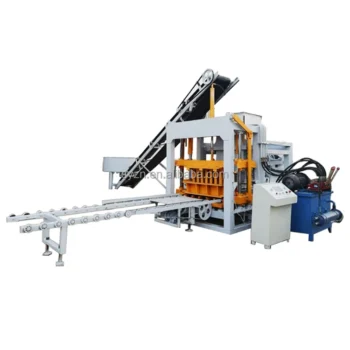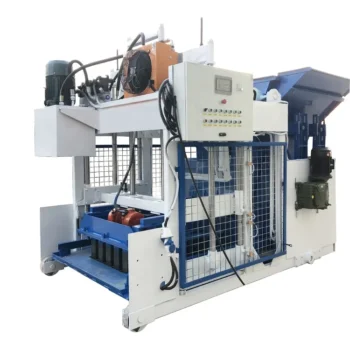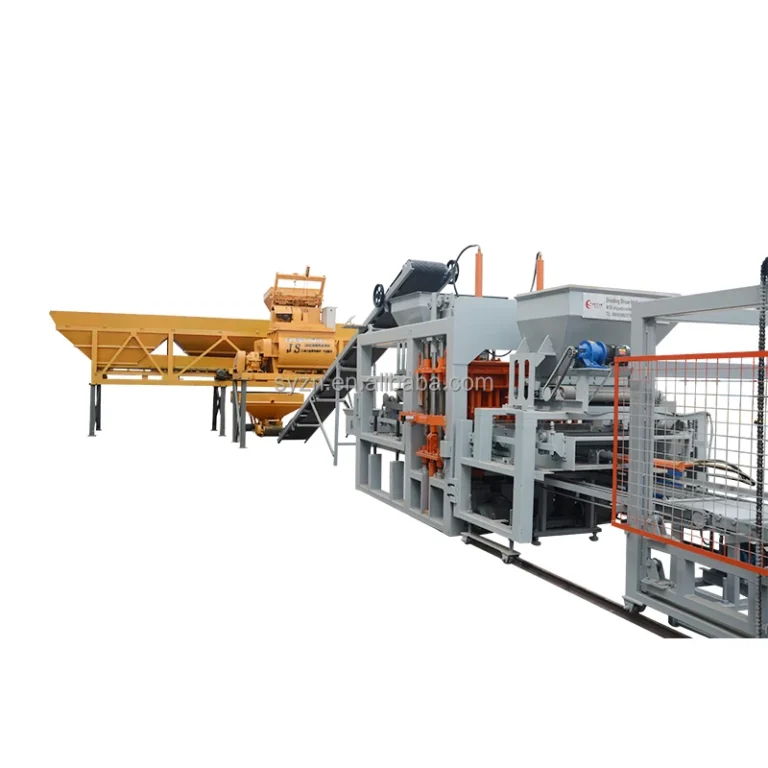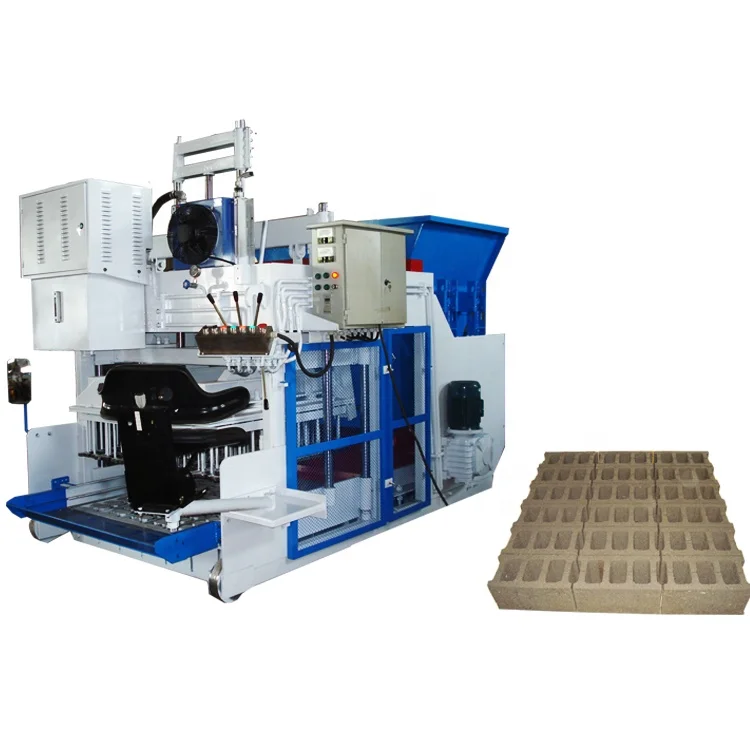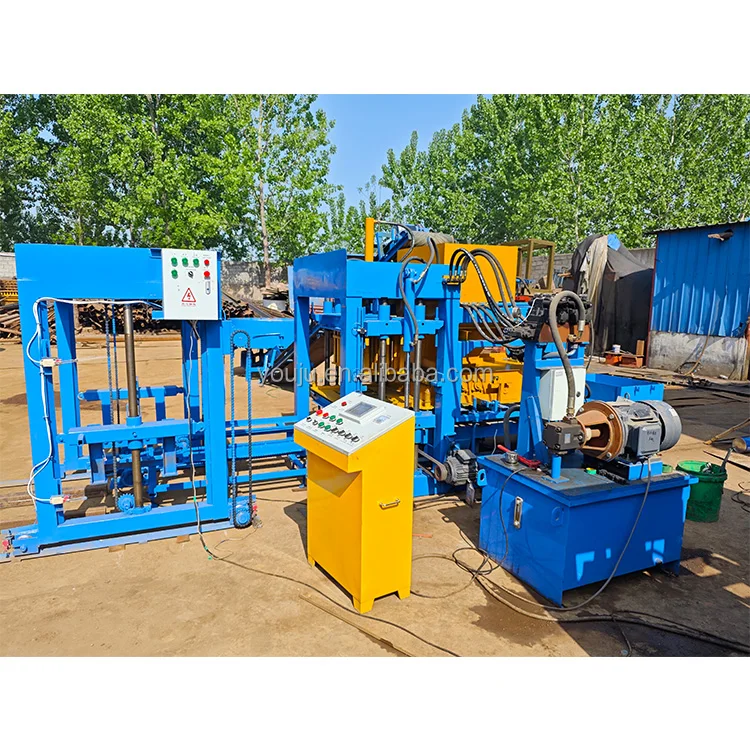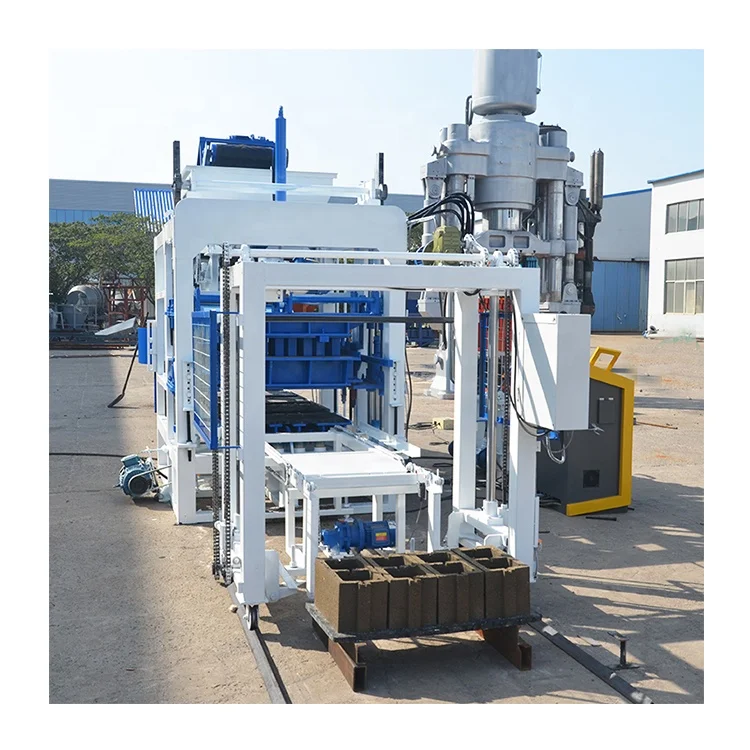
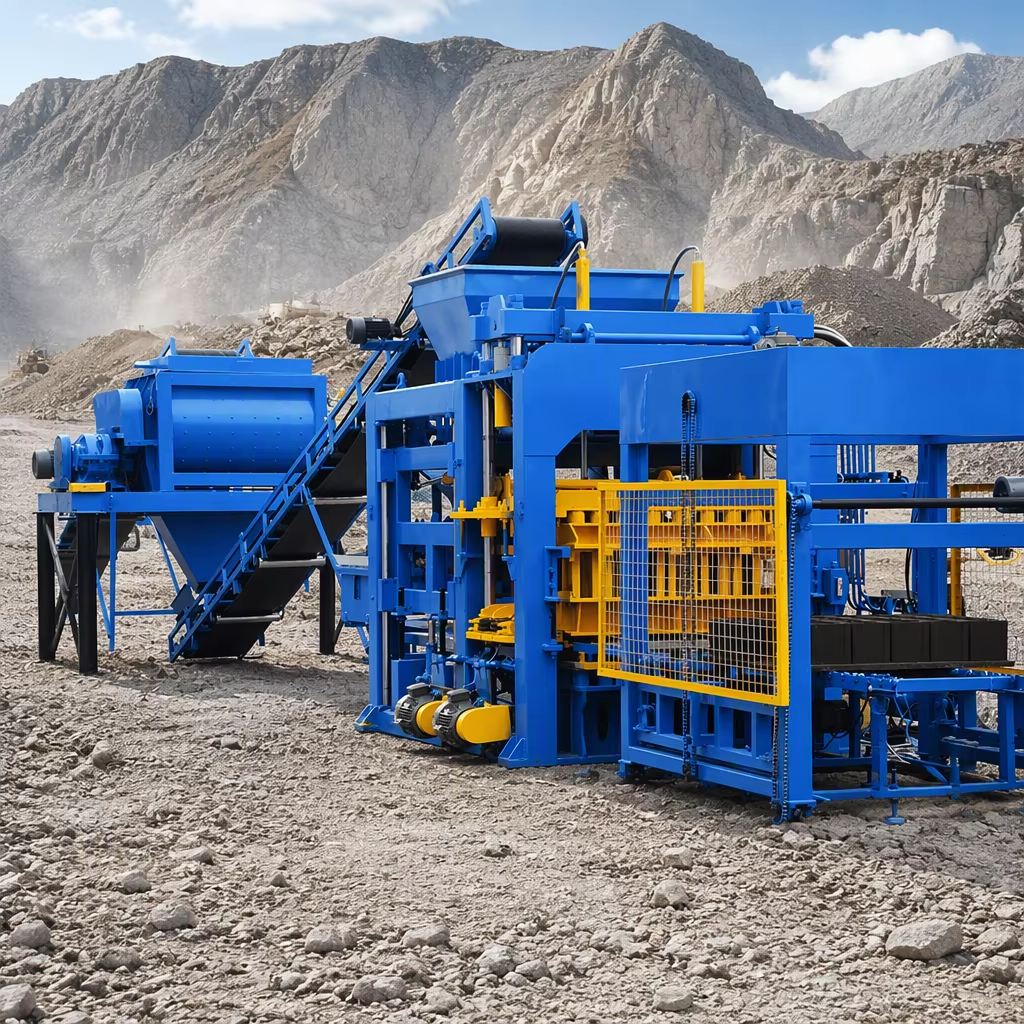
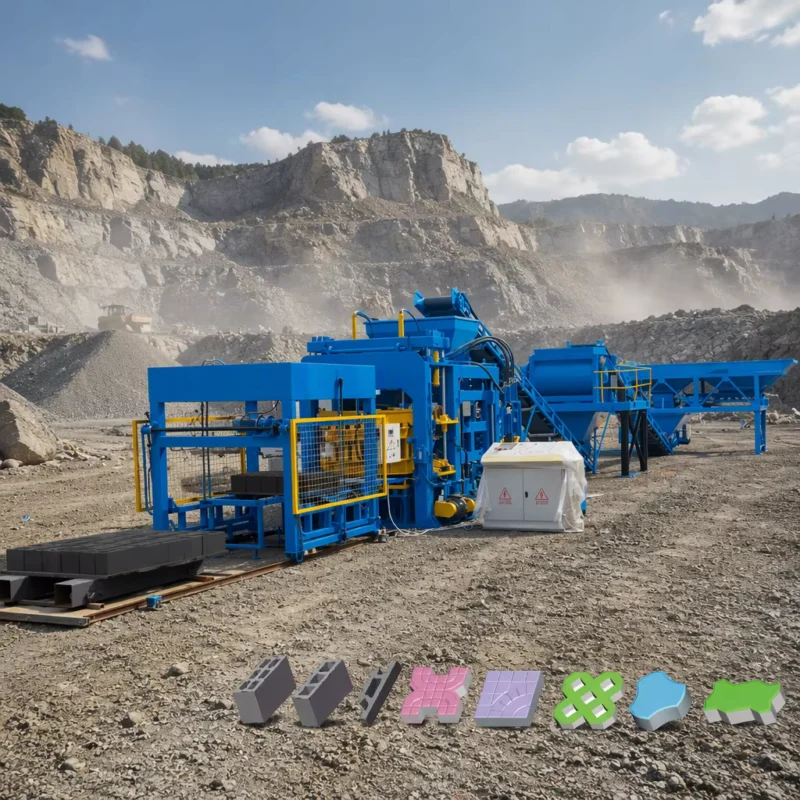

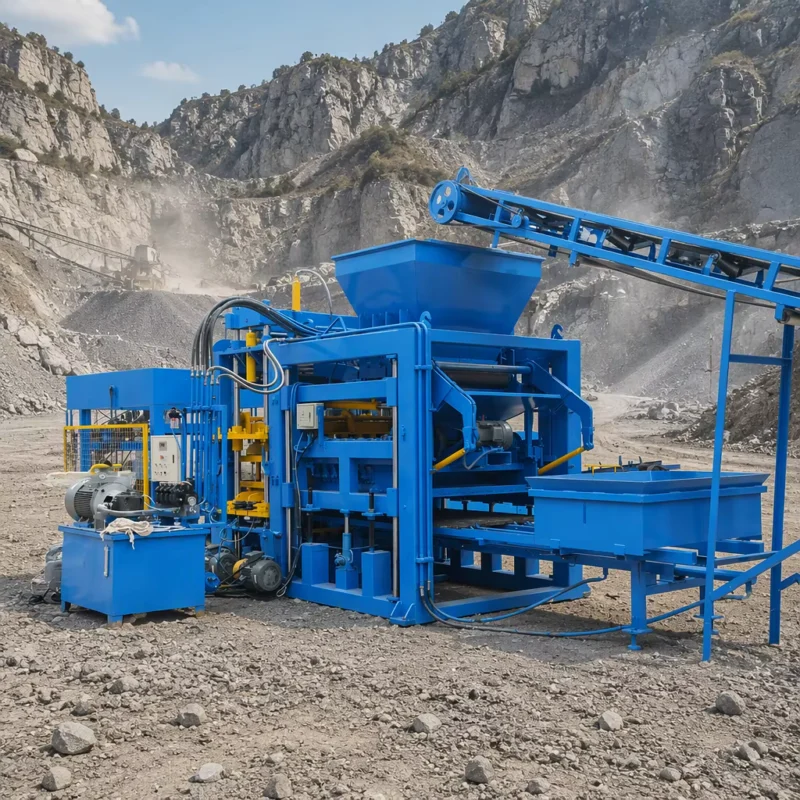
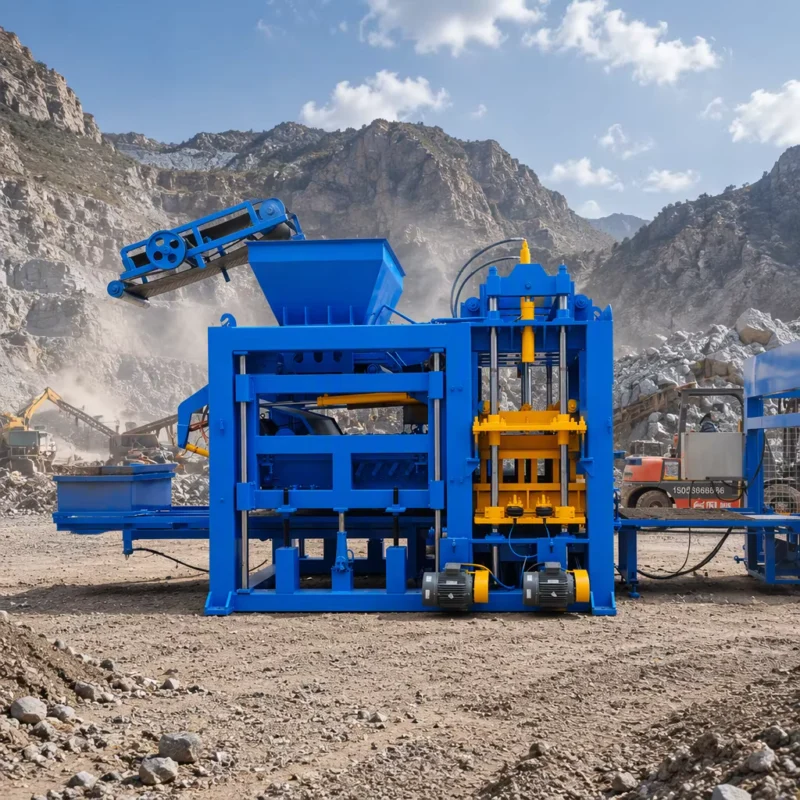

Description
Dispatch-Ready Configuration — Standard electrical setups and pre-assembled core modules allow the QT12-15 to clear the factory floor and enter transit without waiting for custom component sourcing.
Technical Specifications
| Parameter | Value |
|---|---|
| Model | QT12-15 |
| Product Type | Fully Automatic Hydraulic Block Making Machine |
| Voltage Options | 380 V, 220 V |
| Overall Dimensions (L×W×H) | 7500 × 2350 × 3550 mm |
| Control System | PLC |
| Pallet Size | 1300 × 900 × 29 mm |
| Standard Mould Formats | 400×100×200 mm, 400×120×200 mm, 400×150×200 mm, 400×200×200 mm |
| Output per Mould | 12 Pcs (based on 400×200×200 mm block format) |
| Forming Method | Hydraulic pressure |
| Color Options | Blue, Black, Green, Yellow, White |
| Worker Requirement | 5-6 |
| Warranty | 1 Year |
| Core Components | PLC, Pressure Vessel, Engine, Gear, Motor, Pump, Bearing |
| Standards | CE, ISO9001 |
Application Suitability
| Application Scenario | Material or Output Focus |
|---|---|
| High-volume housing development projects | Hollow bricks from concrete and fly ash |
| Municipal road and infrastructure paving | Paving bricks and curb stones from crushed stone |
| Commercial building perimeter and landscaping | Interlock blocks from cement and sand |
Why the Voltage Question Must Precede the Dispatch Date
Securing a QT12-15 block machine in stock means nothing if the local grid cannot support its startup sequence.
I once oversaw a shipment to Ghana where the local site voltage was not properly verified against the machine’s main drive requirements. The fully automatic line sat idle for three weeks waiting for transformer modifications while the project deadline slipped away. Now, I cross-check electrical schematics against the buyer’s site conditions before authorizing any container loading [NEED_CITE: voltage and frequency standards by export market]. Rushing a dispatch without confirming whether the site runs on 380 V or 220 V turns a fast delivery into a prolonged site headache.
Container Loading and Dismantling Strategy
Getting a QT12-15 block machine in stock onto a vessel requires precise spatial planning. The main frame and hydraulic stations are systematically dismantled into modular sections that align with standard shipping container dimensions. This pre-planned breakdown ensures the 7500 × 2350 × 3550 mm footprint is distributed efficiently across flat racks and closed boxes, preventing last-minute loading delays at the port.
Upfront Arrival Estimates and Transit Planning
Buyers working against strict construction milestones need exact transit timelines, not vague shipping windows. By confirming the dispatch lead time and container booking status before the order is finalized, we provide a reliable arrival estimate. This allows site managers to schedule foundation pouring and raw material stockpiling to coincide exactly with the equipment’s arrival.
Pallet and Mould Availability for Immediate Dispatch
A press without its corresponding pallets and moulds cannot produce a single unit upon arrival. Standard pallet sizes of 1300 × 900 × 29 mm and common mould formats, yielding 12 pieces per cycle for 400 × 200 × 200 mm blocks, are kept in inventory. This ensures the complete forming assembly is loaded into the same shipment, eliminating the wait for secondary manufacturing runs [NEED_CITE: standard shipping container dimensions for heavy machinery].
The Hidden Cost of Incomplete Shipments
When ancillary components like specialized pallets or specific hydraulic wear parts are omitted from the initial container to save space, the entire commissioning schedule halts. The machine arrives, but production cannot start until the missing pieces clear customs weeks later. Consolidating all critical operational components into the primary shipment prevents these costly site standstills and keeps the project timeline intact [NEED_CITE: impact of delayed machinery commissioning on construction penalties].
Why Procure This Unit Through Our Dispatch Network
- Single-Focus Inventory: Block machinery is our exclusive focus, meaning the press, pallets, and handling components are stocked as a matched system ready for simultaneous loading.
- Pre-Verified Electrical Configurations: Standard 380 V and 220 V setups are maintained in inventory, preventing the commissioning delays I previously encountered on international sites.
- Documented Factory Testing: Every unit undergoes a full operational test before dismantling, with records provided to verify its ready-to-ship condition.
- Modular Dismantling Protocols: The machine is broken down using standardized procedures that maximize container space and simplify on-site reassembly.
Documentation & Verification
- Factory test record confirming hydraulic pressure and PLC function before dismantling.
- Container loading plan detailing the breakdown of the 7500 mm main frame.
- Customs documentation support aligned with CE and ISO9001 export requirements.
- Packing photographs verifying the secure strapping of the 1300 × 900 mm pallets.
Installation, Commissioning & Support
- Foundation blueprints provided to match the 7500 × 2350 mm footprint before arrival.
- Electrical schematics included to verify site compatibility with 380 V or 220 V supplies.
- Modular reassembly guides supplied to streamline the reconstruction of dismantled hydraulic stations.
- PLC interface language confirmed prior to dispatch to ensure immediate operator comprehension.
- Initial wear parts list provided to sustain continuous operation through the first production months.
Preparing Your Site for Rapid Commissioning
To ensure the fast delivery translates into immediate production, please provide your site’s exact voltage and frequency specifications. We also need to know your available curing area dimensions to confirm the 1300 × 900 mm pallets align with your existing forklift and rack infrastructure, alongside your target block format to verify mould inventory.
Frequently Asked Questions
Q: What is the current dispatch lead time for the QT12-15?
A: Dispatch lead times depend on current inventory levels and your destination port. Because we maintain core modules and standard moulds in our warehouse, we can typically bypass extended manufacturing cycles. We provide a confirmed departure date and an upfront arrival estimate before you finalize the order, allowing you to plan your site preparation accurately.
Q: How is the machine dismantled for container loading?
A: The 7500 × 2350 × 3550 mm frame and hydraulic stations are broken down into modular sections designed to fit standard shipping containers and flat racks. This systematic dismantling prevents loading delays at the port and ensures all heavy components are securely strapped for ocean transit, making on-site reassembly straightforward for your technical team.
Q: Are standard moulds and pallets included in the immediate shipment?
A: Yes, standard inventory includes the 1300 × 900 × 29 mm pallets and common mould formats, such as the setup producing 12 pieces per mould for 400 × 200 × 200 mm blocks. These are loaded into the same container as the main press, ensuring you have the complete forming assembly ready for production the moment the equipment is reassembled.
Q: What customs documentation is provided to prevent border delays?
A: We supply comprehensive customs documentation support, including detailed packing lists, commercial invoices, and CE and ISO9001 compliance declarations. We also provide packing photographs and factory test records. This complete paperwork package ensures smooth clearance at your destination port, preventing administrative hold-ups that could disrupt your project deadline.