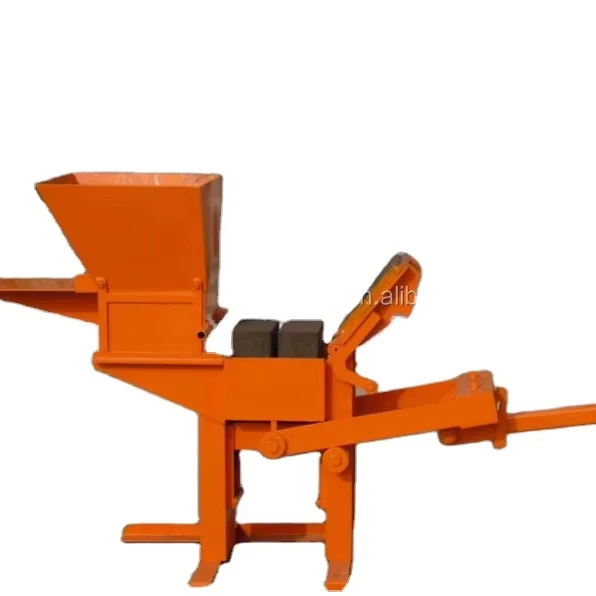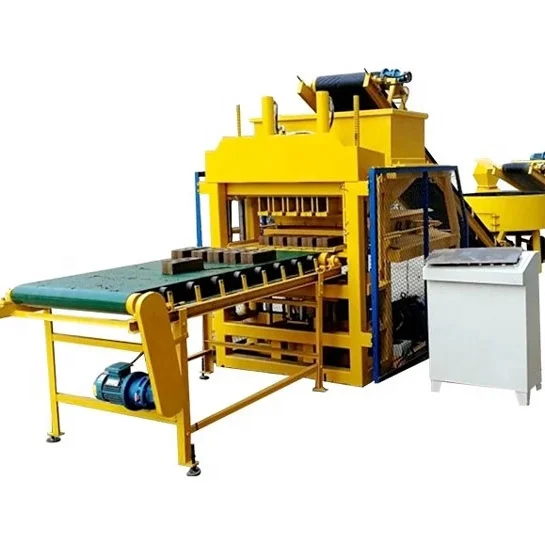
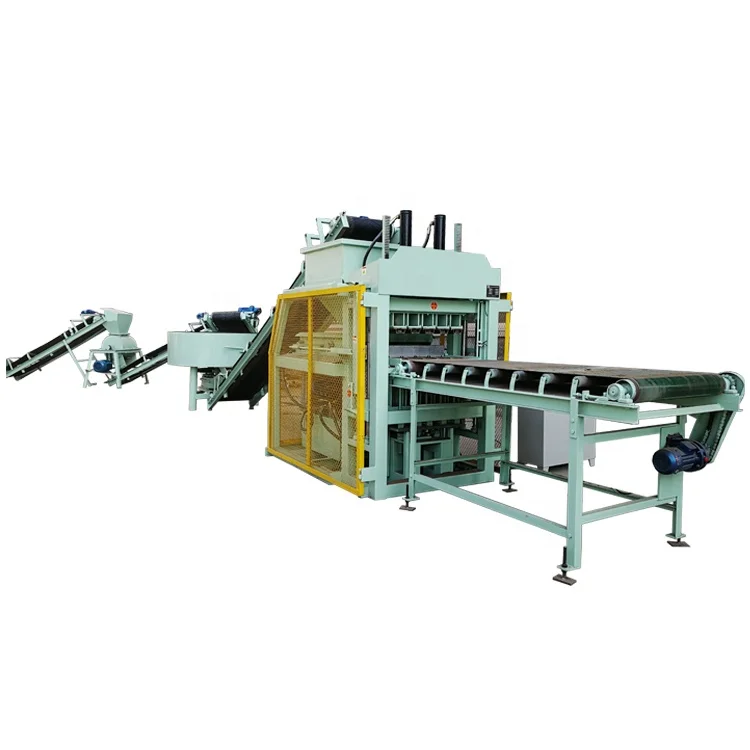
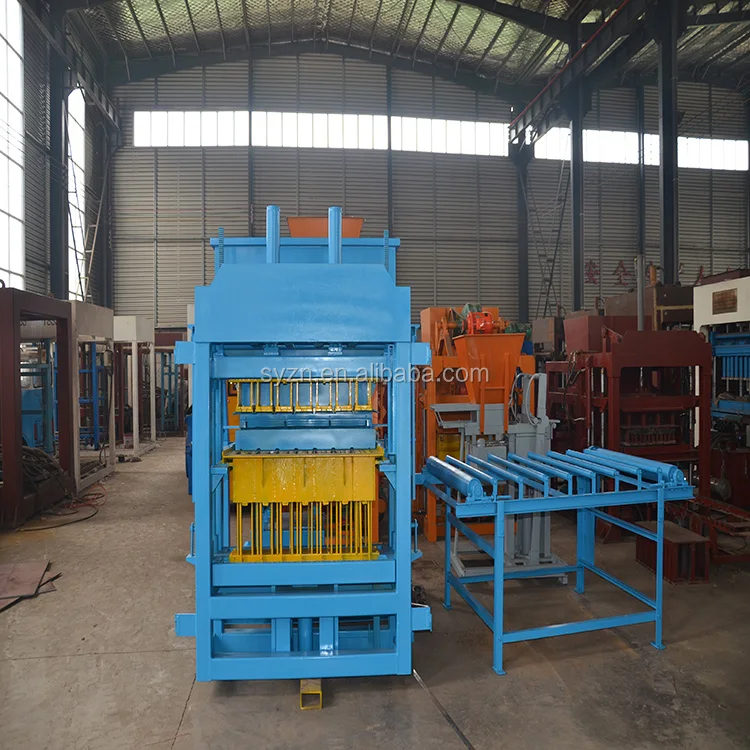
Description
Stocked and ready to ship — the LY5-10 interlocking clay brick machine is held in inventory with standard moulds, so dispatch timing depends on container booking, not production backlog.
Technical Specifications
| Parameter | Value |
|---|---|
| Model | LY5-10 |
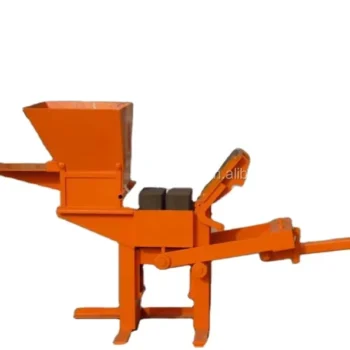
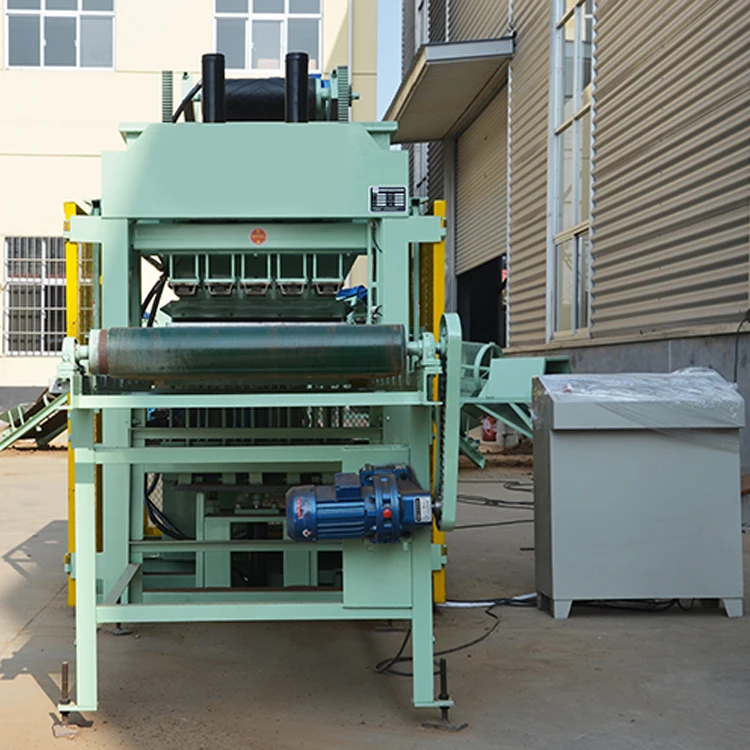
| Product Type | Automatic Interlocking Clay Brick Making Machine |
| Control System | PLC |
| Overall Dimensions (L×W×H) | 2260 × 1500 × 2380 mm |
| Net Weight | 2200 kg |
| Rated Power | 15 kW |
| Molding Cycle | 10 s |
| Output Capacity | 14400 pcs/day (basis not stated in source — confirm block format / material / thickness) |
| Raw Material | Clay, soil, cement or other construction dregs |
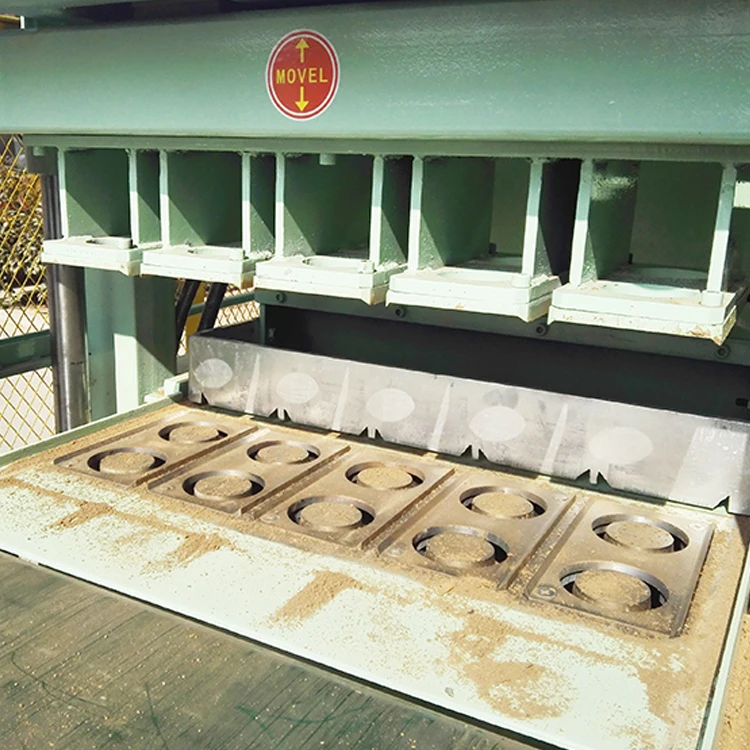
| Mould Format | Interlocking brick (brick height adjustable by screws) |
| Hydraulic System | Hydraulic pressure |
| Automation Level | Automatic (PLC controlled, single-operator) |
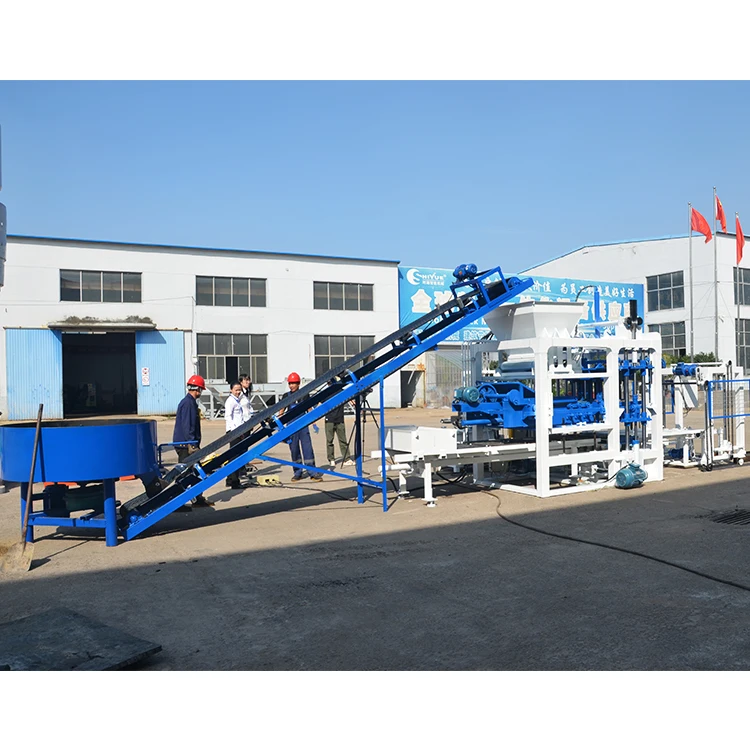
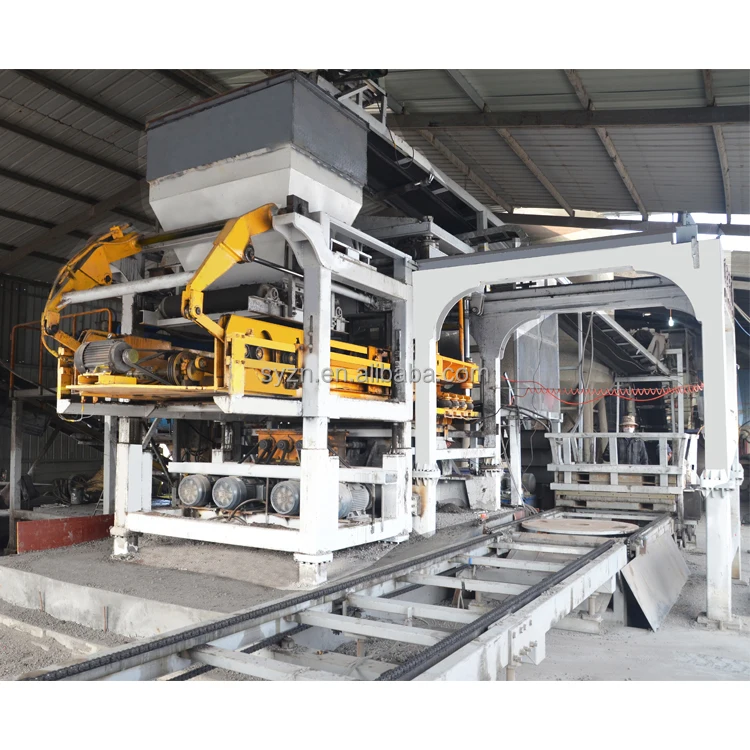
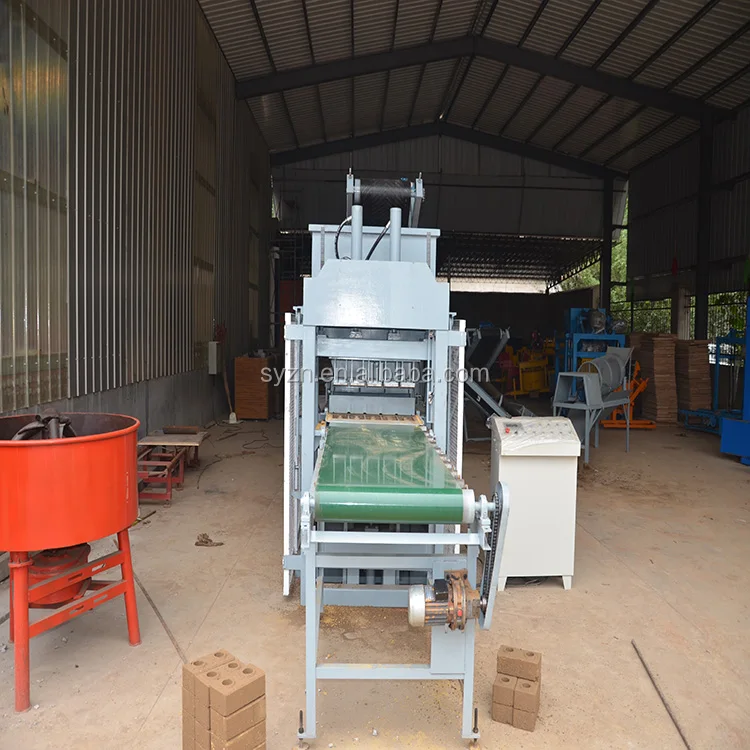
| Related Equipment | JQ500 Concrete Mixer, 6M Conveyor Belt, Soil Crusher, Soil Screening Machine, 4m Belt Conveyor, Output Conveyor |
Application Suitability
| Application | Material or Output |
|---|---|
| On-site housing project brick production | Locally sourced clay or soil mixed with cement |
| Rapid capacity expansion for existing brick plants | Interlocking clay bricks from regional soil blends |
| First-time plant setup for construction contractors | Standard and custom interlocking formats using available earth materials |
| Development project brick manufacturing | Soil-cement mixtures for load-bearing and non-load-bearing interlocking walls |
Why "In Stock" Matters When Your Project Clock Is Ticking
Lead times that stretch after the order is placed can derail an entire construction schedule — the LY5-10 interlocking clay brick machine in stock means the bottleneck shifts from manufacturing to logistics, which is far easier to manage.
I have watched project contractors miss foundation deadlines because a brick machine was still sitting on a factory floor waiting for a component that was never ordered in the first place. When the LY5-10 interlocking clay brick machine in stock is allocated to your order, the conversation moves straight to container loading and vessel booking. That alone removes a variable that causes real friction between site managers and procurement teams [NEED_CITE: typical procurement lead time risks in construction equipment].
Dispatch Timeline and What It Actually Covers
Holding the LY5-10 interlocking clay brick machine in stock means the machine, its standard interlocking mould, and the matched supporting equipment — the JQ500 mixer, soil crusher, screening machine, and conveyor set — are assembled, tested, and staged for dismantling and loading. The dispatch window therefore covers final inspection, packing, and transport to the port of shipment rather than a build cycle.
Container Loading and Machine Dismantling for Transit
The LY5-10 weighs 2200 kg with overall dimensions of 2260 × 1500 × 2380 mm. Whether the machine travels upright or dismantled depends on container type and the shipping line’s weight distribution rules. The supporting line — mixer, crusher, screener, conveyors — is packed separately and occupies the remaining container volume. Buyers working to a project deadline need the packing plan confirmed before the booking is made, not after [NEED_CITE: container loading standards for heavy industrial machinery].
How Voltage and Frequency Confirmation Affects Dispatch Speed
The rated power is 15 kW, but the voltage and frequency must match the destination site before the machine leaves the factory. A 50 Hz machine sent to a 60 Hz market will run the hydraulic pump and PLC at the wrong speed, causing mould cycle drift and potential motor damage. Confirming this detail during the inquiry — not after packing — keeps the LY5-10 interlocking clay brick machine in stock moving on schedule.
Reading the Specs That Actually Shape Your Output
The 10-second molding cycle is the press stroke time, not the total cycle including material feeding and pallet movement; actual throughput depends on how the upstream mixer and conveyor feed the press without gaps. The PLC control enables single-operator running, but the operator still manages raw material batching and cured brick removal unless additional handling equipment is added to the line.
The hydraulic system provides the compaction force that, together with the soil-cement mix ratio, determines brick density and interlocking fit. Brick height is adjustable via screws on the mould, which gives some format range without a full mould swap. However, switching to a completely different interlocking profile requires a separate mould, and the change time should be confirmed before the order is placed so buyers know how much of a shift that swap consumes.
The related equipment list — JQ500 mixer, soil crusher, screening machine, and conveyors — means the entire raw material preparation chain ships together. This matters because a crusher undersized for the local clay’s moisture content will starve the mixer, and a mixer that cannot keep pace with the 10-second press cycle will leave the LY5-10 waiting idle between strokes.
What Happens When Stock and Specification Do Not Align
Buying a stocked machine without confirming the voltage, PLC display language, or mould format for the local market means the machine arrives and sits while parts are air-freighted or settings are guessed. I have seen a hydraulic interlocking brick press sit for two weeks on a site in West Africa because the soil had a sand content the standard test run never accounted for — the mould pressure and cycle worked fine with red clay, but the buyer’s local earth crumbled on demoulding. Sending a soil sample before dispatch lets us adjust hydraulic pressure and cycle parameters to the actual material [NEED_CITE: soil composition variability and its effect on compressed earth block strength].
Why Sourcing From a Stock-Oriented Supplier Changes the Conversation
The LY5-10 and its full supporting line are specified as one matched set rather than assembled from separate vendors, so the mixer output, conveyor speed, and press cycle are balanced before packing. Dispatch lead time is quoted at the inquiry stage alongside the machine price, not revealed weeks after the deposit is paid.
Moulds for standard interlocking formats are stocked alongside the machine, and custom mould designs can be produced to buyer drawings when the local market demands a profile outside the standard range. Container loading plans — including whether the 2260 × 1500 × 2380 mm press travels upright or dismantled — are confirmed before the shipping booking so there are no surprises at the port. Factory test records, packing photographs, and customs documentation are provided as part of the dispatch package, giving the buyer and their freight forwarder everything needed before the container is sealed.
Documentation & Verification
- Factory test record run on your soil sample before the LY5-10 is dismantled for packing
- Packing photographs showing machine securing and container load plan before the doors close
- Voltage, frequency, and PLC display language written confirmation matched to your destination market
- Mould drawing and interlocking format list confirming brick dimensions and height adjustment range
- Customs and shipping documentation package prepared for your freight forwarder at dispatch
Installation, Commissioning & Support
- Foundation pad sized for the 2260 × 1500 mm footprint with anchor bolt template provided before arrival
- 15 kW power supply with dedicated circuit and correct voltage confirmed before the LY5-10 is wired on site
- Machine reassembly from transit dismantling supervised, with hydraulic lines pressure-tested before first run
- PLC parameters set to your soil-cement mix during commissioning, with cycle adjustments documented
- Operator training covering mould height adjustment, daily hydraulic checks, and conveyor alignment
- Wear parts list and first replacement set shipped with the container to cover the initial production period
What We Need From You to Quote a Dispatch Date
To confirm whether the LY5-10 interlocking clay brick machine in stock can meet your project deadline, share your destination port, required voltage and frequency, and the interlocking brick format your market sells. If you can send a soil sample from your site, we will run a press test and adjust the hydraulic parameters before the machine is packed.
Frequently Asked Questions
Q: Which LY5-10 machines and interlocking moulds are currently in stock?
A: The LY5-10 press with its standard interlocking mould is held in stock along with the full supporting line — JQ500 mixer, soil crusher, screening machine, and conveyors. Custom mould profiles require a separate lead time. Confirm your required brick format at inquiry so we can check whether the standard mould covers your market or a custom tooling run is needed before dispatch.
Q: How many days from order to container loading?
A: Once voltage, frequency, PLC language, and mould format are confirmed, the stocked LY5-10 moves through final inspection, dismantling, and packing. Container loading follows on the next available slot. The exact number of days depends on how quickly the buyer returns the specification confirmation and whether a soil sample test is requested before packing.
Q: Is the machine shipped assembled or dismantled inside the container?
A: The LY5-10 measures 2260 × 1500 × 2380 mm and weighs 2200 kg. Whether it travels upright or partially dismantled depends on the container type and shipping line requirements. The loading plan is confirmed with the buyer before booking so that reassembly on site is straightforward and the supporting equipment fills the remaining space efficiently.
Q: Can voltage and PLC display language be confirmed before the machine ships?
A: Yes — and this must happen before packing. The 15 kW motor and PLC must match the destination site’s voltage and frequency. The PLC display language is set to the operator’s preference during factory testing. Confirming these details at inquiry stage prevents commissioning delays after the container arrives.
Q: Are spare parts and wear items included in the shipment?
A: A first replacement set of hydraulic wear parts and mould wear components ships with the LY5-10 container. The wear parts list is included in the documentation package so the buyer knows what is covered and when to reorder. This ensures production can continue through the initial operating period without waiting for international freight.