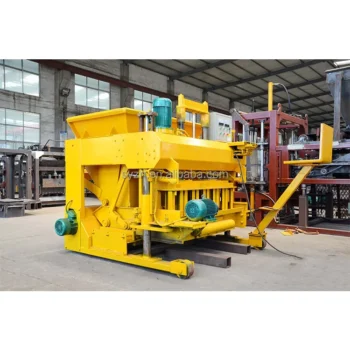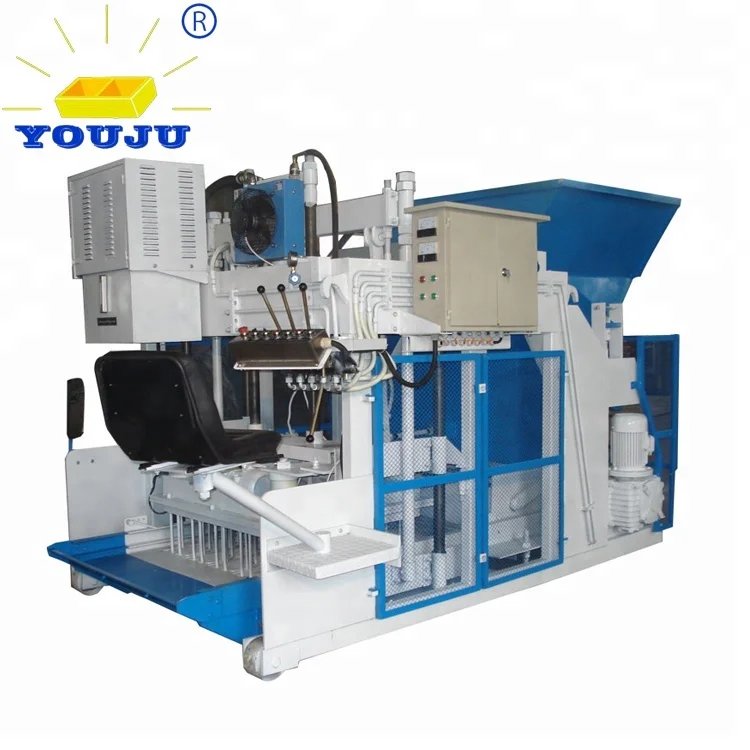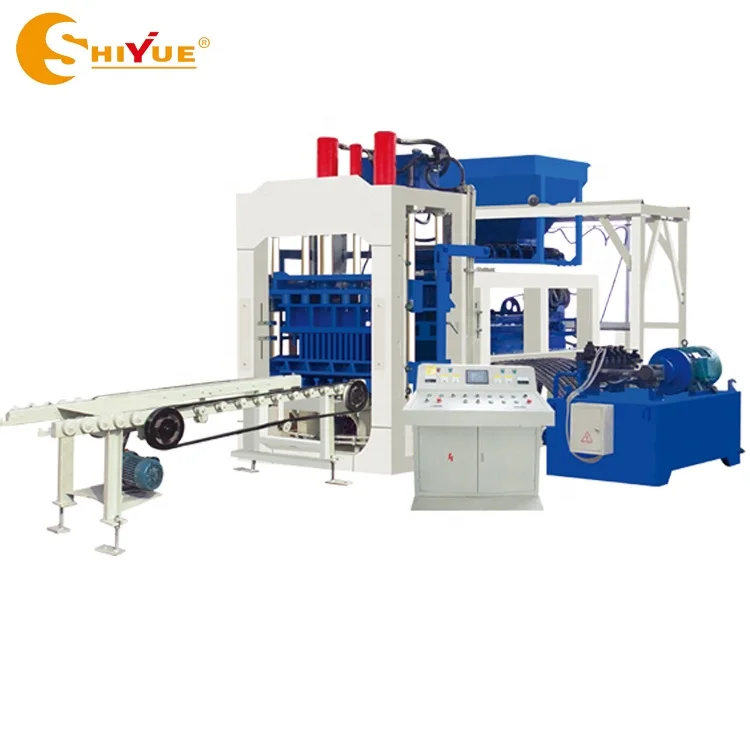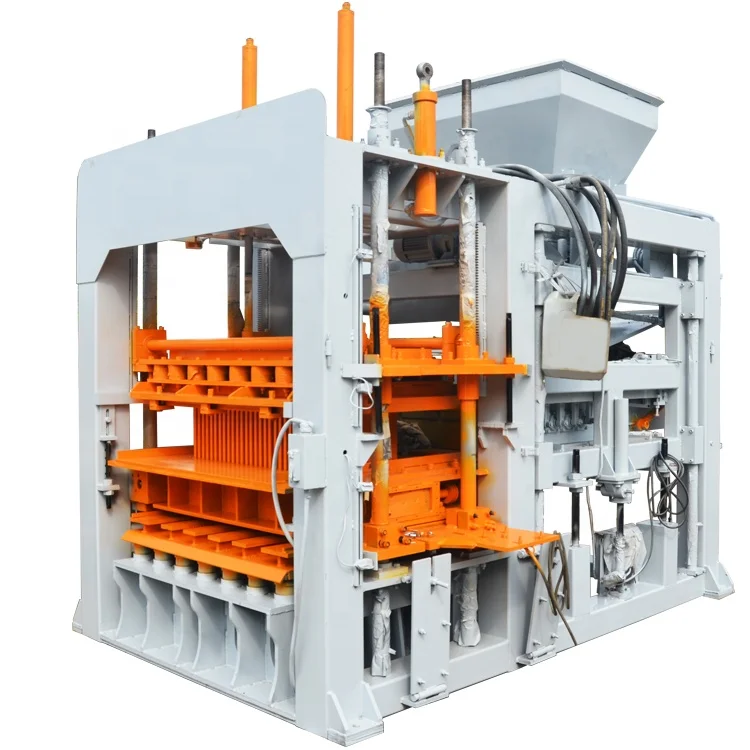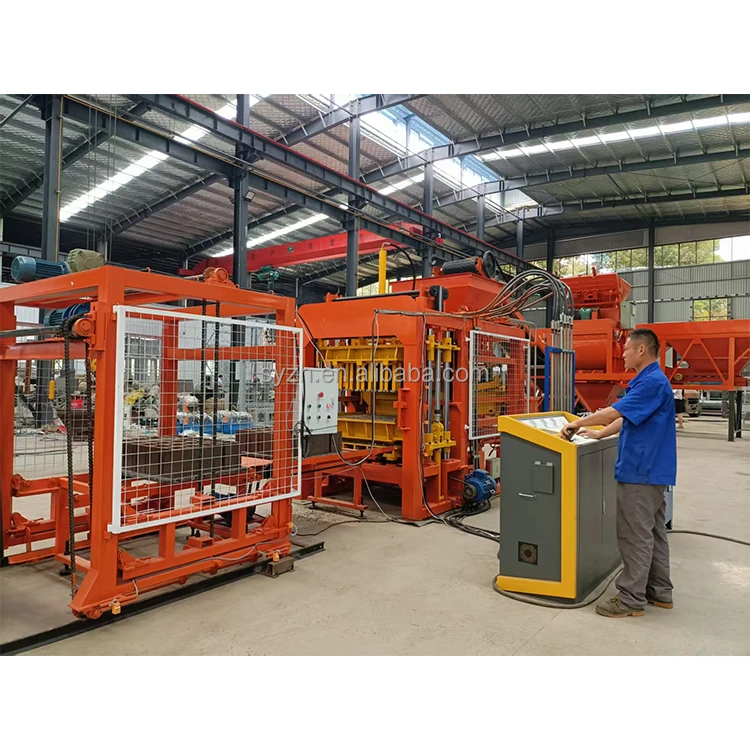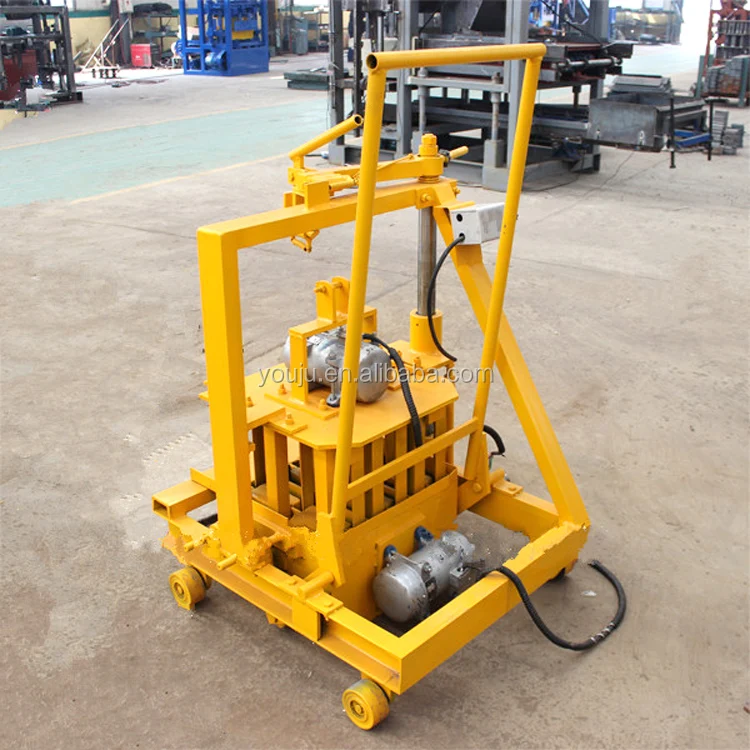
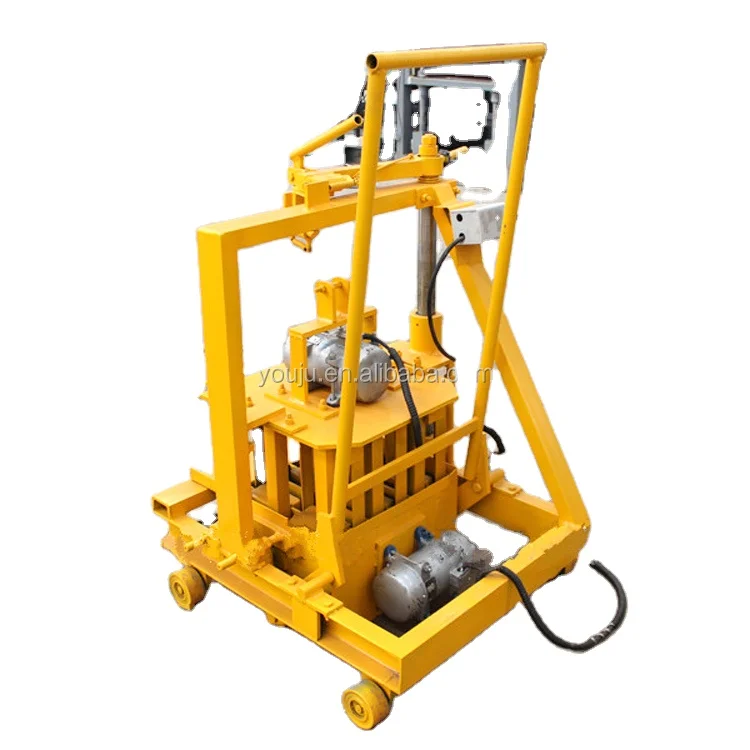
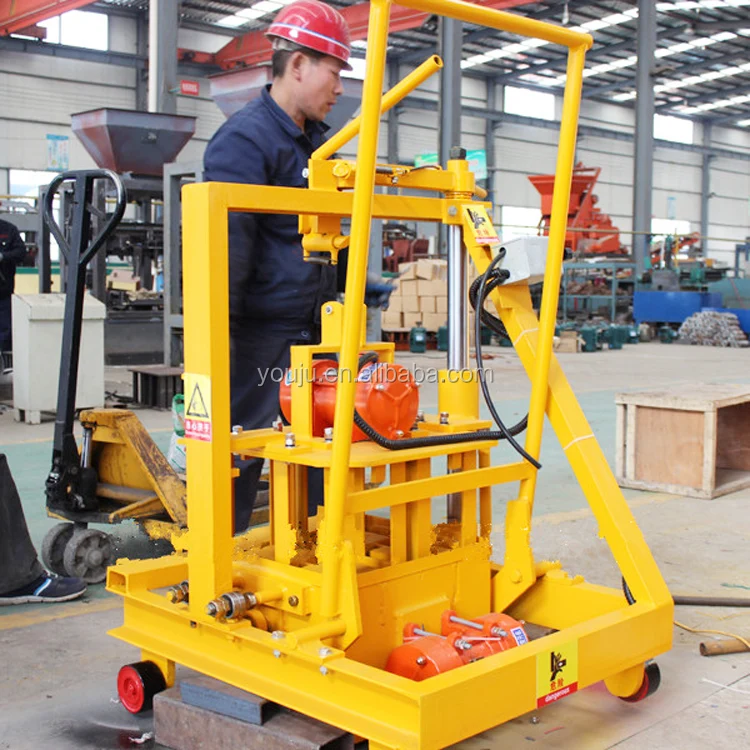
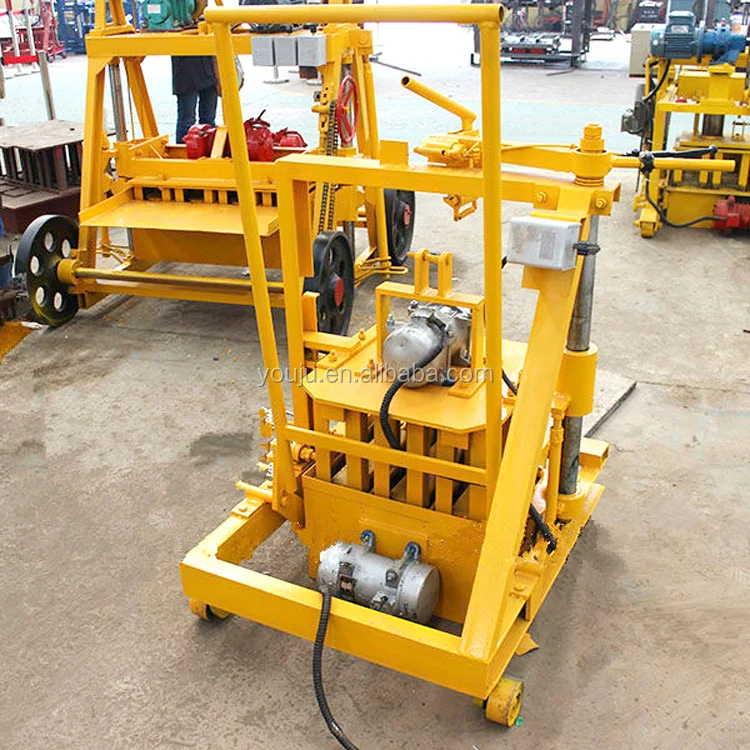
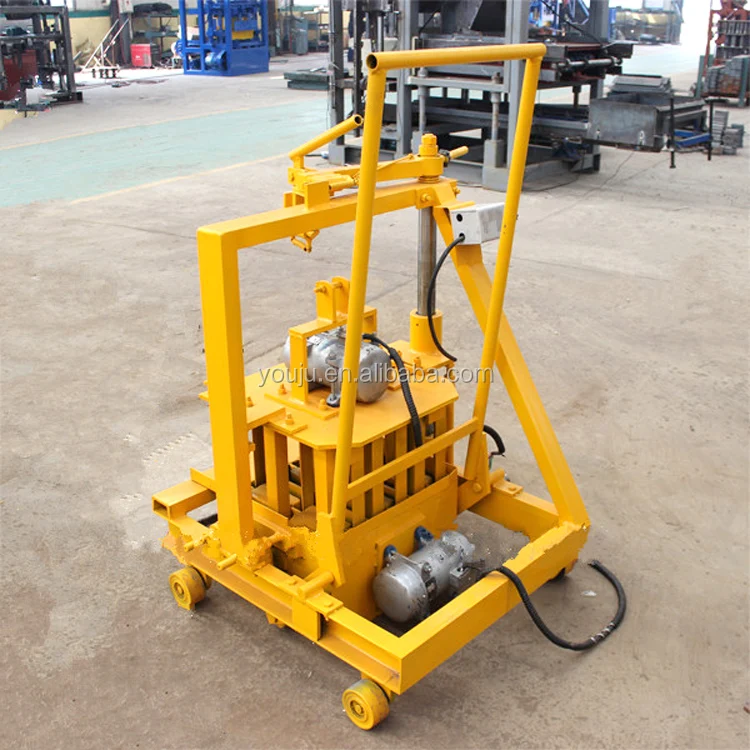
Description
Fast Dispatch Readiness — stocked QMJ2-45 units undergo pre-shipment parameter verification against the buyer’s destination voltage and site conditions before container loading.
Technical Specifications
| Parameter | Value |
|---|---|
| Model | QMJ2-45 |
| Product Type | Mobile Block Making Machine |
| Machine Type | Mobile / egg-laying (no pallets required) |
| Forming Method | Hydraulic static pressure |
| Mould Cycle Time | 25–30 seconds |
| Output Capacity (400×200×200mm hollow block) | 2 pcs/cycle, 160 pcs/hour, 1280 pcs/8hr |
| Output Capacity (400×150×200mm hollow block) | 3 pcs/cycle, 240 pcs/hour, 4800 pcs/8hr (basis not stated in source — confirm block format and material) |
| Output Capacity (400×100×200mm hollow block) | 4 pcs/cycle, 320 pcs/hour, 2560 pcs/8hr |
| Power Source | Electric engine |
| Labor Requirement | 1 to 3 workers |
| Mould Change | Supported — multiple hollow brick formats via mould swap |
| Operating Space | Small space compatible |
| Standards | ISO 9001:2000, CE |
Application Suitability
| Application | Material or Output |
|---|---|
| On-site hollow block production for housing projects | Crushed stone, sand, cement, water |
| Remote infrastructure sites without fixed plant | Local aggregate with cement binder |
| Small-scale block yard start-ups | Standard concrete mix for hollow formats |
| Contractor-owned production at building sites | Site-sourced aggregate, minimal floor space |
Why Voltage Confirmation Must Happen Before Container Loading
Every QMJ2-45 mobile block making machine in stock leaves our Linyi yard only after its motor winding and control panel match the destination grid.
I once watched a shipment sit idle for two weeks on a West African job site because the local supply was 415V/50Hz while the motor had been wound for a different configuration. The contractor lost an entire pour cycle while we re-wound the stator locally. That delay cost more than the machine itself [NEED_CITE: voltage and frequency standards by export market]. Since then, every stocked unit is cross-checked against the buyer’s confirmed supply before dispatch authorization.
Stock Position and Dispatch Window
The QMJ2-45 mobile block making machine in stock is held in assembled, factory-tested condition at our Linyi facility. Standard hollow block moulds for 400×200×200mm and 400×100×200mm formats are on the shelf alongside the base unit, meaning no mould production wait holds up the shipment. Once the buyer confirms voltage, frequency, and destination port, the unit moves to dismantling and container staging within a matter of days rather than weeks.
Container Loading and Arrival Transparency
Dismantling arrangement for a 20-foot container is planned before the buyer commits, so the loading sequence and bracing layout are agreed in advance. Packing photographs are taken at each stage — base frame secured, motor and hydraulic pack crated, moulds wrapped and palletized — and shared before the container doors close. An estimated transit time from Qingdao or Lianyungang to the destination port is quoted alongside the dispatch date, removing guesswork from the project schedule [NEED_CITE: typical ocean freight transit estimates from Shandong ports].
Reading the Cycle Time and Output Figures
The 25–30 second mould cycle applies across all three hollow block formats, but daily output shifts significantly depending on which block the operator is running. At two pieces per cycle for the 400×200×200mm hollow block, the machine produces 1,280 pieces over an eight-hour shift. Switching to the 400×100×200mm format raises that figure to 2,560 pieces because four units are formed per cycle on the same footprint. The hydraulic static pressure method means no vibration table is needed, which keeps the machine compact and eliminates the need for a fixed foundation. Pallet-free egg-laying operation means blocks cure directly on the ground — no pallet inventory, no pallet return loop, no curing rack investment.
What Happens When Dispatch Details Are Skipped
When a mobile block machine ships without confirmed electrical parameters or a documented loading plan, the consequences surface at the worst possible moment — after the container has arrived and the crew is standing by. Motors that do not match the local grid require on-site rewinding, which introduces insulation risks in humid climates. Missing packing photographs make insurance claims difficult if damage appears during unpacking. Without a dismantling diagram, reassembly stretches from a single day into several, pushing back the first production run [NEED_CITE: CE machinery directive requirements for industrial equipment].
Why Buyers Source This Model Through Our Dispatch Desk
Block machinery is our single focus, so the QMJ2-45 is specified with its moulds and electrical system as one matched package rather than separate line items from different suppliers. Configuration is set against the buyer’s confirmed site voltage and frequency, not a catalogue default that assumes a single grid standard. Standard moulds for the most common hollow block formats are held in stock, eliminating the typical wait for custom tooling. Dispatch lead time, container loading plan, and arrival estimate are all quoted before the buyer commits — no surprises after the proforma is signed. Factory test records on the actual hollow block format the buyer intends to run are included in the shipping documentation.
Documentation & Verification
- Factory test record on the buyer’s chosen hollow block format before dispatch
- Voltage and frequency confirmation sheet signed against destination grid specification
- Packing photographs at each dismantling and container loading stage
- Machine specification sheet with cycle time stated per block format
- CE declaration and ISO 9001:2000 compliance documentation included
Installation, Commissioning & Support
- Flat-ground operating area with no fixed foundation required for the egg-laying design
- Electric engine connection matched to confirmed site voltage and dedicated circuit breaker rating
- Dismantled into base frame, hydraulic pack, and mould set for container transport and on-site reassembly
- First-cycle commissioning supervised with parameter adjustment to the buyer’s local aggregate mix
- Operator training covering mould swap procedure and daily maintenance checkpoints
- Wear parts list with reorder references for hydraulic seals and mould liners
Before You Request a Quote
To move from stock availability to a firm dispatch date, share your target hollow block format and daily output requirement, the confirmed voltage and frequency at your project site, and the destination port for transit estimation. If your site uses a generator rather than grid power, note the generator rating so we can verify motor starting current compatibility.
Frequently Asked Questions
Q: Is the QMJ2-45 currently in stock, and what is the realistic dispatch window?
A: The base unit and standard hollow block moulds are held at our Linyi facility in tested condition. Once the buyer confirms destination voltage, frequency, and port, dismantling and container staging begin promptly. The dispatch window is quoted before commitment and depends on the confirmed configuration and container slot availability.
Q: Which hollow block moulds ship standard, and are other formats available from stock?
A: The 400×200×200mm and 400×100×200mm hollow block moulds ship as standard with the stocked unit. The 400×150×200mm format is supported through a mould swap. Availability of additional mould formats from stock is confirmed at the time of inquiry based on current inventory.
Q: What voltage and frequency options are ready to ship without a production wait?
A: Stocked units are held with common industrial motor configurations. Final voltage and frequency are verified against the buyer’s site supply before dispatch authorization. If rewinding or panel adjustment is needed, this is identified and quoted before the machine leaves the yard.
Q: How is the machine dismantled and loaded into a container?
A: The QMJ2-45 is broken down into its base frame, hydraulic and motor pack, and mould set. Each component is secured and braced for ocean transit inside a standard container. Packing photographs are taken at each stage and shared with the buyer before the container is sealed.
Q: What is the estimated arrival time from your port to my destination port?
A: Transit estimates from Shandong ports are provided alongside the dispatch date once the destination port is confirmed. The estimate covers port-to-port ocean freight and is quoted before the buyer commits, so the project schedule can be planned with a known arrival window.