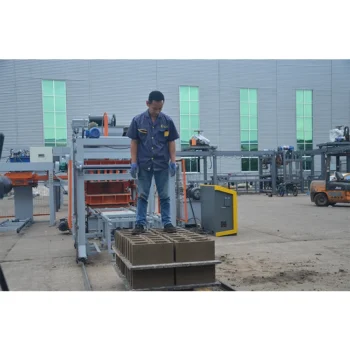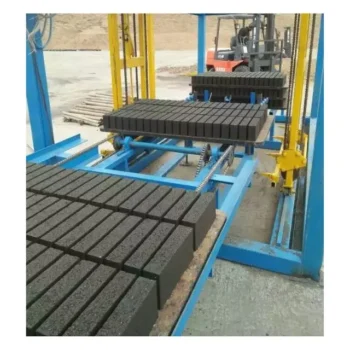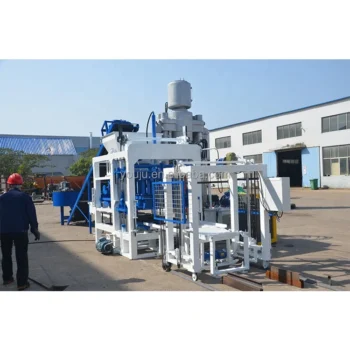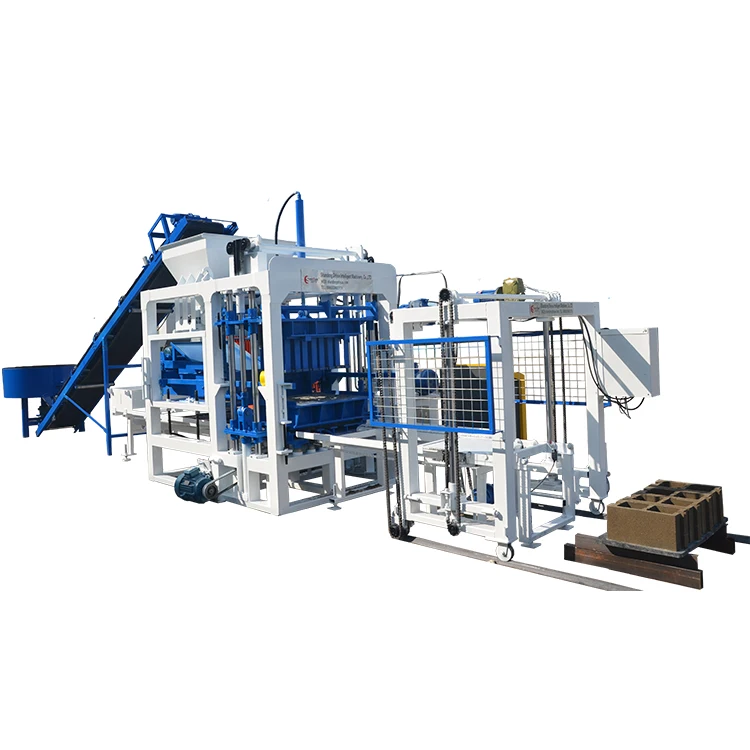
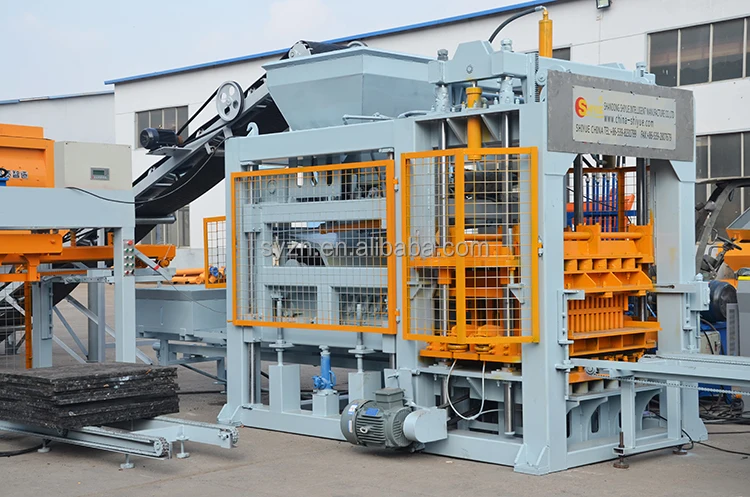
Description
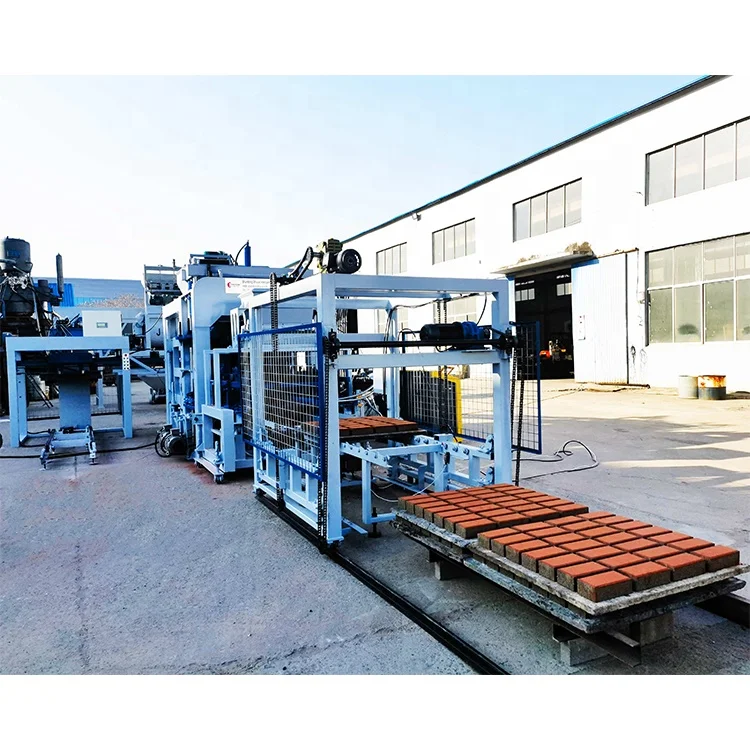
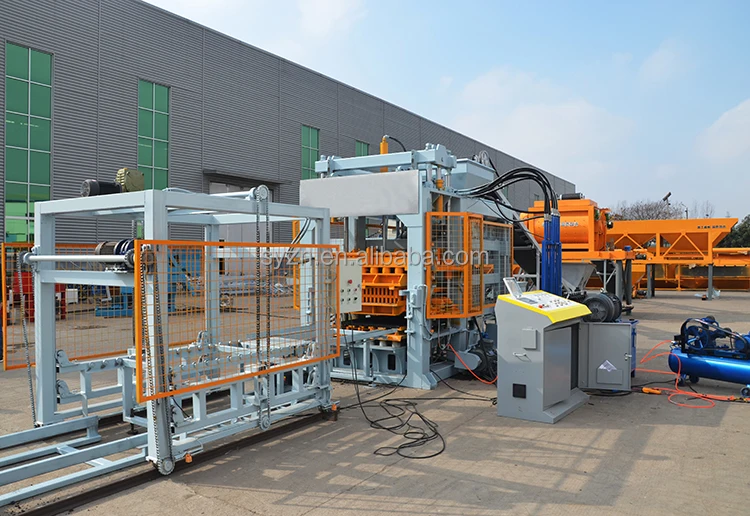
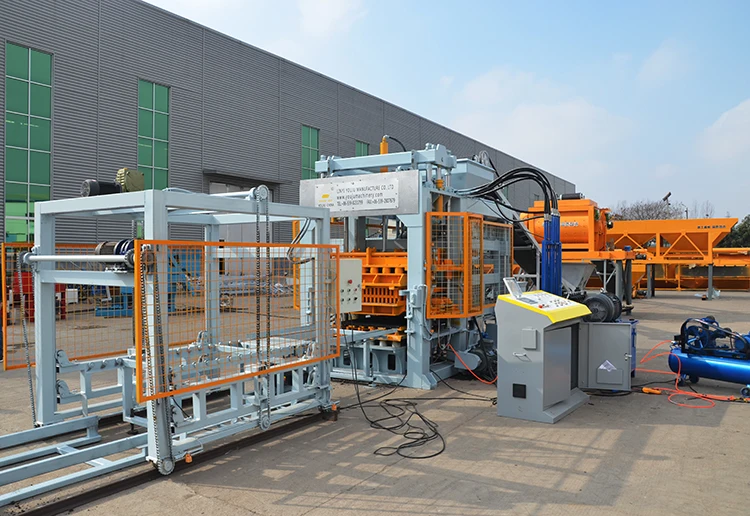
Container-ready dispatch — QT8-15 units are assembled, tested, and dismantled for 40ft HQ loading at our Linyi workshop, with dispatch timing quoted before you commit.
Technical Specifications
| Parameter | Value |
|---|---|
| Model | QT8-15 |
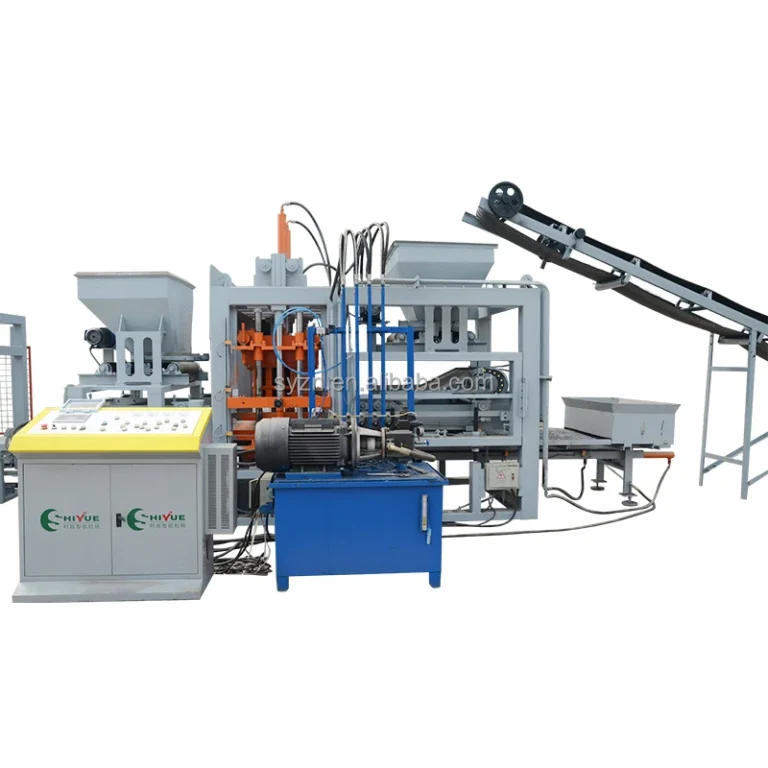
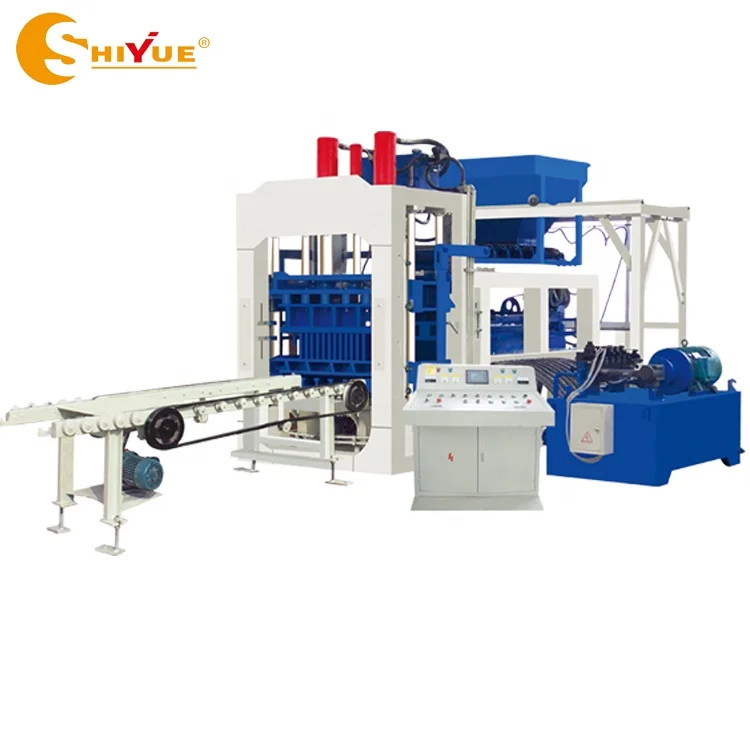
| Product Type | Automatic Block Making Machine |
| Control System | PLC with Siemens electronics, remote diagnostic capability |
| Overall Dimensions | 8300 × 1860 × 3000 mm |
| Machine Weight | 15 t (main press, auxiliary equipment weight to be confirmed per line configuration) |
| Total Motor Power | 37 kW |
| Rated Hydraulic Pressure | 21 MPa |
| Vibration Force | 100 kN |
| Pallet Size | 950 × 900 mm |
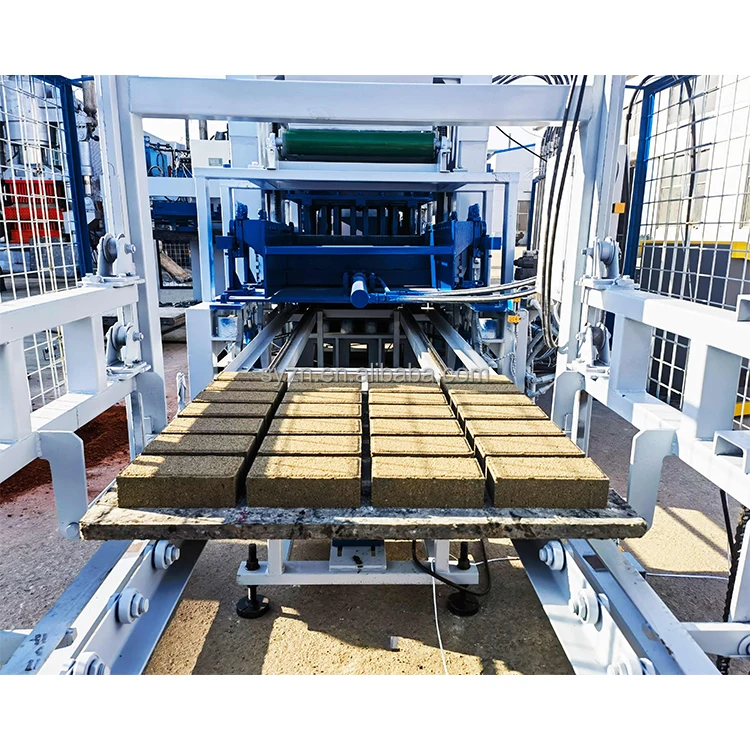
| Mould Examples | Hollow block 390×190×190 mm (8 pcs/mould), Solid block 240×115×53 mm (39 pcs/mould), Interlock paver 225×112.5×60 mm (18 pcs/mould) |
| Cycle Time | Basis not stated in source — confirm per block format and mix design |
| Output Capacity | Basis not stated in source — confirm per block format and mix design |
| Automation Level | Automatic, PLC-controlled with stacker and optional color feeder |
| Stacking Method | Automatic stacker lifting pallets with finished blocks |
| Container Loading | 40ft HQ, quantity varies by final line configuration |
| Certification | CE declaration where applicable |
Application Suitability
| Application | Material or Output |
|---|---|
| Hollow block production for building walls | Crushed stone, sand, cement, fly ash blends |
| Solid brick manufacturing | River sand, stone dust, cement mixtures |
| Interlocking paver production for roads and walkways | Fine aggregate, cement, color pigment |
| Curbstone and grass block forming | Coarse aggregate, cement, fiber reinforcement |
| On-site block production for construction projects | Locally sourced aggregate and cement |
Why the Voltage Question Must Come Before the Container Booking
Confirming voltage, frequency, and PLC language before shipment prevents a machine that sits idle on your site.
I once watched a QT8-15 automatic block making machine in stock sit unpacked for days because the PLC panel arrived displaying Chinese, and the local electrician could not navigate the menus to start commissioning. The voltage was right, but the control language was not confirmed in writing before the container left Linyi. Delays like this erase whatever time you gained by ordering stocked equipment. Buyers working to a project deadline need every detail locked down before the machine is bolted to the workshop floor [NEED_CITE: voltage and frequency standards by export market].
What "In Stock" Actually Means at the Loading Bay
When we say a QT8-15 automatic block making machine is in stock, it means the main press frame, hydraulic station, and PLC cabinet are assembled and have run through a factory cycle test. The machine is then dismantled into sections that fit a 40ft HQ container, with each component photographed and tagged against the packing list. Standard moulds from our inventory are matched to your block format and loaded in the same container.
How Dispatch Timing Works Against Your Project Schedule
Fast delivery only matters if the configuration is right when it arrives. We confirm pallet size against your curing area dimensions, stacker clearance against your workshop height, and voltage against your local grid before the machine is crated. Dispatch lead time is quoted from the day configuration is locked, not from the day payment clears. This is how a stocked machine actually arrives ready to produce [NEED_CITE: typical block plant commissioning timelines].
Reading the Specs That Matter on the Shop Floor
The 100 kN vibration force and 21 MPa hydraulic pressure work together: hydraulic pressure compacts the mix while vibration settles fine particles into voids. If your local aggregate is coarse, the vibration force must be sufficient to achieve density without segregating the mix. The 950 × 900 mm pallet size determines how many blocks form per cycle and must match the forklift and curing rack spacing you already operate. The 37 kW motor rating tells your electrician what dedicated circuit to prepare before the machine arrives.
What Happens When the Quotation Leaves Gaps
A buyer who receives a press without a specified pallet type may find the timber pallets warping under local humidity, throwing blocks out of dimension. An automatic stacker not included in the original scope means finished pallets pile up by hand, slowing the cycle the press was designed to hold. These gaps do not show up until the first production week, when the deadline is already counting down [NEED_CITE: common causes of block plant startup delays].
Why Procurement Runs Smoothly from This Workshop
Every QT8-15 ships as a matched system — press, mould, pallet, and stacker specified together, not assembled from separate quotes. Dispatch timing is stated from configuration confirmation, with the container loading plan shared before crating. Voltage, frequency, and PLC display language are confirmed in writing and verified during the factory test. Standard moulds are drawn from stock, so lead time stays short. Packing photographs and customs documentation are prepared in-house to clear your port without hold-ups.
Documentation & Verification
- Factory test record showing cycle runs on your specified block format before dismantling
- Voltage and PLC language confirmation sheet signed before container loading
- Container loading plan with component tagging and weight distribution layout
- Packing photographs of each crated section for your customs broker
- Hydraulic and electrical schematic matching the shipped configuration
- Wear parts and mould list with part numbers for future reorders
Installation, Commissioning & Support
- Foundation must support 15 t press weight plus dynamic vibration loads on level concrete
- Dedicated 37 kW circuit with correct voltage and frequency confirmed before connection
- Machine arrives dismantled; reassembly follows tagged component layout from packing photos
- Commissioning includes PLC language verification and first cycle test on your mix design
- Operator training covers mould change procedure, stacker operation, and daily maintenance points
- Spare mould and hydraulic wear parts list provided with reorder part numbers
Before You Request a Quote
Send us the block formats your market actually sells, the daily volume your project requires, and the aggregate you can source locally. Confirm your site voltage, frequency, and preferred PLC display language. Tell us the curing area dimensions and forklift capacity you already operate, so pallet size and stacker height are matched correctly from the start.
Frequently Asked Questions
Q: What is the dispatch lead time from order confirmation to container loading?
A: Once voltage, frequency, PLC language, and mould selection are confirmed in writing, stocked QT8-15 units are dismantled, crated, and loaded within a matter of weeks. Custom moulds outside our standard stock add fabrication time, which is stated separately before you commit.
Q: Which mould formats are stocked and ready to ship with the QT8-15?
A: Standard hollow block, solid block, and interlock paver moulds matching the pallet size are typically held in stock. If your market requires a format outside these standard dimensions, we fabricate to your drawing and quote the additional lead time upfront.
Q: How do I confirm voltage, frequency, and PLC language before shipment?
A: We send a written confirmation document listing your site voltage, frequency, and PLC display language. This document must be signed back before the machine enters final assembly. The factory test then runs on those exact settings.
Q: What is included in the shipment beyond the main press?
A: Each quotation states the stacker, pallet specification, mould list, and auxiliary equipment included. Nothing ships without being listed, so pallet handling and stacking are covered from day one rather than discovered as missing on arrival.
Q: Can I see the container loading plan before the machine ships?
A: Yes. We share the loading plan showing how each dismantled section sits in the 40ft HQ container, along with packing photographs of every crated component. Your customs broker can review these before the container reaches port.