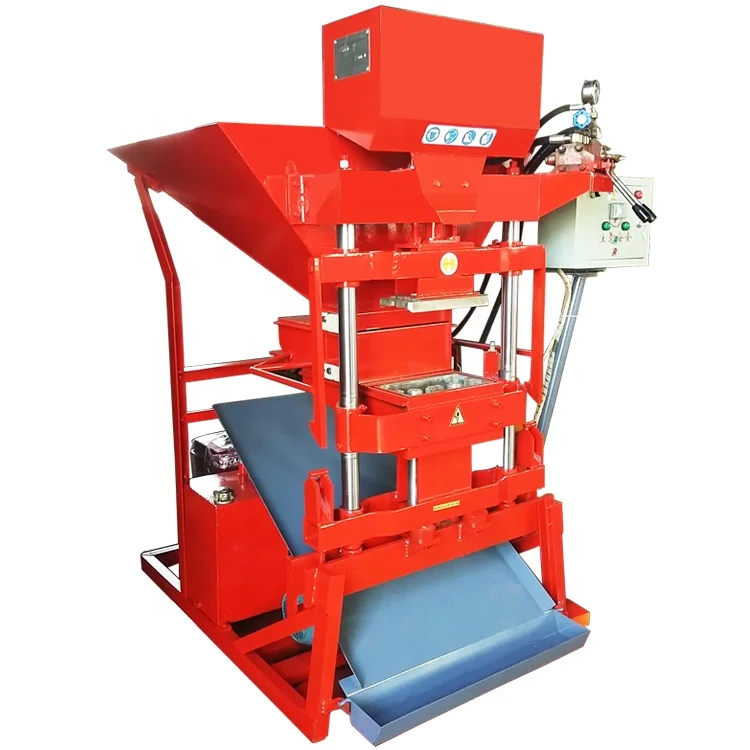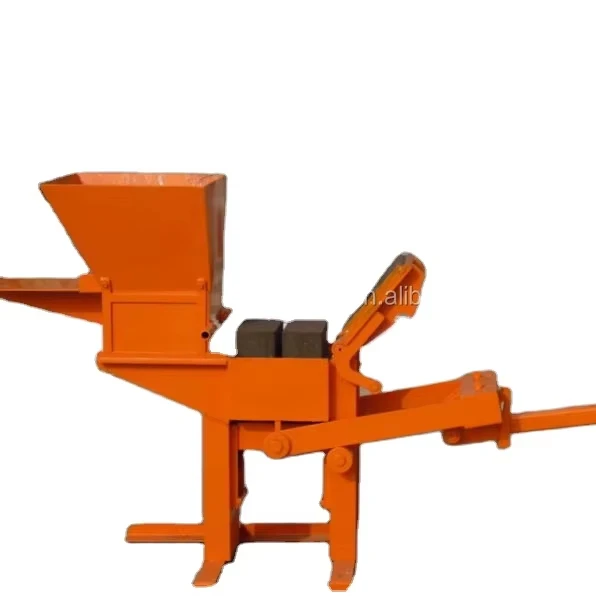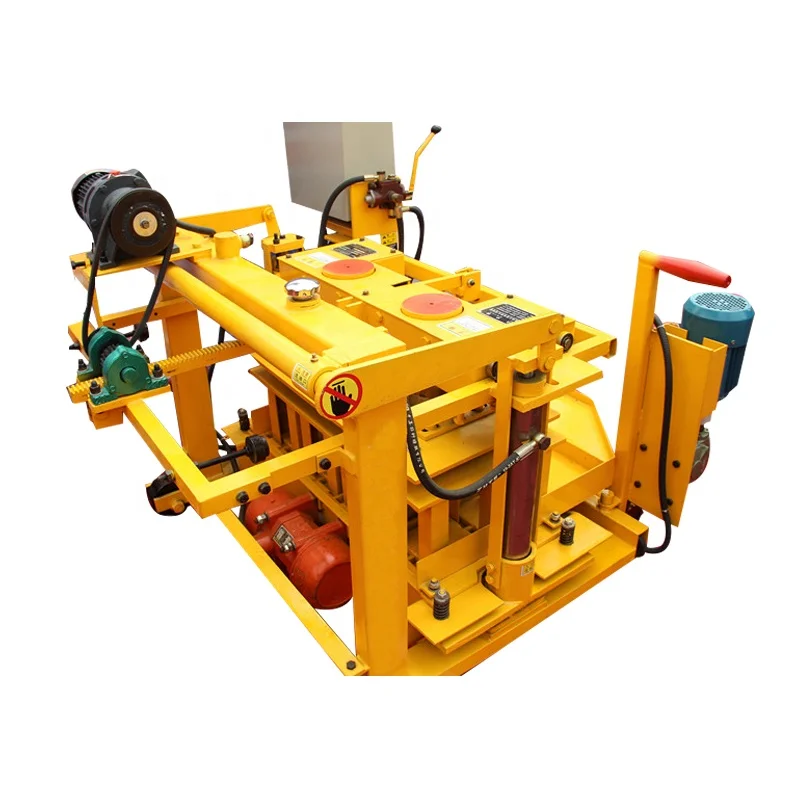

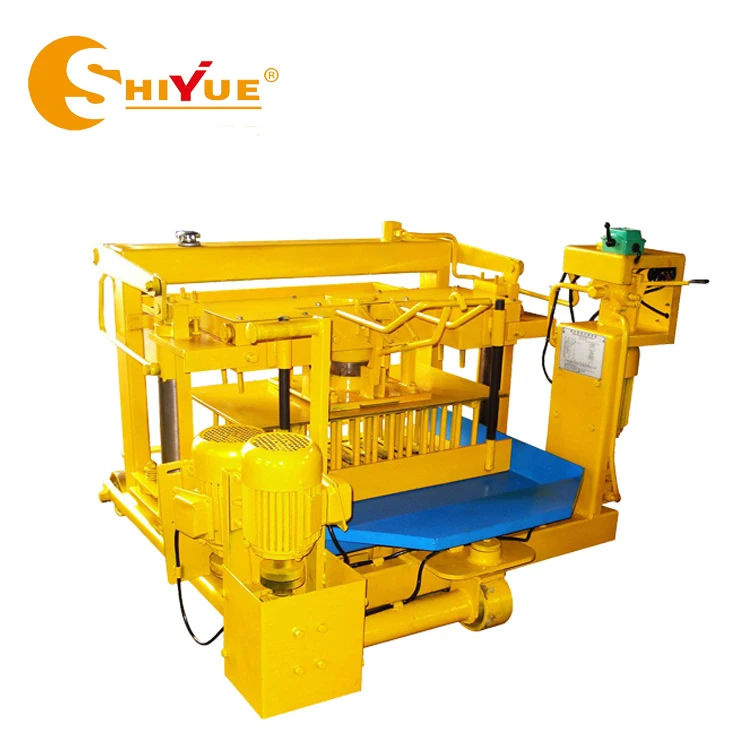
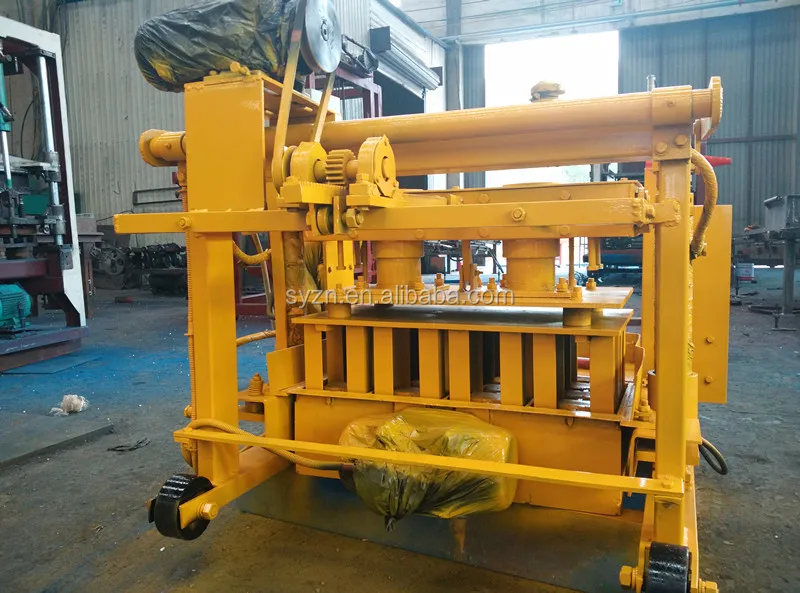


Description
Compact Dispatch Readiness — this mobile block machine ships from stock with dismantling plans confirmed before booking freight, so your site isn’t left waiting on a production slot.
Technical Specifications
| Parameter | Value |
|---|---|
| Model | QMY4-30 |
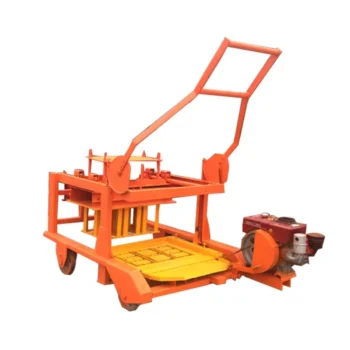
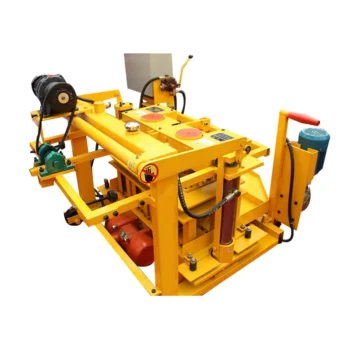
| Product Type | Mobile Egg-Laying Block Making Machine |
| Overall Dimensions (L×W×H) | 1300 × 1500 × 1000 mm |
| Net Weight | 950 – 1000 kg |
| Total Power | 5.95 kW |
| Vibration Force | 28.6 kN |
| Excitation Frequency | 4500 r/min |
| Molding Cycle | 30 s |
| Output Capacity | 3000 pcs/day (basis not stated in source — confirm block format and material) |
| Hydraulic Method | Mold Vibration |
| Operation Mode | Manual / Hydraulic-assisted movement |
| Assembly State | Free-standing, egg-laying (no fixed pallet required) |
| Raw Material Compatibility | Concrete, sand, cement, fly ash, lime, gypsum, stone dust, construction waste, slag, mine tailings, river sand, coal gangue, sandrock |
Application Suitability
| Application | Material or Output |
|---|---|
| On-site hollow and solid block production | Crushed stone, river sand, cement, and local aggregate blends |
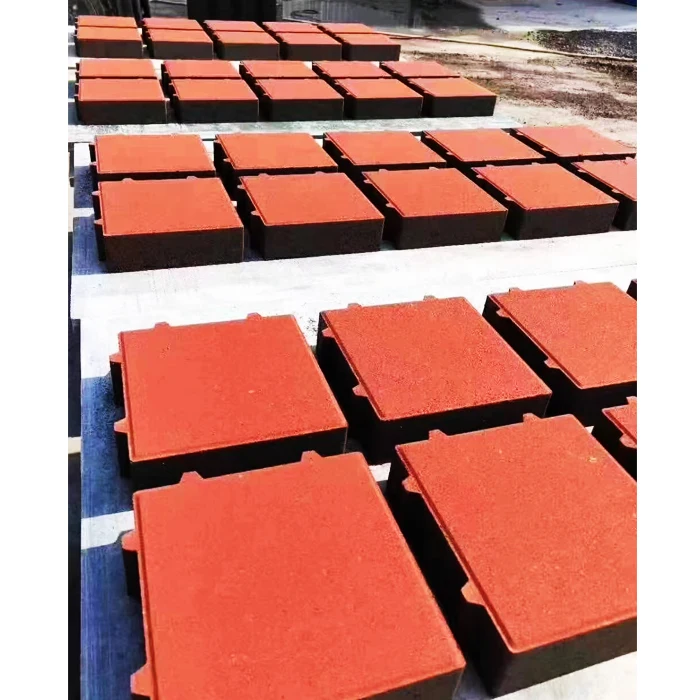
| Paving block runs for housing project perimeters | Stone dust and sand with cement binder |
| Temporary production at remote infrastructure sites | Construction waste and mine tailings where available |
| First-operation startups with low capital entry | Locally sourced sand and fly ash mixtures |
| Mountainous or coastal terrain projects | Coarse aggregate mixes compatible with 28.6 kN vibration |
Why the Voltage Question Must Come Before the Container Booking
Confirming your site’s electrical standard before the QMY4-30 leaves the factory avoids a machine that sits idle on arrival.
I have watched a mobile block machine in stock arrive at a West African port with a 380V/50Hz motor wired for a 220V/60Hz grid. The contractor had no step-up transformer on site, and the project lost weeks while a replacement motor was air-freighted. For a machine this compact, swapping a motor or rewiring a control panel at the factory is straightforward — doing it in a container yard is not [NEED_CITE: voltage and frequency standards by export market]. The total power draw is only 5.95 kW, which means a standard site generator can run it, but only if the frequency matches.
Stock Status and Dispatch Lead Time
When a project deadline is measured in weeks rather than months, the difference between a stocked unit and a made-to-order one defines whether you break ground on schedule. The QMY4-30 mobile block machine in stock ships with standard mould configurations already assembled and factory-tested, so the time between payment confirmation and container loading compresses to a matter of days. We confirm which specific units and mould formats are on hand at the moment of inquiry, not after an order is placed.
Container Loading and Dismantling for Shipment
At under 1,000 kg and 1300 × 1500 × 1000 mm, this machine fits a standard container without oversized freight surcharges. The mobile block machine in stock is partially dismantled for loading — vibration assembly secured, hopper folded, wheels locked — and packing photographs are shared before the container doors close [NEED_CITE: standard container loading procedures for heavy machinery]. You receive a clear unloading plan so your forklift or crane team knows exactly how to lift and position the unit on your ground slab.
Reading the Specs That Actually Matter on Site
The 28.6 kN vibration force at 4500 r/min determines how densely the concrete mix compacts inside the mould before the machine rolls forward. Lower vibration force on a coarse, locally sourced aggregate leaves voids in the block wall and reduces compressive strength — a problem you discover only after the first batch cures. The 5.95 kW total power is modest enough for a diesel generator, which matters when your project site has no grid connection. The 30-second molding cycle governs how many blocks a single operator can lay per shift, but that figure assumes the mix flows freely into the mould box; if your local sand carries excess moisture or your aggregate particle size runs large, the feed slows and the real cycle extends. Hydraulic-assisted mold vibration gives consistent compaction stroke after stroke, whereas purely manual machines depend on the operator’s physical rhythm [NEED_CITE: vibration compaction principles for concrete block forming].
When Arrival Estimates Slip Past the Deadline
A buyer who orders without pinning down the port-to-site timeline often discovers that ocean transit was only half the journey. Customs documentation gaps, mismatched HS codes on the packing list, or an incorrect certificate of origin can hold a mobile block machine at the destination port for additional weeks while demurrage accumulates [NEED_CITE: customs documentation requirements for industrial machinery imports]. Confirming the shipping documents against your country’s import requirements before the vessel sails keeps the arrival estimate realistic and protects your project start date.
What You Receive Beyond the Machine Itself
Every QMY4-30 leaves the factory as a matched unit — machine, mould, and movement system specified together rather than assembled from separate suppliers. Stock units carry standard mould formats suited to common hollow and solid block dimensions; custom mould drawings are accommodated when your market demands a specific profile. The dispatch process includes factory test records documenting vibration performance and cycle timing before the machine is dismantled for container loading. Installation support covers on-site commissioning and operator training so the first production run happens with your local mix, not a factory benchmark material.
Documentation & Verification
- Factory test record covering vibration force and cycle timing on your block format before dispatch
- Voltage and frequency confirmation sheet matched to your destination country’s electrical grid
- Packing photographs showing dismantling state and securing points inside the container
- Hydraulic and electrical schematic for on-site troubleshooting during first production weeks
- Customs documentation support including HS code and certificate of origin for your port
Installation, Commissioning & Support
- Level ground slab preparation matching the 1300 × 1500 mm footprint with clearance for forward movement
- Power connection verified against the confirmed voltage and frequency before motor startup
- Vibration frequency and mold timing adjusted on-site to match your local aggregate particle size
- Operator training covering hydraulic-assisted movement, mould change procedure, and daily greasing points
- Wear parts list with mould liner and vibration spring replacement intervals for your production volume
Before You Request a Quote
Tell us the block format your market sells, the daily volume your project requires, and the raw materials you can source locally. Confirm your site’s voltage, frequency, and whether you will run on grid power or a generator. Share your project start date so we can match a mobile block machine in stock to your timeline and quote a realistic arrival estimate at your port.
Frequently Asked Questions
Q: Is the QMY4-30 currently in stock and what is the dispatch lead time?
A: We confirm live stock status at the time of your inquiry, specifying which units and standard mould formats are available for immediate dispatch. Lead time from payment to container loading is quoted in days rather than weeks for stocked machines, and we share packing photographs before the container is sealed.
Q: How is the machine packed and loaded into a container?
A: The QMY4-30 is partially dismantled — hopper folded, vibration assembly secured — to fit a standard container. You receive a loading plan and packing photographs before shipment. Unloading requires a forklift or crane rated for the machine’s net weight, and the lifting points are marked on the frame.
Q: What voltage and frequency options are available for my country?
A: Motor and control wiring are configured to match your destination country’s electrical standard, confirmed before the machine leaves the factory. Because total power is only 5.95 kW, the unit also runs on standard site generators where grid connection is unavailable.
Q: How long from order to arrival at my port?
A: We provide a port-to-port shipping estimate at the quotation stage, based on your destination and current vessel schedules. Customs documentation is prepared in parallel with container loading to prevent clearance delays at arrival.
Q: Which block formats can the QMY4-30 produce, and are extra moulds available?
A: Stock units ship with moulds for common hollow and solid block dimensions. Additional mould formats, including paving blocks and custom profiles drawn to your specifications, are available and can be included in the same container shipment if confirmed before dispatch.