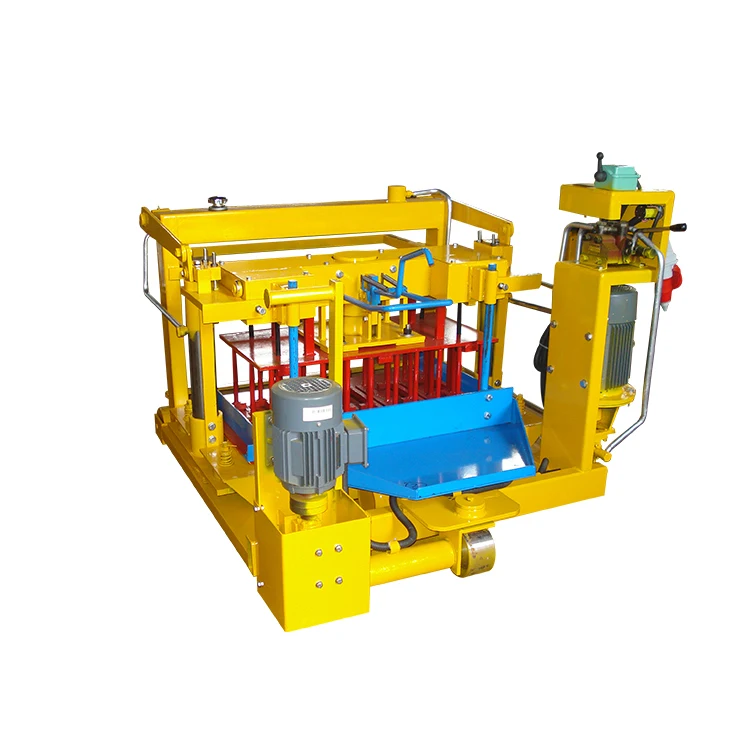
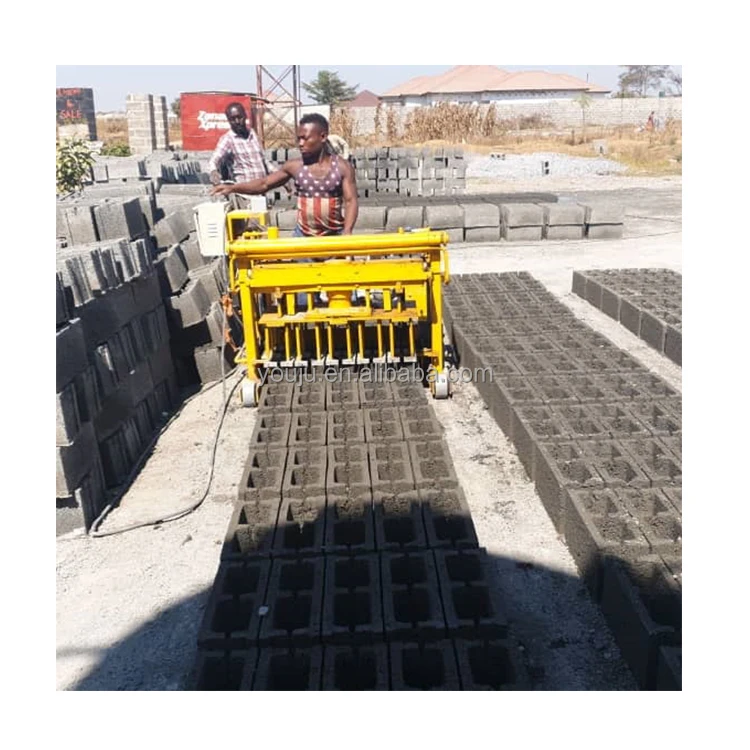
Description
Dispatch-Ready Inventory — the QMY4-30 mobile block machine is held in stock for project-deadline buyers, with container loading and voltage confirmation completed before the crate leaves the Linyi yard.
Technical Specifications
| Parameter | Value |
|---|---|
| Model | QMY4-30 |
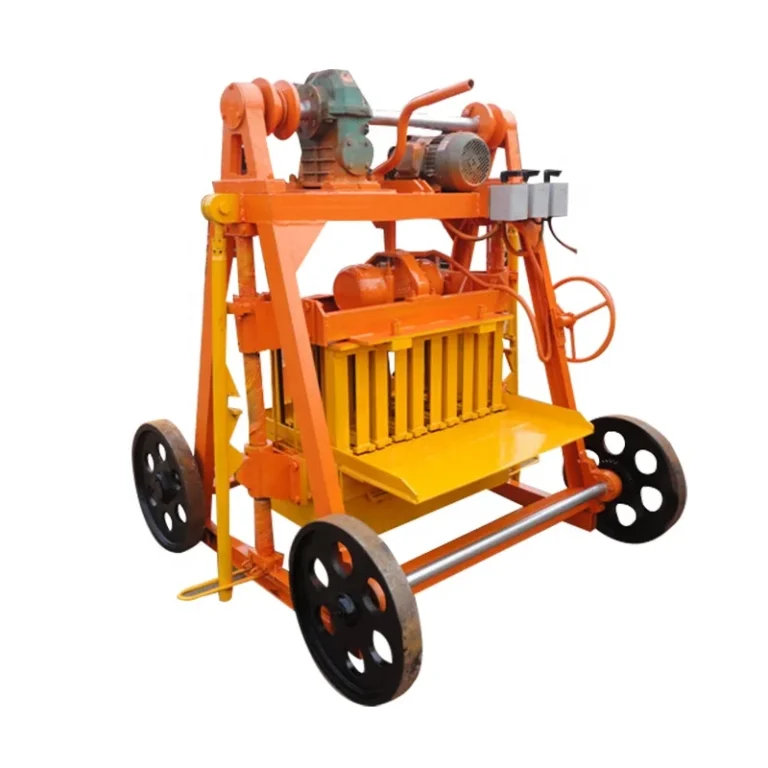
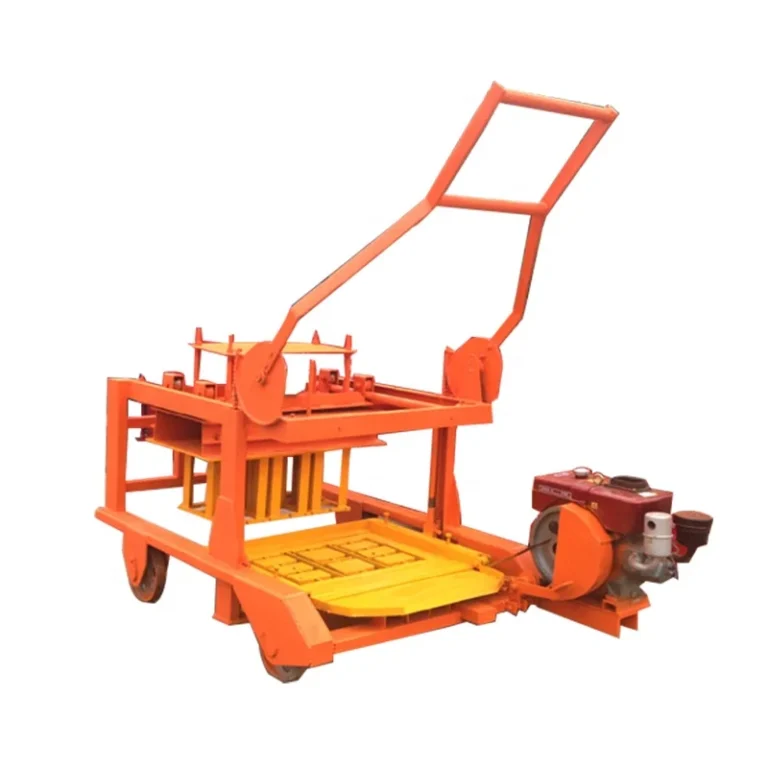
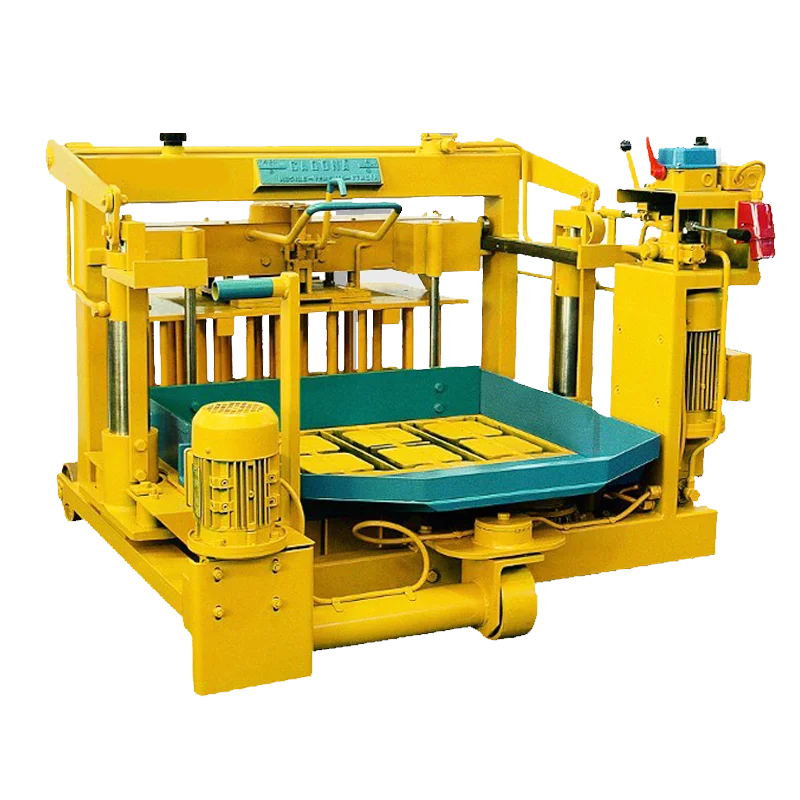
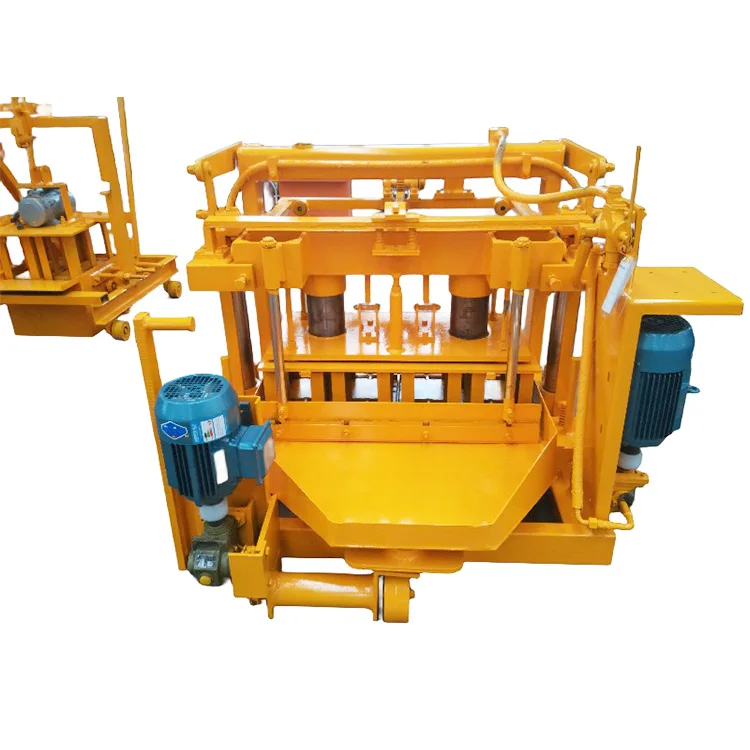
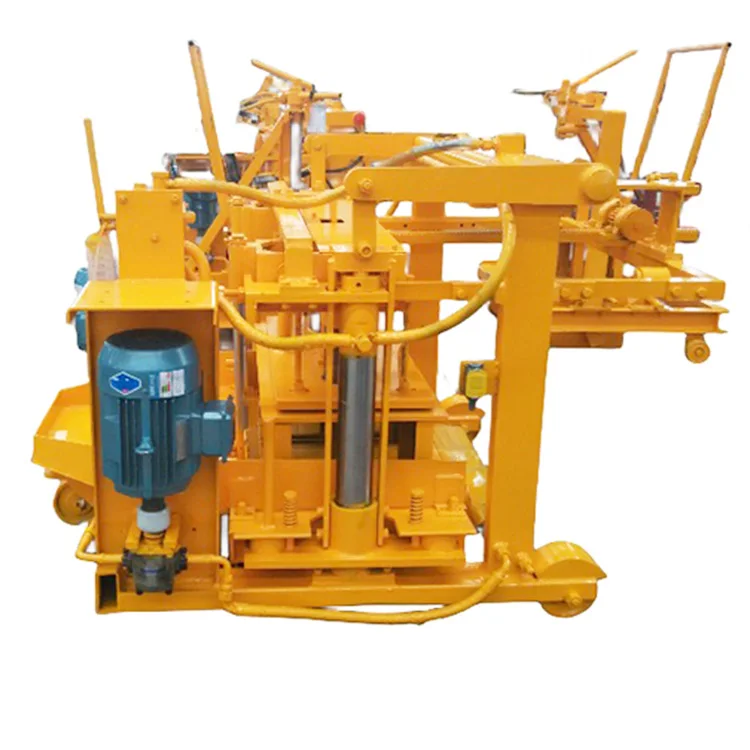
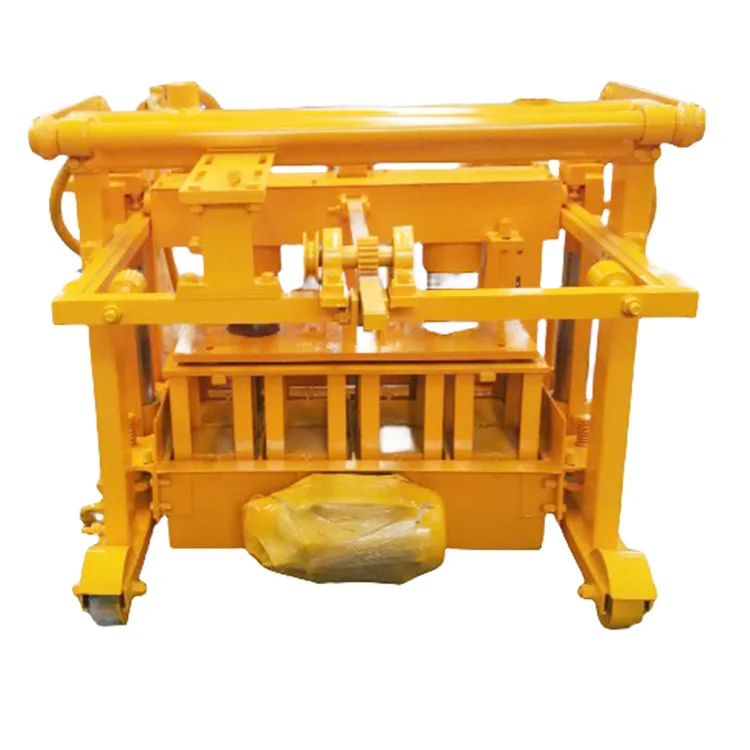
| Product Type | Mobile Egg-laying Concrete Block Making Machine |
| Rated Power | 5 kW |
| Molding Cycle Time | 30 seconds |
| Overall Dimensions (L×W×H) | 1200 × 1200 × 1100 mm |
| Net Weight | 950 kg |
| Machine Type | Mobile / egg-laying (lays blocks directly on ground, no pallet required) |
| Mould Change | Changeable moulds for hollow block and solid brick |
| Raw Materials | Cement, sand, crushed stones, slag |
| Output Capacity | 3840 pcs / 8 hours based on 400×200×200 mm hollow block (4 pcs/mould) |
| Output Capacity | 4800 pcs / 8 hours based on 400×150×200 mm hollow block (5 pcs/mould) |
| Output Capacity | 6720 pcs / 8 hours based on 400×100×200 mm hollow block (7 pcs/mould) |
| Automation Level | Manual / semi-automatic operation |
| Voltage & Frequency | Configurable — confirm with supplier before dispatch |
| Control System | Relay logic or basic PLC — confirm configuration before shipment |
Application Suitability
| Application | Material or Output |
|---|---|
| On-site hollow block production for housing projects | Cement, sand, crushed stones producing 400×200×200 mm blocks directly on the ground |
| Small-scale block yard for local building material supply | Solid brick and multiple hollow block formats from a single machine |
| Infrastructure and road-side kerb production | Slag and aggregate mixes for non-standard block dimensions |
| First-plant entrepreneurs with minimal infrastructure | Egg-laying operation eliminating pallet investment and curing rack handling |
Why the Voltage Question Must Come Before the Crate Is Nailed Shut
A mobile block machine in stock is only fast if it actually runs when it arrives.
I have watched a contractor lose three full weeks on a housing site because the machine showed up wired for 380 V / 50 Hz while the local grid ran 440 V / 60 Hz. The transformer retrofit cost more than the shipping, and every day of delay pushed the masonry crew into penalty clauses. When a project-deadline buyer asks for a mobile block machine in stock, the first thing I check is not the crate — it is the electrical schematic against the buyer’s confirmed voltage and frequency [NEED_CITE: voltage and frequency standards by export market].
Container Loading and Dispatch Timing
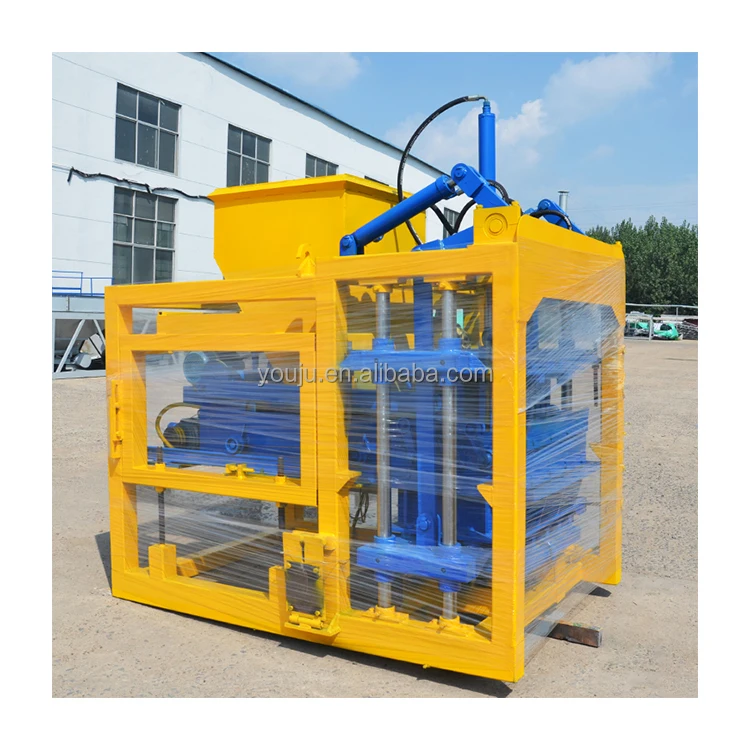
The QMY4-30 packs into roughly three cubic metres of plywood crating, which means a 20-foot container holds the machine, spare moulds, and a wear-parts kit with room to spare. A mobile block machine in stock at our Linyi yard typically moves from order confirmation to container gate within a short window, provided the electrical specification is locked in writing before the crate is sealed. Buyers working against a construction handover date need this sequence — voltage confirmation, factory power-on test, photographic packing record — completed in that exact order.
Dismantling for Shipment and Reassembly on Site
Because the QMY4-30 weighs 950 kg and stands only 1 100 mm tall, it does not require a flat-rack or open-top container. The upper hopper assembly and vibration motor housing are unbolted for transit, then re-torqued on a level concrete pad at the job site. I personally verify that every bolt hole is marked and every cable is tagged before the plywood goes on, because reassembly in a remote yard with no workshop is where missing labels cause the longest delays [NEED_CITE: CE machinery directive requirements for industrial equipment].
Reading the Numbers That Actually Matter
The 30-second moulding cycle governs how many times the press completes a stroke, but the real daily output depends on the block format loaded into the mould box. At four cavities per mould for 400×200×200 mm hollow blocks, the press delivers a set every half-minute; switch to the narrower 400×100×200 mm format and seven cavities fill the same cycle, lifting the hourly count accordingly. The 5 kW rated power covers both the vibration motor and the hydraulic pump on a single feed circuit, which keeps the generator sizing simple for off-grid sites. Egg-laying design eliminates the pallet loop entirely — no pallet feeder, no return conveyor, no curing rack forklift — so the site footprint is essentially the machine’s own 1 200 × 1 200 mm base plus the ground area where blocks cure in place.
What Happens When Dispatch Speed Outruns Electrical Verification
Rushing a machine onto a ship without a signed voltage confirmation is the fastest way to turn a stock advantage into a site standstill. The motor nameplate, the control panel wiring, and the vibration inverter — if fitted — must all match the destination grid. When they do not, the buyer either sources a step-up transformer locally at inflated cost or rewinds the motor, both of which erase any time the fast dispatch was supposed to save [NEED_CITE: common causes of commissioning delays in exported industrial machinery].
Why Buyers Source This Machine Through Our Yard
Block machinery is the only product line we build, so the QMY4-30 is specified as a matched set of press, mould, and handling rather than assembled from unrelated suppliers. Every configuration is checked against the buyer’s local aggregate and target block format before the quotation is issued, not pulled from a catalogue default. Moulds for the formats the buyer’s market actually sells — including custom drawings — ship in the same container. Automation level is selectable, so a buyer can start with manual pallet-free operation and add a mixer or conveyor later. Installation guidance and operator training are provided so the first shift produces saleable block, not scrap [NEED_CITE: importance of matched mould and press specifications in block production].
Documentation & Verification
- Factory test record on the buyer’s confirmed block format before dispatch
- Voltage and control language confirmation sheet signed before crating
- Mould drawing and format list matching the shipped cavity set
- Packing photographs showing bolt markings and cable tags
- Customs documentation support for destination port clearance
Installation, Commissioning & Support
- Level concrete pad of at least 150 mm thickness required under the 1200 × 1200 mm base
- Dedicated 5 kW circuit with correct voltage and frequency as confirmed in writing
- Upper hopper and vibration motor re-bolted and torqued on site before first cycle
- First-run parameter check on moulding cycle timing and vibration force
- Operator training covering mould change procedure and daily grease points
- Wear parts list and mould maintenance schedule included in the crate
What We Need From You to Lock the Dispatch Date
Send the block format your market sells, the daily output target, and your site voltage and frequency. Confirm whether you need the control panel labels and manual in a specific language. If you already own a mixer or raw material feeder, share the model so we can verify feed height compatibility.
Frequently Asked Questions
Q: Is this mobile block machine currently in stock and what is the dispatch lead time?
A: The QMY4-30 is held as a stocked model for fast dispatch. Exact lead time depends on the voltage and mould configuration you confirm. Once the electrical specification and mould format are signed off, the machine moves to crating and container loading within a short window.
Q: How is the machine dismantled and loaded for container shipment?
A: The hopper assembly and vibration motor housing are unbolted to fit standard container door height. Every bolt hole is match-marked and cables are tagged. The machine, spare moulds, and wear parts load into a single 20-foot container with plywood packing.
Q: What voltage and frequency options are available and can they be confirmed before shipping?
A: Voltage and frequency are configured to your local grid. You provide the exact figures in writing, and we confirm them back on a signed sheet before the crate is sealed. A factory power-on test at your specified voltage is completed and photographed prior to dispatch.
Q: What is the realistic daily output for my specific block size?
A: Output depends on the block format in the mould. For a 400×200×200 mm hollow block at four cavities per mould, the 30-second cycle yields up to 3840 pieces over an eight-hour shift. Narrower formats increase the cavity count per cycle and raise the daily total accordingly.
Q: Are moulds and wear parts shipped together with the machine?
A: Yes. The mould set for your confirmed block format, a wear parts kit, and the maintenance manual are packed in the same container. Additional moulds for other formats can be added to the shipment if ordered before the crate is sealed.