
Description
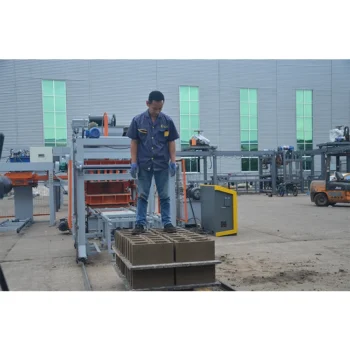
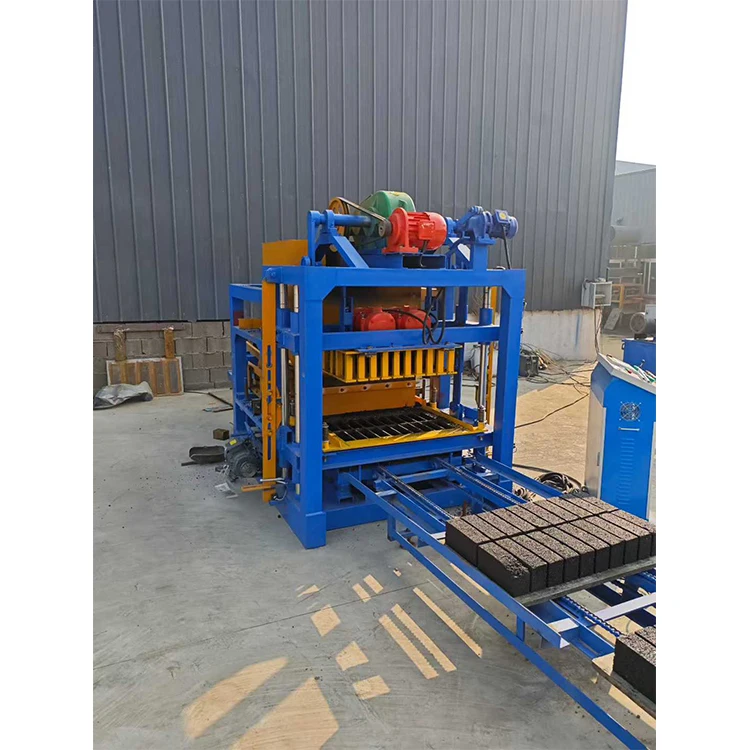
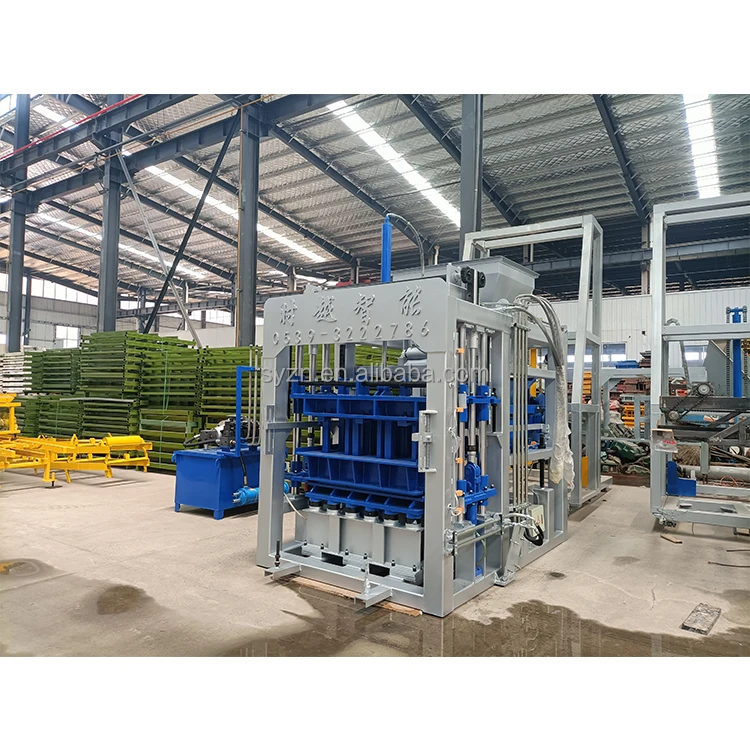
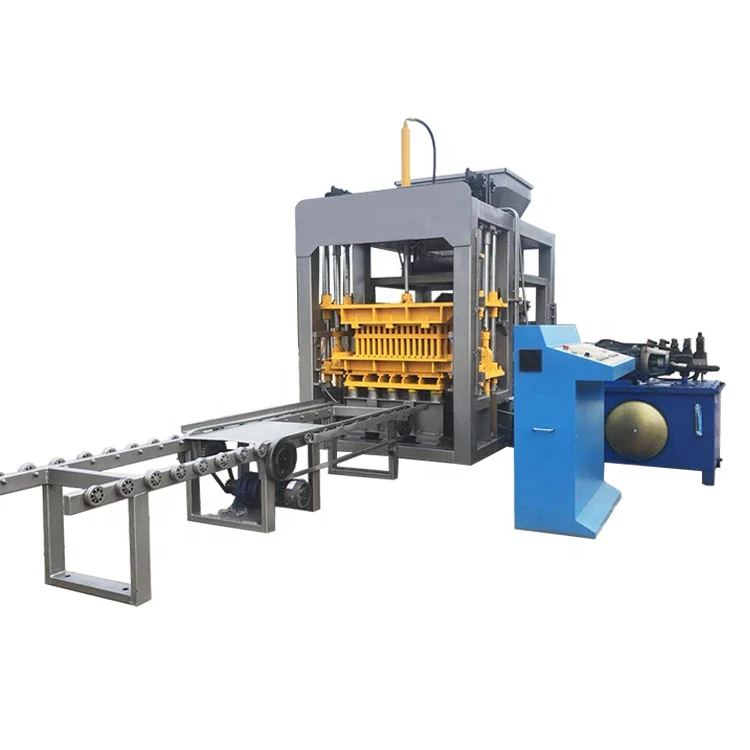
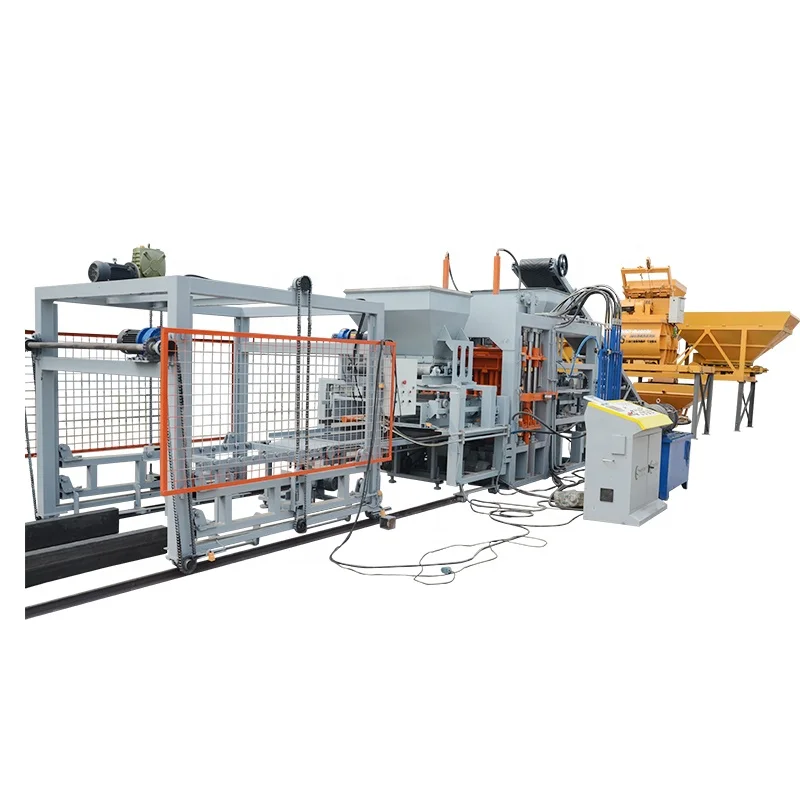
Matched System Dispatch — machine, mould, pallet and handling checked as one set before the QT5-15 leaves our yard, cutting arrival-side rework to near zero.
Technical Specifications
| Parameter | Value |
|---|---|
| Model | QT5-15 |
| Product Type | Hydraulic Concrete Block Making Machine |
| Overall Dimensions (L×W×H) | 7400×1950×2800 mm |
| Total Mass | 6 T |
| Rated Pressure | 21 MPa |
| Vibration Force | 40 kN |
| Vibration Frequency | 2800-4500 r/min |
| Main Vibration Form | Platform Vibration |
| Pallet Size | 1100×550 mm |
| Molding Cycle | 15-20 s |
| Demolding Method | Hydraulic |
| Frame Material | Manganese steel (China national standard) |
| Control System | PLC intelligent control with man-machine interface, malfunction diagnosis, remote control function |
| Automation Level | Semi-automatic (PLC controlled) |
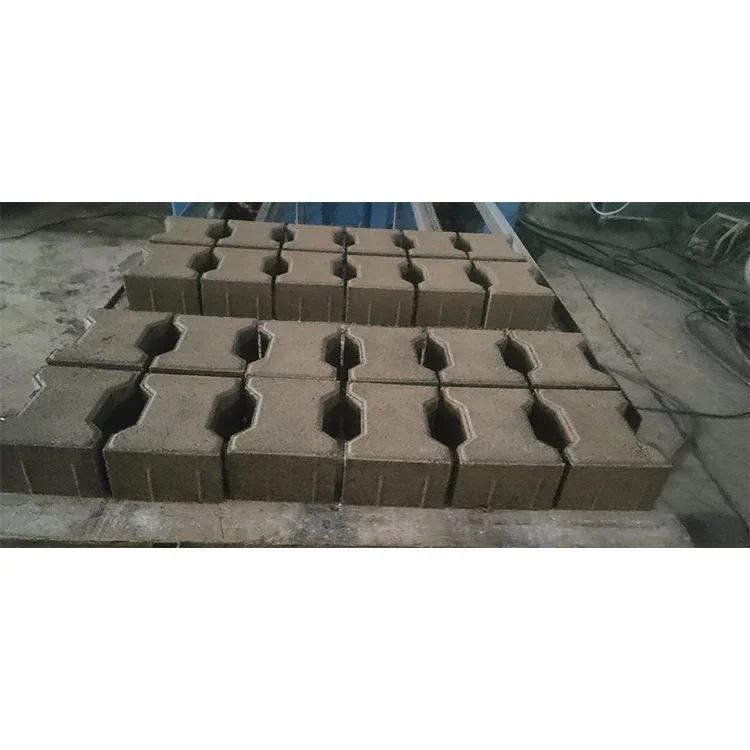
| Output — Hollow Block 400×200×200 mm | 7200-9600 pcs/day (basis: 5 pcs/mold, 15-20 s cycle) |
| Output — Porous Brick 240×115×90 mm | 23040-28800 pcs/day (basis: 16 pcs/mold, 16-20 s cycle) |
| Output — Standard Brick 240×115×53 mm | 61440-70892 pcs/day (basis: 32 pcs/mold, 13-15 s cycle) |
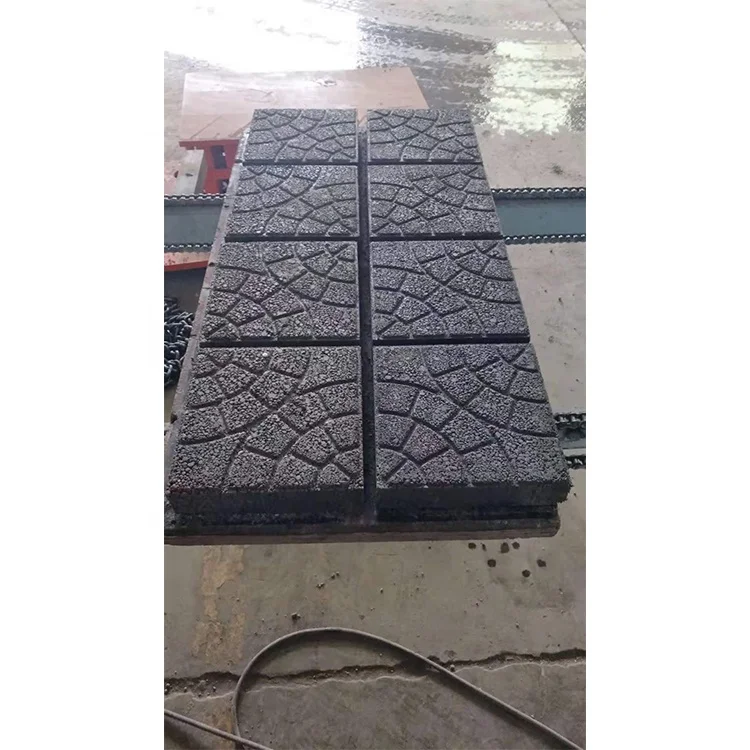
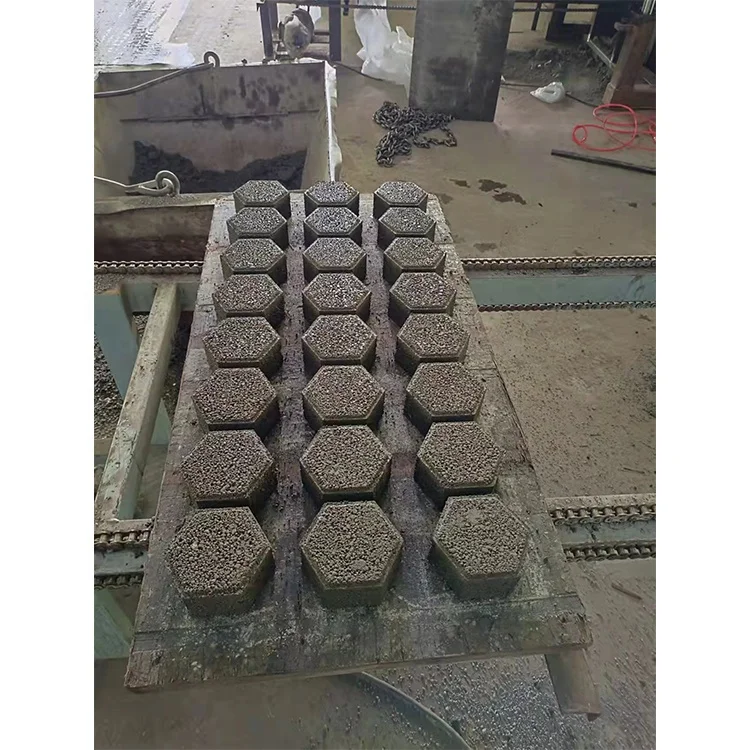
| Applied Products | Concrete blocks, hollow/solid blocks, pavers, interlocking blocks, curbstone, colored pavers |
| Raw Materials | Crushed stone, sand, cement, fly ash, gravel, slag, dust |
| Factory Area Required | 600 m² |
Application Suitability
| Application | Material or Output |
|---|---|
| Hollow block production for load-bearing walls | Crushed stone, sand, cement with 400×200×200 mm format |
| Solid brick runs for infill and partition walls | Local aggregate and cement, 240×115×53 mm format |
| Porous brick manufacturing for thermal insulation | Fly ash blends, 240×115×90 mm format |
| Paver and interlocking block for driveways and walkways | Colored concrete mixes, various mould formats |
| Kerbstone production for road and pavement edges | High-strength aggregate mixes, curbstone mould |
| On-site block production for housing developments | Locally sourced sand and gravel, semi-automatic operation |
Why "Ready in Stock" Matters More Than Cycle Time Alone
A QT5-15 block machine in stock means your project timeline starts from dispatch, not from a production queue.
When a contractor is three weeks behind on a housing development, waiting another eight weeks for a machine to be built is not an option. The real question is not how fast the press cycles, but how fast the complete machine set arrives at your port and starts producing saleable blocks. A stocked QT5-15 block machine in stock shortens the gap between order confirmation and first output to the shipping window itself [NEED_CITE: typical ocean freight transit times by region]. Buyers working to fixed project milestones care about this distinction because every idle day on site burns labour and equipment rental costs that no cycle-time figure can recover.
Dispatch Lead Time and Container Planning
For project-deadline buyers, the first practical question is whether the QT5-15 block machine in stock can be dismantled, loaded, and dispatched within a workable window. This semi-automatic press ships as a main frame unit with separated hydraulic station, mould, pallets, and control cabinet. Each component is broken down to fit standard container dimensions. Before loading begins, pallet dimensions and voltage configuration are confirmed against the buyer’s site conditions — a step that prevents the kind of curing-rack mismatch I once saw delay a European delivery by several weeks.
Arrival Estimate Quoted Before You Commit
Speed of ordering means little without a credible arrival estimate. Once the QT5-15 block machine in stock is booked, the dispatch schedule includes container stuffing photographs, bill of lading draft, and an estimated arrival date based on the destination port [NEED_CITE: port congestion and transit variability factors]. This lets the buyer align foundation work, raw material procurement, and crew hiring to a known timeline rather than a hopeful one. The semi-automatic configuration means the machine does not require a fully automated line to be installed alongside it — it can begin producing blocks with basic pallet handling while the buyer plans future upgrades.
Reading the Numbers That Actually Matter on Site
The QT5-15 operates on a platform vibration system delivering 40 kN of vibration force combined with 21 MPa hydraulic pressure. These two forces together determine the density and compressive strength of each block. A buyer producing hollow blocks at 400×200×200 mm can expect 7,200 to 9,600 pieces per day based on 5 pieces per mould and a 15-20 second cycle. The same machine running standard bricks at 240×115×53 mm produces 61,440 to 70,892 pieces per day based on 32 pieces per mould and a 13-15 second cycle. The pallet size of 1100×550 mm must match the buyer’s existing curing racks and forklift capacity — this is not a detail to assume after arrival. The PLC control with malfunction diagnosis and remote control function allows troubleshooting without waiting for an engineer to travel on site.
What Happens When Pallet and Voltage Are Left to Chance
Shipping a machine with default pallets that do not fit the buyer’s curing area means the entire batch must be remade locally, adding weeks to an already tight schedule. Similarly, arriving with a voltage and frequency mismatch forces the buyer to source transformers or rewire the control cabinet before the first block is ever pressed [NEED_CITE: voltage and frequency standards by export market]. I have watched a QT5-15 class machine sit idle on a job site because the control display language had not been confirmed before dispatch — the operator could not read the menus, and commissioning stalled until a translation overlay was arranged. These are not engineering failures; they are communication failures that stock-and-dispatch sellers are positioned to prevent.
Why Buyers Source This Machine From Our Stock Pool
Our single focus on block machinery means the QT5-15 ships as a matched system — press, mould, pallets, and handling specified together rather than assembled from separate suppliers. Configuration is set against the buyer’s actual mix design and target block format, not a catalogue default. Pallet size, voltage, and control language are confirmed before the machine enters the container, eliminating the most common arrival-side surprises. Standard moulds for hollow block, solid block, and paver formats are stocked alongside the press so the buyer does not wait for a separate mould shipment. Factory test records on the buyer’s chosen block format are provided before dispatch, giving confidence that the machine produces to specification from day one.
Documentation & Verification
- Factory test record on your specified block format and cycle time before dispatch
- Pallet dimension and material confirmation matched to your curing rack layout
- Voltage, frequency, and PLC display language sign-off sheet before loading
- Container stuffing photographs showing dismantling and securing method
- CE declaration documentation where applicable to your import market
- Operation and maintenance manual with wear parts and mould replacement list
Installation, Commissioning & Support
- 600 m² factory area requirement with level concrete foundation for the 7400×1950×2800 mm frame
- Dedicated power circuit matching confirmed voltage and frequency for the hydraulic station
- Dismantled shipping configuration with reassembly guidance on site for the 6 T frame
- First-run commissioning with parameter setting on your local aggregate and mix design
- Operator training covering PLC interface, mould change procedure, and malfunction diagnosis
- Mould and hydraulic wear parts list supplied for your first reorder cycle
What We Need to Move Your Order Forward
Share your target block format and daily output requirement so we can match the stocked mould set to your production plan. Provide your site voltage, frequency, and preferred control language to confirm the electrical configuration before dispatch. Let us know your curing area dimensions and forklift capacity so the 1100×550 mm pallet specification is validated against your existing equipment.
Frequently Asked Questions
Q: Which QT5-15 configurations are currently held in stock?
A: Stocked units typically include the standard semi-automatic press with PLC control, hydraulic station, and a selection of common moulds for hollow block, solid brick, and paver formats. Pallet sets are allocated from stock once your curing rack dimensions are confirmed. Custom mould designs require additional lead time and are quoted separately against your drawings.
Q: How long does dispatch take after order confirmation?
A: Once pallet size, voltage, and control language are confirmed, the machine is prepared for container loading. Dismantling, securing, and stuffing photographs are completed before the container leaves our yard. The total dispatch window depends on current stock allocation and container availability at the nearest port.
Q: How is the machine loaded into a container for shipment?
A: The QT5-15 is dismantled into main frame, hydraulic station, mould, pallet stack, and control cabinet for loading. Components are secured to prevent transit damage. Container type and quantity depend on the pallet count and mould set included. Loading photographs are shared with the buyer before the container is sealed.
Q: Can you estimate arrival time at our destination port?
A: Arrival estimates are provided based on the destination port and current shipping schedules once the container is booked. Transit times vary by route and port conditions. We supply the bill of lading and tracking details so your logistics team can monitor progress and plan site readiness accordingly.
Q: Do moulds and wear parts ship together with the machine?
A: Standard moulds included in your order are packed and shipped in the same container as the press. Wear parts and additional mould sets for future format changes can be added to the shipment. We provide a complete mould and wear parts list so you can plan your first reorder before the initial set reaches end of life.