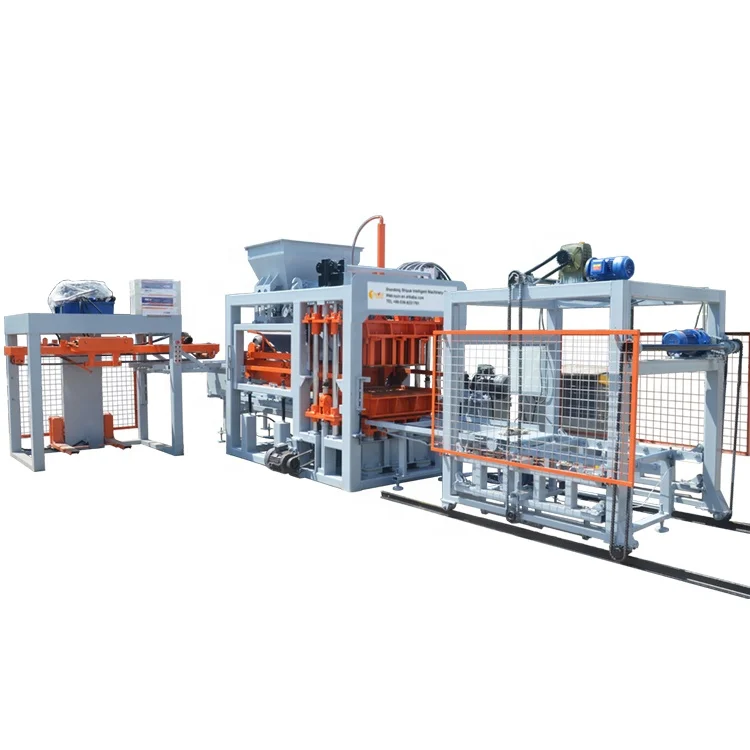
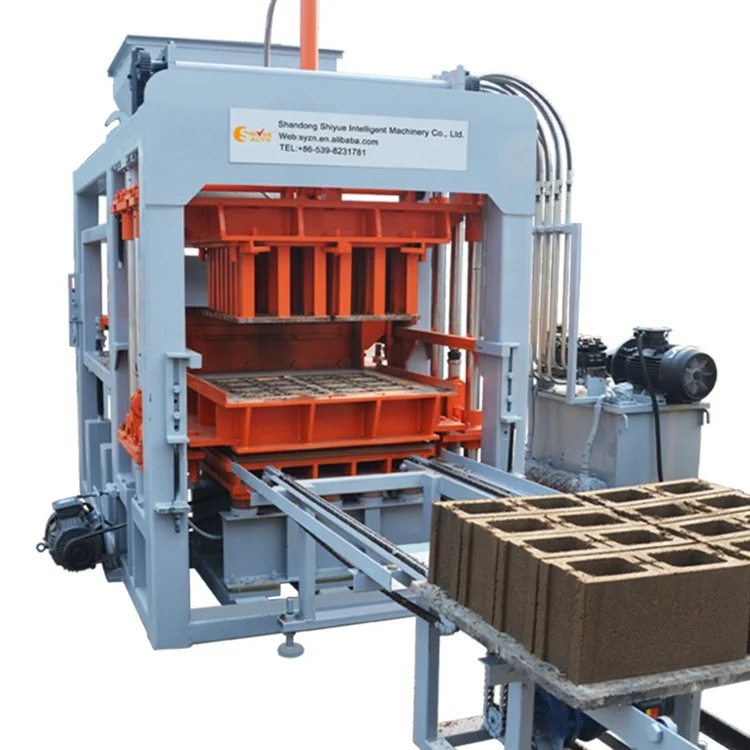
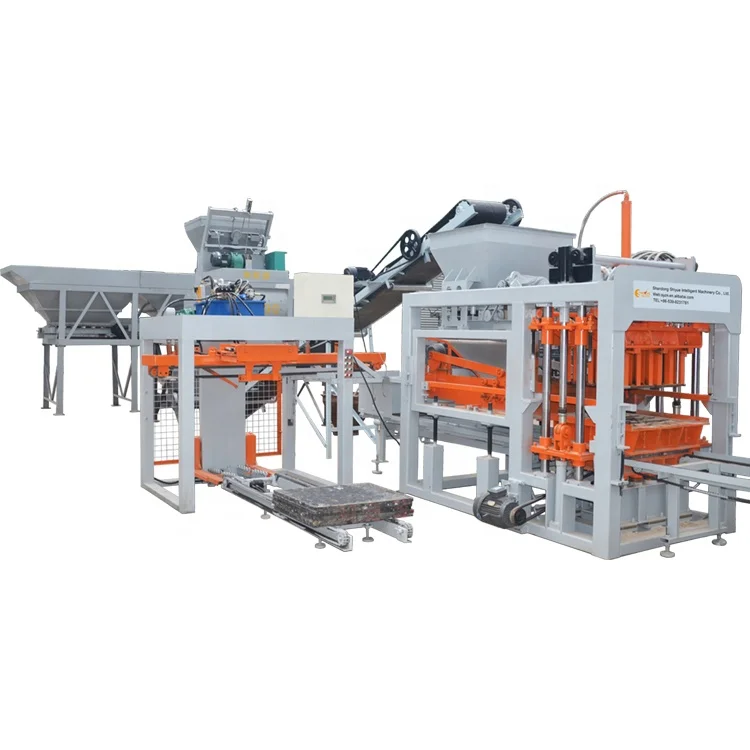
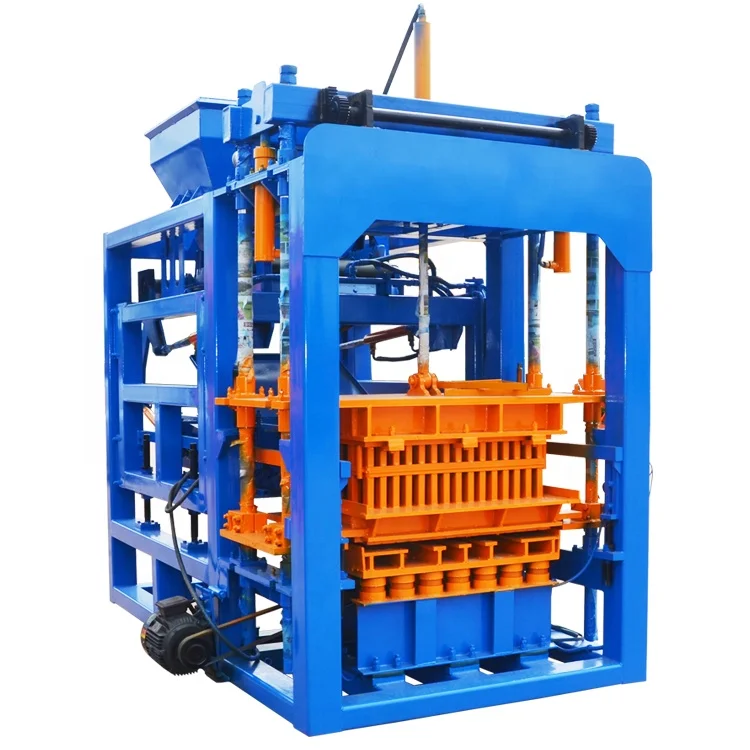
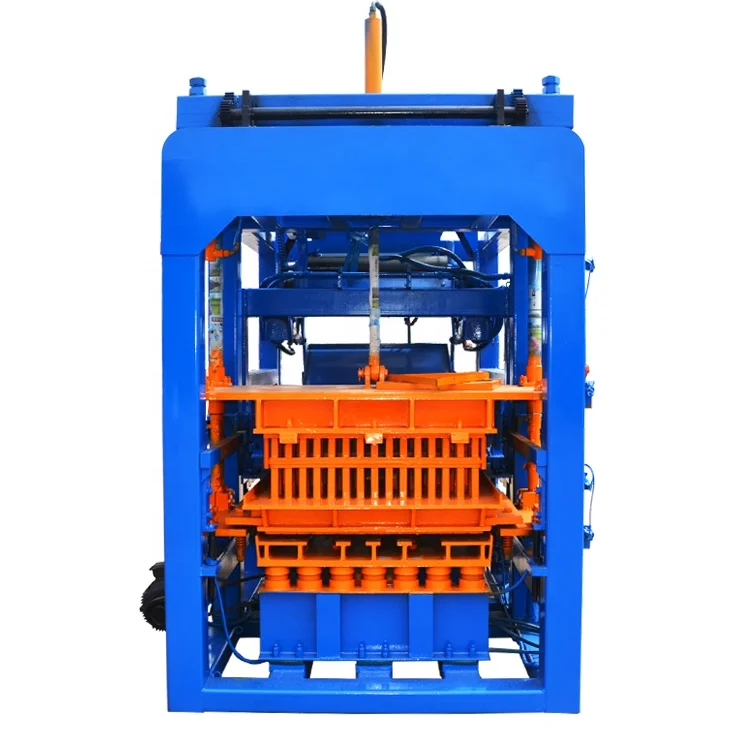
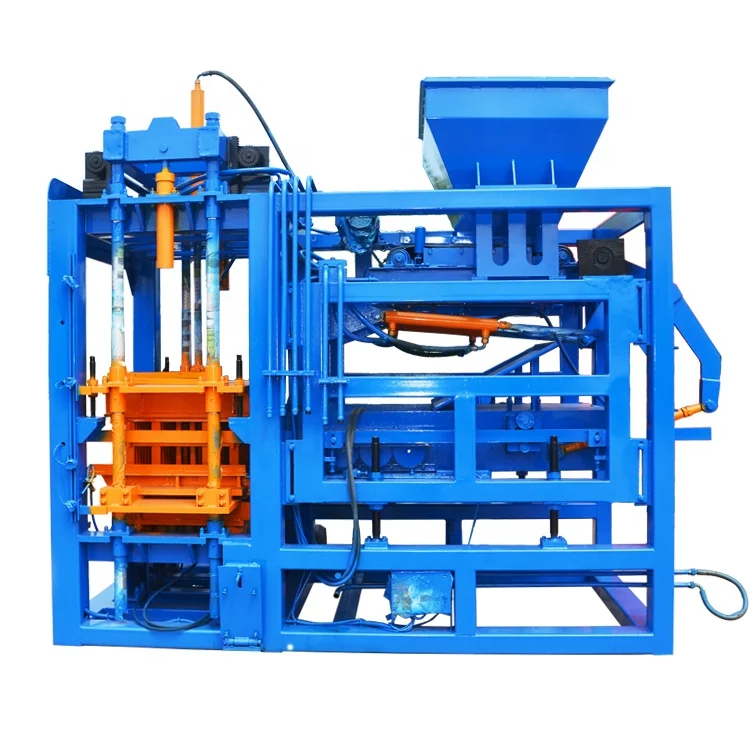
Description
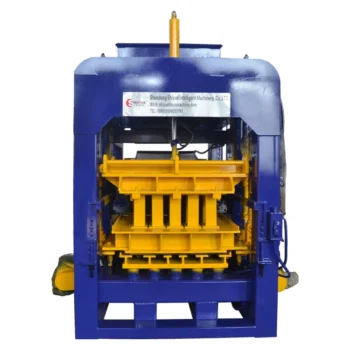
Stocked for Dispatch — QT6-15 block machine units held in inventory with standard mould sets ready for container loading, eliminating production scheduling delays for project-bound buyers.
Technical Specifications
| Parameter | Value |
|---|---|
| Model | QT6-15 |
| Product Type | Hydraulic Concrete Block Making Machine |
| Overall Dimensions (L×W×H) | 8200×1700×2950 mm |
| Vibration Frequency | 0–60 Hz |
| Vibration Form | Platform Vibration |
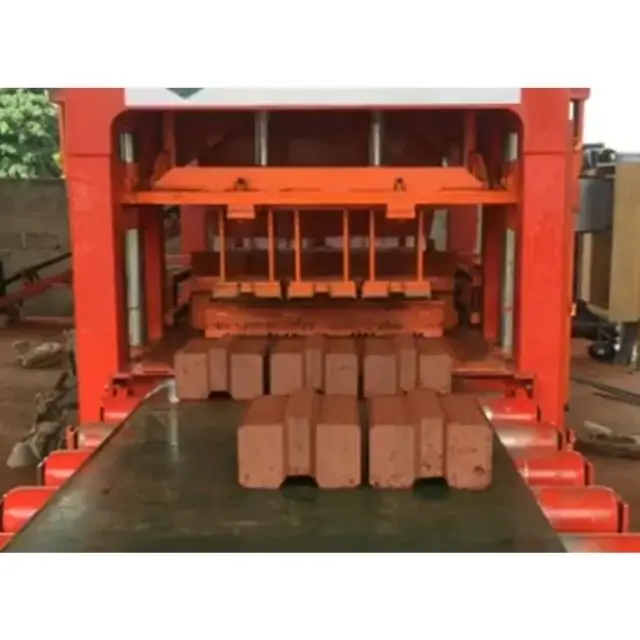
| Moulding Mode | Automatic loading with vibration moulding |
| Pallet Size | 880×850 mm |
| Molding Cycle | 15–20 s (basis not stated in source — confirm block format / material / thickness) |
| Overall Power | 37 kW |
| Vibration Force | 45 kN |
| Total Mass | 7 T |
| Demolding Method | Hydraulic |
| Factory Area Required | 1200 m² |
| Control System | PLC with touch screen interface |
| Block Compressive Strength | ≥15 MPa (verify against mix design) |
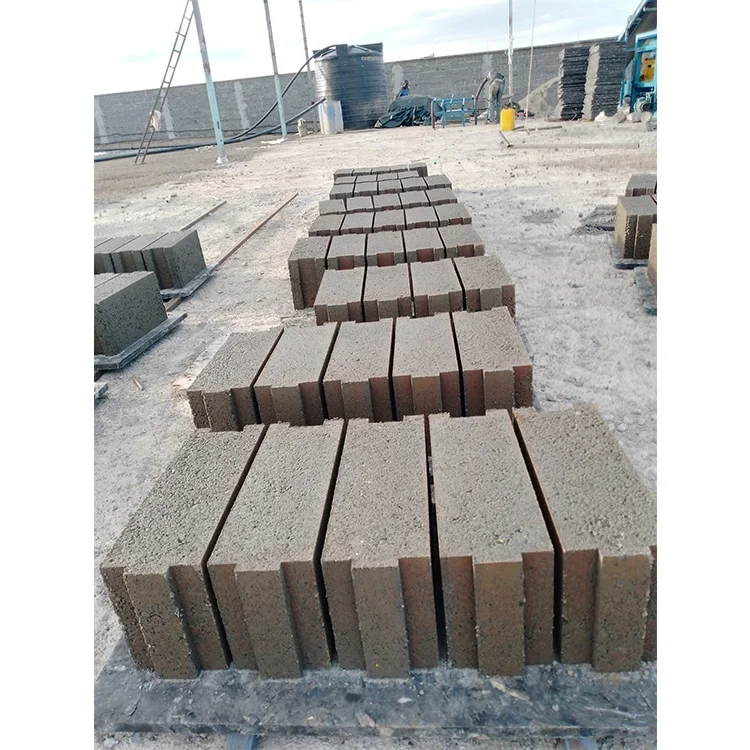
| Output Capacity (Hollow block 400×200×200 mm) | 1080–1440 pcs/h, 8640–11520 pcs per 8-hr shift |
| Output Capacity (Hollow block 400×150×200 mm) | 1440–1920 pcs/h, 11520–15360 pcs per 8-hr shift |
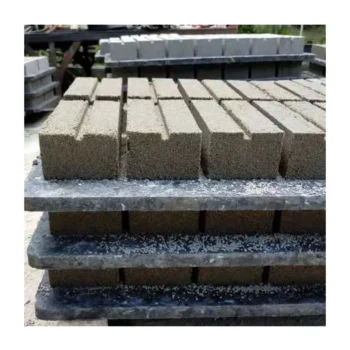
| Output Capacity (Solid brick 240×115×53 mm) | 5760–7680 pcs/h, 46080–61440 pcs per 8-hr shift |
| Output Capacity (Rectangular paver 200×100×60 mm) | 2160–2880 pcs/h (cycle 20–25 s), 17280–23040 pcs per 8-hr shift |
| Output Capacity (Zigzag paver 225×112.5×60 mm) | 2160–2880 pcs/h (cycle 20–25 s), 17280–23040 pcs per 8-hr shift |
| Hydraulic System | Independent integrated hydraulic station |
| Raw Material Adaptability | Waste ash, slag, and various aggregates; cement dosage adjustable |
| Fault Diagnosis | Built-in fault diagnosis system via PLC |
| Safety Logic | Interlock control circuit |
| Warranty | 1 year (excluding spare parts) |
Application Suitability
| Application | Material or Output |
|---|---|
| Hollow Block Production for Building Walls | Concrete mix with crushed stone, gravel, or sand aggregate |
| Solid Brick Production for Masonry | Cement-bound aggregate mix with fine sand and stone dust |
| Rectangular Paving Block Production | High-density concrete mix with fine aggregates for surface finish |
| Interlocking Paver Production (Zigzag) | Standard paver mix with adjustable cement dosage for strength |
| Waste Material Utilization | Industrial by-products including waste ash and slag as partial aggregate replacement |
Why the Lead Time Quote Matters More Than the Machine Price
A fast delivery block machine only helps if the dispatch timeline is confirmed in writing before you commit.
Contractors working against a construction deadline cannot afford vague promises like "ships soon." When a block plant project stalls because the equipment is still on a production queue, the real cost is not the machine — it is the idle crew, the delayed handover, and the penalty clauses that start ticking. Buyers often focus on technical specifications and overlook the logistics conversation until the order is placed, then discover their machine will not leave the factory for weeks [NEED_CITE: typical lead time variability for concrete block machinery exports].
Dispatch Readiness and Container Loading
The QT6-15 block machine fast delivery advantage begins with stocked units and standard mould configurations available for immediate dispatch planning. When a buyer confirms an order, the machine does not enter a production backlog — it moves to the preparation stage, where dismantling for container loading, packing, and customs documentation begin in parallel. This compressed timeline is what separates a machine that arrives within the project window from one that forces a schedule revision.
Pallet and Voltage Confirmation Before Shipping
Every QT6-15 fast delivery order requires written confirmation of pallet size compatibility with the buyer’s existing curing area and forklift capacity, plus voltage, frequency, and PLC display language locked in before the machine leaves the factory. Missing any of these details at the dispatch stage creates arrival-side delays that erase the time gained through quick shipping. A 37 kW machine wired for the wrong voltage standard is not a fast delivery — it is a fast delivery to a problem [NEED_CITE: voltage and frequency standards by export market].
What the Molding Cycle Actually Tells You
The QT6-15 operates with a 15–20 second molding cycle on the platform vibration system, but this figure shifts depending on block format, material moisture, and thickness. The vibration frequency range of 0–60 Hz and vibration force of 45 kN work together with the hydraulic demolding system to determine final block density. The independent integrated hydraulic station isolates the hydraulic components from main machine vibration and dust ingress, which matters because hydraulic valve failures on arrival are a common cause of commissioning delays that no fast delivery schedule can prevent. The PLC touch-screen control with built-in fault diagnosis reduces troubleshooting time during first startup, but only if the display language was confirmed before dispatch.
The Cost of Skipping Arrival-Side Preparation
Buyers who secure a QT6-15 block machine fast delivery timeline but fail to prepare the 1200 m² factory foundation, power supply circuit for a 37 kW load, and pallet inventory in advance will watch their time advantage disappear on arrival. The machine sits in its container while the site catches up, and the crew that was supposed to start production is instead waiting for concrete to cure on the factory floor [NEED_CITE: site preparation requirements for medium-capacity block plants].
Why This Dispatch Model Works
Shiyue focuses exclusively on block machinery, meaning the QT6-15 ships as a matched system — machine, mould, pallet, and handling equipment specified together rather than assembled from separate suppliers after arrival. Stock status on standard mould formats is confirmed at inquiry stage, so buyers know exactly which block sizes can ship immediately and which require additional lead time. Factory test records are generated on the buyer’s target block format before dispatch, not after arrival when adjustments are costly. Voltage and control language are locked in writing, preventing the most common arrival-side delay. Container loading plans with dismantling details and packing photographs are shared before shipment, giving the buyer visibility into what will arrive and in what condition.
Documentation & Verification
- Factory test record run on your specified hollow block format before dispatch
- Pallet specification sheet confirming 880×850 mm size and material grade
- Voltage, frequency, and PLC language confirmation document signed pre-shipment
- Hydraulic and electrical schematic matching as-built machine configuration
- Packing photographs documenting container loading and dismantling state
Installation, Commissioning & Support
- Foundation plan based on 8200×1700×2950 mm overall dimensions and 7 T total mass
- Dedicated power circuit specified for 37 kW overall power draw at confirmed voltage
- Machine dismantled for container loading with reassembly sequence documented
- PLC touch-screen parameter setup and fault diagnosis system calibrated on first startup
- Operator training covering mould change procedure and hydraulic station maintenance
- Wear parts list provided with initial spare parts shipment for first replacement cycle
What We Need to Confirm Your Dispatch Timeline
To give you a realistic QT6-15 dispatch schedule, we need your target block format and daily output requirement, your local raw material availability and mix design, the voltage and frequency standard at your site, and the pallet size your existing curing area and forklift can handle. Share these details and we will confirm which machine and mould configurations are available for immediate loading.
Frequently Asked Questions
Q: Is the QT6-15 currently in stock or built to order, and what is the realistic dispatch lead time?
A: Stocked QT6-15 units and standard mould formats are available for dispatch planning immediately upon order confirmation. Lead time depends on container loading schedule and any custom mould requirements. Built-to-order configurations require production scheduling. We confirm dispatch dates in writing before order commitment so your project timeline is protected.
Q: How is the machine dismantled and loaded into containers, and can I see packing photos before shipment?
A: The QT6-15 is dismantled into container-loadable sections with hydraulic and electrical connections separated for transport safety. Packing photographs documenting the loading state are shared with the buyer before the container leaves the factory. This gives you visibility into machine condition and packing quality before it reaches your port.
Q: What voltage and frequency options are available, and how is this confirmed before shipping?
A: The QT6-15 operates on confirmed voltage and frequency matching your local power standard, with PLC display language set accordingly. These parameters are confirmed in writing during the order stage, before production or dispatch begins. Incorrect voltage configuration is a leading cause of arrival-side commissioning delays that we prevent upfront.
Q: Which mould formats ship with the machine from stock, and which require additional lead time?
A: Standard hollow block, solid brick, and common paver mould formats are typically available for immediate dispatch with stocked QT6-15 units. Custom mould designs or specialized block formats require additional lead time for fabrication. We confirm format availability at the inquiry stage so you know exactly what ships and when.