

Description
Dispatch Lead Time Confirmed Upfront — the QTJ4-25 block making machine ships from stock with container loading details, machine dismantling plan, and arrival estimate quoted before order placement, so project timelines stay intact.
Technical Specifications
| Parameter | Value |
|---|---|
| Model | QTJ4-25 |
| Product Type | Motor Concrete Block Making Machine |
| Rated Power | 17.9 kW |
| Overall Dimensions (L×W×H) | 6400×1500×2700 mm |
| Total Mass | 2500 kg |
| Molding Cycle | 25 s |
| Pallet Size | 850×550×20 mm |
| Vibration Frequency | 2800 r/min |
| Vibration Force | 60 kN |
| Output Capacity | 4 pcs/mould for 400×200×200 mm hollow block; 7680 pcs/day (basis: 400×200×200 mm hollow block, 4 pcs/mould, 25 s cycle) |
| Mould Format | Hollow, solid, paver, curbstone (mould change required) |
| Automation Level | Semi-automatic |
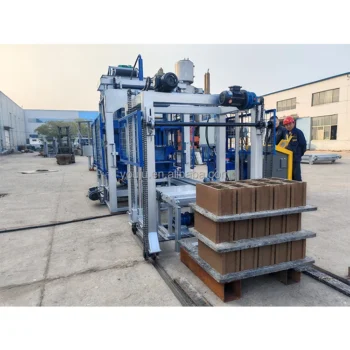
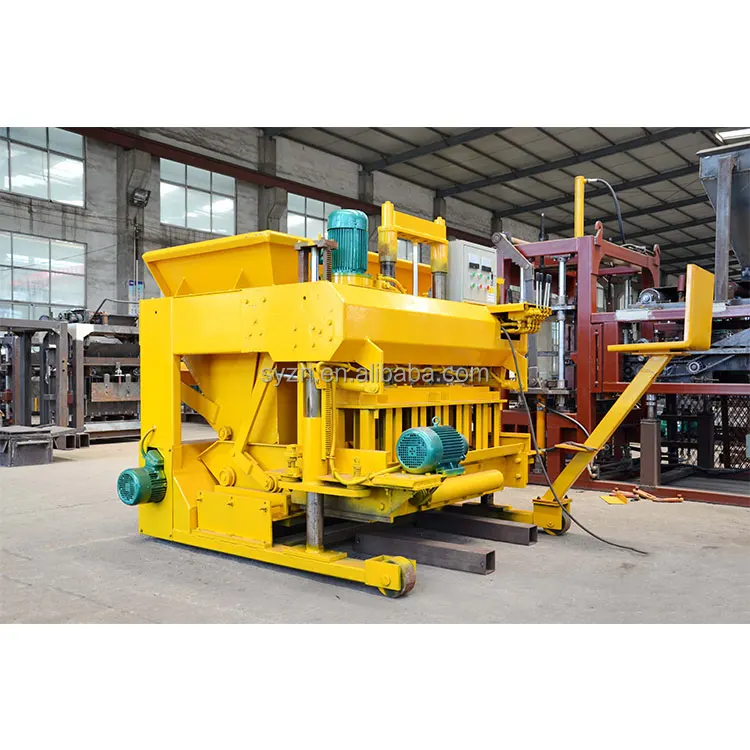
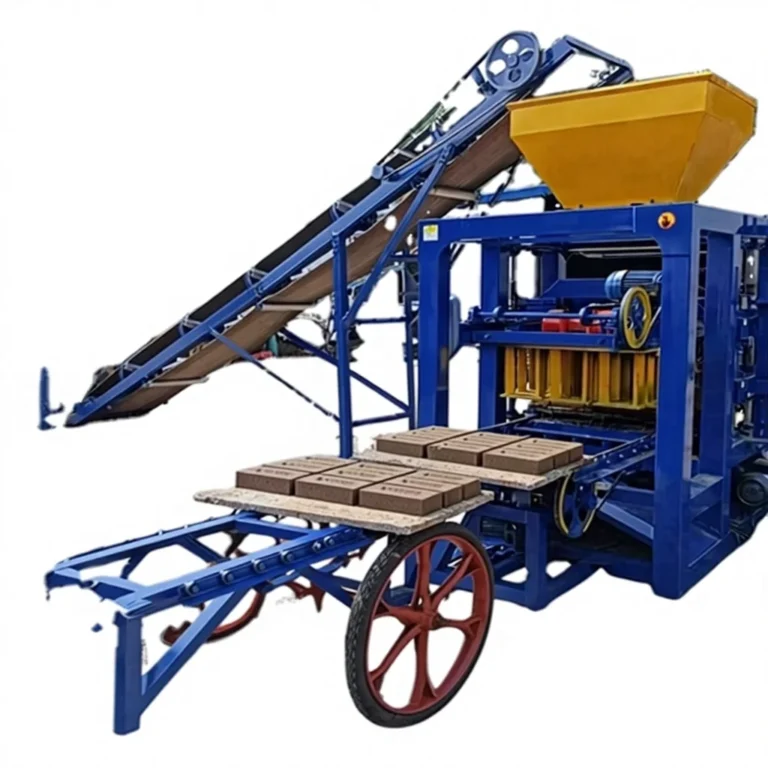
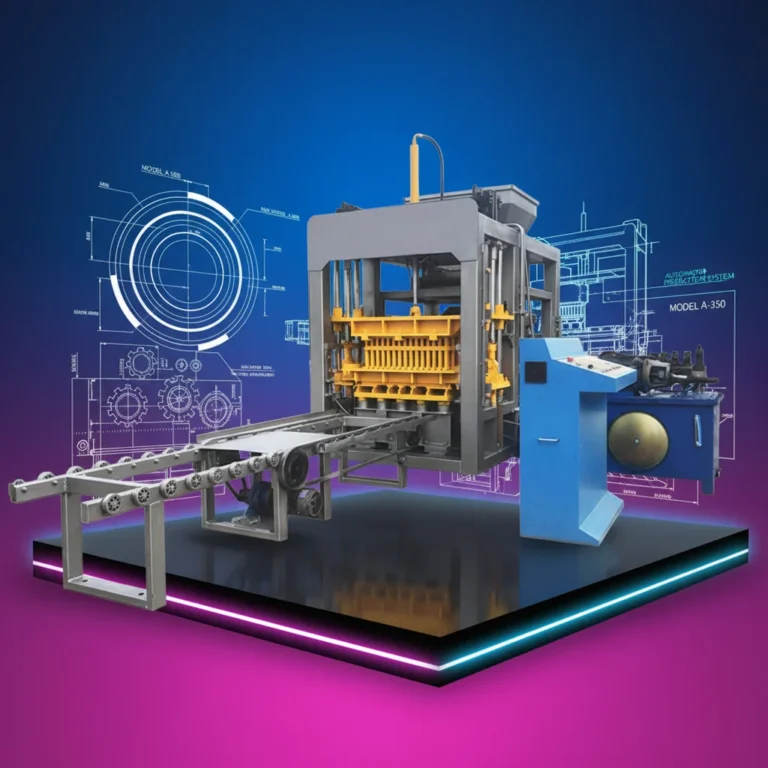
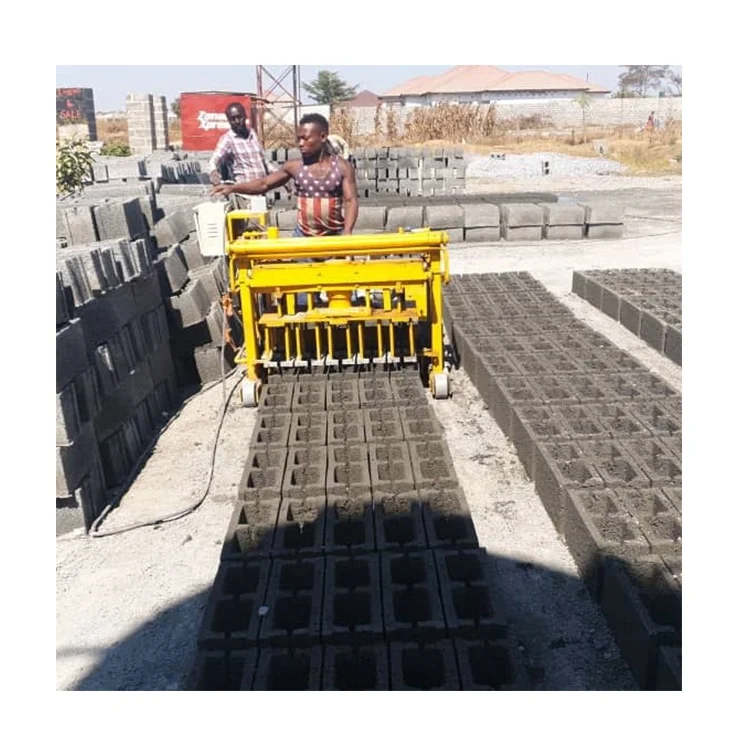
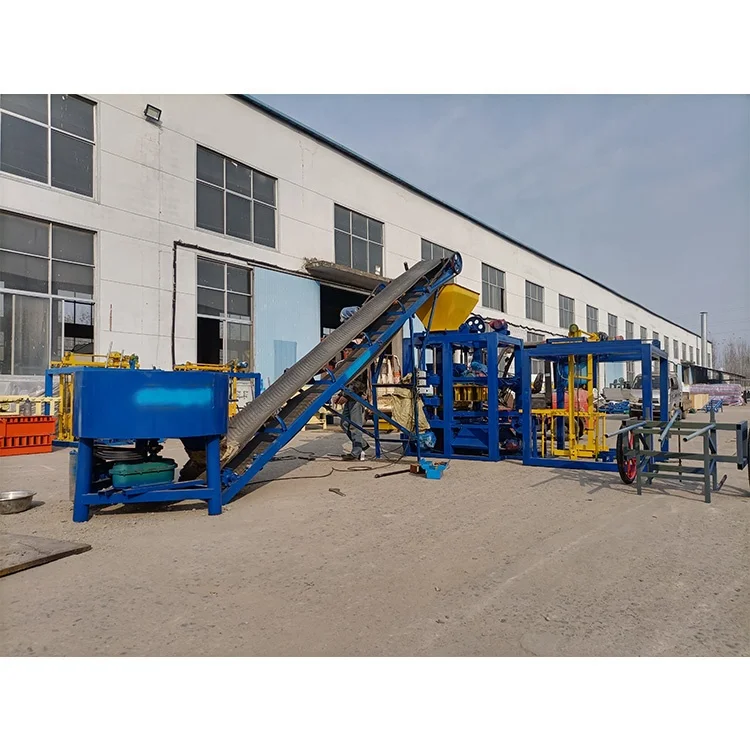
| Configuration Included | Host machine 1 set, block mould 1 set, JQ350 mixer |
| Stacking Method | Manual pallet handling with trolley to drying area |
Application Suitability
| Application | Material or Output |
|---|---|
| Hollow block production for residential and commercial walls | Crushed stone, cement, sand aggregate |
| Solid block production for load-bearing structures | Gravel and cement mix |
| Paving block production for walkways and yards | Fine aggregate with cement binder |
| Curbstone production for road and site edging | Coarse aggregate with cement |
Why "In Stock" Only Matters If Dispatch Is Real
Stock means the QTJ4-25 block making machine leaves the yard within days, not weeks — with dismantling and container loading confirmed before payment.
I have watched entire project schedules unravel because a supplier confirmed stock verbally but spent weeks sorting pallet quantities, mould compatibility, and voltage mismatches before the machine actually moved. A stocked QTJ4-25 should arrive at port on a timeline you can plan a pour schedule around, not a timeline you keep revising. Buyers working against contractor deadlines cannot afford a machine sitting in a warehouse while paperwork and packing details get resolved after the fact [NEED_CITE: typical delays from unconfirmed voltage and packing specifications in block machine exports].
What Stock Actually Includes for This Shipment
When we say the QTJ4-25 block making machine is available from stock, that covers the host machine, one block mould set matched to your specified format, and the JQ350 mixer — all staged for container loading. The pallet size of 850×550×20 mm determines how many pallets fit alongside the dismantled machine in the container, and that calculation gets locked in before dispatch, not guessed at the loading dock.
Container Loading and Dismantling Before You Commit
The QTJ4-25 stands 2700 mm tall and spans 6400 mm in length. For container shipment, the upper frame and hydraulic station require dismantling. We confirm exactly which components come off, how they are secured, and whether a 20 ft or 40 ft container is needed — based on the mould count and pallet quantity you require. No surprises at the port [NEED_CITE: container loading specifications for semi-automatic block machines].
Reading the Numbers That Matter on Arrival
The 60 kN vibration force paired with the 25-second molding cycle produces 4 hollow blocks per mould at 400×200×200 mm. That output figure is tied to this specific block size. If your market runs 6-inch or 5-inch blocks, the cycle and daily total shift accordingly. Confirming your primary format before shipment means the mould loaded at the factory matches what you intend to produce on day one.
How Vibration Force and Pallet Size Shape Your Site Layout
The 60 kN exciting power at 2800 r/min delivers vertical vibration through the bed mould combined with compression vibration from the upper mould. This dual action compacts the mix to consistent density across the pallet surface. The 850×550 mm pallet size is fixed — your curing area, drying trolleys, and any forklifts on site must accommodate this dimension. If your existing racks were built for a different pallet, blocks will not stack correctly during curing, and uneven drying leads to inconsistent strength across batches [NEED_CITE: relationship between pallet dimensions and curing area layout in block plants].
The 17.9 kW rated power requirement means the electrical supply at your site must be verified before the machine ships. Voltage and frequency mismatches are among the most common reasons commissioning stalls after arrival — a problem entirely avoidable when confirmed during the order stage.
When a Fast Dispatch Turns Into a Slow Start
Ordering a stocked machine without confirming voltage, pallet count, and mould format is how a fast dispatch becomes a slow commissioning. The machine arrives, but the electrical panel does not match local supply. Pallets are insufficient for continuous production. The loaded mould makes a block size your market does not buy. Each gap adds days or weeks to a timeline you chose stock specifically to protect.
Why This Dispatch Process Holds Up
Machine, mould, pallet, and mixer are specified as one matched shipment — not pulled from separate suppliers and forced into one container. Dispatch lead time is quoted against your destination port with shipping documentation support included. The container loading plan is confirmed before production release, so you know exactly what fits and what requires a second shipment. Voltage, frequency, and control language are verified before the machine leaves — not discovered mismatched at commissioning. Stocked moulds in standard formats are available for same-container loading, reducing the wait for your second block format [NEED_CITE: documentation and dispatch standards for block machine export shipments].
Documentation & Verification
- Factory test record running your specified block format before dispatch
- Container loading plan with dismantling photographs and packing list
- Voltage and frequency confirmation sheet matched to destination country standards
- Pallet specification document confirming size and material compatibility
- Customs documentation package prepared for destination port clearance
Installation, Commissioning & Support
- Foundation must support 2500 kg total mass across the 6400 mm machine footprint
- Electrical supply must deliver 17.9 kW at confirmed voltage and frequency
- Machine arrives dismantled — reassembly includes upper frame and hydraulic station mounting
- First production run verifies molding cycle and vibration force against your mix design
- Manual pallet handling training covers loading, stacking, and trolley transfer to curing area
- JQ350 mixer setup includes positioning relative to host machine for efficient material feed
Before You Request a Quote
To move from inquiry to confirmed dispatch date, we need your primary block format and daily target, destination port for arrival estimation, and local voltage and frequency specifications. If you already have pallets or curing racks on site, share those dimensions so we verify compatibility before loading.
Frequently Asked Questions
Q: Which QTJ4-25 configurations are currently in stock and what is the dispatch lead time?
A: The QTJ4-25 block making machine is stocked as a semi-automatic unit with host machine, one mould set, and JQ350 mixer. Dispatch lead time is quoted in working days from order confirmation to port, based on current stock levels and your specified mould format. Confirm your block size at inquiry so the correct mould is staged for loading.
Q: How is the machine dismantled and packed for container shipment, and what container size is required?
A: The upper frame and hydraulic station are dismantled for container loading. The 6400×1500×2700 mm machine footprint determines the minimum container length. A packing plan confirming component placement, mould count, and pallet quantity is provided before shipment so you know exactly what arrives.
Q: What is the arrival estimate to my destination port, and what customs documentation is provided?
A: Arrival estimates are calculated against your specific port using confirmed vessel schedules. Customs documentation includes commercial invoice, packing list, and certificate of origin where applicable. We prepare the paperwork package to match your destination country import requirements.
Q: Are pallets included in the stock package, and how many pieces are recommended for first shipment?
A: Pallets are specified separately from the machine stock package. The 850×550×20 mm pallet size must match your curing area and handling equipment. Recommended quantity depends on your production cycle and curing duration — confirm your drying area capacity so we calculate the right pallet count for the container.