Description
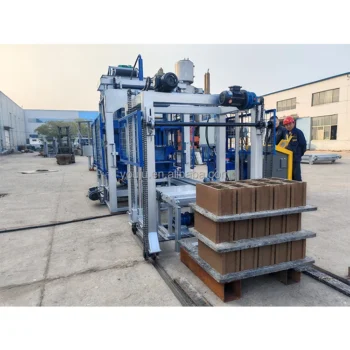
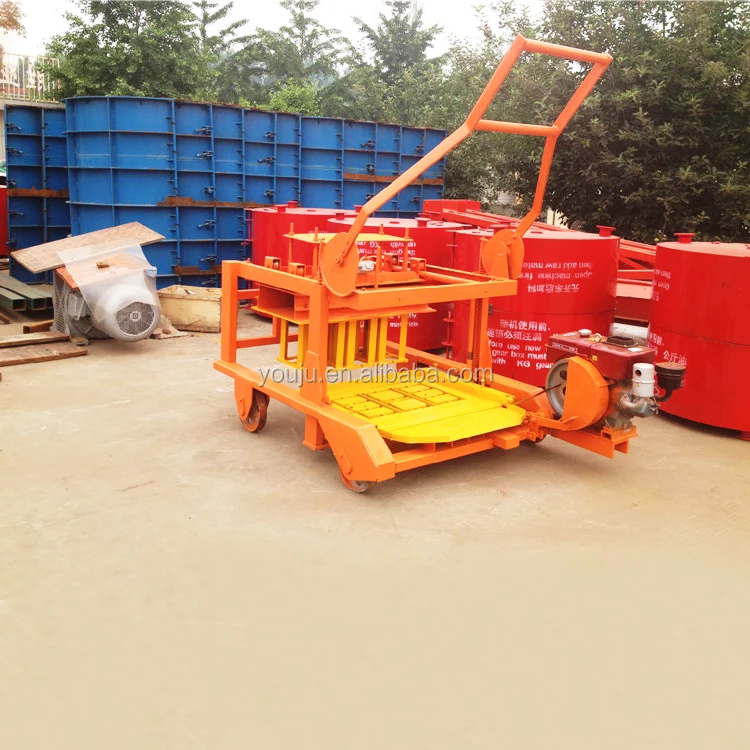
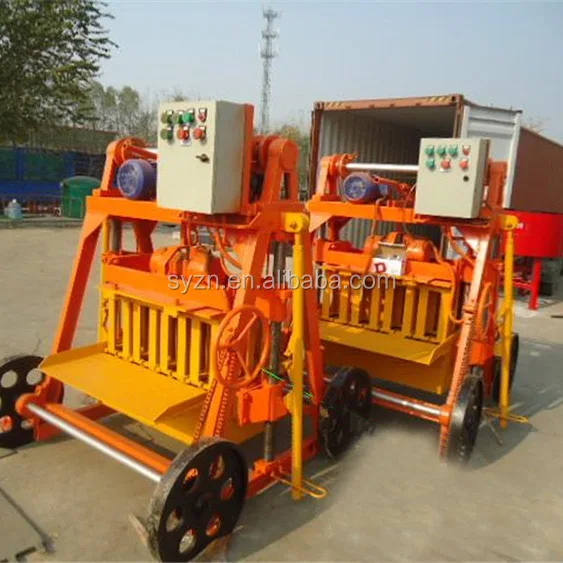
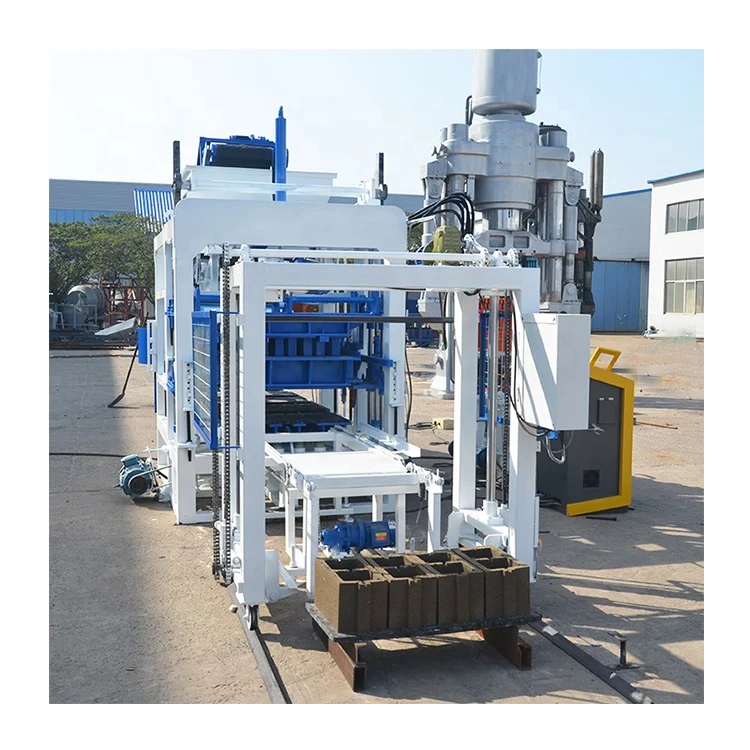
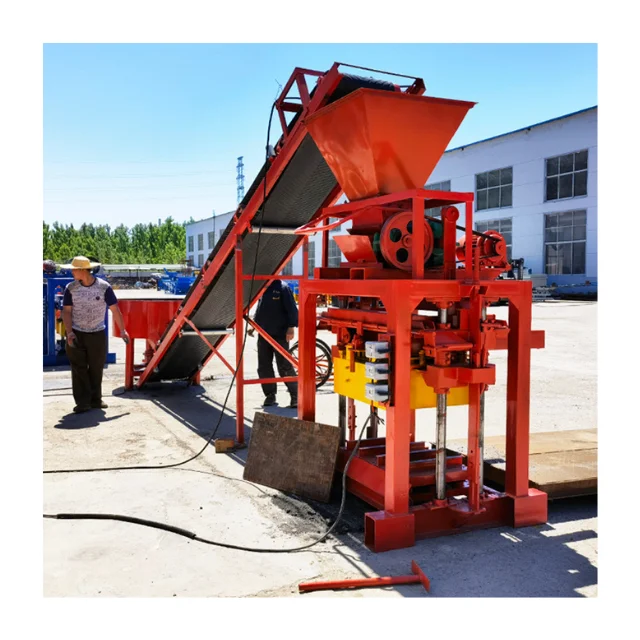
Stocked and ready — The QTJ4-35 block machine in stock ships with standard moulds matched to your target format, so your project starts producing on arrival instead of waiting weeks for custom tooling.
Technical Specifications
| Parameter | Value |
|---|---|
| Model | QTJ4-35 |
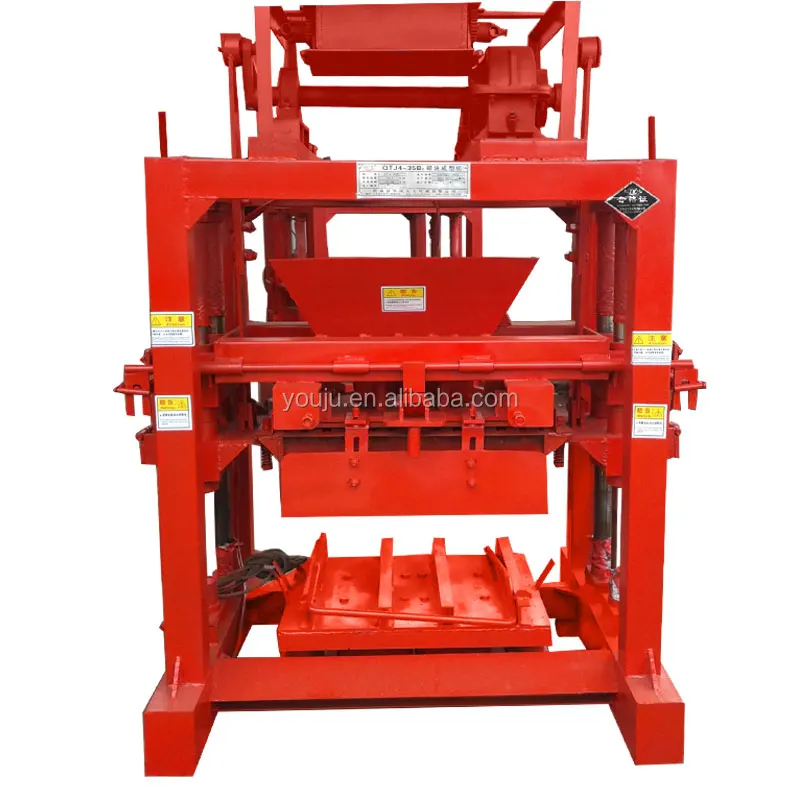
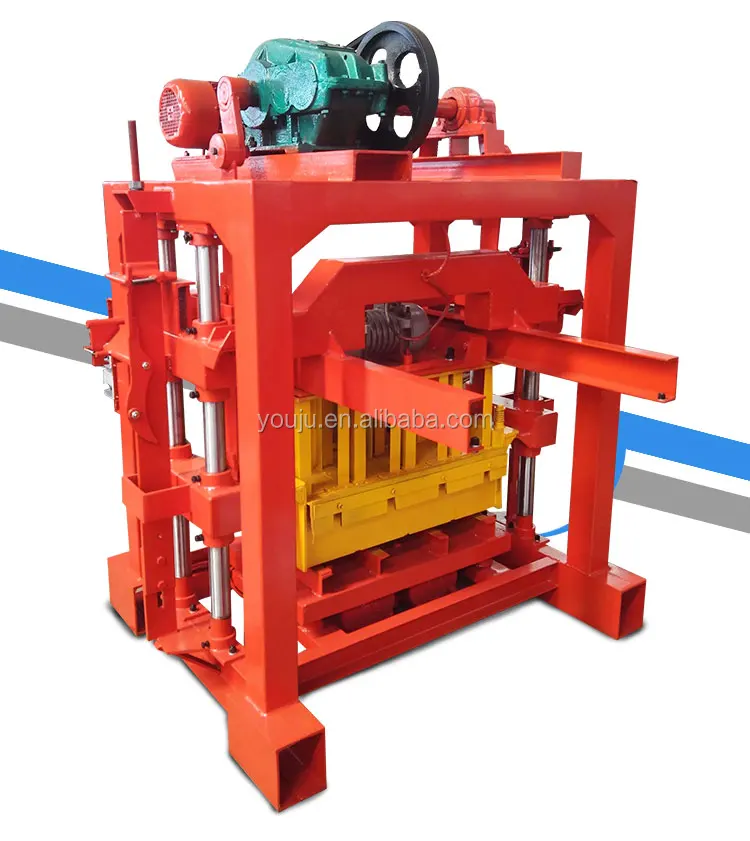
| Product Type | Stationary Manual Block Making Machine |
| Overall Dimensions (L×W×H) | 2050 x 1660 x 1900 mm |
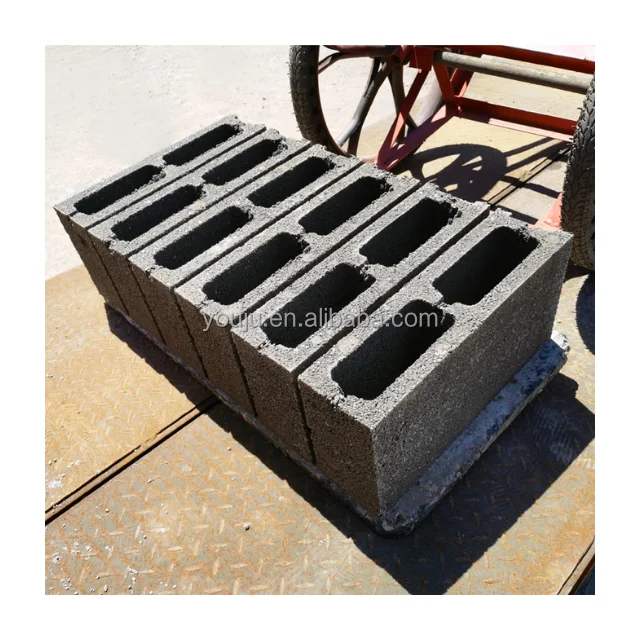
| Mould Format | 390×190×190 mm (4 pcs/mould), 390×240×190 mm (3 pcs/mould), 390×120×190 mm (6 pcs/mould), 240×115×53 mm (21 pcs/mould) |
| Molding Cycle | 35 s |
| Output Capacity | 3200 pcs/day (basis not stated in source — confirm block format / material / thickness) |
| Pallet Size | 850 x 450 mm |
| Rated Power | 9.7 kW (host machine) |
| Vibration Form | Platform vibration |
| Vibration Force | 32 kN |
| Control System | Manual operation |
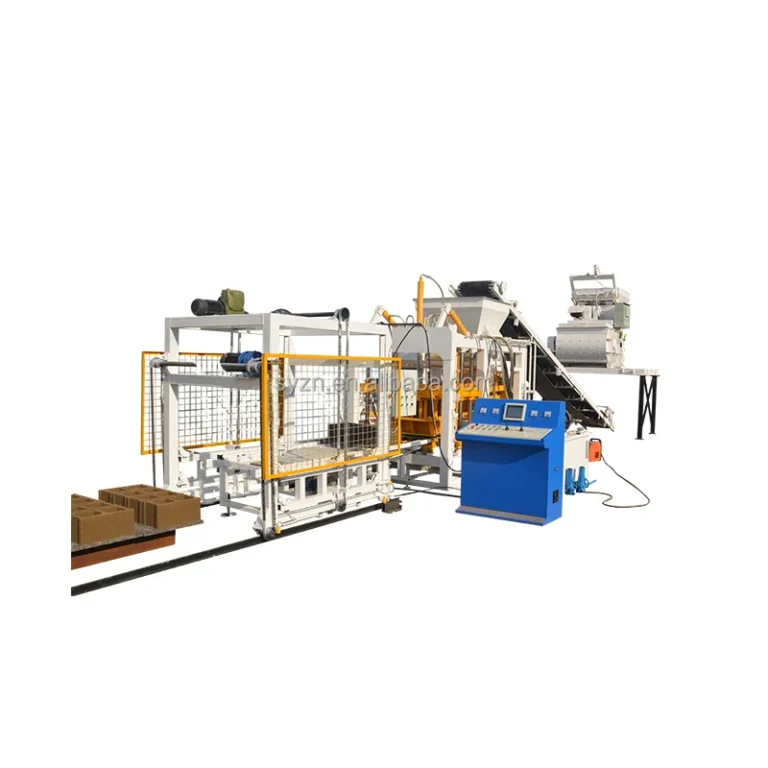
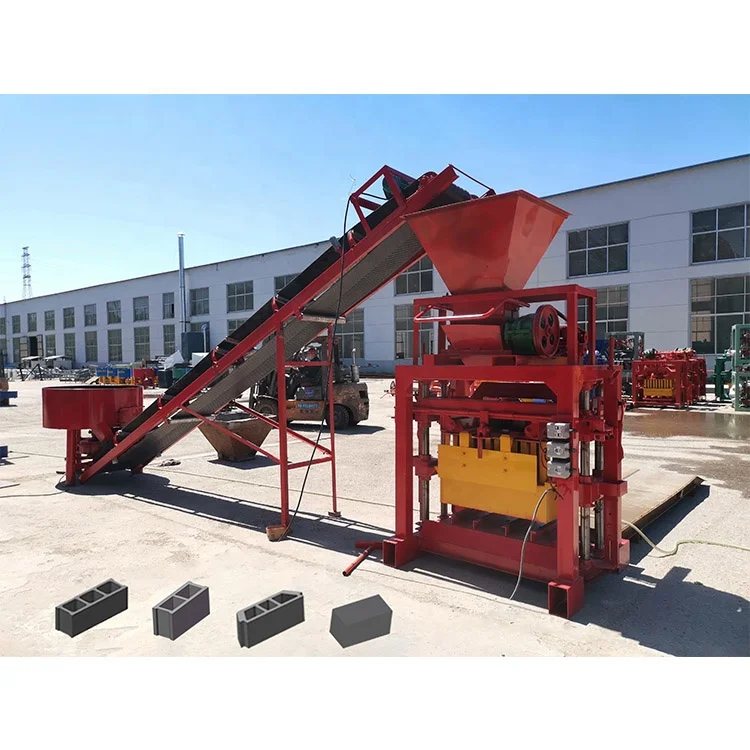
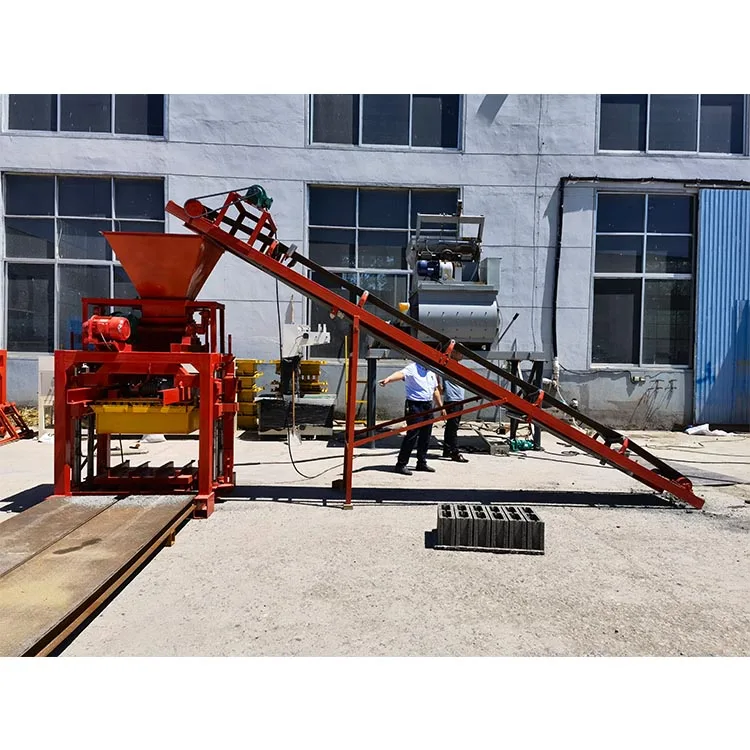
| Automation Level | Manual; semi-automatic line possible with conveyor and mixer |
| Optional Line Stations | Belt conveyor (6 m, 0.75 kW), small mixer (5.5 kW) |
Application Suitability
| Application | Material or Output |
|---|---|
| Small-scale hollow block production | Crushed stone, river sand, and cement for local housing projects |
| Solid brick manufacturing for masonry walls | Mechanism sand and gravel with fly ash or slag additive |
| Standard clay-size brick for infill and paving | Cinder, pumice stone, and lightweight concrete aggregates |
| Contractor on-site block making | Locally sourced aggregate to avoid long-distance transport costs |
| First block plant for new entrepreneurs | Low-investment manual line using industrial by-products such as ceramic waste and perlite |
What "3200 Pieces Per Day" Actually Means for Your Site
That daily output figure only holds true when tied to a specific block format, mould cavity count, and material mix — without those details it is a number without context.
I once watched a buyer in West Africa receive a machine rated at a headline daily capacity, only to discover it assumed the smallest solid brick format running on a standard river sand mix his site could not source. When he switched to locally available volcanic ash, the vibration force was no longer matched to the material, and the blocks crumbled at the edges straight out of the mould. [NEED_CITE: block density and strength correlation with vibration force and aggregate type] Before you commit to a QTJ4-35 block machine in stock, ask for a capacity sheet that states the exact format and mix behind every output number. The 35-second moulding cycle and four standard mould sizes give this machine genuine range, but the daily total shifts significantly depending on which of those four formats you are actually producing.
Dispatch Timing That Matches Your Project Clock
Construction deadlines do not wait for factory lead times. When a housing project or road contract has a fixed handover date, the gap between ordering and producing blocks on site can cost you weeks of masonry work. The QTJ4-35 block machine in stock is configured as a standalone host unit that ships with its standard mould set and pallet specification already confirmed, so the interval between payment and container loading stays short. Buyers working to a tight project schedule need a machine that arrives ready to run, not one that requires a second round of engineering after it lands at the port.
Line Configuration Without Over-Committing
Not every site needs a fully automatic plant from day one. This model starts as a manual press at 9.7 kW and can be paired with a 6 m belt conveyor (0.75 kW) and a small mixer (5.5 kW) when continuous feed makes sense. That staged approach lets a first-time entrepreneur begin producing solid and hollow blocks with a small crew, then add conveyor and mixer stations later without replacing the host machine. [NEED_CITE: staged automation adoption in small-scale block production] The semi-automatic upgrade path keeps initial capital low while preserving the option to raise throughput as local demand grows.
Reading the Spec Sheet Like a Plant Operator
The 32 kN platform vibration force is mechanical rather than hydraulic, which suits dry-mix aggregates such as crushed stone and cinder but requires careful water-content control when using fine materials like fly ash. Vibration force and the manual compaction stroke together determine the green strength of the block at demoulding; if the mix is too wet or the aggregate too fine, the block will slump before it reaches the curing rack. The 850 x 450 mm pallet size dictates how many blocks cure per square metre of yard space — measure your curing area and confirm your forklift fork width before ordering, because a mismatch here forces manual pallet handling and slows the entire cycle. The four standard mould formats cover the most common hollow block, solid block, and standard brick sizes sold in local markets, but mould change on a manual machine involves physical bolt work, so plan your format schedule to minimise changeovers within a single shift.
The Hidden Cost of Skipping Pre-Shipment Checks
I have seen machines arrive at a port with the wrong voltage wiring for the destination country, sitting in a container for weeks while an electrician rewires the motor control panel on site. [NEED_CITE: voltage and frequency standards by export market] A manual machine like the QTJ4-35 has fewer control components than an automatic line, but the 9.7 kW host motor and any optional conveyor or mixer motors still need the correct phase and frequency. Confirm voltage, plug type, and motor rotation direction before the machine leaves the factory — a correction at the destination costs far more than a bench check before loading. Pallets and wear parts are another frequent gap: if they are not listed on the packing manifest, your first production run stalls while you source replacements locally.
Why Buyers Source This Model Here
Block machinery is the single product focus of this workshop, so the host machine, mould, pallet, and optional line stations are specified as one matched set rather than assembled from unrelated suppliers. Configuration is adjusted against the buyer’s actual aggregate sample and target block format, not pulled from a catalogue default. Standard moulds for the four listed formats are kept in inventory, which is what makes the fast delivery claim real rather than a promise. Installation guidance and operator training materials ship with the machine, and wear part lists are provided so you can order spares before the first replacement falls due. Documentation covers the factory test record, packing photographs, and customs paperwork needed to clear the machine at your port of entry.
Documentation & Verification
- Factory test record run on your specified block format and aggregate sample before dispatch
- Machine specification sheet confirming vibration force, motor rating, and pallet dimensions
- Mould drawing and format list covering all four standard cavity sizes
- Voltage and frequency confirmation document signed before container loading
- Packing photographs showing dismantling state and crate securing method
- Customs documentation support including HS code and certificate of origin
Installation, Commissioning & Support
- Level concrete pad required; overall footprint 2050 x 1660 mm plus pallet staging area
- Dedicated 3-phase circuit for 9.7 kW host motor; confirm voltage and frequency before wiring
- Host machine ships partially dismantled; reassembly on site covers frame, vibration table, and mould guide
- First-run parameter setting includes vibration duration and manual compaction stroke adjustment
- Operator training covers mould change procedure across all four standard formats
- Wear parts list identifies vibration table springs and mould liner plates for first reorder
What to Include in Your Inquiry
Send the block format you plan to produce most often, the aggregate materials available at your site, and a sample of the raw mix if possible. Confirm your local voltage, frequency, and the language your operators will need on any control labels. If you already have a mixer or conveyor on site, share its specifications so the optional line stations can be matched or excluded from the quotation.
Frequently Asked Questions
Q: What dispatch lead time applies to the QTJ4-35 and its standard moulds?
A: Standard mould sets for the four listed formats are kept in inventory alongside the host machine, so dispatch lead time is measured in days rather than weeks once voltage and pallet specification are confirmed. Exact timing depends on container availability at the port and is quoted in writing at order.
Q: Which block format does the 3200 pcs/day capacity figure assume?
A: That figure is published without a stated format or material basis, so it must be verified against your specific mould choice and mix design. Request a capacity sheet that breaks down daily output for each of the four standard formats using your local aggregate before placing your order.
Q: How is the machine dismantled and loaded for container shipment?
A: The host machine is partially dismantled — vibration table, frame sections, and mould assemblies are separated to fit standard container dimensions. Packing photographs are provided before sealing, and a loading plan confirms weight distribution and securing method for ocean freight.
Q: Can voltage and frequency be confirmed and adjusted before the machine leaves the factory?
A: Yes. The 9.7 kW host motor and any optional conveyor or mixer motors are wired to the buyer’s confirmed voltage and frequency before dispatch. Motor rotation direction is checked on the bench, and a confirmation document is signed before the machine enters the container.
Q: Are pallets and a starter set of wear parts included in the shipment?
A: Pallet specification and quantity are confirmed at order and listed on the packing manifest. A wear parts list identifying vibration table springs and mould liner plates is provided so you can order a starter set before the first replacement cycle falls due.