Description
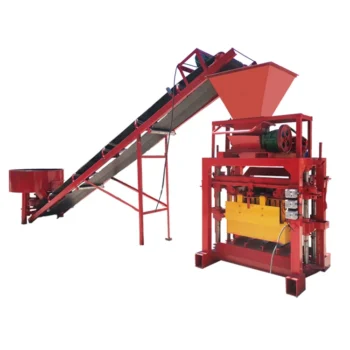
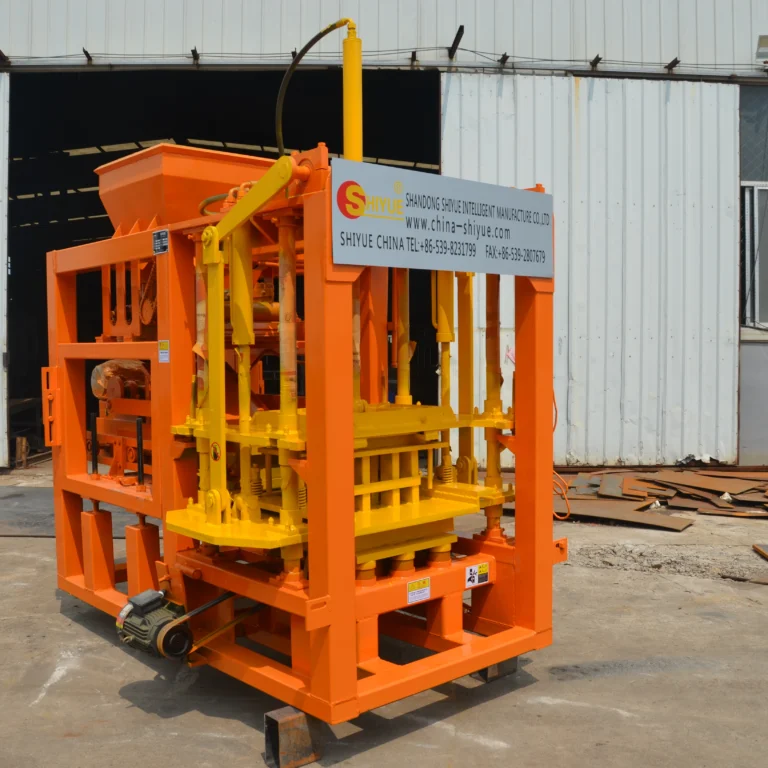
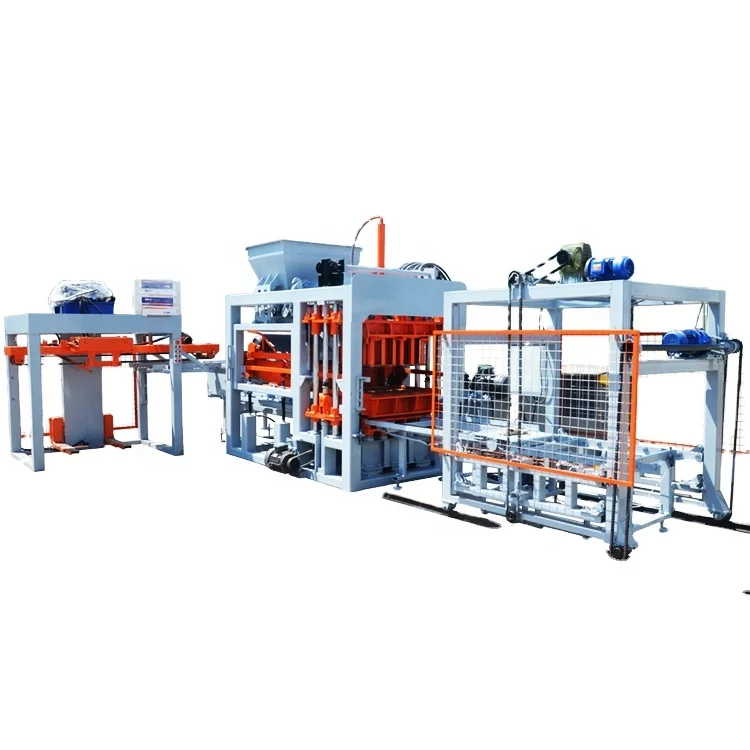
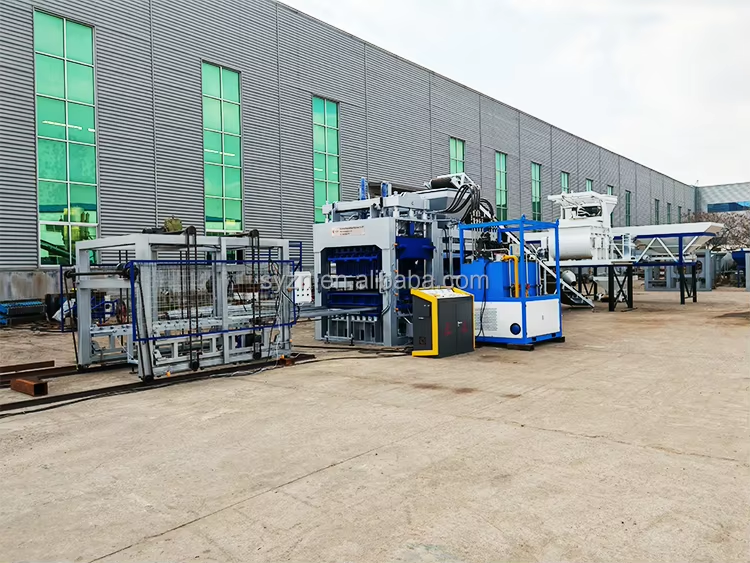
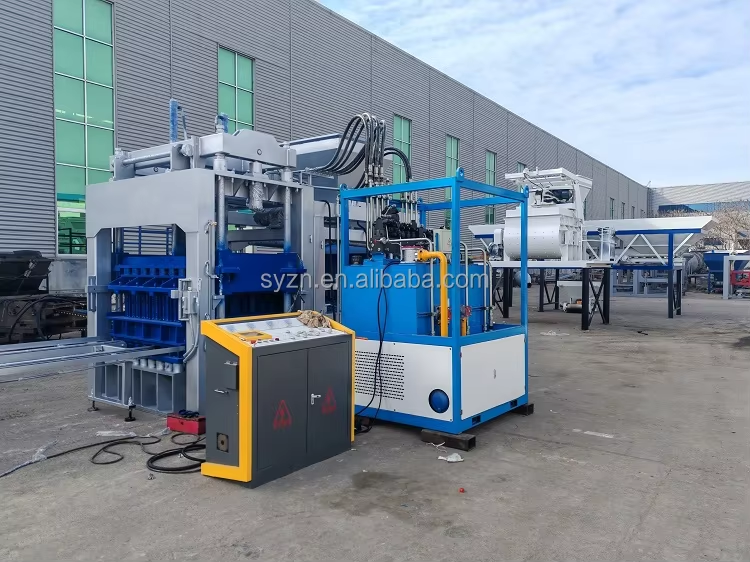
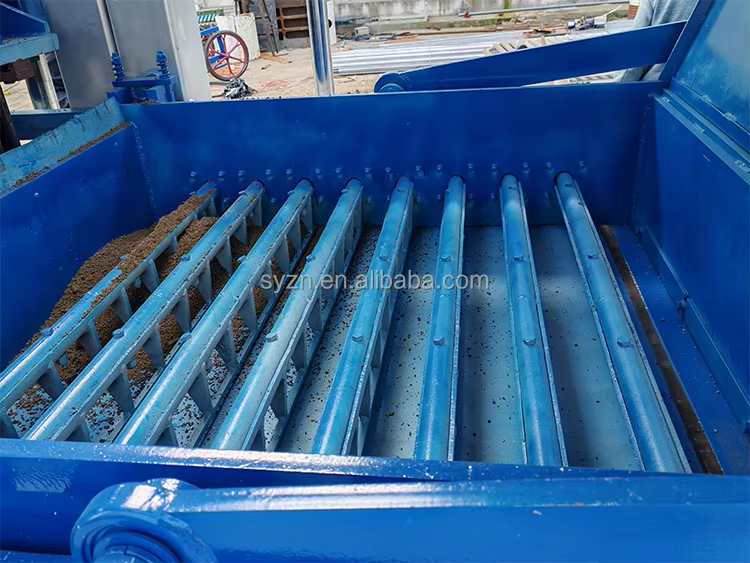
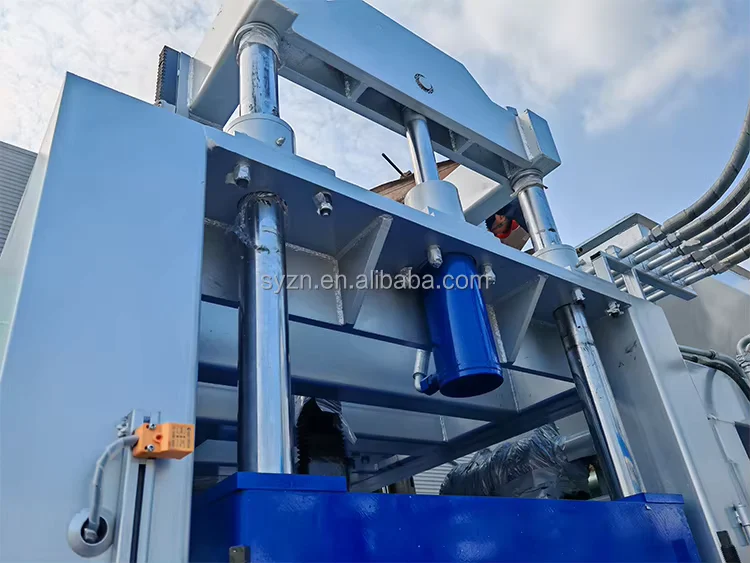
Matched System Dispatch — The QT 15-18 is prepared as a complete, coordinated line ready for immediate container loading, ensuring every component from the press to the handling equipment ships together without delayed partial deliveries.
Technical Specifications
| Parameter | Value |
|---|---|
| Model | QT 15-18 |
| Product Type | Fully Automatic Hydraulic Block Production Line |
| Automation Level | Fully Automatic |
| Forming Method | Hydraulic pressure |
| Compatible Block Types | Hollow, Solid, Paver, Interlocking, Curbstone |
| Raw Material Base | Cement, Concrete |
| Standard Mould Inventory | 11 formats including 400×200×200 mm and 200×100×60 mm |
| Voltage Compatibility | Configurable from 110 V to 440 V |
| Core Drive Components | PLC, Motor, Pump, Gearbox, Pressure Vessel |
| Net Weight | 35000 kg |
| Output Capacity | [Value not stated] (basis not stated in source) |
| Cycle Time per Format | [Value not stated] (basis not stated in source) |
Application Suitability
| Application Scenario | Material or Output Focus |
|---|---|
| High-volume hollow block production | Cement and concrete mixes for structural walls |
| Interlocking paver manufacturing | Dense concrete for driveways and pedestrian zones |
| Curbstone and solid block forming | Heavy-duty concrete for infrastructure and landscaping |
| Fast-track housing project supply | Continuous output of standard masonry units |
Why Arrival Timing Dictates the Equipment Choice
When a construction schedule is fixed, the QT 15-18 automatic block production line in stock becomes the most practical solution to prevent idle crews waiting for machinery. [NEED_CITE: impact of equipment delays on construction project timelines] I once saw an automatic stacking system arrive at a project site where the building clearance was too low, forcing the contractor to modify the roof structure before installation could even begin. That experience shifted my entire focus toward verifying site drawings and locking in dispatch schedules before any crate leaves the factory. Securing a machine that is physically ready to load, with standard moulds already on the shelf, removes the most unpredictable variables from your procurement timeline.
Dispatch Readiness and Container Loading
Securing a QT 15-18 automatic block production line in stock means the main press and supporting handling stations are staged for rapid dismantling and crating. The 35000 kg structure is broken down into optimized modules that fit standard shipping containers, preventing expensive oversized freight charges. Every component is secured with heavy-duty bracing to survive ocean transit, ensuring the equipment arrives exactly as it left the factory floor.
Transparent Arrival Estimates and Site Coordination
Ordering this QT 15-18 automatic block production line in stock provides upfront arrival estimates based on real vessel schedules rather than optimistic factory promises. We verify the destination port discharge procedures and inland transport weight limits before dispatch. This prevents situations where a fully loaded container arrives at the site but the local forklifts cannot unload the heavy modules. [NEED_CITE: standard port discharge and inland heavy freight logistics]
Interpreting the Physical and Electrical Parameters
The 35000 kg net weight reflects the heavy-duty steel structure required to absorb the intense hydraulic pressure and vibration forces during continuous forming cycles. A lighter frame would eventually crack under the stress of daily production. The extensive voltage compatibility, ranging from 110 V to 440 V, ensures the main motors and control panels can be wired directly to your local grid without requiring external step-down transformers. Having 11 standard brick size moulds physically available in the warehouse means you can load multiple formats into the same container, giving you immediate product flexibility the moment the line is commissioned.
The Hidden Costs of Ignoring Site Clearances
Failing to verify the exact height of your curing area and the travel path of the handling equipment often leads to disastrous on-site modifications. I have watched contractors spend weeks cutting through reinforced concrete roofs just to get the automatic stacker through the door. When the physical footprint and vertical clearances are not matched to the actual building plans before dispatch, the entire commissioning schedule collapses, leaving expensive machinery sitting in crates while the facility is retrofitted. [NEED_CITE: industrial machinery installation clearance and foundation requirements]
Why Source This Line Here
Our single focus on block machinery means the press, pallets, and handling equipment are dispatched as one verified system, eliminating the finger-pointing that happens when parts are sourced from separate vendors. We confirm your exact voltage, frequency, and control display language before the machine is crated, preventing electrical delays upon arrival. Every shipment includes detailed packing photographs and container loading plans so you know exactly how the modules are secured. We provide realistic dispatch lead times based on actual warehouse inventory, not theoretical manufacturing schedules.
Documentation & Verification
- Factory test record verifying hydraulic pressure and cycle functions before crating
- Container loading plan showing module placement and securing methods
- Voltage and control language confirmation sheet signed prior to dispatch
- Machinery test report and video outgoing-inspection for your specific configuration
- Complete packing photographs documenting the condition of every component at loading
Installation, Commissioning & Support
- Foundation plans matched to the 35000 kg dynamic load and vibration profile
- Electrical schematics detailing the specific 110 V to 440 V wiring configuration
- Dismantling guide showing how to reassemble the heavy modules on-site
- On-site commissioning support to calibrate the hydraulic pressure and handling speeds
- Operator training focused on daily maintenance of the gearbox and pump systems
- Wear parts list identifying the exact components requiring regular replacement
Preparing Your Site for Delivery
To ensure a smooth installation, please provide the exact dimensions and vertical clearances of your production building, along with the load-bearing capacity of your concrete foundation. We also need your local voltage and frequency specifications to configure the electrical panels correctly before the equipment leaves our facility. Finally, share the specifications of your existing forklifts so we can ensure the pallet handling system matches your current material movement capabilities.
Frequently Asked Questions
Q: What is the exact dispatch lead time for the QT 15-18 automatic block production line in stock?
A: Because this line is kept in our ready-to-ship inventory, the dispatch lead time is limited only by the days required for final factory testing, dismantling, and container loading. We provide a precise dispatch date and an upfront arrival estimate based on current vessel schedules the moment your order is confirmed, ensuring your project timeline remains intact.
Q: Which standard block moulds are currently ready to ship with the machine?
A: We maintain a deep inventory of standard moulds, including formats for 400×200×200 mm hollow blocks, 200×100×60 mm pavers, and various interlocking and curbstone sizes. You can select multiple formats from our available stock to be loaded into the same shipping container, giving you immediate production versatility without waiting for custom tooling fabrication.
Q: How is the heavy machinery dismantled and loaded for international shipment?
A: The 35000 kg line is systematically broken down into optimized modules that fit securely inside standard shipping containers. We use heavy-duty bracing and provide detailed packing photographs and a container loading plan. This ensures safe ocean transit and gives your local rigging crew a clear guide for unloading and reassembling the equipment at your site.
Q: Can the voltage and control language be adjusted before the machine leaves the factory?
A: Yes, we configure the electrical system to match your exact local voltage and frequency requirements, selectable from 110 V to 440 V. We also set the control display language to match your operators. Confirming these details before dispatch prevents costly electrical modifications and commissioning delays once the equipment arrives at your facility.