

Hollow Block Machine for Sale in Dominican Republic by Shiyue
Buying the cheapest machine is often the most expensive mistake.
The success of a block manufacturing plant in the Caribbean does not depend on the theoretical maximum output of the equipment, but on its resilience to local aggregate variability and power instability. A Hollow Block Machine for Sale in Dominican Republic must be selected based on a pre-assessment of sand clay content, grid voltage fluctuation tolerance, and the availability of local technical maintenance, rather than just the price tag or brand name.
I remember standing in the dust of a construction site in Addis Ababa, watching a newly installed QT6-15 line produce nothing but crumbled waste. The client had sourced the machine based on a brochure that promised high efficiency, but they had ignored the fact that their local sand had a high silt content. The vibration frequency was set for clean river sand, not the dusty quarry mix they were using. I spent weeks recalibrating the mixing time and adjusting the water-cement ratio before a single usable block came off the pallet. That experience shifted my focus from selling specs to solving environmental mismatches. Now, when I look at inquiries for a Hollow Block Machine for Sale in Dominican Republic, I do not start with the catalog. I start with the soil report.
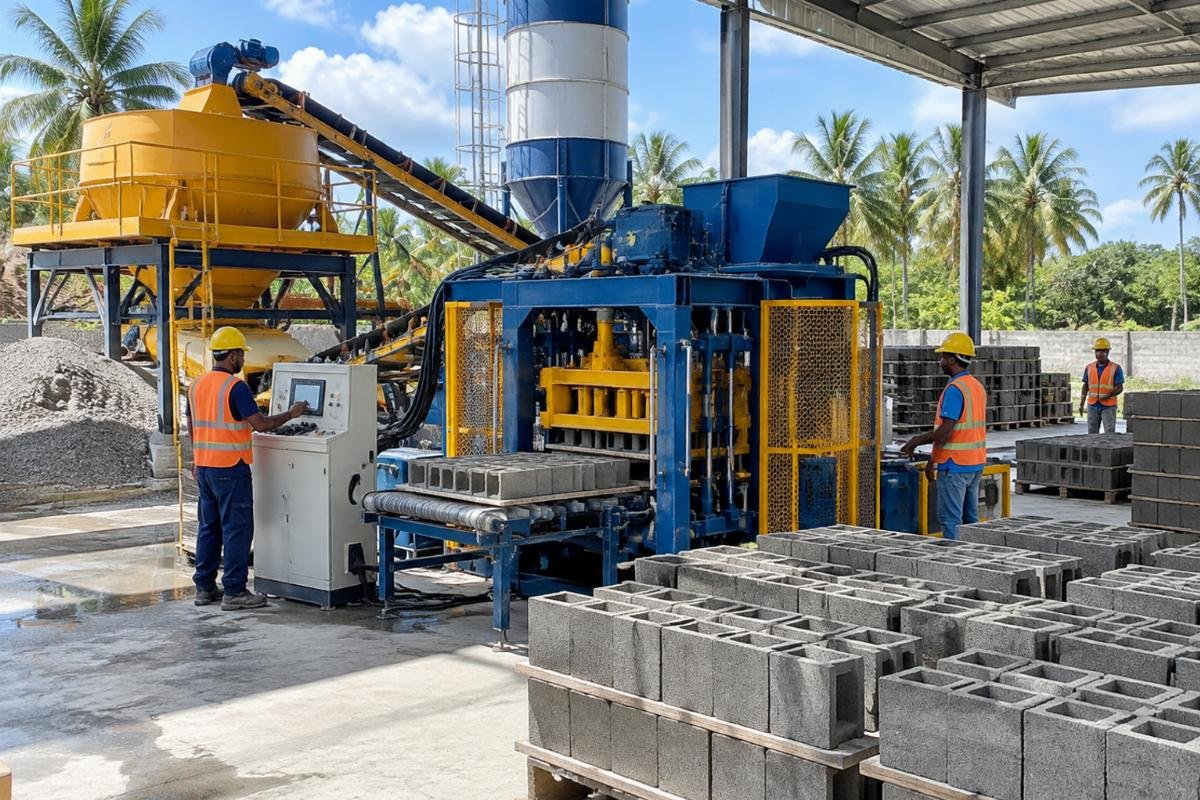
The Caribbean market presents unique challenges that differ significantly from the stable industrial environments of Europe or North America. Investors often overlook these nuances, leading to prolonged downtime and wasted raw materials. This guide breaks down the critical factors for selecting the right equipment, drawing from real-world installation scenarios to help you avoid common pitfalls.
Why Do Block Machines Fail in the Caribbean?
Ignoring local aggregate and power conditions is the primary cause of operational failure.
Many investors assume that a fully automatic line purchased from a reputable manufacturer will work seamlessly upon arrival. However, the reality in regions like the Dominican Republic is that infrastructure and raw material quality vary significantly from one province to another. The majority of early-stage failures are not due to mechanical defects, but to a mismatch between the machine’s design parameters and the local operating environment [NEED_CITE: common causes of concrete block machine downtime in emerging markets].
In one case, a client in the Caribbean purchased a high-end automatic line without considering the local power grid. The voltage in their area fluctuated wildly during peak hours. The sensitive PLC controls of the machine interpreted these spikes as errors, triggering frequent emergency stops. The production line sat idle for days while technicians tried to reset the system. The solution was not a new machine, but the installation of a robust voltage stabilizer and a slight modification to the electrical cabinet’s protection settings. Without this adjustment, the Hollow Block Machine for Sale in Dominican Republic would have remained a costly piece of static metal.
Another common issue is the quality of aggregates. In many parts of the island, sand is sourced from riverbeds or coastal areas where clay and salt content can be high. If the mixing system is not designed to handle these impurities, the bond between the cement and the aggregate fails. The resulting blocks may look fine initially but crumble under pressure or after curing. This is why a generic machine specification is insufficient. The equipment must be tailored to handle the specific physical properties of the local raw materials.
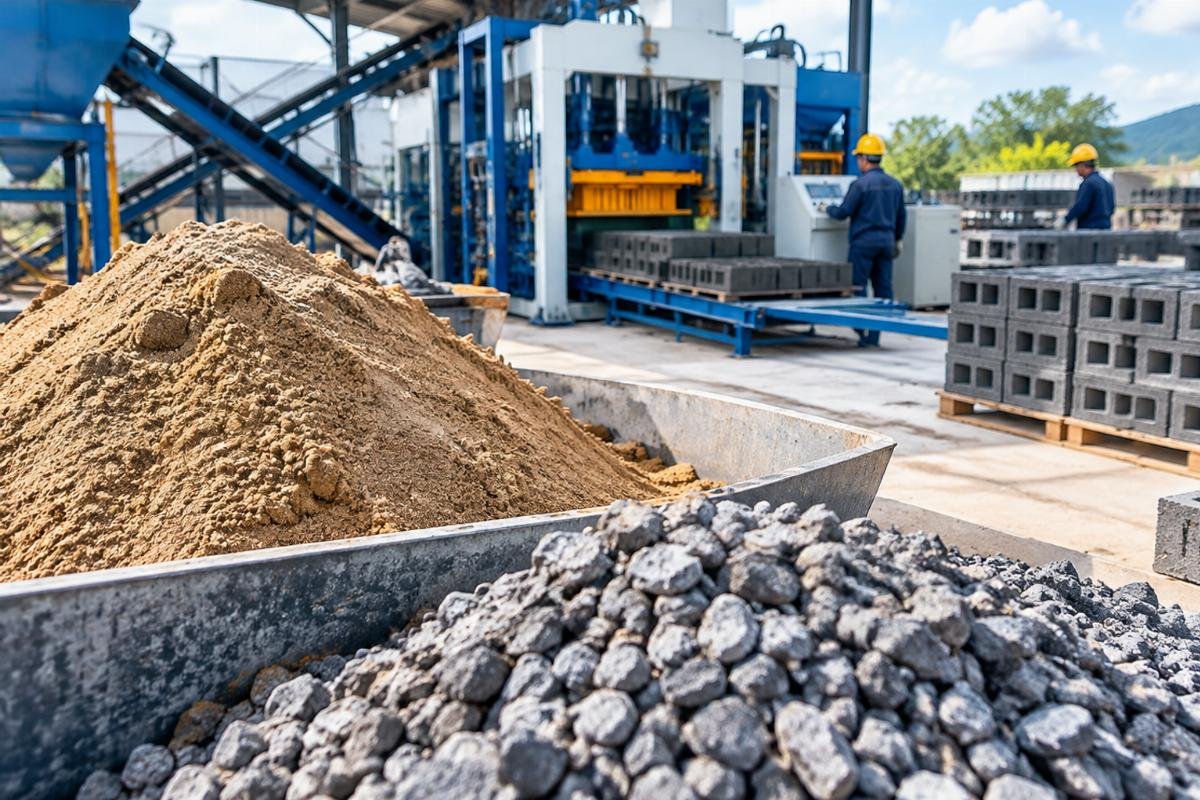
How to Match Machine Type to Your Aggregate Quality?
Select the mixing and molding system based on the silt content and moisture level of your local sand.
The heart of any block making process is the mixing stage. If the mix is not homogeneous, the compression stage will fail, regardless of how powerful the hydraulic system is. For investors looking for a Hollow Block Machine for Sale in Dominican Republic, understanding the relationship between aggregate quality and machine type is crucial.
| Aggregate Condition | Recommended Mixing System | Molding Approach | Maintenance Requirement |
|---|---|---|---|
| Low Silt, Consistent Moisture | Standard Twin-Shaft Mixer | High-Speed Automatic | Low |
| High Silt, Variable Moisture | Extended Time Mixer with Water Spray | Semi-Automatic or Robust Automatic | High |
| Crushed Stone Heavy Mix | Heavy-Duty Planetary Mixer | High-Pressure Compression | Medium |
When the sand has a high clay content, it absorbs more water and requires longer mixing times to ensure the cement coats every particle. A standard mixer might not provide enough agitation, leading to weak spots in the block. In such cases, a machine with an adjustable mixing cycle and a more powerful motor is necessary. I have seen plants switch from fully automatic to semi-automatic modes simply because the local labor force could better manage the variable feed rates required by poor-quality aggregates.
Furthermore, the molding process itself must be adaptable. High-clay mixes tend to stick to molds. Machines with superior mold release mechanisms and easy-clean designs are essential. If the mold cleaning process is too complex, operators will skip steps, leading to dimensional inaccuracies and surface defects. Choosing a Hollow Block Machine for Sale in Dominican Republic that features accessible mold compartments and automated cleaning cycles can significantly reduce labor intensity and improve product consistency.
It is also important to consider the water-cement ratio. In humid tropical climates, the ambient moisture can affect the dryness of the aggregate. Machines with precise water dosing systems can adjust for these variations automatically, ensuring that each batch has the correct consistency. This level of control is vital for maintaining strength standards without wasting cement.
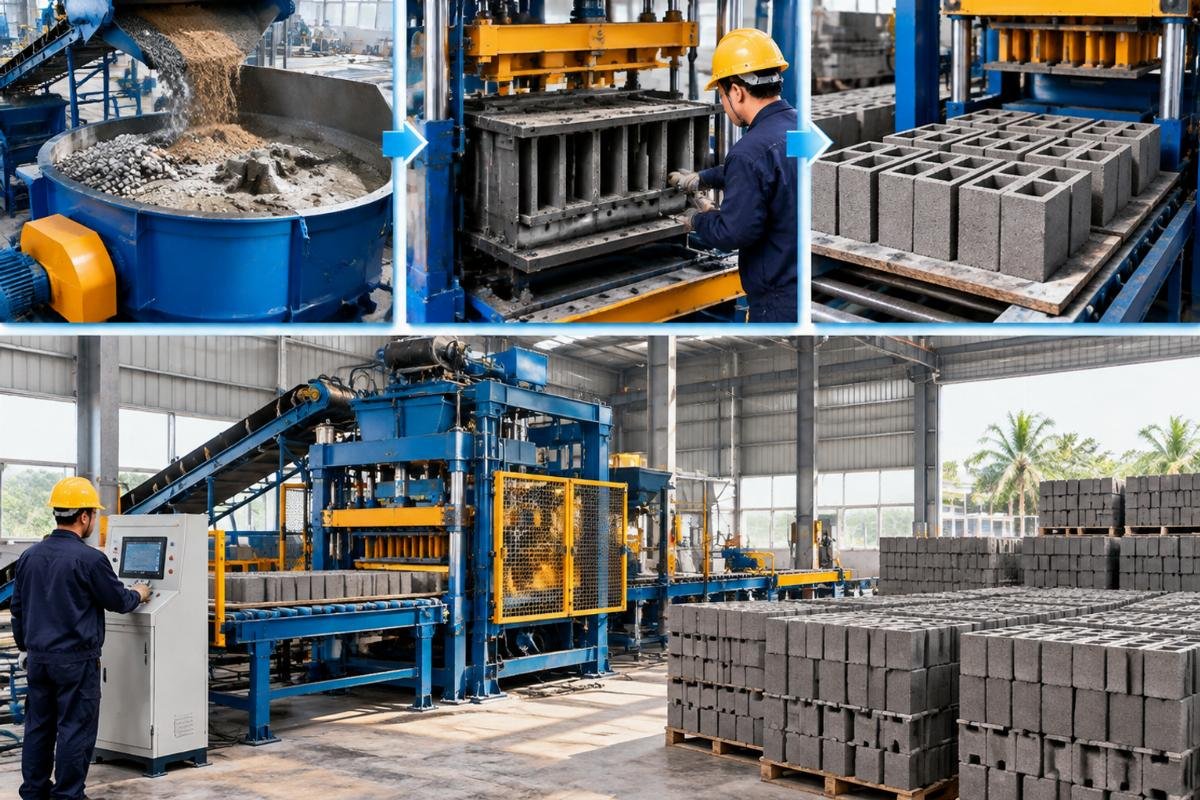
What Is the Real ROI of a Turnkey Solution?
A turnkey package that includes training and commissioning shortens the payback period by reducing initial waste.
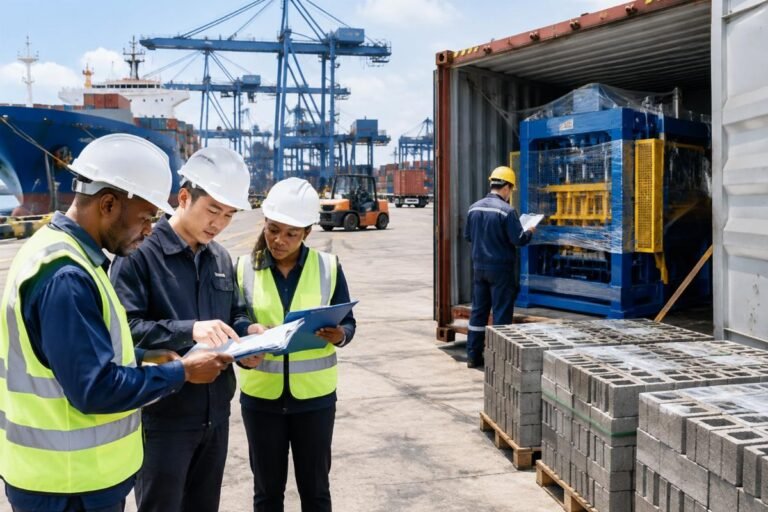
Many buyers focus solely on the upfront cost of the machine, ignoring the hidden costs of installation, training, and trial-and-error production. A true return on investment comes from getting the plant to full capacity as quickly as possible. This is where a turnkey solution adds significant value. It is not just about shipping boxes; it is about transferring knowledge.
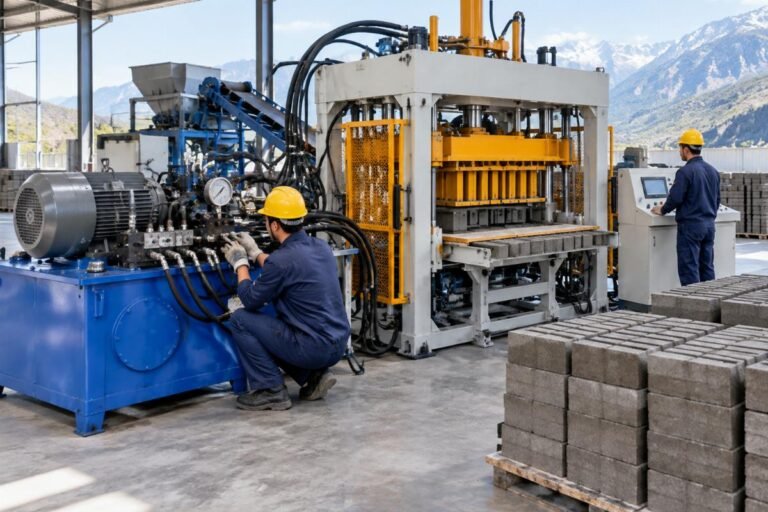
When a manufacturer provides comprehensive operator training, the learning curve for the local staff is drastically reduced. Inexperienced operators can cause significant damage to the machine through improper use, such as overloading the hopper or ignoring lubrication schedules. Proper training ensures that the team understands the logic behind the machine’s operations, not just the button-pushing sequence. This leads to fewer breakdowns and longer equipment life.
Moreover, remote diagnostic support can save weeks of downtime. In the past, if a PLC error occurred, a technician might have to fly in from abroad, costing thousands in travel and lost production. Today, with secure remote access, engineers can troubleshoot software issues and guide local staff through hardware checks in real-time. This capability is a critical component of any serious offer for a Hollow Block Machine for Sale in Dominican Republic. It ensures that minor issues do not become major stoppages.
The cost of cement waste is another factor often overlooked. An optimized setup ensures that the mix design is efficient, using the minimum amount of cement required to achieve the target strength. Over time, the savings in raw materials can far exceed the initial difference in machine price. Therefore, the ROI calculation should include potential material savings and reduced downtime, not just the daily output volume.
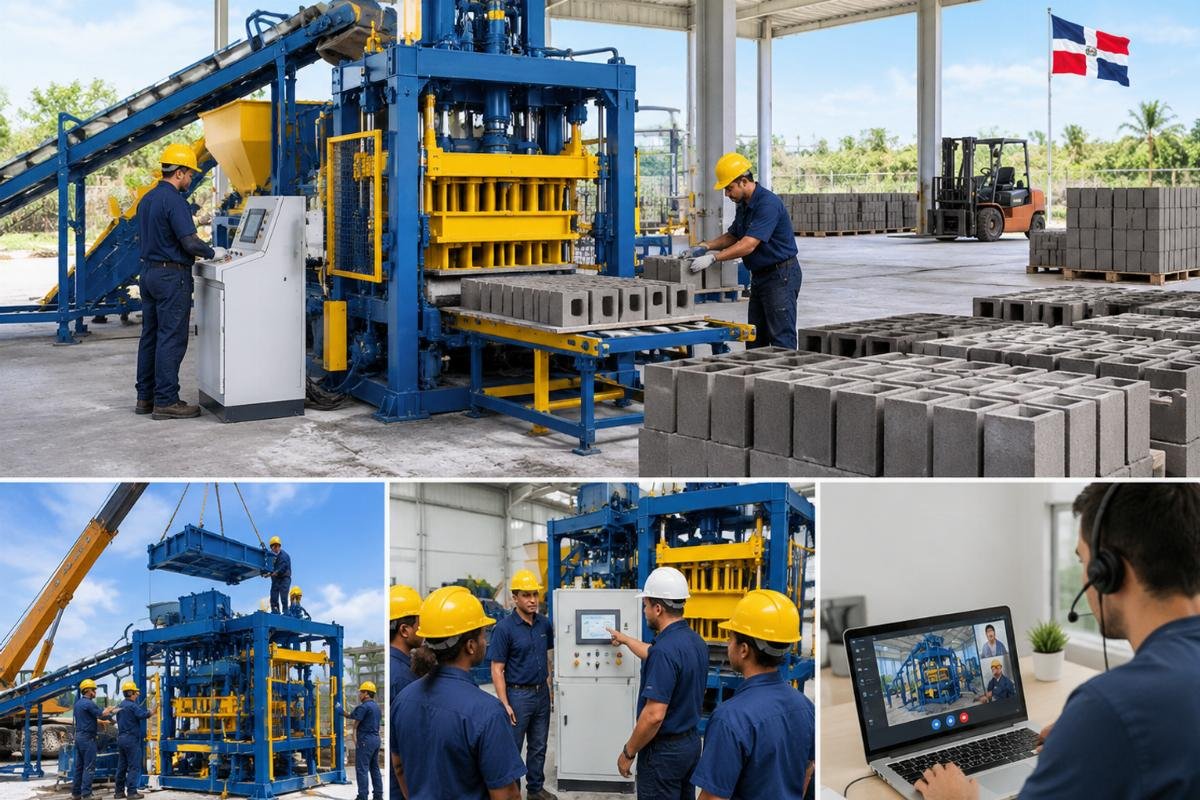
Case Study: Scaling Production in Dominican Republic
Standardized installation processes enabled a local producer to double capacity without compromising quality.
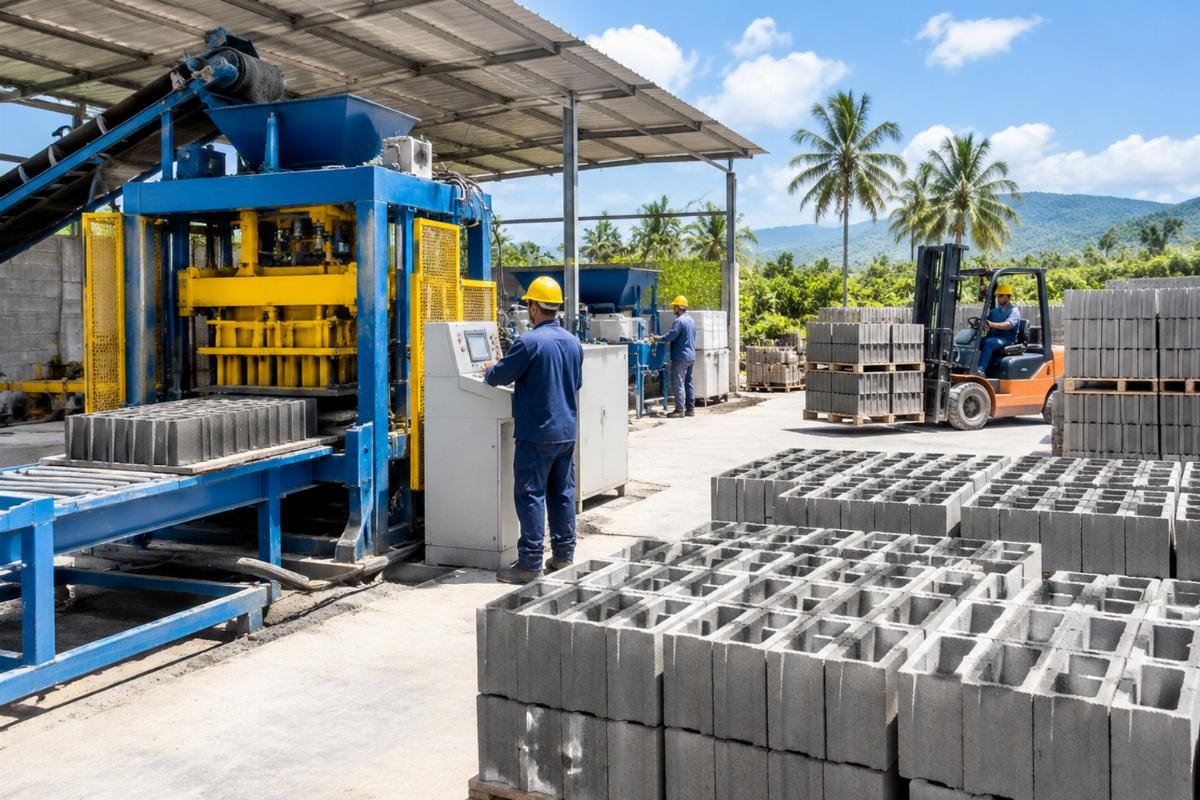
A recent project involved a construction contractor in the Dominican Republic who wanted to expand from manual production to a semi-automatic line. The initial challenge was the inconsistency of the local stone supply. The stones varied in size, causing jamming in the feeder system of the first machine they tested.
By analyzing the aggregate profile, we recommended a QT6-15 model with a modified feeder box and a reinforced vibration system. The installation team focused on leveling the foundation precisely, as even a small tilt can cause uneven wear on the molds and misalignment of the pallets. During commissioning, we adjusted the vibration frequency to match the density of the local mix, ensuring proper compaction without segregating the aggregates.
The client also invested in a basic voltage stabilizer, following our advice on power protection. Within the first month, the plant achieved a steady production rate, with废品率 (defect rate) dropping to industry-average levels. The operator training provided on-site empowered the local team to perform routine maintenance, reducing reliance on external support. This case demonstrates that the right technical adjustments, combined with proper training, can transform a challenging environment into a profitable operation.
For those seeking a reliable Hollow Block Machine for Sale in Dominican Republic, the key is to partner with a supplier who understands these local dynamics. It is not enough to sell a machine; one must sell a working production system. The ability to adapt the equipment to the specific conditions of the Caribbean market is what separates a successful investment from a costly experiment.
Conclusion
Success lies in adaptation, not just acquisition.
Choosing the right equipment requires a deep understanding of local raw materials, power infrastructure, and operational capabilities. By prioritizing these factors over initial price, investors can ensure stable production and faster returns. A well-selected Hollow Block Machine for Sale in Dominican Republic serves as the foundation for a sustainable and profitable construction materials business.
Leave a Reply