

Interlocking Block Machine for Multi-Site Refugee Housing Projects
Higher automation does not guarantee higher quality in humanitarian construction.
Standardizing equipment across multi-site humanitarian projects reduces logistical complexity but fails without localized operator training; success depends on matching machine automation levels to local skill sets rather than maximizing theoretical output.
I have spent more time on muddy construction sites in Sumatra and the Mekong Delta than in any office. The humidity in these regions does not just affect comfort; it fundamentally alters the chemistry of concrete curing. In one instance, a well-funded housing initiative deployed high-specification machinery to a remote location, expecting immediate results. The equipment was flawless, yet the initial batch of blocks crumbled upon demolding. The issue was not the hardware. It was the water-cement ratio, adjusted by hand by workers who had never seen a PLC control panel before. This disconnect between advanced technology and local operational reality is where most projects stall. [NEED_CITE: common failure modes in humanitarian construction logistics]
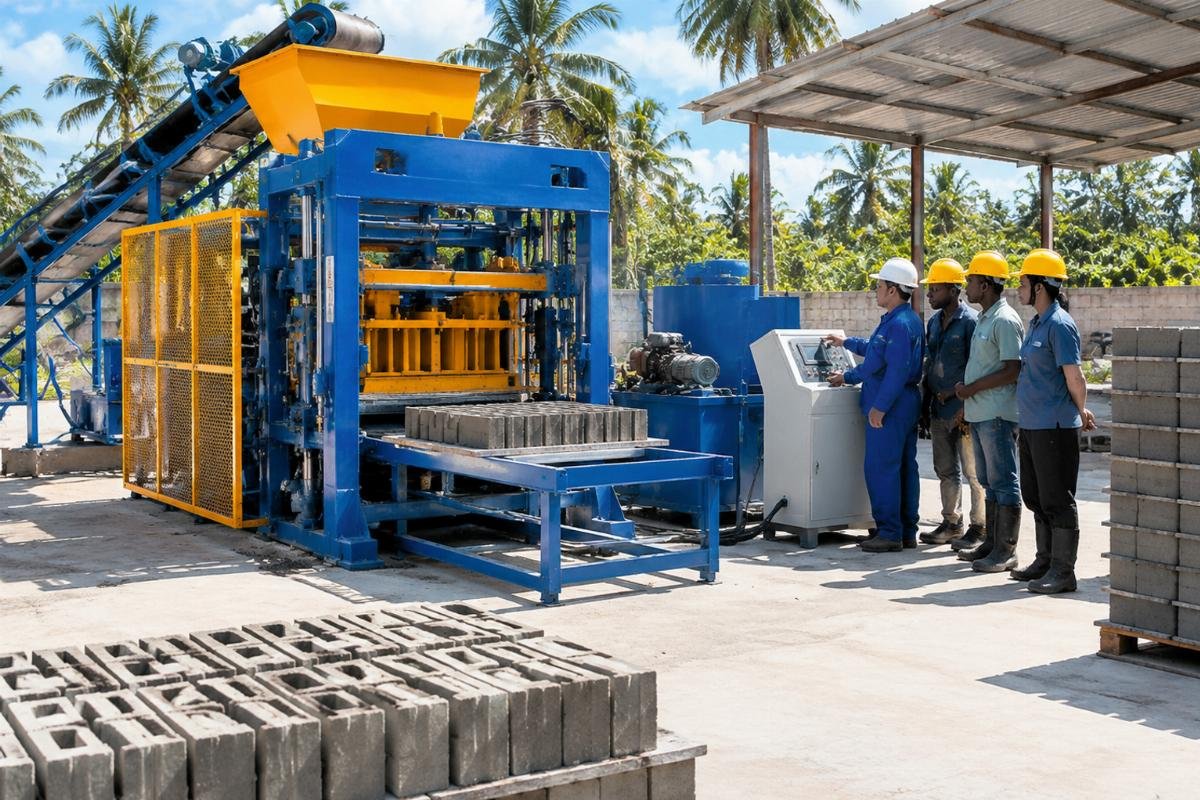
The challenge for procurement officers is not just buying a machine. It is ensuring that the interlocking block machine becomes a reliable asset in an environment defined by transient labor and scarce technical support.
Why Standardization Fails Without Local Adaptation?
Uniform hardware requires flexible training protocols to handle varying local skill levels. When rolling out infrastructure across multiple borders, the temptation is to purchase identical units to simplify spare parts management. While this makes sense on paper, it often ignores the human variable.
In a multi-site rollout across Vietnam and Thailand, standardizing on a single model of QT-series machine reduced spare parts logistics costs noticeably. However, the operational reality differed vastly between sites. In urban centers, operators could quickly adapt to semi-automatic controls. In remote rural areas, the same machines sat idle because the local workforce lacked basic electrical literacy.
The core issue is that an interlocking block machine is only as effective as its operator. If the training curriculum is designed for a technician in a factory setting, it will fail in a field camp. Successful deployment requires adapting the interface and the training method to the lowest common denominator of skill available on-site. This means shifting from complex digital diagnostics to clear, visual indicators for daily maintenance. [NEED_CITE: impact of operator skill level on construction equipment uptime]
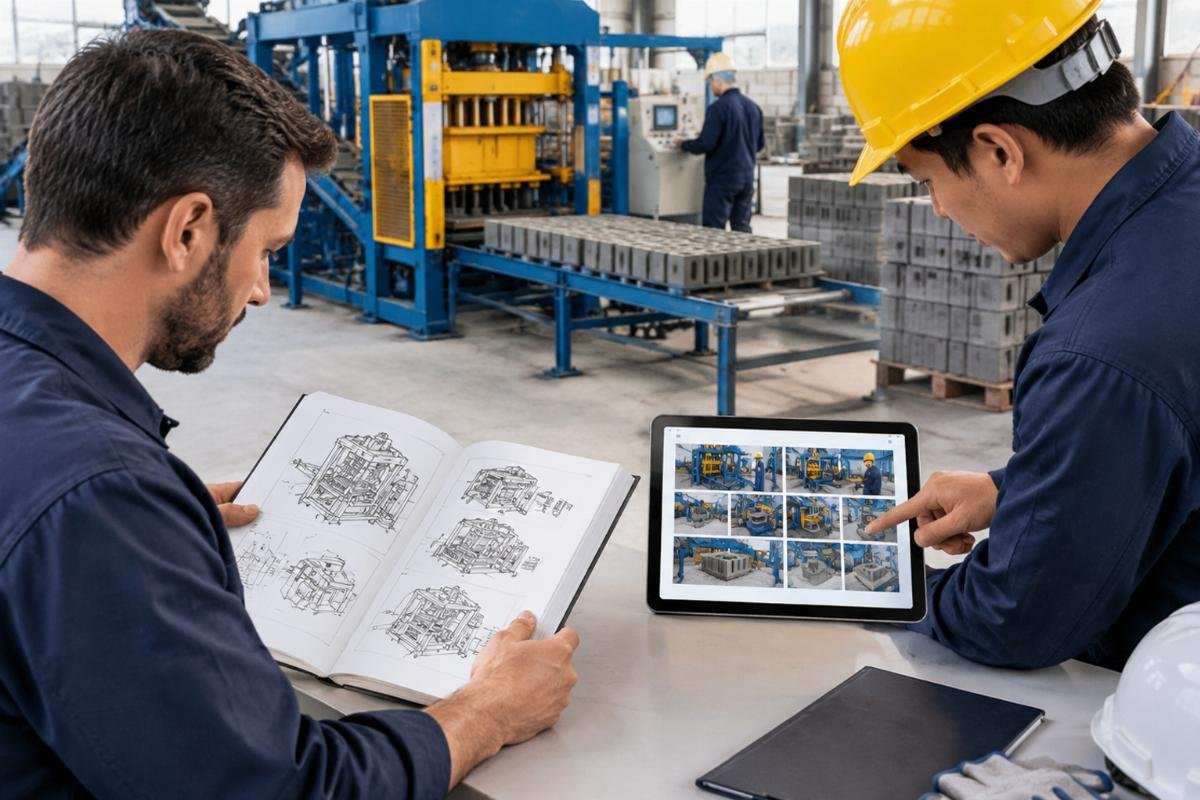
Procurement teams must view the machine not as a standalone product but as part of a socio-technical system. The interlocking block machine must be robust enough to withstand inconsistent power supplies and simple enough to be operated by workers who may rotate out every few months.
The Hidden Cost of "Simple" Manual Machines?
Labor turnover in refugee projects makes automated PLC systems more sustainable despite higher upfront costs. Many NGOs and contractors initially opt for manual or semi-manual machines to save budget. The logic is sound: lower capital expenditure and less reliance on electricity. However, this perspective often misses the hidden costs of quality inconsistency and retraining.
Manual machines rely entirely on the physical strength and consistency of the operator. In high-pressure emergency timelines, fatigue sets in quickly. A tired worker produces blocks with varying density and dimensions. These inconsistencies lead to structural weaknesses in the final housing units, requiring costly repairs or even reconstruction.
Conversely, a semi-automatic line with PLC control ensures that every cycle uses the exact same pressure and vibration duration. This consistency is critical for interlocking blocks, which rely on precise tolerances to fit together without mortar. [NEED_CITE: structural integrity requirements for interlocking soil-cement blocks]
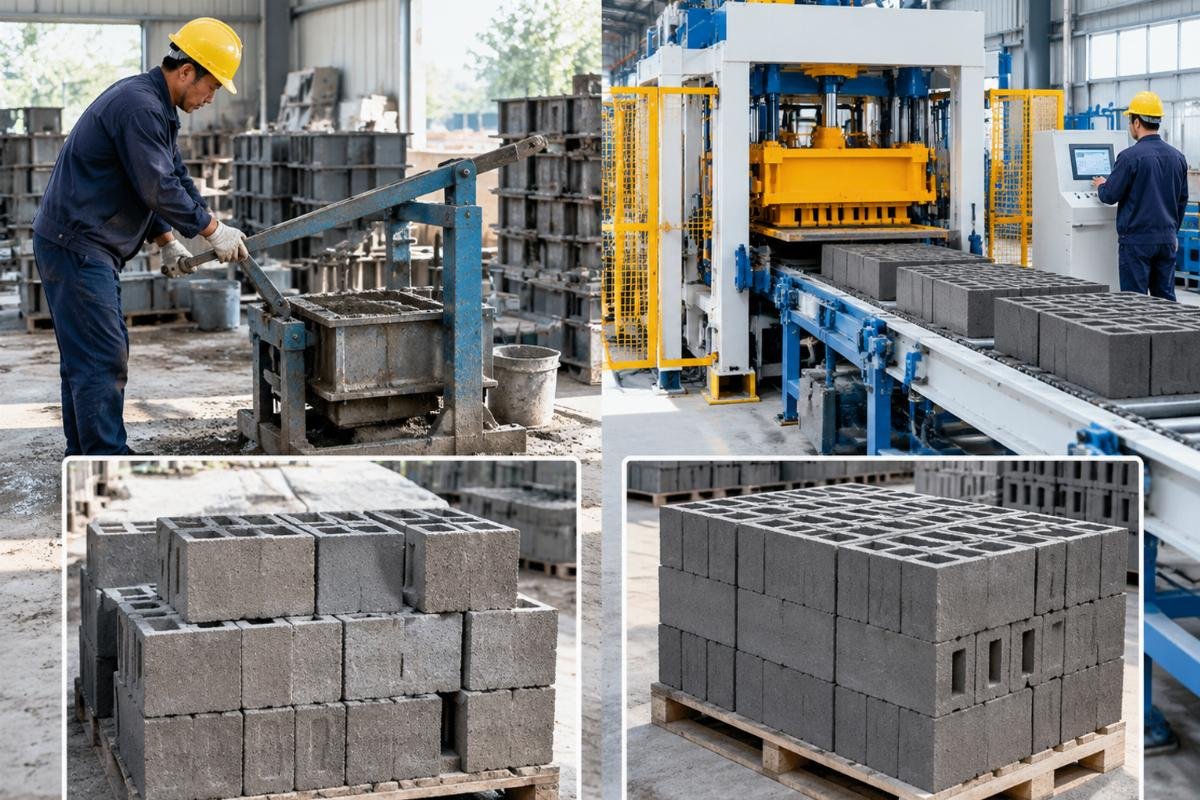
While the initial investment for an automated interlocking block machine is higher, the long-term ROI is often superior. The reduction in material waste due to broken or misshapen blocks offsets the capital cost. Furthermore, automated systems are less dependent on the specific individual operating them. Once the parameters are set, any trained operator can produce consistent results. This stability is invaluable in environments where staff turnover is high.
Critical Installation Milestones for Multi-Site Rollouts?
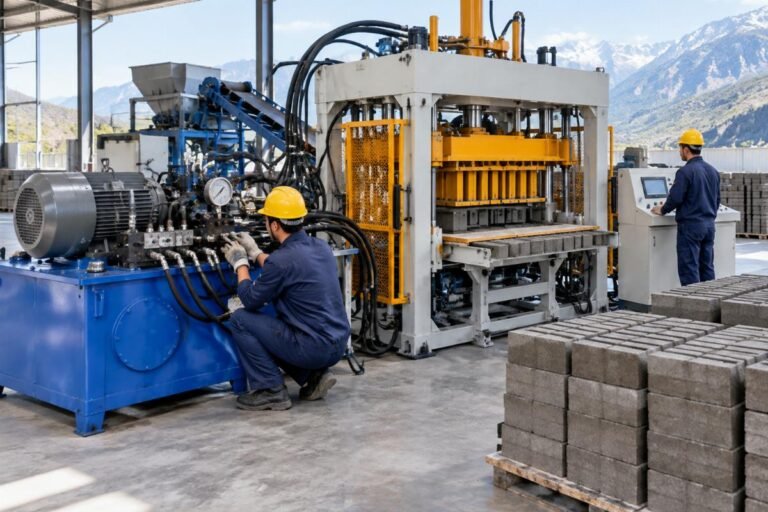
Pre-commissioning checks and remote support capabilities determine project timeline adherence. Installing heavy machinery in remote locations presents unique challenges that are rarely covered in standard manuals. Power stability, foundation levelness, and access to clean water are prerequisites that must be verified before the machine arrives.
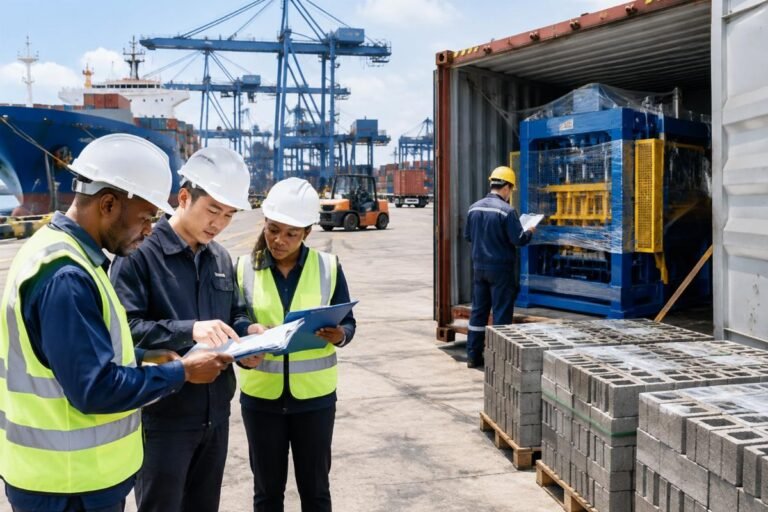
In one emergency response scenario, the commissioning time was cut significantly by using pre-configured turnkey packages. Instead of assembling components from scratch on-site, the main modules arrived ready to connect. Remote diagnostic support allowed engineers to troubleshoot minor electrical issues without flying in a specialist team. This approach transformed a potential two-week delay into a five-day setup. [NEED_CITE: best practices for rapid deployment of industrial equipment in disaster zones]
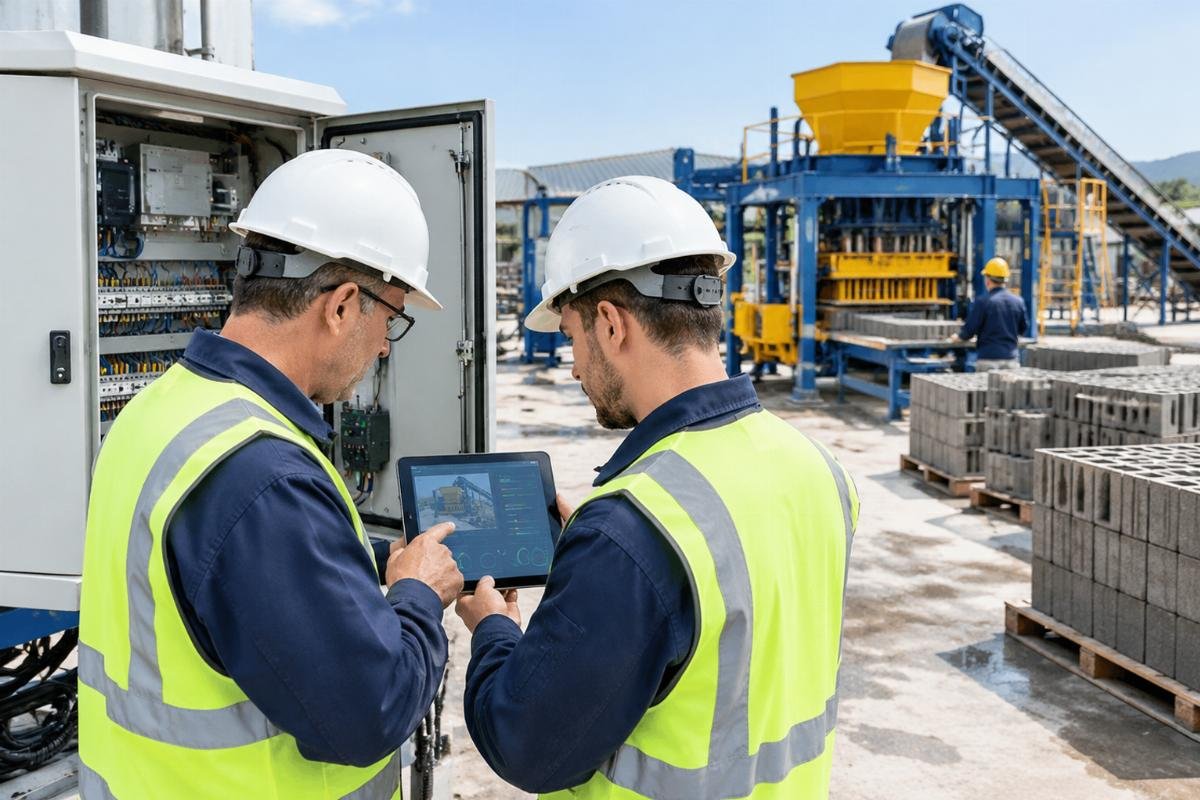
For an interlocking block machine, the foundation is critical. Uneven ground causes misalignment in the mold box, leading to uneven block thickness. In tropical regions, heavy rains can soften the ground rapidly, so concrete foundations with proper drainage are non-negotiable. Procurement officers must include site readiness assessments in their project plans. Ignoring these basics leads to premature wear and tear on the machine, voiding warranties and halting production.
Measuring Success: Beyond Brick Output?
Operational uptime and consistent brick density are better KPIs than theoretical daily capacity. It is easy to focus on the maximum number of blocks a machine can produce per hour. However, in humanitarian housing, the quality of each block matters more than the sheer volume. A high-output machine that produces defective blocks is a liability, not an asset.
Success should be measured by the percentage of blocks that meet density standards and the amount of time the machine operates without unplanned downtime. Consistent brick density ensures that the walls of the housing units can withstand environmental stresses such as wind and rain. [NEED_CITE: UNHCR guidelines for durable shelter materials]
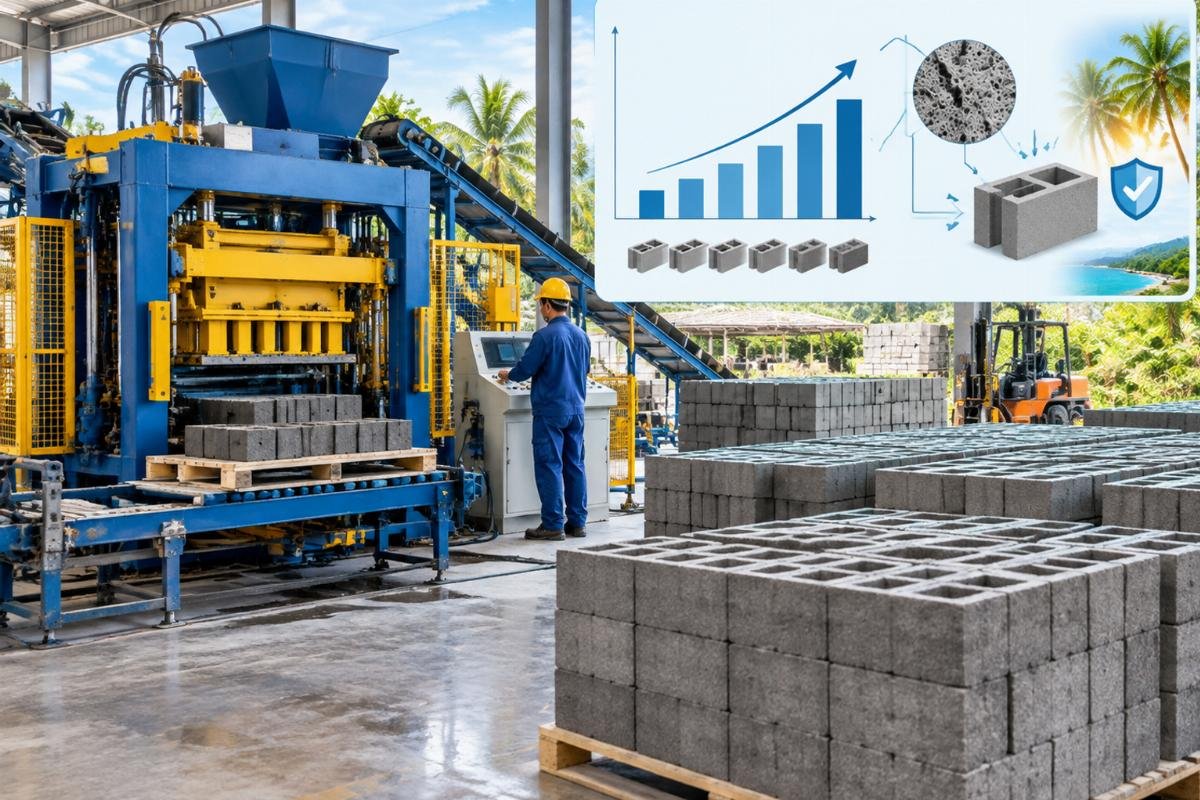
An interlocking block machine that runs reliably at eighty percent of its capacity is far more valuable than one that runs at full capacity for half the time due to breakdowns. Maintenance schedules must be realistic and adapted to the local environment. In dusty or humid conditions, filters and lubricants need more frequent attention. Tracking these operational metrics provides a clearer picture of the project’s health than simple production counts.
Conclusion
Sustainable humanitarian housing relies on operational consistency, not just hardware specifications.
Standardizing the interlocking block machine across multiple sites simplifies logistics but demands rigorous adaptation to local labor skills. Automated systems offer better long-term value by reducing dependency on individual operator consistency, while proper installation and remote support ensure timely deployment. Ultimately, the success of these projects is defined by the durability of the structures built, which stems from the reliability of the production process.
Leave a Reply