
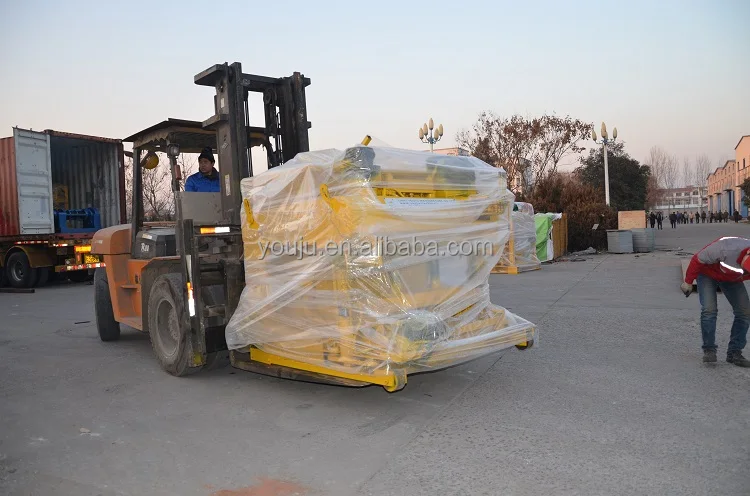
Description
Matched System Dispatch — every stocked QMY4-30 leaves our yard with its mould, pallet spec and container plan confirmed together, not assembled from separate suppliers after the fact.
Technical Specifications
| Parameter | Value |
|---|---|
| Model | QMY4-30 |
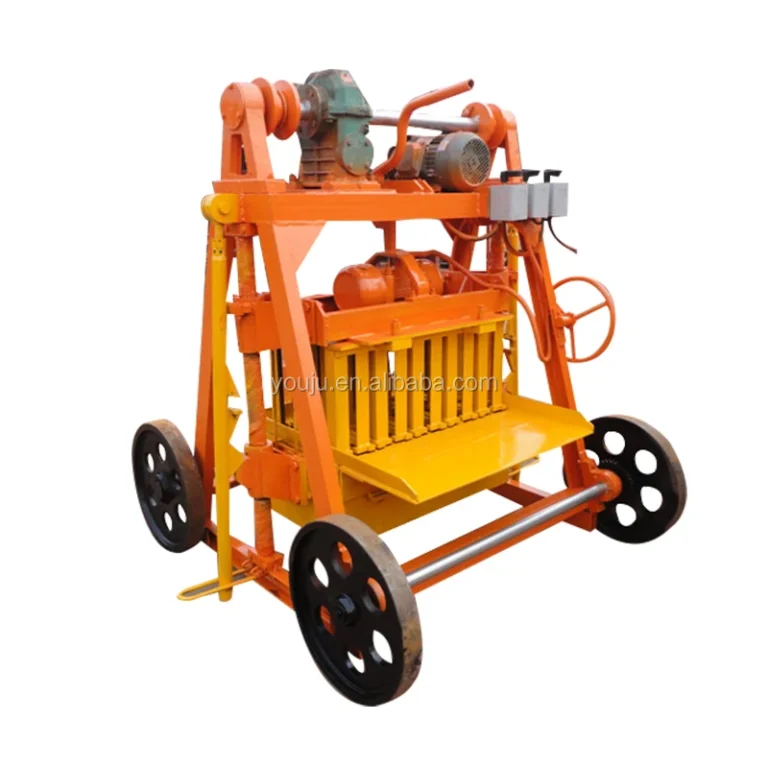
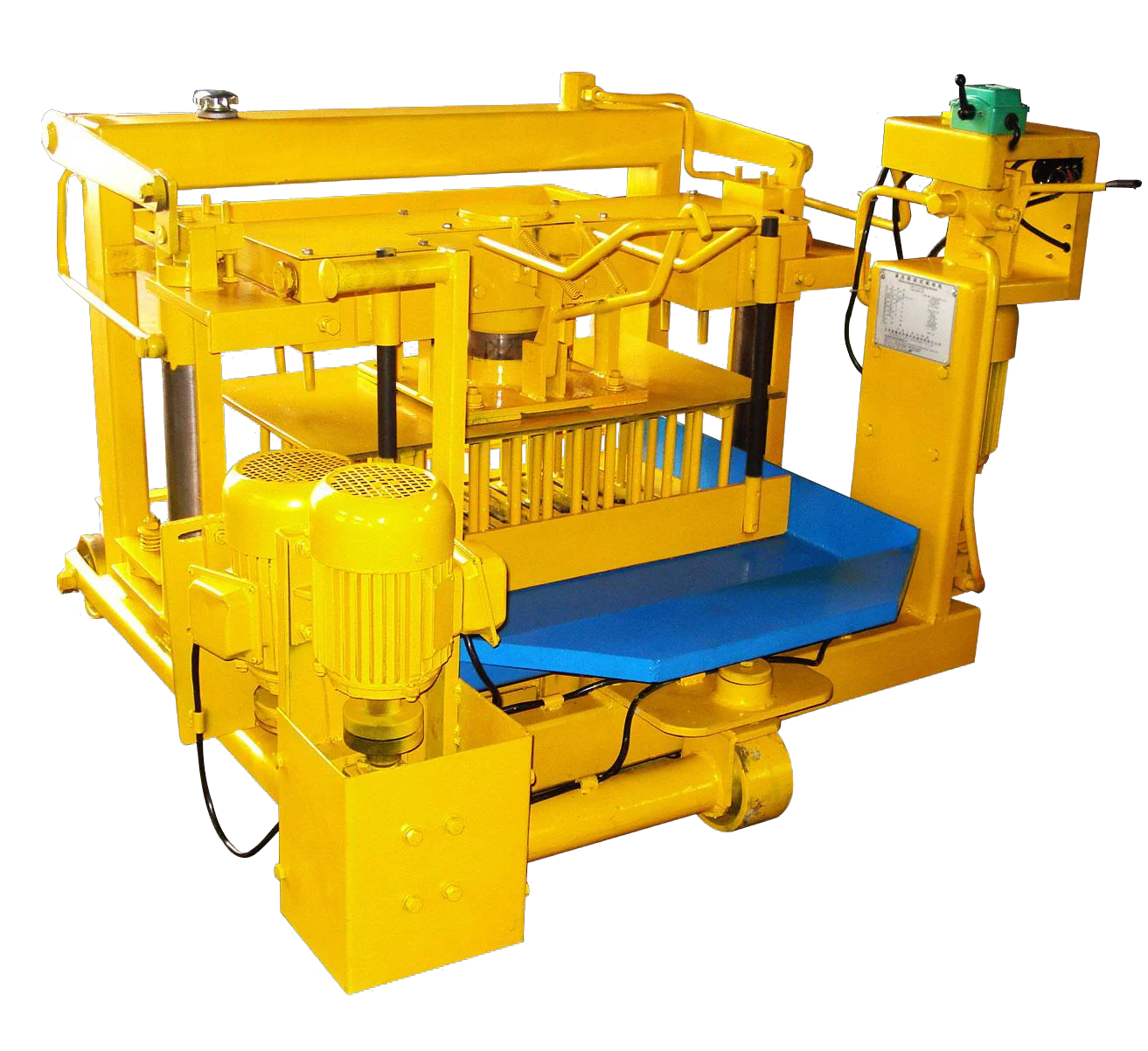
| Product Type | Mobile Egg-Laying Concrete Block Making Machine |
| Rated Power | 5 kW |
| Molding Cycle Time | 30 seconds |
| Overall Dimensions (L×W×H) | 1200×1200×1100 mm |
| Net Weight | 950 kg |
| Automation Level | Manual operation |
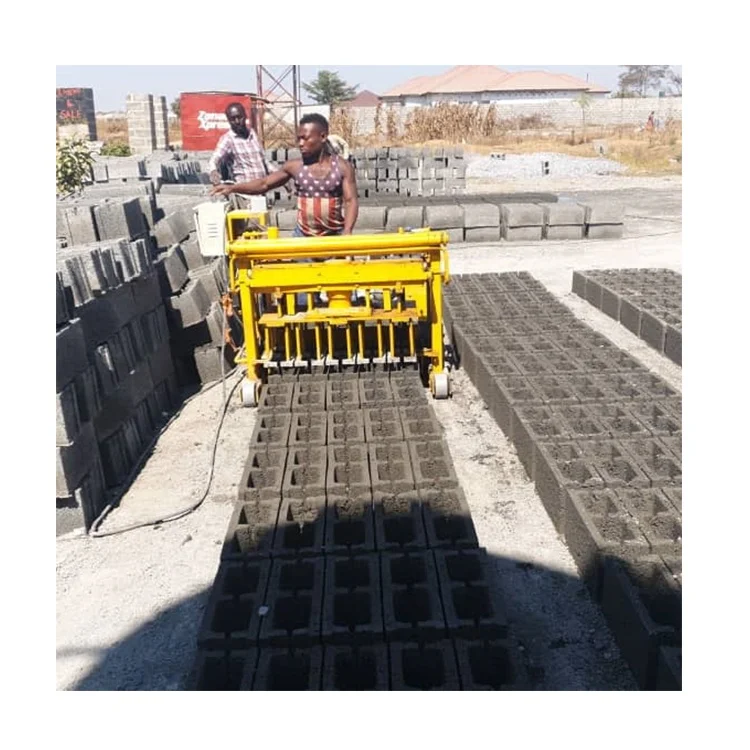
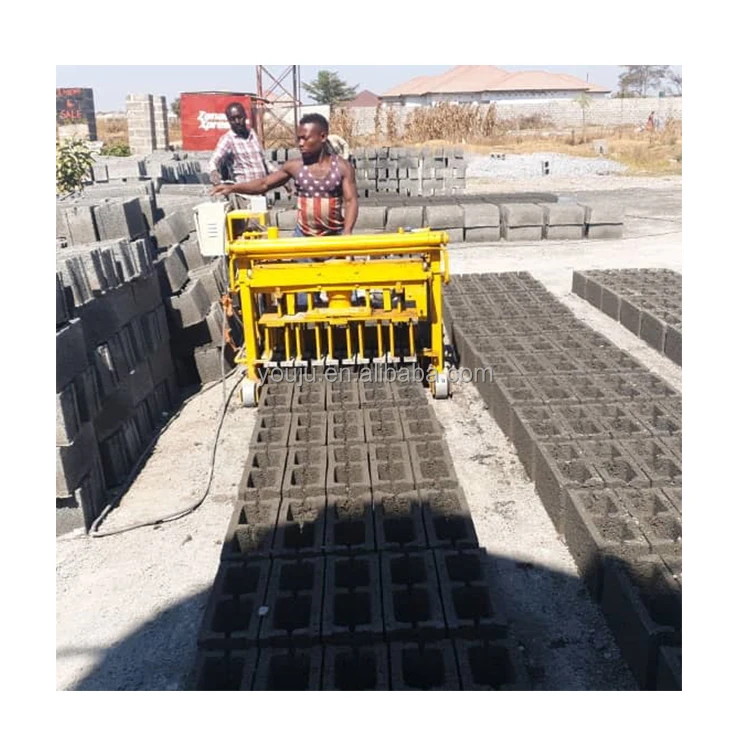
| Machine Type | Mobile / egg-laying, on-site production |
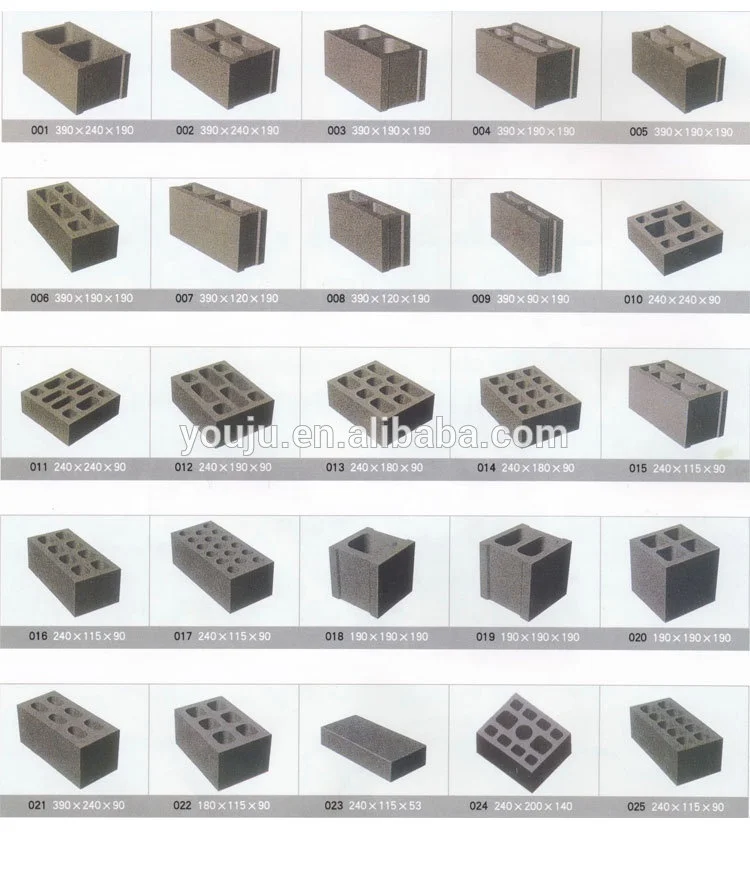
| Mould Format Options | Hollow block and solid brick, changeable moulds |
| Output Capacity | 480 pcs/hour based on 400×200×200 mm hollow block, 4 pcs/mould |
| Output Capacity | 600 pcs/hour based on 400×150×200 mm hollow block, 5 pcs/mould |
| Output Capacity | 840 pcs/hour based on 400×100×200 mm hollow block, 7 pcs/mould |
| 8-Hour Shift Output | 3,840 pcs based on 400×200×200 mm hollow block |
| 8-Hour Shift Output | 4,800 pcs based on 400×150×200 mm hollow block |
| 8-Hour Shift Output | 6,720 pcs based on 400×100×200 mm hollow block |
| Raw Materials | Cement, sand, crushed stones, slag |
| Assembly State | Shipped as single unit |
| Packing | Plywood packing, approx. 3 CBM |
Application Suitability
| Application | Material or Output |
|---|---|
| On-site hollow block production for building contractors | Cement, sand and crushed stone mixes laid directly on the ground |
| Small-scale block plant for first-time entrepreneurs | 3,840 to 6,720 hollow blocks per 8-hour shift depending on format |
| Housing project block supply at remote construction sites | Slag and locally sourced aggregate with manual pallet-free operation |
| Solid brick runs for boundary walls and infill | Changeable mould on the same QMY4-30 frame without additional machinery |
What "480 Blocks per Hour" Actually Means When You Land the Machine
The cycle time only holds if your local sand and stone match the mix the machine was set up for.
A common call we get is from a buyer who sized their order on peak cycle figures, only to find the QMY4-30 mobile block machine in stock runs slower on-site because the local sand carries high clay content and the vibration frequency was never adjusted. The machine itself is not the problem — the gap between catalogue assumptions and real aggregate is. [NEED_CITE: aggregate grading and moisture limits for concrete block production] That is why before any unit leaves the yard we ask for a sample description of your sand, stone and cement source, and confirm the output you should plan for with that specific mix.
Dispatch Timing for Buyers on a Project Deadline
The QMY4-30 mobile block machine in stock is held as a complete single unit, not a collection of sub-assemblies waiting for final fitting. Once voltage and control language are confirmed, the dispatch lead time is measured in days rather than production weeks. Plywood packing at roughly three cubic metres keeps the footprint small enough for LCL consolidation or shared container loading.
Container Loading and Arrival Planning
We plan the loading sequence before the quotation, not after. The 950 kg net weight and compact frame mean the QMY4-30 can share a container with moulds, spare wear parts and even a second unit if your project calls for parallel production zones. Arrival estimates are quoted at the inquiry stage so your site team knows when to prepare the ground slab.
Reading the Numbers That Matter
The 5 kW rated power is significant for sites running on temporary generators — many project sites in development zones cannot supply heavy three-phase loads during early construction phases, and this machine stays within the capacity of a standard portable genset. The 30-second moulding cycle is achievable on a well-graded mix; when the aggregate is inconsistent, expect the operator to extend the cycle to maintain block density. [NEED_CITE: relationship between vibration duration and concrete block compressive strength] The three stated output tiers — based on 400×200×200 mm, 400×150×200 mm and 400×100×200 mm hollow blocks — give you a realistic planning range rather than a single optimistic figure.
What Happens When Raw Material Compatibility Is Skipped
A machine configured for washed river sand arrives at a site where only pit sand with high fines is available. The blocks come out crumbly, the operator shortens the cycle to compensate, and strength drops further. Within a week the buyer is blaming the press when the real issue was a missing conversation before shipment. This is especially punishing with a mobile egg-laying unit because there is no fixed batching plant to buffer the inconsistency. [NEED_CITE: effect of clay content in sand on concrete block durability]
Why Buyers Source This Unit Through Our Dispatch Channel
Block machinery is our single focus, so the QMY4-30 leaves as one matched system — machine, mould, and handling accessories specified together. Configuration is set against your actual local aggregate and target block format rather than a catalogue default. Moulds are selected for the formats your market actually sells. Automation level is fixed at manual for this model, keeping the investment and operator training requirements low. Installation support and operator guidance accompany the unit so your crew is producing within the first day on site.
Documentation & Verification
- Machine specification sheet stating output per block format, not a single peak figure
- Mould drawing and format list matching the hollow and solid brick options you selected
- Voltage and control language confirmation signed off before the QMY4-30 enters packing
- Factory test record showing cycle time on a mix close to your described aggregate
- Packing photographs taken at the yard before container door closes
Installation, Commissioning & Support
- Level compacted ground required; the 1200×1200 mm footprint allows production in tight site corners
- 5 kW power draw confirmed against your generator or site panel before dispatch
- Shipped as a single assembled unit — no complex reassembly on arrival
- First-day commissioning walk-through covering mould change and cycle timing
- Spare wear parts list included so replacements are identifiable when needed
What We Need from You to Quote Accurately
Tell us which block format sells in your market and the daily volume your site must hit. Share your local sand and stone type so we can flag any mix compatibility issue before the QMY4-30 mobile block machine in stock is loaded. Confirm your site voltage and frequency, and whether the PLC display language needs to match a specific operator group.
Frequently Asked Questions
Q: Is the QMY4-30 in stock, and what is the dispatch lead time to my destination port?
A: Stocked units are held at the yard ready for dispatch once voltage, frequency and mould format are confirmed. Lead time from confirmation to container loading is typically measured in days. We quote the estimated arrival window at the inquiry stage so your project schedule can be planned around a known date.
Q: How is the machine packed and loaded into a container?
A: The QMY4-30 is packed in a plywood crate at approximately three cubic metres and loaded as a single unit. Its compact dimensions and 950 kg weight allow shared container loading with additional moulds or a second machine. Packing photographs are supplied before the container doors are sealed.
Q: What voltage and frequency options are available, and how is this confirmed?
A: Voltage and frequency are set to match your site electrical supply and confirmed in writing before the machine enters the packing stage. This avoids commissioning delays caused by a mismatch between the machine and your local grid or generator output.
Q: Which block formats does this machine produce, and what is the realistic daily output?
A: The QMY4-30 produces hollow blocks and solid bricks using changeable moulds. Output is stated per format: based on 400×200×200 mm hollow blocks the 8-hour shift capacity is 3,840 pieces; based on 400×100×200 mm hollow blocks it reaches 6,720 pieces per shift.
Q: What raw materials does the QMY4-30 accept?
A: It runs on cement, sand, crushed stones and slag — materials commonly available across most markets. We confirm raw material compatibility with your local aggregate source before shipment to avoid the situation where the machine arrives configured for a mix you cannot source locally.