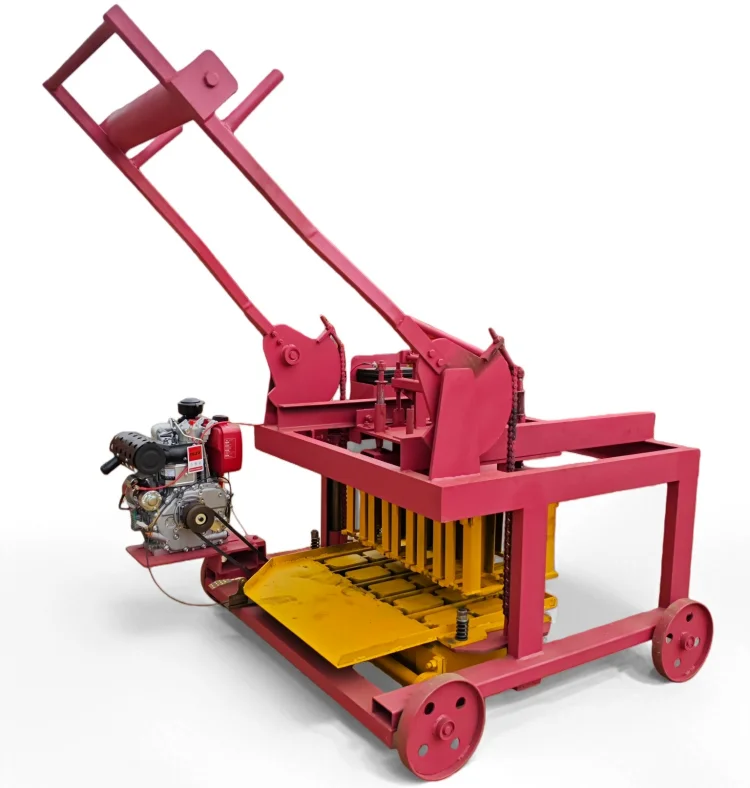
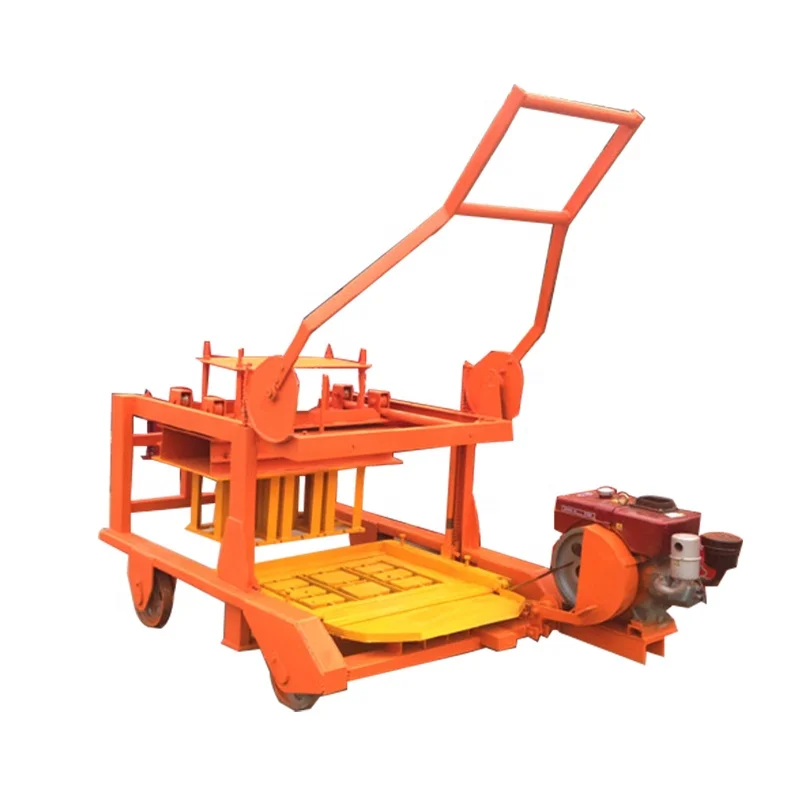
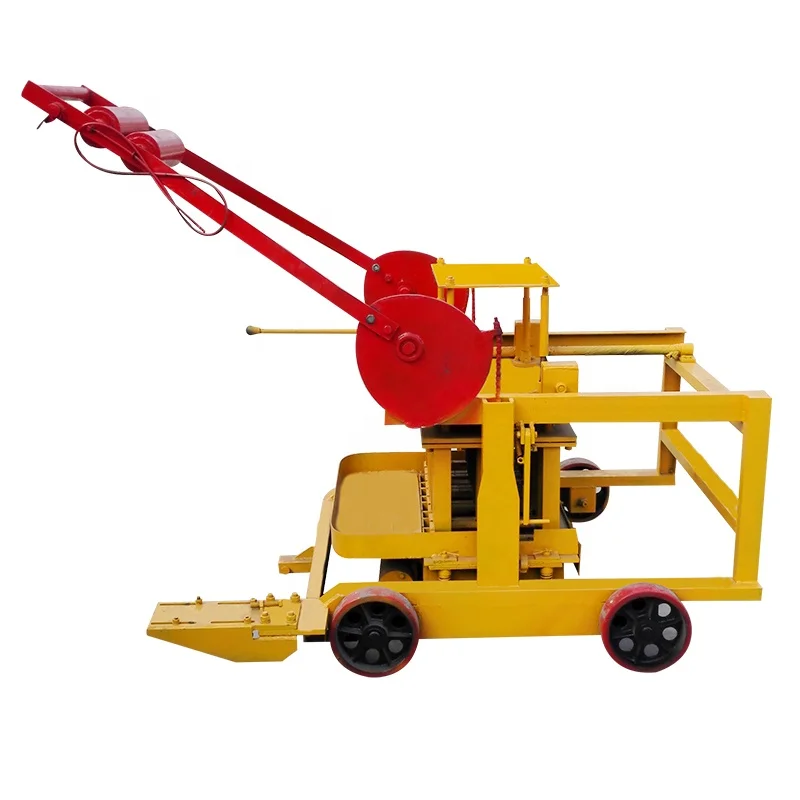
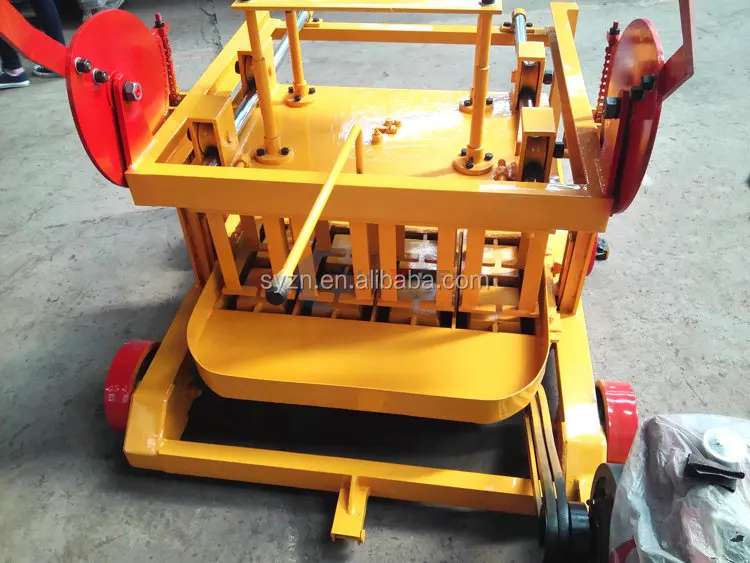
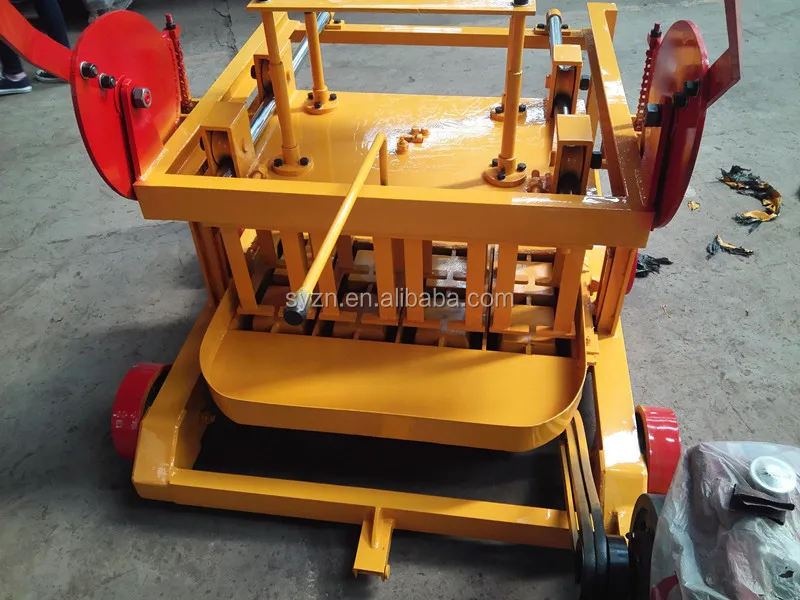
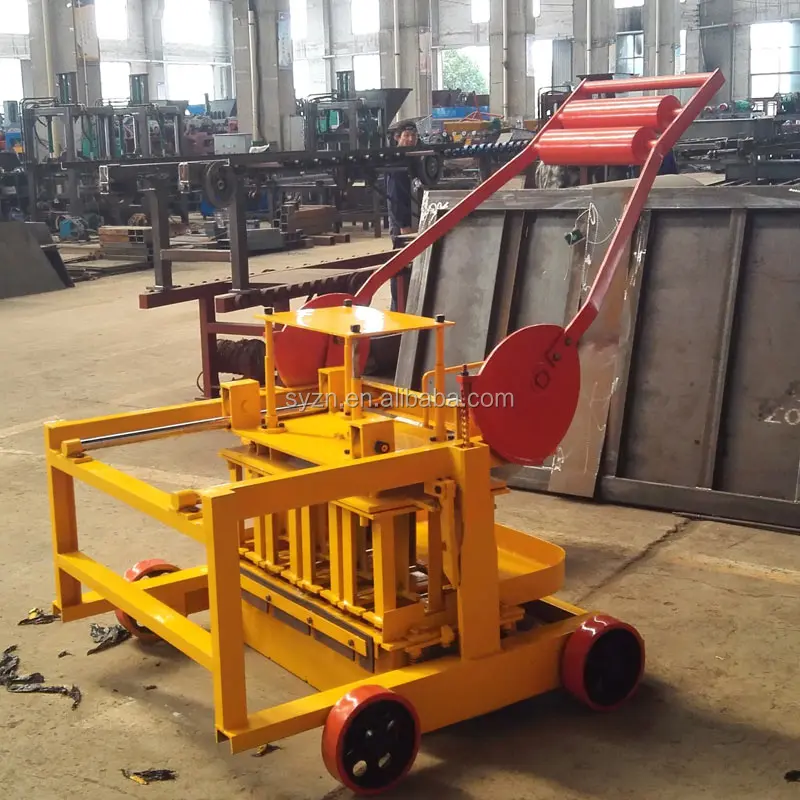
Description
Immediate Dispatch Readiness — Stocked QMR4-45 mobile block machine units ship with confirmed container loading plans, cutting your wait from production lead time down to transit time alone.
Technical Specifications
| Parameter | Value |
|---|---|
| Model | QMR4-45 |
| Product Type | Mobile Block Machine |
| Power Source | Diesel / Petrol Engine / Electric (configurable) |
| Overall Dimensions (L×W×H) | 1100 × 950 × 2100 mm |
| Net Weight | 810 kg |
| Molding Cycle | 30–45 s (basis to be confirmed per block format and mix) |
| Output Capacity | 2,560 pcs/day (basis not stated in source — confirm block format and material) |
| Pallet Requirement | None — egg-laying design |
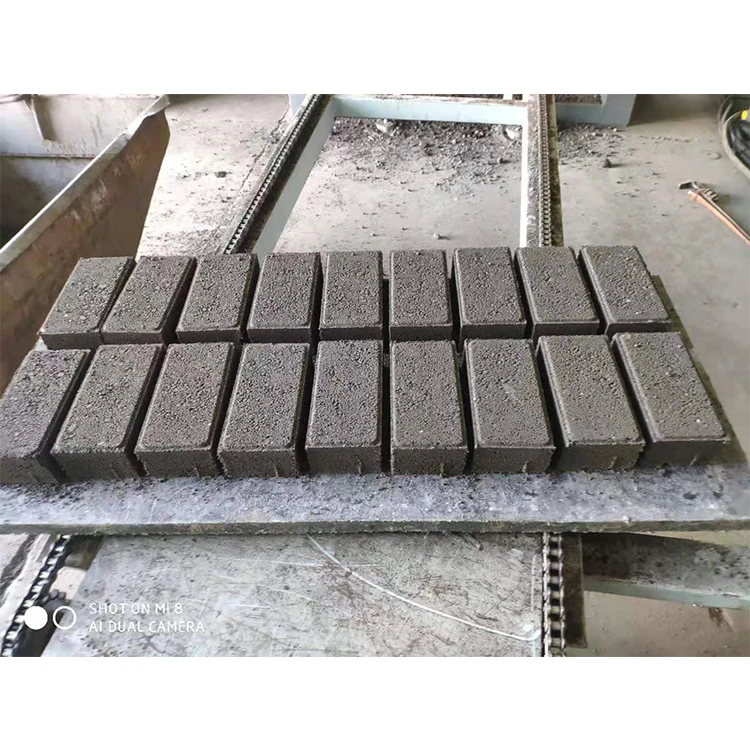
| Compatible Block Formats | Paver brick, hollow block, concrete block, solid brick, fly ash brick |
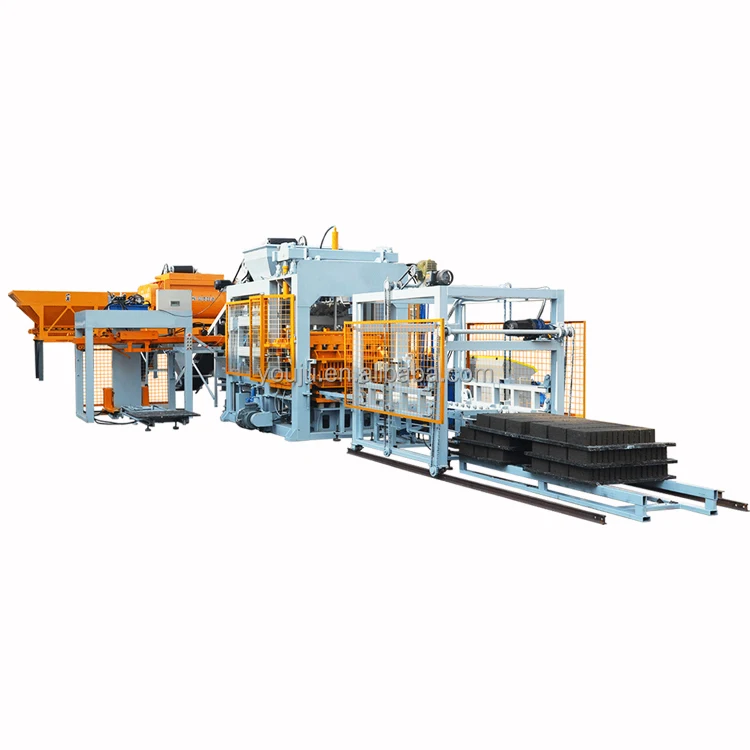
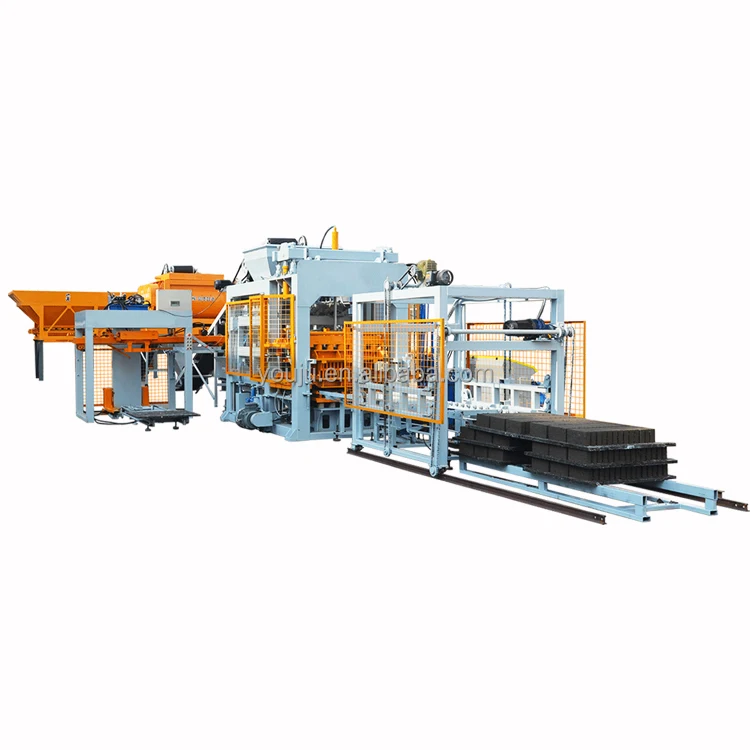
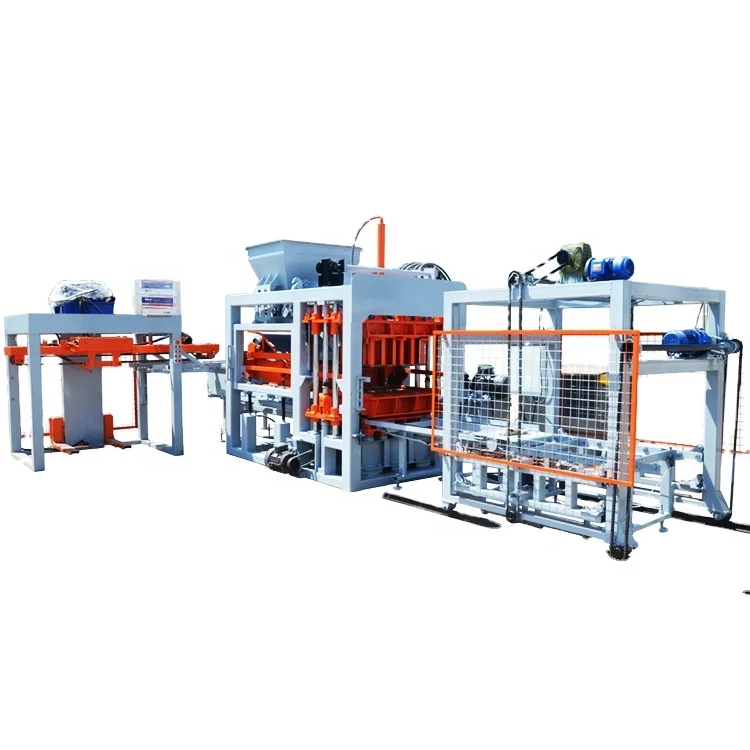
| Basic Equipment Included | JZC350 Diesel Mixer or JQ350 Electric Mixer, Trolley |
| Warranty | 1 Year |
Application Suitability
| Application | Material or Output |
|---|---|
| On-site block production for building contractors | Concrete and fly ash mixes laid directly on prepared ground |
| Housing project block supply at remote locations | Hollow and solid blocks produced without fixed plant infrastructure |
| First block plant setup by small-scale entrepreneurs | Paver bricks, interlocking bricks, and kerbstones in varied formats |
| Temporary production for development projects | Egg-laying output on compacted soil or concrete slabs |
What "2,560 Pieces per Day" Actually Means When You Order a Mobile Block Machine in Stock
Capacity figures only hold weight when tied to a specific block format, mix design, and curing condition.
I once watched a contractor in the Gulf receive a mobile unit rated for a certain daily volume, only to discover the number assumed standard hollow blocks in controlled conditions. Their actual product was a denser paver brick using desert sand with high silt content. Output dropped, cycle times stretched, and the project schedule slipped. The dispatch was fast, but the machine was never reconfigured for their real conditions. When sourcing a Mobile Block Machine in stock, the first question should always be: which format does that number assume [NEED_CITE: block machine capacity calculation standards by format and mix design]?
Dispatch Timing and Container Loading Clarity
Stocked inventory means the machine has already been assembled and factory-tested before your inquiry arrives. For the QMR4-45, the compact 1100 × 950 × 2100 mm footprint and 810 kg weight allow straightforward loading into standard shipping containers alongside the diesel mixer and trolley. We confirm the container loading plan at the quotation stage so there are no surprises about what fits and how it is secured. This matters most when your project deadline is measured in weeks, not months.
Power Source Matching to Your Site Reality
The QMR4-45 is configurable for diesel, petrol, or electric operation. On remote construction sites where grid power is unreliable or nonexistent, a diesel-driven unit keeps production moving independently. Where stable three-phase supply exists, electric operation reduces fuel costs and simplifies maintenance. I have seen projects stall for days because the power source was assumed rather than confirmed [NEED_CITE: site power infrastructure requirements for mobile construction equipment]. We verify your site voltage, frequency, and available power before finalizing the configuration.
Reading the Specs That Determine Real Output
The molding cycle of 30–45 seconds per stroke defines how quickly each block is formed, but the actual daily throughput depends on which block format occupies that cycle. A solid brick and a large hollow block demand different fill volumes, vibration durations, and demolding forces — none of which are captured in a single headline number. The egg-laying design eliminates pallet logistics entirely: blocks are deposited directly onto the ground and the machine advances, meaning your curing area must be a prepared, level surface large enough to hold a full day’s output. The included JZC350 or JQ350 mixer handles batch preparation, and its capacity must keep pace with the press cycle to avoid idle time between strokes.
The Cost of Skipping Configuration Details
Ordering a stocked machine without confirming block format, local aggregate properties, and site power leads to predictable problems. Moulds arrive that produce a format your market does not buy. The engine type does not match what is available on-site, requiring a last-minute generator rental. The vibration force was calibrated for a sand-cement ratio you cannot source locally, and block strength falls below the threshold your project specification demands. These are not equipment failures — they are specification gaps that compound once the machine is thousands of kilometers from the factory [NEED_CITE: aggregate and mix design impact on block compressive strength].
Why Procurement Decisions Land Here
Block machinery is our single focus, which means the QMR4-45 arrives with its mould, mixer, and trolley specified as a matched set rather than assembled from unrelated suppliers. Configuration is set against your actual mix design and target block format, not a catalogue default. We stock standard moulds for the formats your market sells and can supply custom mould designs to your drawings. The automation path is modular — you can begin with this mobile unit and add stationary line equipment later without replacing your existing investment. Installation guidance and operator training are part of every dispatch.
Documentation & Verification
- Factory test record run on your target block format before container loading
- Mould drawing and format list confirming dimensions for your market
- Voltage, frequency, and engine type confirmation sheet signed off pre-production
- Packing photographs showing dismantling and securing inside the container
- Operation and maintenance manual with wear parts identification list
Installation, Commissioning & Support
- 1100 × 950 mm footprint requires a level, compacted ground area for egg-laying operation
- Diesel or electric power source confirmed before dispatch to match your site supply
- Machine arrives with mixer and trolley — no separate procurement needed for first production run
- Mould change demonstrated on-site during commissioning for your specified block formats
- Wear parts list provided so first replacement order can be placed before stock runs out
- Vibration and pressure parameters adjusted to your local aggregate during operator training
What We Need to Prepare Your Quotation
To move from inquiry to confirmed dispatch, share your target block format and dimensions, the daily volume your project requires, and the raw materials available at your site. We also need your local voltage and frequency, and whether you require diesel, petrol, or electric operation. If you have an existing curing area or site layout, send that along so we can confirm the egg-laying output area will fit your space.
Frequently Asked Questions
Q: What is the dispatch lead time for a stocked QMR4-45 unit?
A: Stocked QMR4-45 units are available for quick dispatch once configuration details — power source, mould format, and voltage — are confirmed. We provide a container loading plan and estimated arrival timing at the quotation stage so you can align the delivery with your project schedule. Transit time depends on destination port.
Q: How is the 2,560 pcs/day capacity calculated, and which block format does it assume?
A: That figure is provided by the source without a stated block format or mix basis. Before committing, we work with you to recalculate capacity against your specific block dimensions, material density, and molding cycle. This ensures the daily output expectation matches what the machine will actually produce on your site.
Q: Which power source should I choose for my site conditions?
A: Diesel suits remote sites without grid access. Electric is preferred where stable three-phase power exists, reducing ongoing fuel costs. Petrol offers a middle ground for lighter-duty or temporary operations. We confirm your site infrastructure before finalizing the QMR4-45 configuration.
Q: How is the machine packed and loaded for container shipment?
A: The QMR4-45 is dismantled into its main assembly, mixer, and trolley, then secured inside a standard shipping container. We provide packing photographs before dispatch showing how each component is braced. Container loading details are confirmed at the quotation stage.
Q: What block formats and moulds are available from stock?
A: Standard moulds cover paver brick, hollow block, concrete block, solid brick, and fly ash brick formats. If your market demands a format outside this range, we supply custom moulds built to your drawings. Mould availability is confirmed alongside machine dispatch timing.