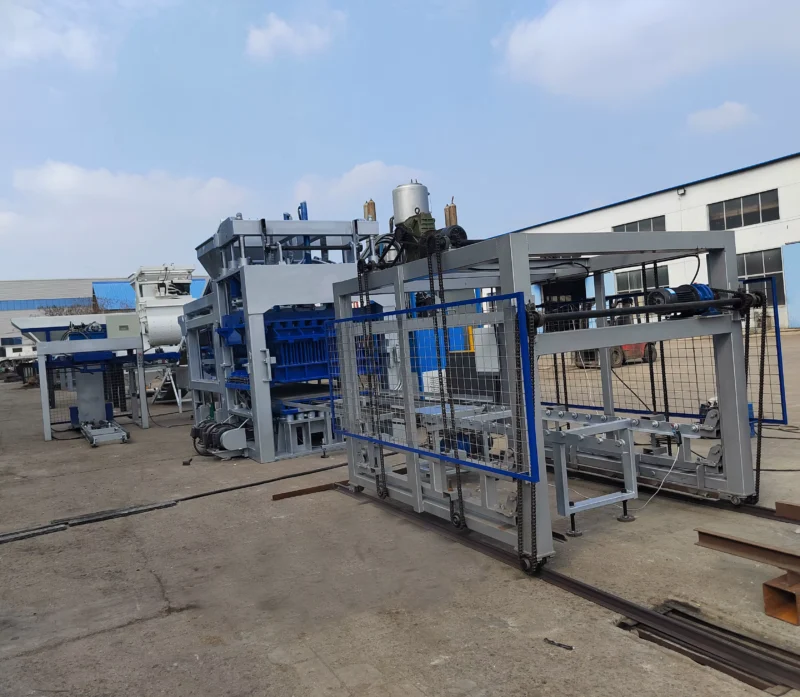

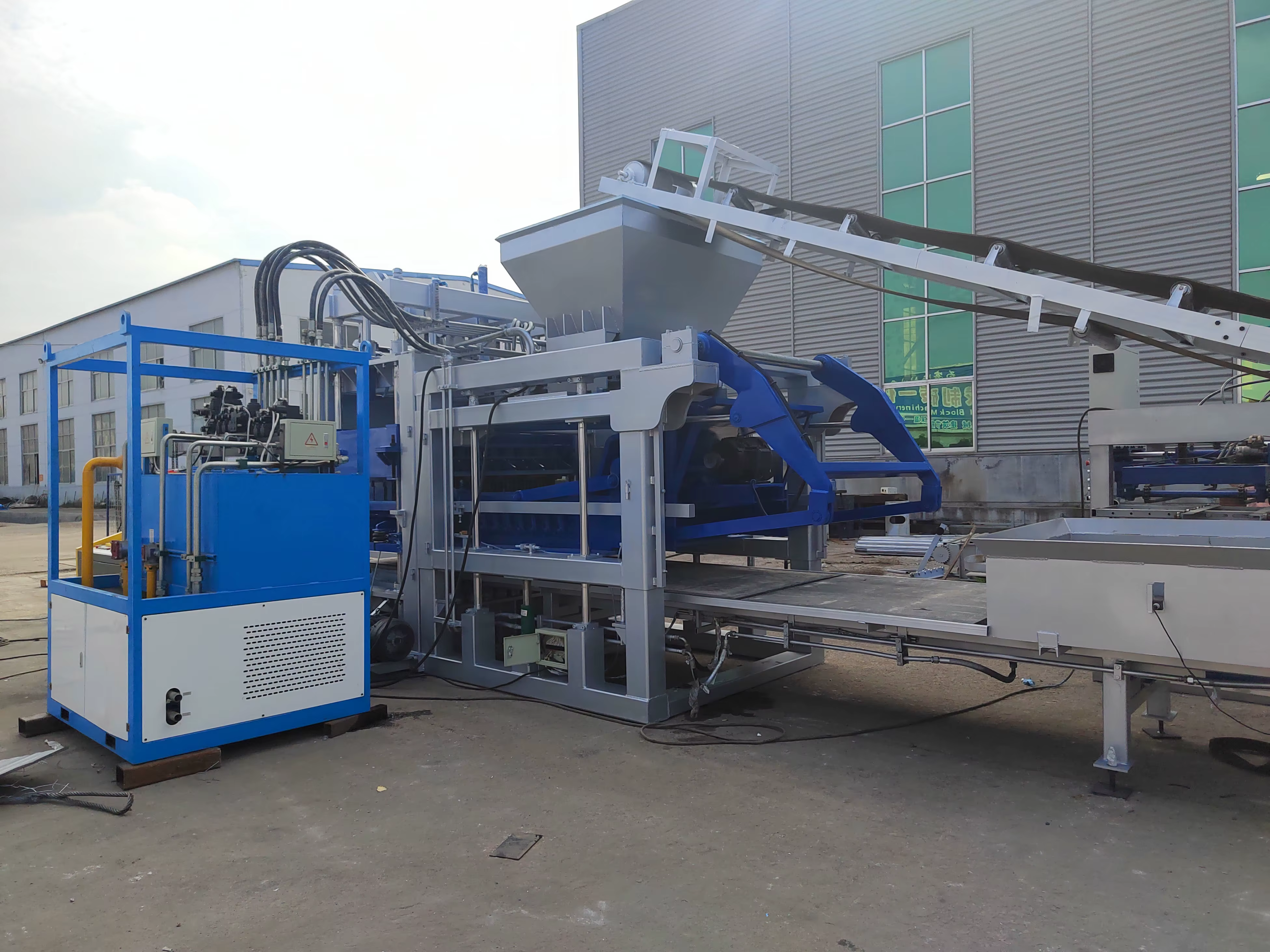
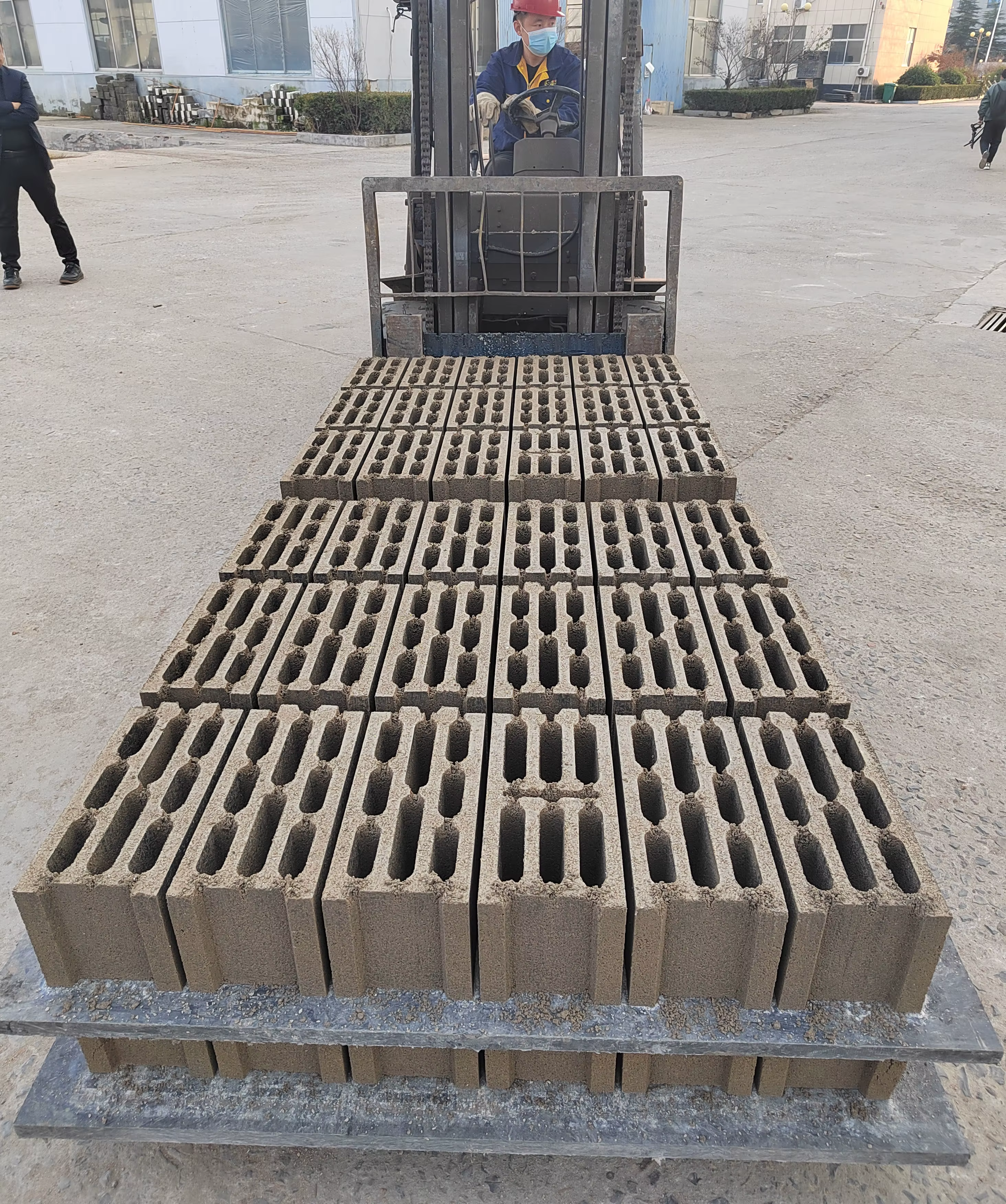
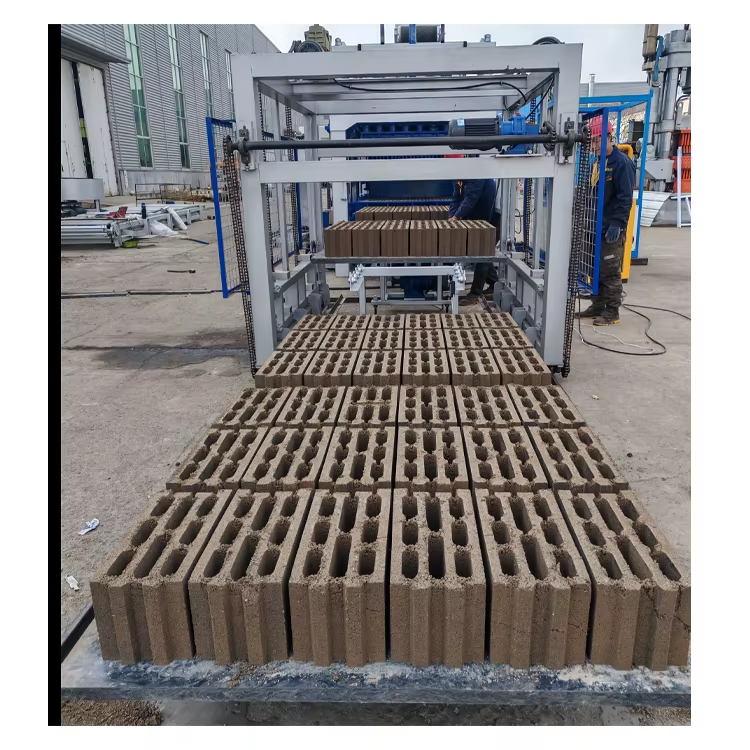
Description
Rapid Deployment Readiness — Every QT18-15 unit undergoes strict destination voltage verification and structural dismantling checks to ensure immediate container loading and prevent on-site electrical delays.
Technical Specifications
| Parameter | Value |
|---|---|
| Model | QT18-15 |
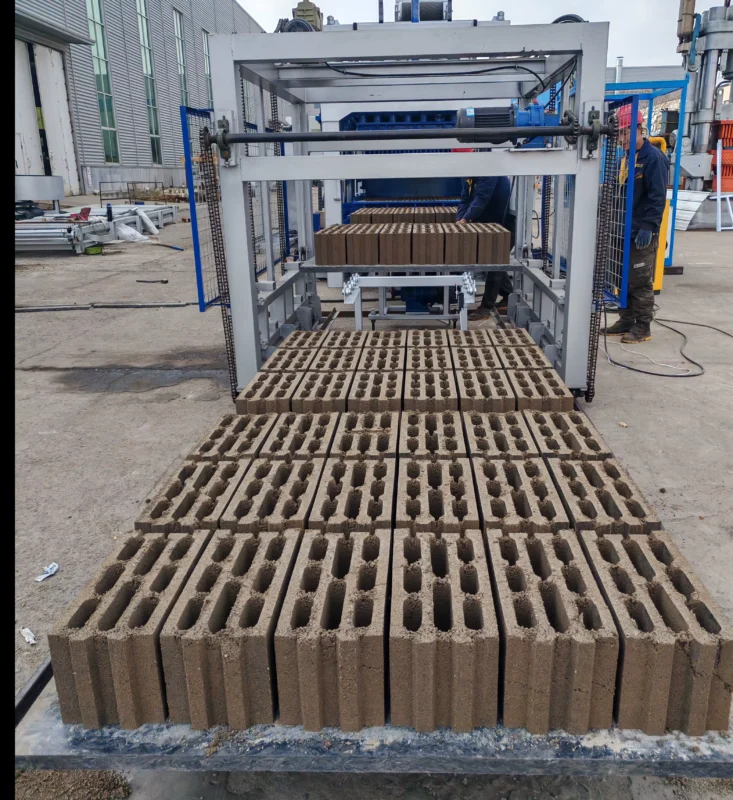
| Product Type | Fully Automatic Concrete Block Making Machine |
| Machine Type | Hollow Block, Paving Block, Interlock Block, Curbstone Block Making Machine |
| Forming Method | Hydraulic pressure |
| Automation Level | Automatic |
| Voltage | Configurable to local grid (confirm exact voltage and frequency for destination) |
| Overall Dimensions (L×W×H) | 935025202950mm |
| Net Weight | Approx. 12000 kg (verify against final packing list) |
| Molding Cycle | Approx. 15s (basis to be confirmed by specific block format and material) |
| Rated Pressure | 26 MPa |
| Compatible Brick Sizes | 400200200 mm, 400150200 mm, 20010060 mm, 24011590 mm, and others |
| Core Components | PLC, Pressure Vessel |
| Warranty | 2 Years |
Application Suitability
| Application | Material or Output |
|---|---|
| Hollow concrete block production | Crushed stone, sand, and cement mixtures |
| Paving block manufacturing | High-density concrete aggregates for driveways and walkways |
| Interlocking brick formation | Standard cementitious blends for structural walls |
| Curbstone extrusion | Heavy-duty concrete mixes for road edge demarcation |
Why the Voltage Question Must Precede the Dispatch Date
Securing a QT18-15 block machine in stock means nothing if the equipment sits idle at your facility due to electrical incompatibility. Verify your site’s exact voltage and frequency before the machine leaves our floor.
Years ago, I oversaw the shipment of an automatic line to a contractor in Ghana who was rushing to meet a strict housing project deadline. The equipment arrived on schedule, but the local grid frequency did not match the factory default. The PLC and hydraulic pumps could not initialize, forcing the crew to wait three weeks for replacement electrical components to clear customs [NEED_CITE: voltage and frequency standards by export market]. Now, I refuse to let a fast delivery concrete block machine leave the warehouse until the destination power specs are locked in and tested.
Container Loading and Structural Dismantling
Moving heavy hydraulic presses requires precise spatial planning to avoid port surcharges and transit damage. The overall dimensions of this equipment are mapped against standard shipping container limits to optimize the loading sequence. Structural components are systematically dismantled and secured with heavy-duty bracing, ensuring the mainframe and pressure vessels survive ocean freight without misalignment.
Dispatch Timelines and Port Clearance
When project deadlines are tight, waiting for manufacturing lead times is not an option. Choosing a fast delivery concrete block machine from our ready inventory eliminates the standard production wait. We provide upfront arrival estimates, detailed loading photographs, and complete customs documentation packages to ensure your equipment clears the destination port without administrative bottlenecks [NEED_CITE: customs documentation requirements for heavy industrial machinery].
Hydraulic Pressure and Physical Footprint
The 26 MPa rated pressure is generated by a dedicated hydraulic system that requires stable power delivery and adequate spatial clearance for maintenance access. With an overall footprint of 935025202950mm, the equipment demands a properly leveled concrete foundation to maintain vibration stability during operation. The physical layout dictates how raw material feeders and output conveyors must be positioned around the main press to maintain a continuous workflow without manual intervention.
The Hidden Costs of Rushing the Electrical Audit
Skipping the pre-shipment electrical audit to save a few days on the dispatch schedule often results in severe on-site penalties. When a machine arrives with the wrong motor configuration or an incompatible PLC display language, the entire installation crew stands idle. This downtime erodes any time saved during the ordering phase and delays the first commercial block run [NEED_CITE: CE machinery directive requirements for industrial equipment].
Why Procure This Equipment From Our Inventory
We focus exclusively on block production machinery, meaning the main press, hydraulic systems, and handling conveyors are verified as a matched set before they enter our ready stock. Dispatch schedules are calculated based on actual container loading times rather than optimistic factory estimates. Every unit is inspected against the buyer’s confirmed voltage requirements to prevent commissioning delays. We provide complete dismantling plans so your local rigging team knows exactly how to reassemble the heavy components.
Documentation & Verification
- Factory test record confirming hydraulic pressure stability before dismantling.
- Outgoing-inspection video showing the exact unit being loaded into the container.
- Detailed machine dismantling photographs mapped to the reassembly manual.
- Customs clearance documentation package tailored to your destination port.
- Electrical schematic confirming the exact voltage and frequency configured for your site.
Installation, Commissioning & Support
- Foundation must support the 935025202950mm footprint and dynamic hydraulic vibration.
- Dedicated power circuit required matching the confirmed local voltage and frequency.
- Dismantled structural components require heavy lifting equipment for on-site reassembly.
- Engineers available to service machinery overseas for initial parameter calibration.
- PLC interface language confirmed prior to dispatch to ensure smooth operator training.
- 2-year warranty covering core components including the PLC and pressure vessel.
Preparing Your Site for Immediate Integration
To ensure the equipment integrates smoothly upon arrival, please provide your exact local voltage, frequency, and the required PLC display language. We also need to know your available workshop height and foundation curing status to finalize the dismantling and loading plan.
Frequently Asked Questions
Q: What is the exact dispatch lead time for the QT18-15?
A: Because this model is held in ready inventory, the physical dispatch lead time is limited to the days required for final electrical verification, structural dismantling, and container loading. We provide a confirmed departure date and an upfront arrival estimate based on your destination port before the order is finalized.
Q: How is the machine dismantled for fast shipment?
A: The mainframe, hydraulic pressure vessel, and PLC cabinets are systematically separated to fit within standard shipping container dimensions. Each dismantled section is braced and secured to prevent transit damage, and we provide detailed loading photographs to guide your local team during the reassembly process.
Q: Are standard moulds currently in stock for immediate inclusion?
A: Standard compatible brick sizes, such as the 400200200 mm hollow block format, are typically available in our inventory for immediate loading alongside the main press. We confirm the exact mould availability and include them in the container loading plan to prevent secondary shipments.
Q: What customs documentation is provided for smooth clearance?
A: We supply a comprehensive customs documentation package, including the commercial invoice, packing list, bill of lading, and machinery test reports. This paperwork is prepared in advance to prevent administrative delays and ensure your fast delivery concrete block machine clears the port efficiently.
Q: How quickly can on-site commissioning begin after arrival?
A: Commissioning can begin immediately once the equipment is reassembled and connected to the verified power supply. Because the voltage and PLC language are confirmed before the machine leaves our facility, our overseas engineers can proceed directly to hydraulic calibration and operator training without waiting for electrical modifications.