
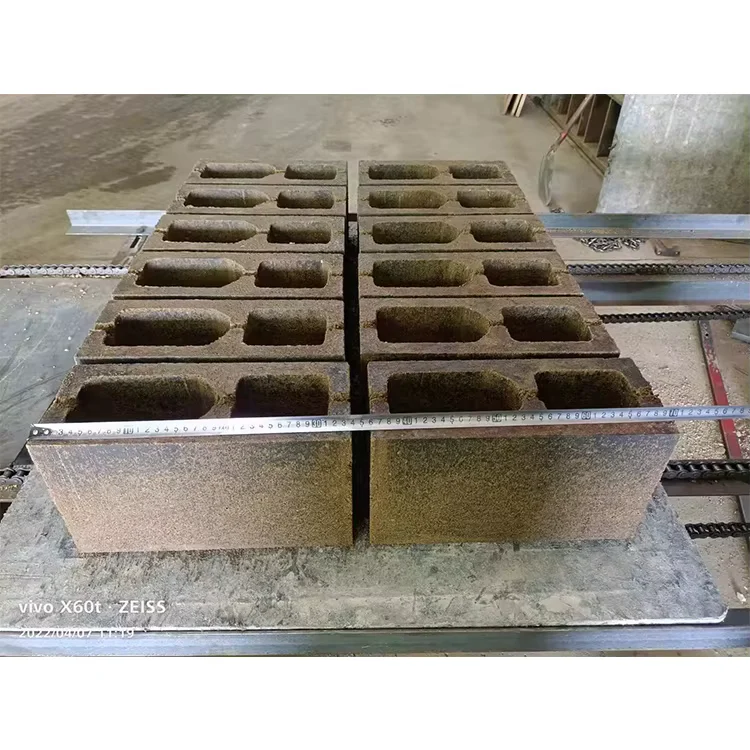
Description
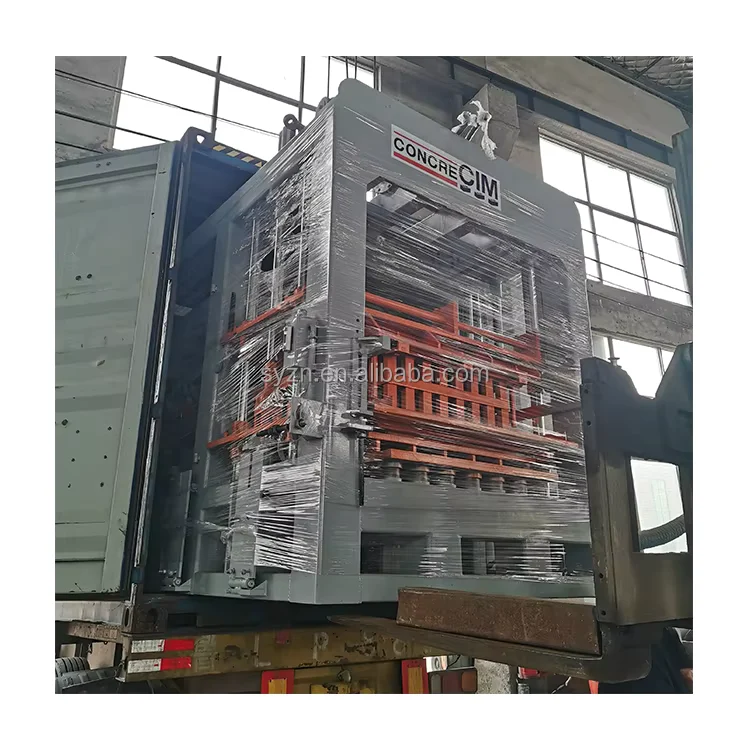
Rapid Deployment Focus — The QT10-15 is prepared for immediate container loading, ensuring your project timeline remains intact from the moment the order is confirmed.
Technical Specifications
| Parameter | Value |
|---|---|
| Model | QT10-15 |
| Product Type | Automatic Cement Block Making Machine |
| Overall Power | 44 kW |
| Rate Pressure | 21 MPa |
| Main Vibration Form | Platform Vibration |
| Vibration Frequency | 2800-4500 r/min |
| Molding Cycle | 15-25 seconds (basis not stated in source) |
| Pallet Size | 1100*900 mm |
| Dimension (LWH) | 935023202950 mm |
| Weight | 10000 kg |
| Voltage | Customer local voltage |
| Core Components | PLC |
| Warranty | 1 Year |
Application Suitability
| Application | Material or Output |
|---|---|
| Hollow Block Production | Cement and concrete mixes |
| Paving Block Manufacturing | Standard concrete aggregates |
| Interlock Block Forming | Crushed stone and cement |
| Curbstone Production | High-density concrete |
Why the Voltage Question Must Precede the Dispatch Date
Securing a QT10-15 automatic cement block making machine in stock is only the first step; verifying the electrical configuration prevents costly site delays.
Early in my career managing equipment deployments across Africa, I authorized the dispatch of a large-scale block press without double-checking the local grid specifications. The machine arrived, the site transformer could not handle the load, and the entire construction crew waited three weeks for a replacement. That delay taught me to lock in every electrical detail before a single bolt is loaded. When you are working against a strict project deadline, assuming standard voltage will match your local infrastructure is a risk that stalls production [NEED_CITE: voltage and frequency standards by export market].
Container Loading and Dismantling Procedures
Getting the equipment onto the vessel quickly requires precise dismantling. The main frame of this Automatic Cement Block Making Machine measures 935023202950 mm, which dictates a specific breakdown strategy for standard shipping containers. We separate the hydraulic station and the PLC cabinet to maximize space and protect sensitive components during ocean transit. This systematic dismantling ensures the QT10-15 automatic cement block making machine in stock fits securely without requiring specialized flat-rack shipping, keeping your freight costs predictable and the departure schedule on track.
Transparent Arrival Estimates and Dispatch Timelines
Buyers facing strict construction deadlines need exact dates, not vague estimates. Once the QT10-15 automatic cement block making machine in stock is reserved, we provide a transparent timeline covering factory loading, customs clearance, and ocean transit to your specific destination port. We coordinate the container booking immediately upon order confirmation to prevent warehouse bottlenecks. Providing upfront arrival estimates allows your civil contractors to prepare the foundation and curing areas in advance, ensuring the equipment is operational the moment it clears local customs [NEED_CITE: standard maritime freight transit variables].
Interpreting the Physical and Hydraulic Footprint
The 10000 kg weight and 44 kW overall power requirement dictate your site preparation needs. A 21 MPa rate pressure combined with platform vibration at 2800-4500 r/min generates significant dynamic force, requiring a reinforced concrete foundation to prevent settling over time. The 1100*900 mm pallet size defines the spatial layout for your curing racks and forklift maneuvering zones. Understanding these physical parameters before the machine arrives ensures your facility is ready to handle the operational footprint without last-minute structural modifications.
The Hidden Costs of Overlooking Dispatch Details
Failing to confirm the exact dispatch configuration often leads to severe on-site consequences. If the PLC language or voltage is mismatched upon arrival, your technical team cannot commission the equipment, leaving expensive machinery sitting idle while the project deadline passes. Furthermore, improper container loading plans can result in damaged hydraulic lines or cracked pallets, forcing you to source emergency replacements locally. These oversights turn a rapid deployment into a prolonged logistical headache [NEED_CITE: common import delays due to documentation errors].
Why Source Your Ready-to-Ship Equipment Here
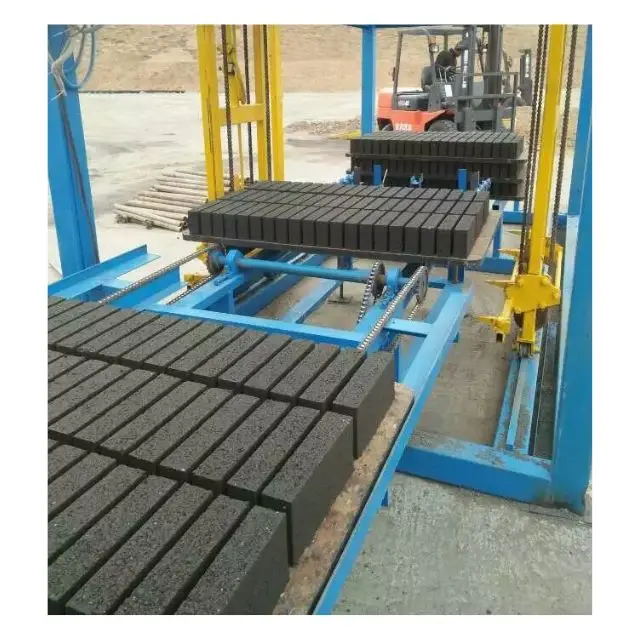
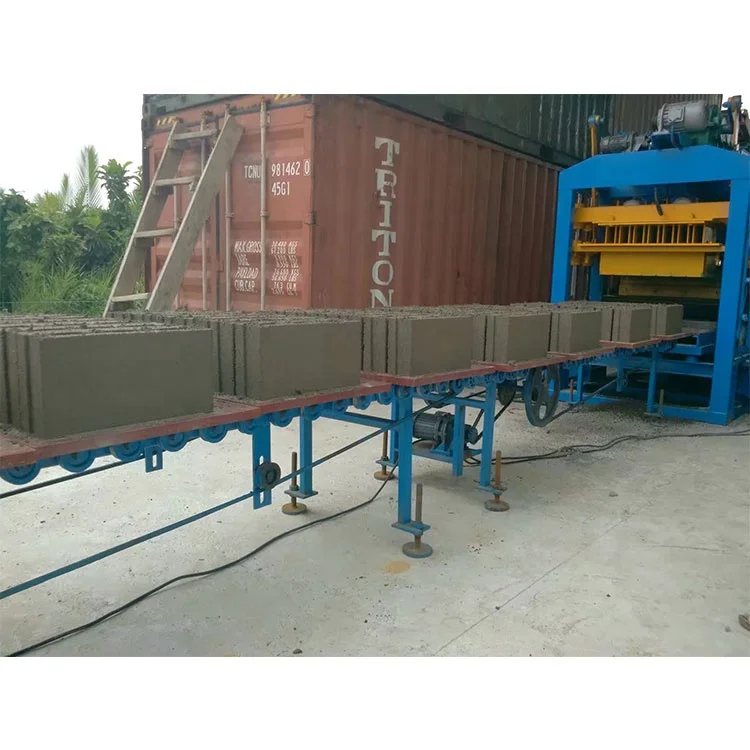
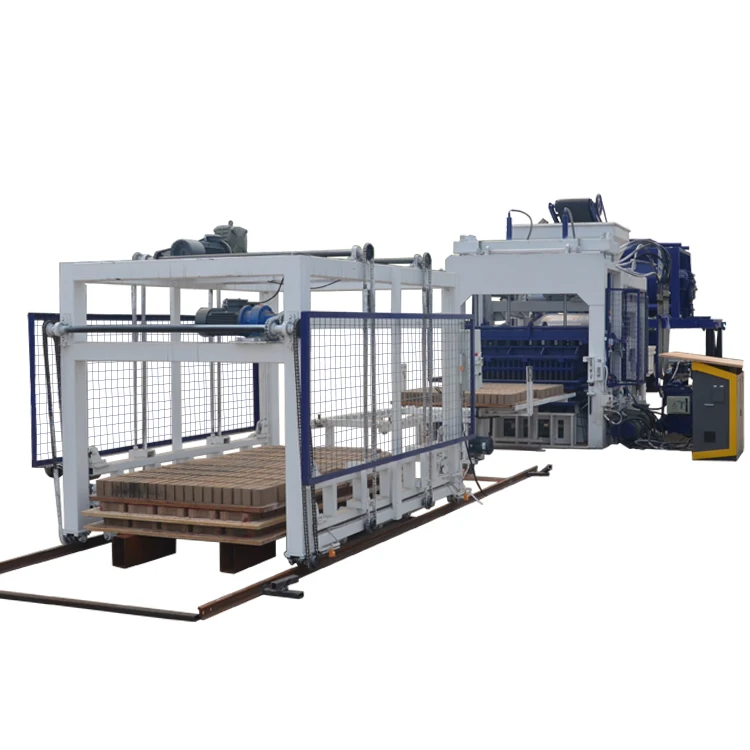
We treat the block machine, pallets, and handling equipment as a single matched system, ensuring everything loaded into the container works together upon arrival. Our dispatch process includes a comprehensive factory test record and video outgoing-inspection specific to your reserved unit, providing visual proof of condition before it leaves our floor. We handle the complex customs documentation support required for heavy machinery exports, smoothing the clearance process at your destination port. This focused approach eliminates the friction typically associated with importing industrial equipment on a tight schedule.
Documentation & Verification
- Machinery test record verifying hydraulic pressure and vibration frequency before loading.
- Video outgoing-inspection showing the exact unit being dismantled for your shipment.
- Container loading plan detailing the placement of the 1100*900 mm pallets and main frame.
- Customs documentation support tailored to heavy machinery import regulations at your port.
Installation, Commissioning & Support
- Foundation blueprints accounting for the 10000 kg static weight and dynamic vibration forces.
- Electrical schematics confirming the 44 kW power draw matches your local site transformer.
- Dismantling guides to assist your local crew in reassembling the 9350 mm main frame.
- Initial PLC parameter setting to ensure the control system communicates in your preferred language.
- Wear parts list included in the shipment to prevent early operational interruptions.
Preparing for Your Equipment Arrival
To ensure a seamless handover, please provide your destination port details and the exact local voltage and frequency standards for the 44 kW power system. We also need to know your available container offloading equipment to finalize the dispatch plan. Share your target commissioning date so we can align the ocean freight booking with your project schedule.
Frequently Asked Questions
Q: What is the exact dispatch lead time for the QT10-15 automatic cement block making machine in stock?
A: Once the electrical and language specifications are confirmed, the machine is dismantled and loaded into containers within a few days. We provide a precise dispatch date upon order confirmation, allowing you to align your site preparation and civil works with the actual departure schedule.
Q: How is the machine dismantled and loaded into containers for safe ocean transit?
A: The 935023202950 mm main frame is separated from the hydraulic station and PLC cabinet. This strategic dismantling ensures the heavy components are secured properly within standard shipping containers, preventing transit damage and avoiding the need for expensive specialized freight options.
Q: Can you provide an upfront arrival estimate to my specific destination port?
A: Yes, we calculate the total transit time based on your exact port of entry and current maritime schedules. This upfront arrival estimate includes factory loading, export customs clearance, and ocean freight, giving you a reliable timeline for your construction project deadline.
Q: Are standard pallets included in the ready-to-ship package for immediate production?
A: The package includes the standard 1100*900 mm pallets required for the machine’s operation. These are loaded into the same shipment as the main press, ensuring you have the necessary handling components ready for immediate block curing once the equipment is reassembled.
Q: What is the process for expediting customs documentation for this stocked machine?
A: We prepare all necessary export declarations, machinery test reports, and commercial invoices immediately upon order confirmation. Our team reviews the specific import requirements for your destination country to ensure the documentation package is complete, preventing clearance delays at your local port.