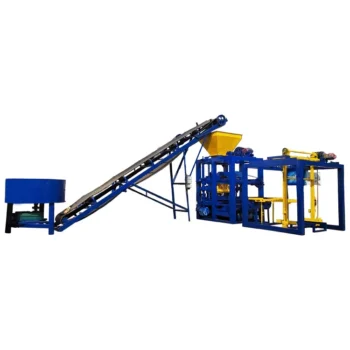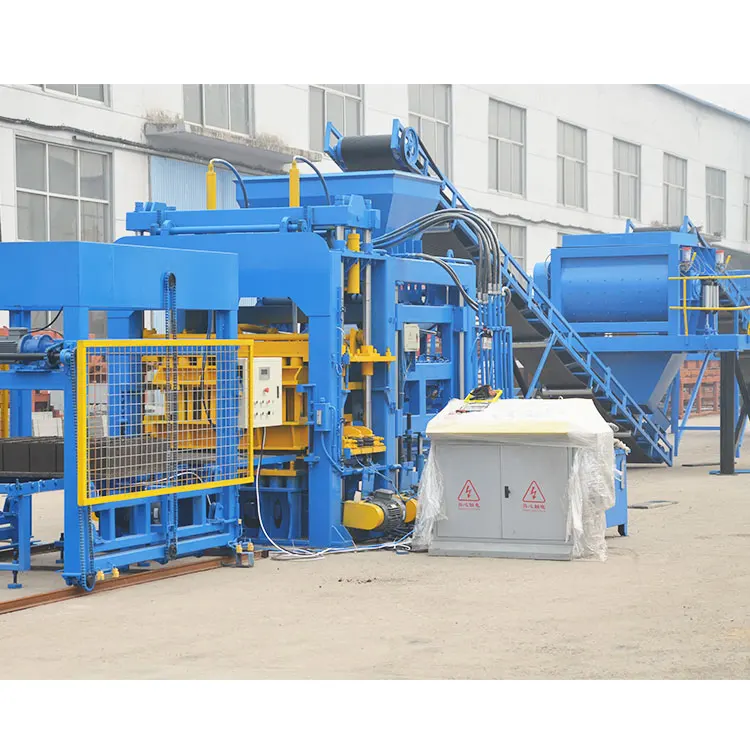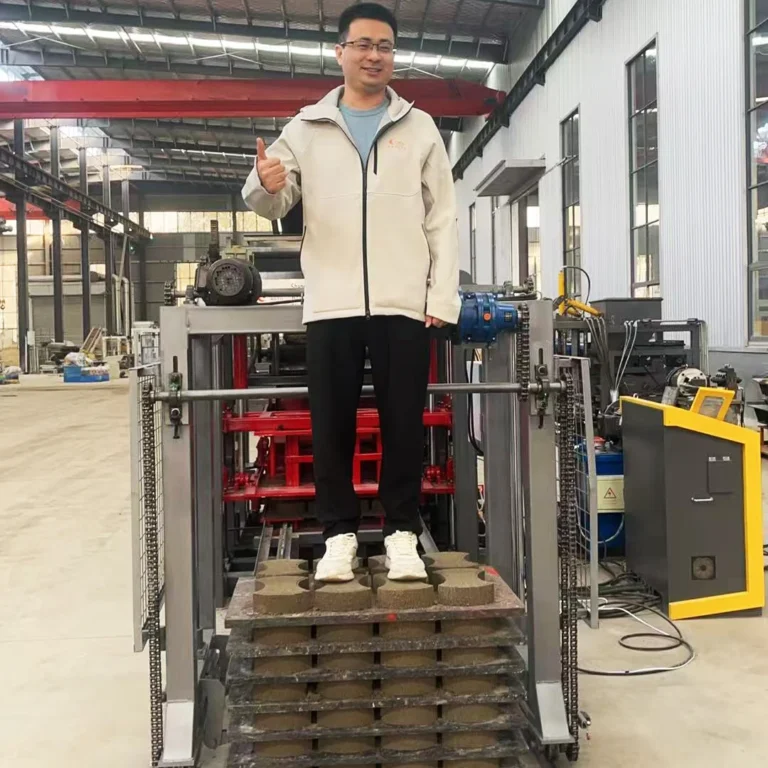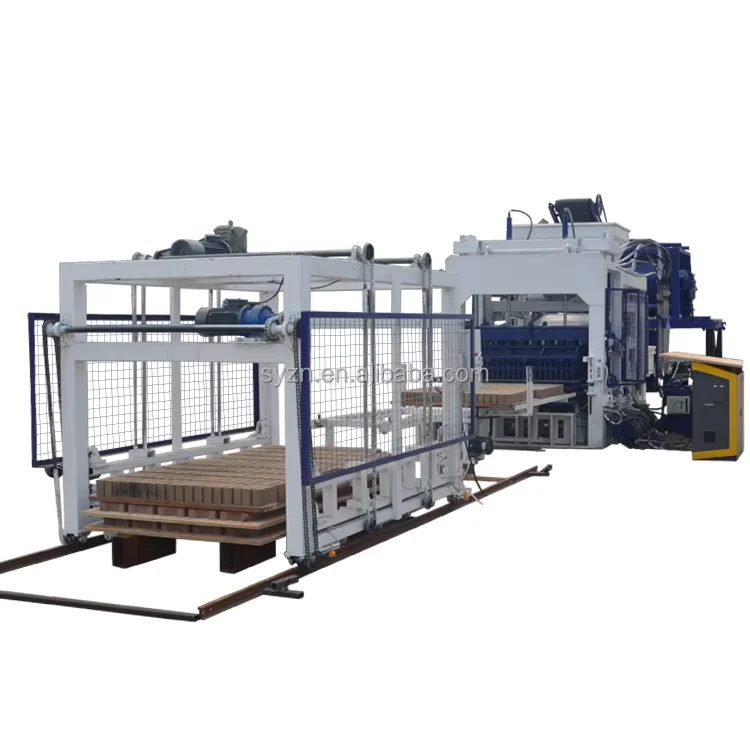


Description
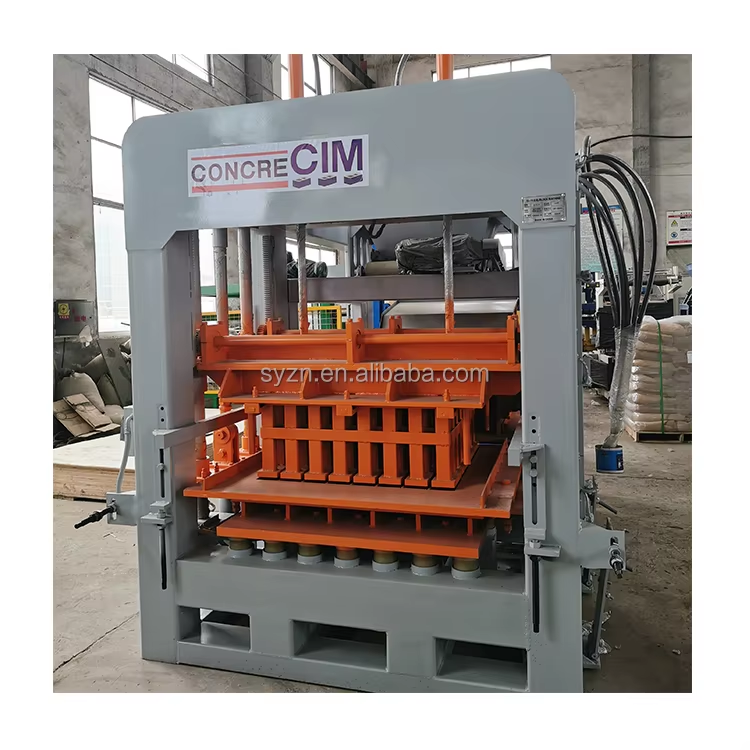
Standard Moulds Ready — Standard block format moulds for the QT10-15 are kept in inventory to eliminate fabrication delays and enable immediate container loading.
Technical Specifications
| Parameter | Value |
|---|---|
| Model | QT10-15 |
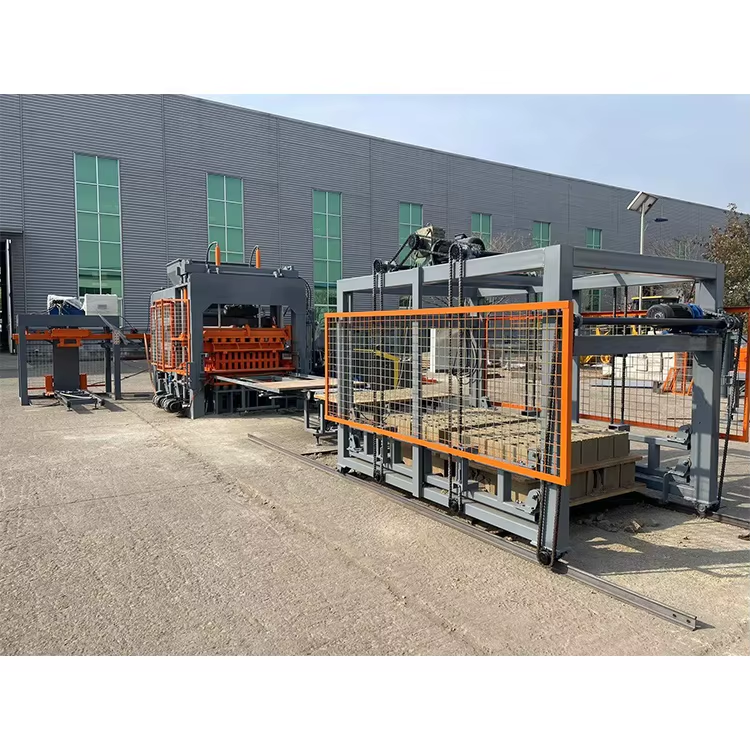
| Product Type | Automatic Concrete Block Making Machine |
| Forming Method | Hydraulic pressure |
| Overall Dimensions (L×W×H) | 935023202950mm |
| Net Weight | 10000 kg |
| Power Source | Electric motor |
| Core Components | Motor, Pump |
| Shaping Cycle | 15-20s (basis to be confirmed by block format and material) |
| Labor Requirement | 1-3 people |
| Mould Formats Included | 400200200 mm, 400150200 mm, 20010060 mm |
Application Suitability
| Application | Material or Output |
|---|---|
| Housing project wall construction | Concrete hollow blocks |
| Infrastructure pavement laying | Concrete paving blocks |
| Load-bearing structural walls | Concrete solid blocks |
| Boundary and road edging | Interlock and curbstone blocks |
Why the Voltage Question Must Precede the Dispatch Date
Securing a QT10-15 block making machine in stock is only half the battle if the electrical configuration does not match the destination grid.
Rushing a machine onto a vessel without verifying the local voltage and frequency often results in the equipment sitting idle at the port for weeks while waiting for replacement transformers or control cabinets. I once oversaw the loading of a fully automatic line where the destination site’s power supply was assumed rather than confirmed, leading to a prolonged delay in commissioning while the electrical panels were rebuilt on-site [NEED_CITE: common electrical mismatch delays in heavy machinery imports]. Confirming the exact site voltage before the machine leaves the factory floor ensures the main motor and hydraulic pump start up the moment power is connected.
Container Loading and Dismantling Logistics
Moving a machine with a footprint of 935023202950mm and a net weight of 10000 kg requires a precise dismantling strategy to fit standard shipping containers. The main frame, hydraulic station, and control panels are separated and secured to prevent transit damage. Having a QT10-15 block making machine in stock means the dismantling plan is already documented, allowing the loading crew to maximize container space and secure the heavy components against shifting during ocean freight.
Dispatch Timelines and Arrival Estimates
Project deadlines do not pause for manufacturing backlogs. When a contractor needs immediate capacity, the availability of the core press and standard moulds dictates the schedule. We provide upfront arrival estimates based on current port schedules and confirmed dispatch lead times. This transparency allows site managers to prepare the foundation and curing areas in advance, ensuring the equipment is ready for installation the day it clears customs [NEED_CITE: importance of site preparation prior to heavy equipment arrival].
Hydraulic Pressure and Physical Dimensions
The hydraulic pressure forming method is essential for achieving the density required for structural concrete blocks. The physical footprint of 935023202950mm dictates the necessary clearance in the production shed, ensuring the host press has adequate space for raw material feeding on one side and wet block output on the other. The 10000 kg net weight provides the necessary mass to absorb vibration forces during the shaping cycle, preventing the machine from walking across the factory floor during continuous operation.
The Cost of Overlooking Electrical and Loading Details
Assuming standard electrical configurations without checking the destination site’s actual power supply leads to severe commissioning delays. Similarly, failing to plan the container loading sequence for a 10000 kg machine can result in damaged hydraulic lines or bent structural frames upon arrival. These oversights turn a fast-tracked project into a stalled construction site, costing contractors heavily in idle labor and missed completion milestones [NEED_CITE: financial impact of delayed machinery commissioning on construction projects].
Why Source This Equipment Here
Block machinery is our single focus, meaning the press, moulds, and handling components are dispatched as a matched system rather than assembled from disparate suppliers. We confirm voltage and control language prior to dispatch, preventing the arrival delays that plague poorly planned shipments. Standard moulds are kept in inventory to eliminate fabrication wait times. Every unit undergoes a factory test before dismantling, and we provide clear container loading plans to ensure safe transit. This approach guarantees that the equipment you order is the exact equipment that arrives ready to work.
Documentation & Verification
- Factory test record confirming hydraulic pressure and motor function before dismantling.
- Container loading plan detailing the securing points for the 10000 kg main frame.
- Voltage and control language confirmation sheet signed off prior to crating.
- Machinery test report and video outgoing-inspection provided for the specific unit.
Installation, Commissioning & Support
- Foundation must support the 10000 kg net weight and dynamic forces of the hydraulic press.
- Dedicated electrical circuit required matching the confirmed voltage for the main motor and pump.
- Machine arrives dismantled; reassembly follows the provided container loading plan in reverse.
- Hydraulic pressure settings verified during initial commissioning to match the target block density.
- Operator training covers the 1-3 person labor requirement and daily maintenance of core components.
- Wear parts list provided to ensure continuous operation without waiting for replacement components.
Preparing Your Site for Immediate Integration
To ensure the equipment integrates smoothly into your project timeline, please provide your exact site voltage and frequency, along with the available floor space for the 935023202950mm footprint. Let us know which specific block formats you need immediately so we can verify standard mould availability. Finally, confirm your preferred PLC display language to ensure your operators can manage the system from day one.
Frequently Asked Questions
Q: What is the exact dispatch lead time and arrival estimate for the QT10-15?
A: Because the core press and standard moulds are kept in inventory, the dispatch lead time is limited to the dismantling, crating, and booking of the vessel. We provide an upfront arrival estimate based on current shipping schedules, allowing you to align your site preparation and foundation work with the expected delivery date.
Q: Are standard moulds and wear parts currently available for immediate loading?
A: Yes, standard mould formats such as 400200200 mm hollow blocks and 20010060 mm pavers are kept in stock. Essential wear parts for the hydraulic system and core components are also loaded into the container alongside the main machine to prevent operational pauses during the initial production phase.
Q: How is the machine dismantled and loaded into containers for fast shipment?
A: The 935023202950mm frame and 10000 kg weight require strategic dismantling. The hydraulic station, control panels, and main press are separated and secured using a predefined loading plan. This ensures the equipment fits standard containers safely and can be reassembled quickly upon arrival at your facility.
Q: What voltage configurations are verified before the machine leaves the factory?
A: We do not assume standard voltages. Before dispatch, we require your exact site voltage, frequency, and phase specifications. The electric motor and control panels are configured and tested against these parameters to ensure the machine powers on immediately without needing local electrical modifications.