Description
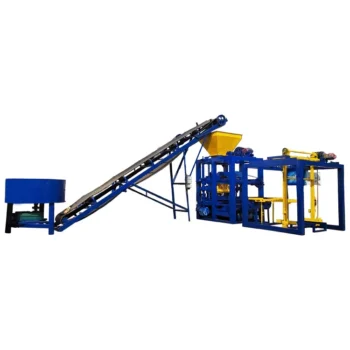
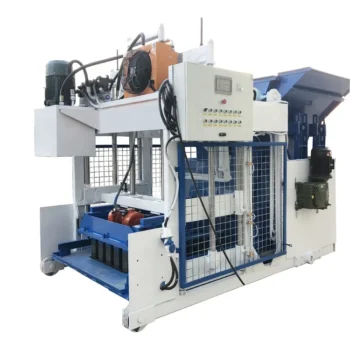
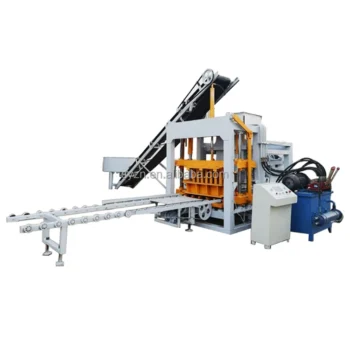
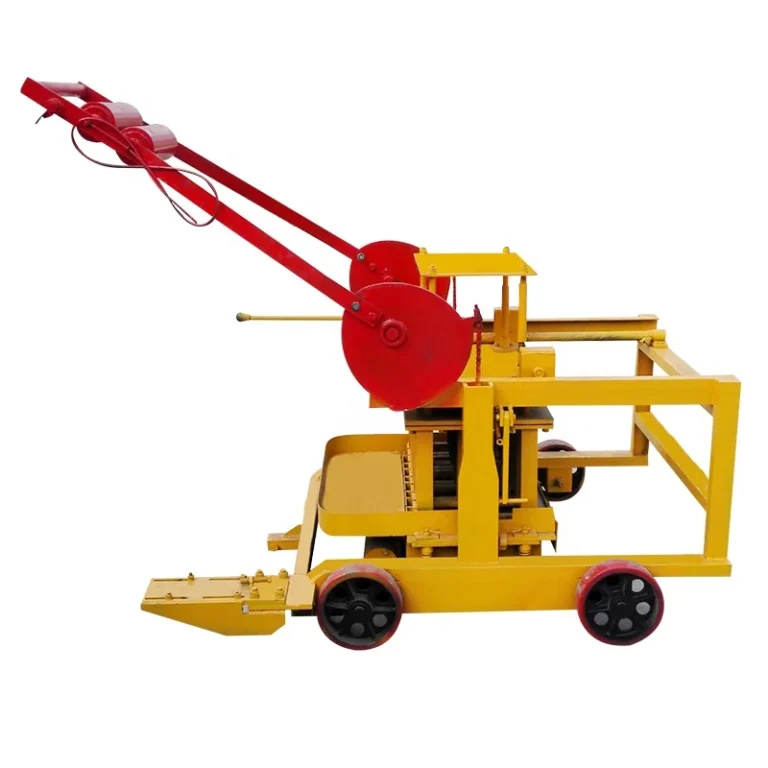
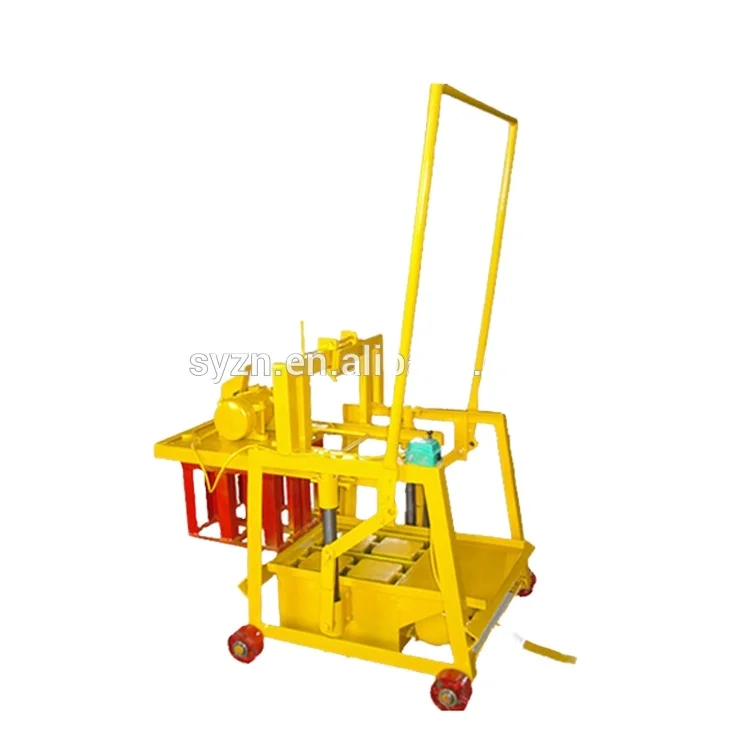
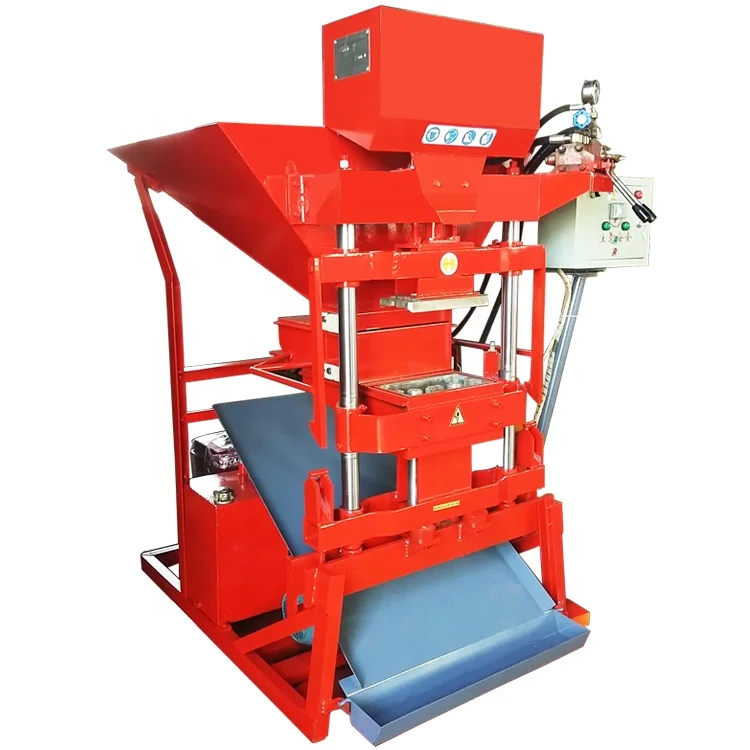
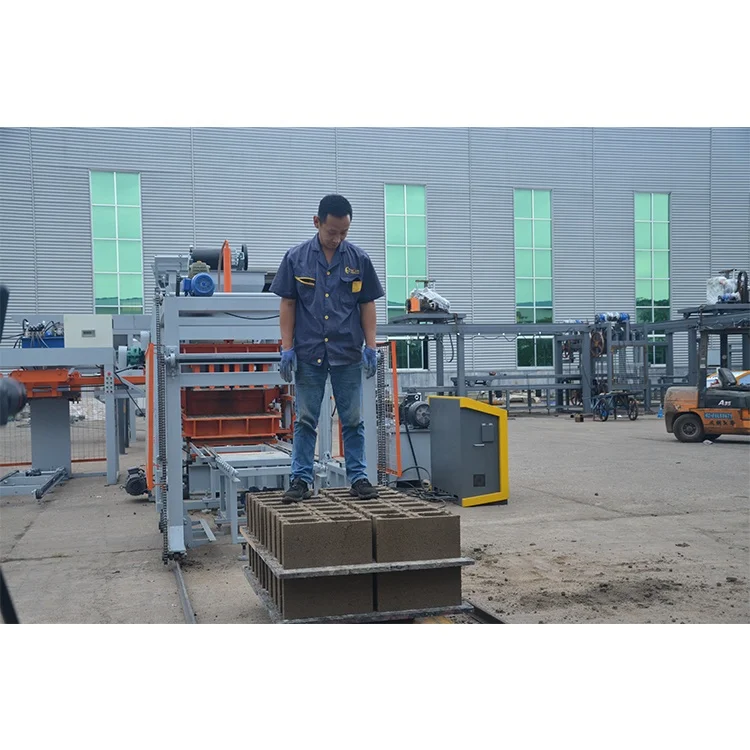
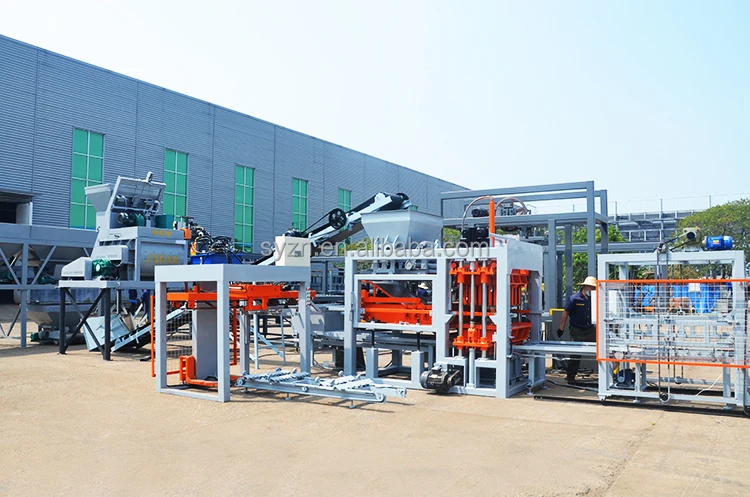
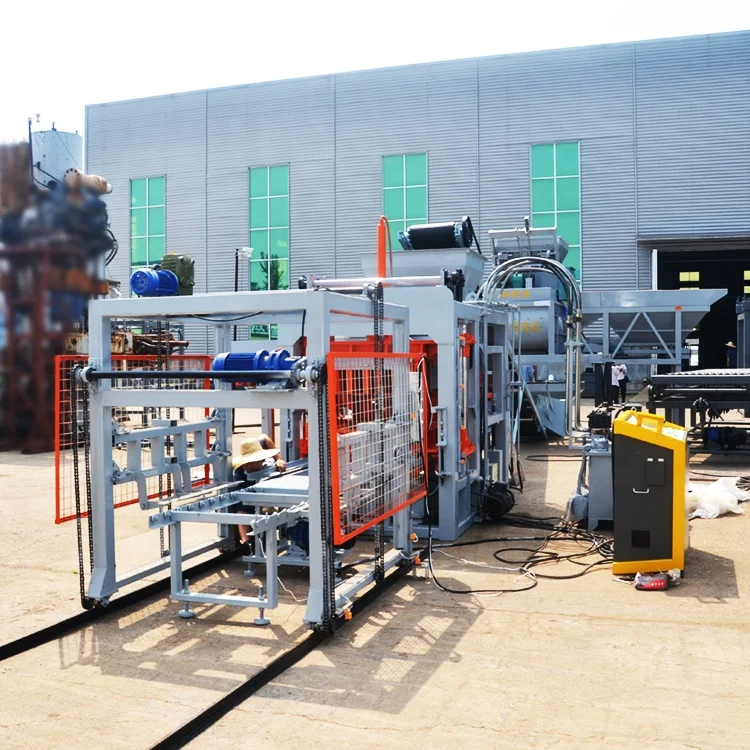
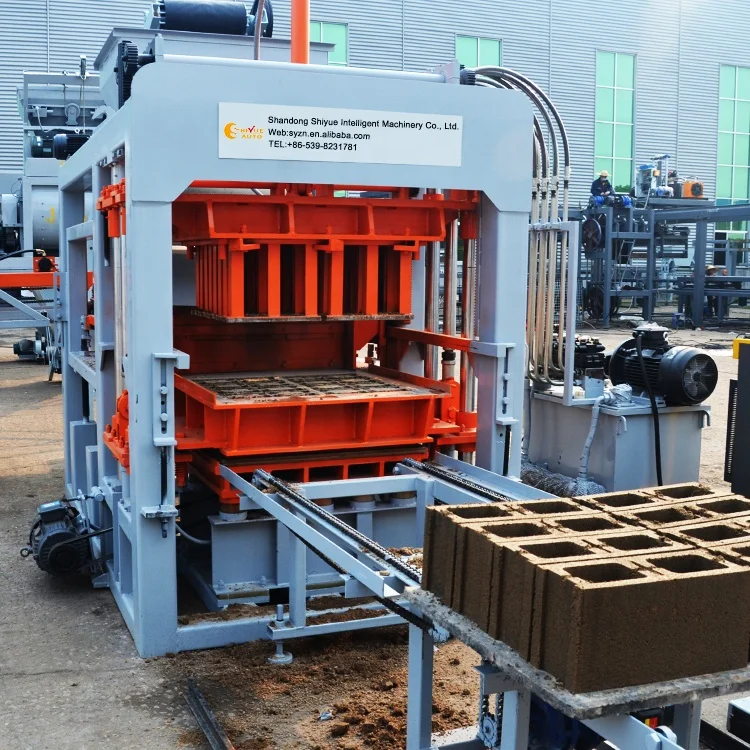
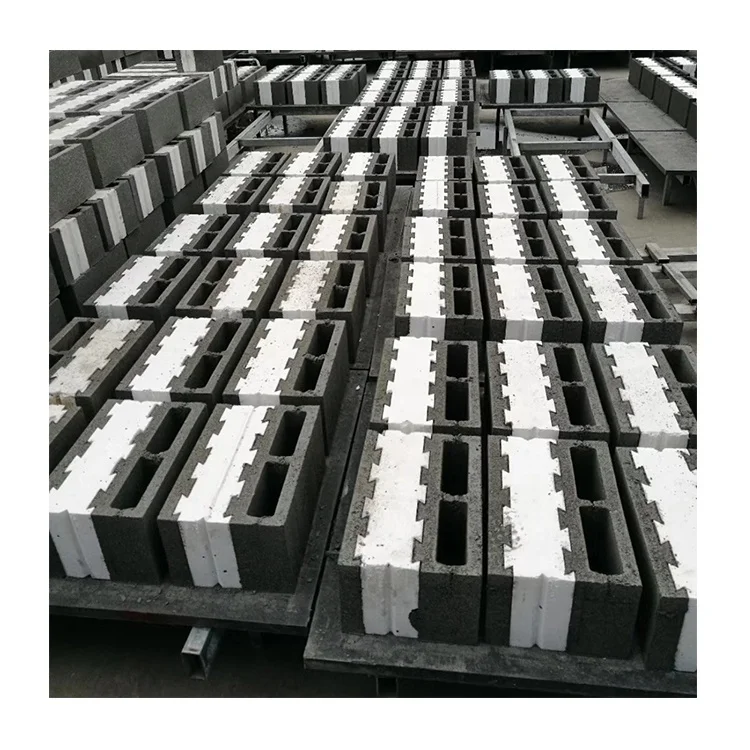
Stocked Configuration, Ready Floor Units — Every QT6-15 unit leaving our Linyi yard is photographed with serial and date stamp, container loading plan confirmed before the deposit clears.
Technical Specifications
| Parameter | Value |
|---|---|
| Model | QT6-15 |
| Product Type | Automatic Hydraulic Concrete Block Making Machine |
| Overall Dimensions (L×W×H) | 8200×1700×2950 mm |
| Total Mass | 7 T |
| Vibration Force | 45 kN |
| Vibration Frequency | 0–60 Hz |
| Vibration Form | Platform Vibration |
| Hydraulic System | Independent integrated station, isolated from dust and main machine vibration |
| Pallet Size | 880×850 mm |
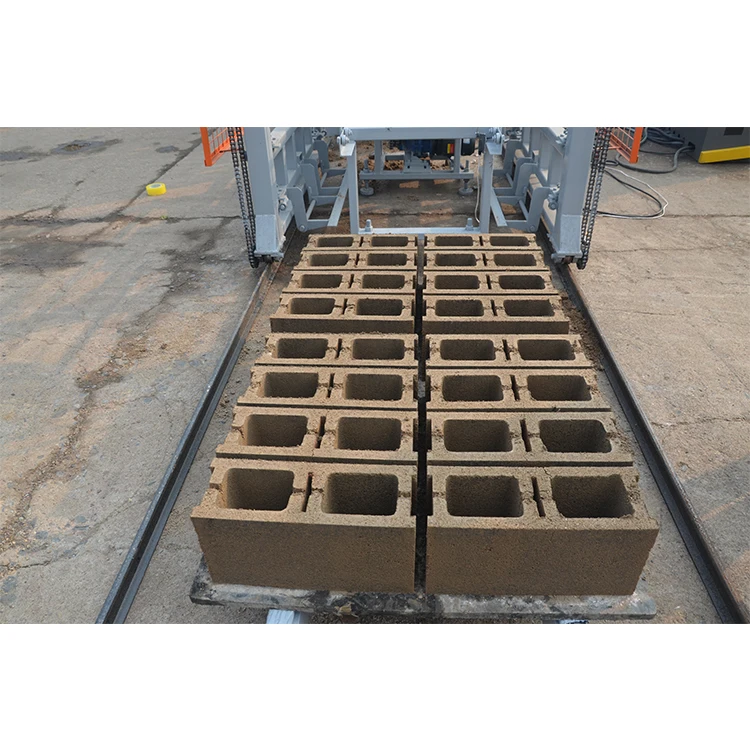
| Moulding Mode | Automatic loading, vibration moulding |
| Demolding Method | Hydraulic |
| Control System | PLC with touch screen and fault diagnosis |
| Overall Power | 37 kW |
| Recommended Factory Area | 1200 m² |
| Molding Cycle | 15–20 s (basis not stated in source — confirm block format) |
| Warranty | 1 year for the whole machine excluding spare parts |
| Voltage & Frequency | Configurable — confirm against buyer site supply before dispatch |
| PLC Language | Configurable — confirm before dispatch |
Application Suitability
| Application | Material or Output |
|---|---|
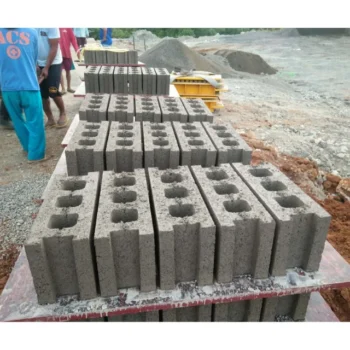
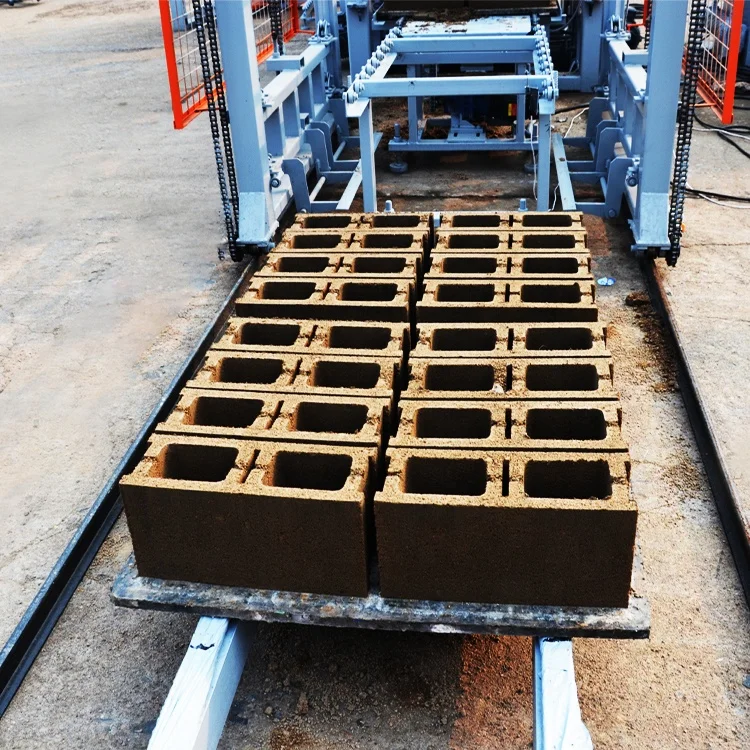
| Hollow concrete block production | Crushed stone, sand, cement, fly ash, slag aggregates |
| Solid brick manufacturing | River sand, quarry dust, cement blends |
| Rectangular paving block production | Fine aggregate, cement, pigment for coloured runs |
| Interlocking (zigzag) paving block production | Graded aggregate, cement, colour oxide |
| On-site contractor block production | Locally sourced aggregate matched to regional supply |
Why Voltage Confirmation Must Happen Before the Container Is Booked
A QT6-15 block machine in stock is only fast if the electrical system matches your site the day it arrives.
I learned this the hard way on a QT6-15 shipment to West Africa. The unit left Linyi wired for a voltage and frequency that did not match the local grid. The contractor’s electrician stood in front of a silent control cabinet for three weeks while a replacement transformer was sourced locally. The housing project schedule collapsed, and the machine sat idle under a tarpaulin earning nothing. Since that job, every dispatch sheet I handle carries a signed electrical confirmation before the machine is dismantled for loading [NEED_CITE: voltage and frequency standards by export market]. When buyers ask about a QT6-15 block machine in stock, the first question I now ask back is what voltage and frequency their site actually runs.
Dispatch Timeline You Can Put in Your Project Schedule
Stock status means different things at different suppliers. For us, a stocked QT6-15 means the press frame, hydraulic station, and PLC cabinet are assembled, tested, and sitting on the Linyi floor — not a pile of parts waiting for final assembly. Once your deposit clears and the electrical confirmation is signed, the machine is dismantled to fit the container type that suits your destination port, and the loading plan is shared with you before the truck leaves the yard. That gives your freight forwarder a real container number and weight to book against, not an estimate.
What "In Stock" Does Not Cover
Standard moulds for hollow blocks and solid bricks in common sizes are typically on the shelf alongside the press. However, if your market sells a format outside the standard catalogue — a specific kerbstone profile, a custom interlocking shape, or a paver thickness your local council requires — that mould is built to order and carries its own lead time. We state the mould availability separately from the machine so your timeline is not built on an assumption. Ask for the stock list with serial numbers and date stamps before you commit [NEED_CITE: standard mould lead time versus custom mould build time].
Reading the Numbers That Actually Matter on Site
The vibration force of 45 kN paired with an independent hydraulic station determines how densely the mix is compacted into the mould cavity. Higher compaction density directly translates to block compressive strength, but only if the mix design and local aggregate are matched to that force. A QT6-15 block machine in stock configured for one region’s sand may produce weak blocks in another region with a different aggregate grading. The 880×850 mm pallet size must also align with the curing racks and forklifts already operating at your plant; a mismatch here means pallets cannot be stacked mechanically and output piles up on the floor. The 37 kW overall power draw requires a dedicated circuit sized for starting surge, not just running load, and the PLC touch screen with fault diagnosis gives your operator a starting point when an alarm triggers rather than a blank panel.
The Cost of Skipping the Loading Plan
Buyers working to a project deadline often focus on dispatch date and overlook how the machine is dismantled for the container. A unit that arrives as one oversized piece may not clear your port’s crane capacity or fit on the flatbed trucks available for inland haulage. I have seen machines sit at the port for days because the local transport company did not have a trailer rated for the concentrated axle load [NEED_CITE: container loading and inland transport weight limits]. Confirming the dismantling method and container type before shipment removes this bottleneck.
Why Buyers Source This Model Through Us
Block machinery is our single focus, so the QT6-15 press, its moulds, pallets, and handling equipment are specified as one matched system. Configuration is set against your actual mix design and local aggregate, not a catalogue default. Mould formats are chosen based on what your market sells, including custom drawings when standard sizes do not fit. Automation level is selectable, so you can start with semi-automatic pallet handling and add automatic stacking later. Dispatch lead time, container loading plan, and estimated arrival at your destination port are confirmed in writing before your deposit is placed.
Documentation & Verification
- Factory test record on your specified block format before dispatch
- Machine specification sheet with voltage and frequency confirmed for your site
- Mould drawing and format list matching your market requirements
- Pallet specification cross-checked against your existing curing racks
- Packing photographs with serial number and date stamp before container sealing
Installation, Commissioning & Support
- 1200 m² recommended area confirmed against your site layout before shipment
- 37 kW power requirement verified against your dedicated circuit and starting surge capacity
- Machine dismantling method documented so your local crane and flatbed are sized correctly
- PLC language and touch screen labels confirmed in your operator’s working language
- Hydraulic station isolated from vibration — first oil change interval stated in maintenance manual
- Spare mould and wear parts list provided with part numbers for reorder
What We Need From You to Confirm Availability
Tell us the block format your market sells and the daily volume you need to hit. Share the voltage, frequency, and PLC language your site requires so the electrical confirmation is signed before the machine moves. If you already have curing racks and forklifts on site, send the dimensions so we verify the 880×850 mm pallet fits your existing handling. With those details locked, we return a written dispatch date, container loading plan, and estimated port arrival.
Frequently Asked Questions
Q: Which QT6-15 units and standard moulds are physically in stock right now?
A: Stock status changes with each shipment. Request a current stock list with serial numbers, date stamps, and photographs. Standard hollow block and solid brick moulds in common sizes are typically held alongside the press, but custom formats are built to order and carry a separate timeline.
Q: How is the machine dismantled for container loading, and what container type is needed?
A: The QT6-15 is dismantled into components sized for standard container loading. A written loading plan specifying container type, component count, and weight distribution is provided before dispatch so your freight forwarder can book accurately and your inland transport is correctly rated.
Q: What is the realistic dispatch-to-arrival timeline for my destination port?
A: Stocked units reduce the production wait significantly. Once your electrical confirmation is signed and deposit clears, we provide a written estimated arrival date at your destination port based on current shipping schedules, not a generic estimate.
Q: Are standard moulds shipped with the machine or ordered separately?
A: Common hollow block and solid brick moulds are typically stocked and can ship with the machine. Paver moulds, kerbstone moulds, and custom profiles may require a separate build timeline. Always confirm which moulds are included in your specific quotation.
Q: What customs documentation is provided, and is a CE declaration available?
A: Standard export documentation including commercial invoice, packing list, and bill of lading is provided. A CE declaration is available where applicable — confirm at inquiry stage whether your market requires it so it is prepared before the container sails.